
Latest News
OIC adopts Islamabad Declaration, welcomes new Afghan trust fund

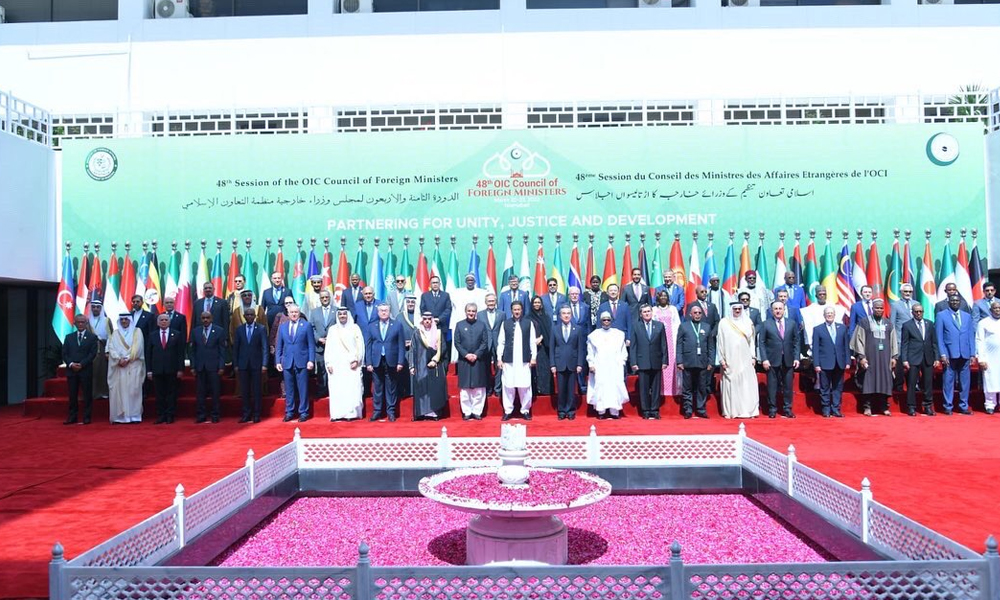
The two-day meeting of the Organisation of Islamic Cooperation’s (OIC) Council of Foreign Ministers wrapped up on Wednesday in Islamabad after delegates adopted the 70 point Islamabad Declaration, which also touched on Afghanistan.
OIC Secretary-General Hissein Brahim Taha, while speaking at a press conference at the end of the 48th meeting of this 57-member body, said: “We shall continue dialogue with the authorities in Afghanistan, with international partners, with the objective to achieve peace, security and development in this member country of the OIC.”
Forty-six countries participated at a ministerial level, while the other countries were represented by senior officials.
Nearly 800 delegates attended the meeting hosted by Islamabad.
The meeting agenda included deliberations on the situation in Palestine, Indian Illegally Occupied Jammu and Kashmir (IIOJK) and Afghanistan.
Also, issues pertaining to Africa and Muslims in Europe and developments in Yemen, Libya, Sudan, Somalia and Syria were taken up at the meeting.
Islamophobia, international terrorism and cooperation in economic, cultural, social, humanitarian, and scientific domains were the other subjects that were discussed.
A wide-ranging Islamabad Declaration containing as many as 70 points was adopted at the meeting by the conference.
Islamabad Declaration underscored strong commitment to the sovereignty, independence, territorial integrity and national unity of Afghanistan.
“We affirm our abiding solidarity with the people of Afghanistan and express the confidence that the resilient Afghan people will continue to steer their country on the path to progress and prosperity. We recognize that sustainable peace and stability in Afghanistan can only be assured through formation of a comprehensive, broad-based and inclusive government with the participation of all Afghan ethnicities,” the declaration read.
“We underline the importance of full respect for the human rights of all Afghans, including women, children and persons belonging to ethnic, religious and cultural minorities.
“We commend the Kingdom of Saudi Arabia for convening and Pakistan for hosting the 17th Extraordinary Session of the OIC Council of Foreign Ministers in Islamabad, on 19 December 2021, to mobilize humanitarian assistance for the people of Afghanistan; note with apperception its decisions including the appointment of the Special Envoy of the OIC Secretary-General on Afghanistan, establishment of the Afghanistan Humanitarian Trust Fund and Afghanistan Food Security Programme, and the strengthening of the OIC Mission in Kabul,” read the declaration.
“We appreciate the assistance provided by the Kingdom of Saudi Arabia for the office of the OIC Special Envoy on Afghanistan.
“We welcome the operationalization of the Humanitarian Trust Fund during the 48th CFM, and in this regard appreciate the pivotal role of the Islamic Development Bank. We appreciate the first important contribution received in the Trust Fund from Nigeria.
“We reiterate our call to the OIC Member States and other international partners to contribute generously to the Trust Fund, which would help alleviate the urgent humanitarian needs of the Afghan people and to provide them opportunities for progress and development,” read the declaration.
“We underline that Afghanistan’s early access to its financial resources is critical in preventing an economic meltdown and exacerbation of the humanitarian situation; and call for the return of the frozen national assets of Afghanistan to its people to whom they rightfully belong.
“We reaffirm the importance of ensuring that the territory of Afghanistan is not used as a platform or safe haven by any terrorist group, in particular Al-Qaeda, Daesh and its affiliates, ETIM, and TTP; and urge the international community to remain cautious against the possibility of incitement and the role of spoilers, both inside and outside the country, to derail efforts aimed at ensuring peace and stability in Afghanistan,” read the declaration.





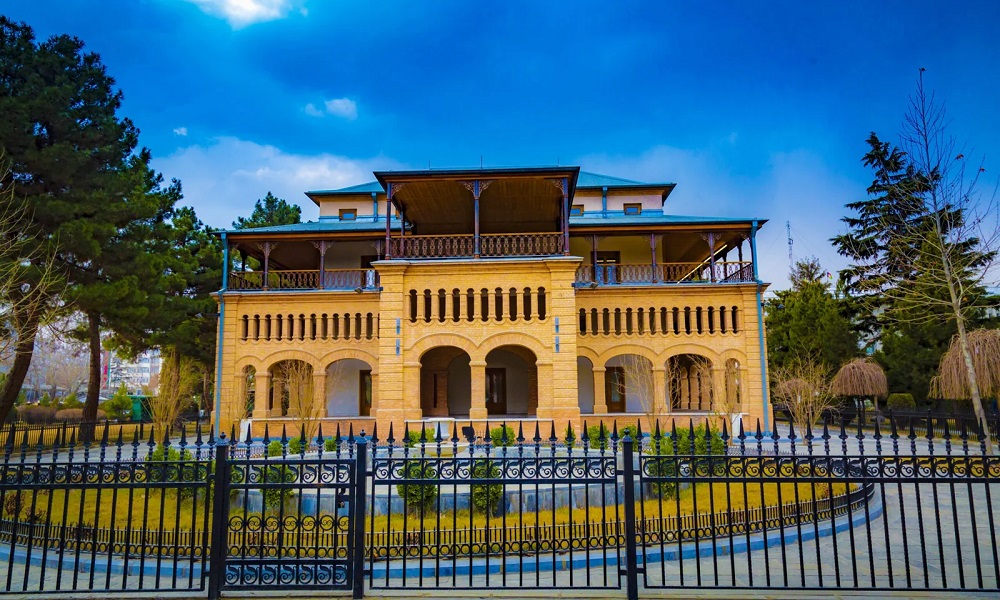
Afghanistan’s Ministry of Foreign Affairs summoned Pakistan’s chargé d’affaires to Kabul and lodged a strong protest against the violation of Afghan airspace and Pakistani military airstrikes on several Afghan provinces.
The ministry handed the Pakistani diplomat a formal protest note following the attacks on Kandahar, Paktia and Khost provinces on Wednesday night, which reportedly caused civilian casualties.
The Islamic Emirate strongly condemned the strikes, calling them a violation of Afghanistan’s sovereignty and territorial integrity and contrary to Islamic, international, humanitarian and good-neighborly principles.
The ministry also rejected what it called baseless claims that Afghan territory was being used as a source of Pakistan’s recent security incidents.
It said using such claims to justify military action was an attempt to distort facts, mislead public opinion and conceal Pakistan’s internal failures.
The Islamic Emirate further accused Pakistan’s military leadership of avoiding commitments made to regional countries and warned that such actions could further escalate tensions in the region.
Latest News
Museum dedicated to preserving ‘Jihadi’ artefacts opens in Kandahar
The museum’s collection includes more than 100 items gathered from different locations.
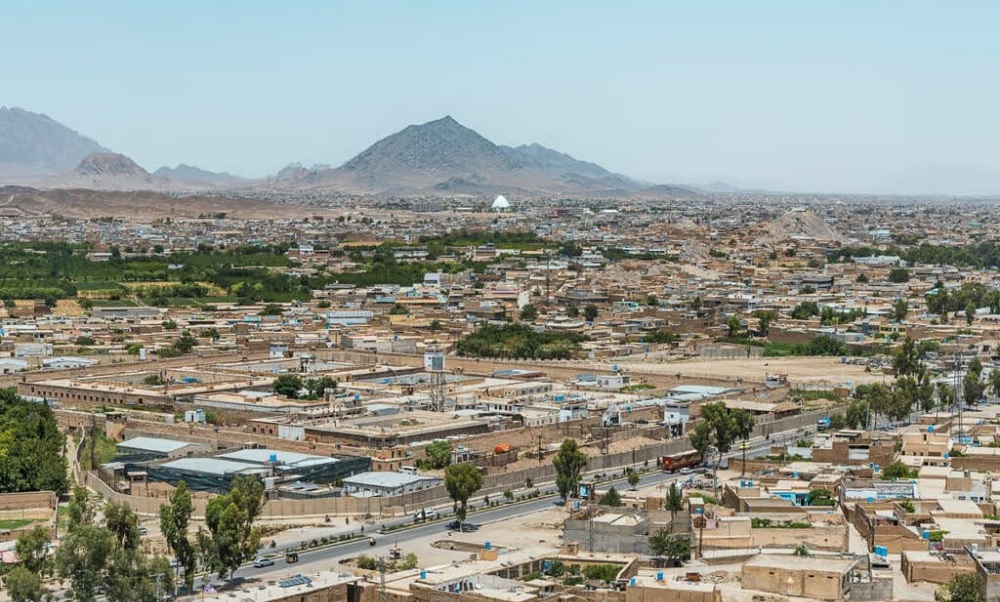
A museum dedicated to preserving what Afghan authorities describe as “Jihadi artefacts” has officially opened in Kandahar, with officials saying more than 100 items have so far been collected for display.
Mufti Mohammad Tahir Ahmad, Director General for the Preservation of Jihadi Artefacts at the Ministry of Information and Culture, attended the inauguration ceremony alongside Qari Ahmadullah Saeed Khosti, Director of Registration for Jihadi Artefacts and Documents.
Mufti Inamullah Samangani, head of the Kandahar Information and Culture Department, and officials from several government departments also attended the ceremony.
According to the official responsible for preserving the artefacts in Kandahar, the museum’s collection includes more than 100 items gathered from different locations.
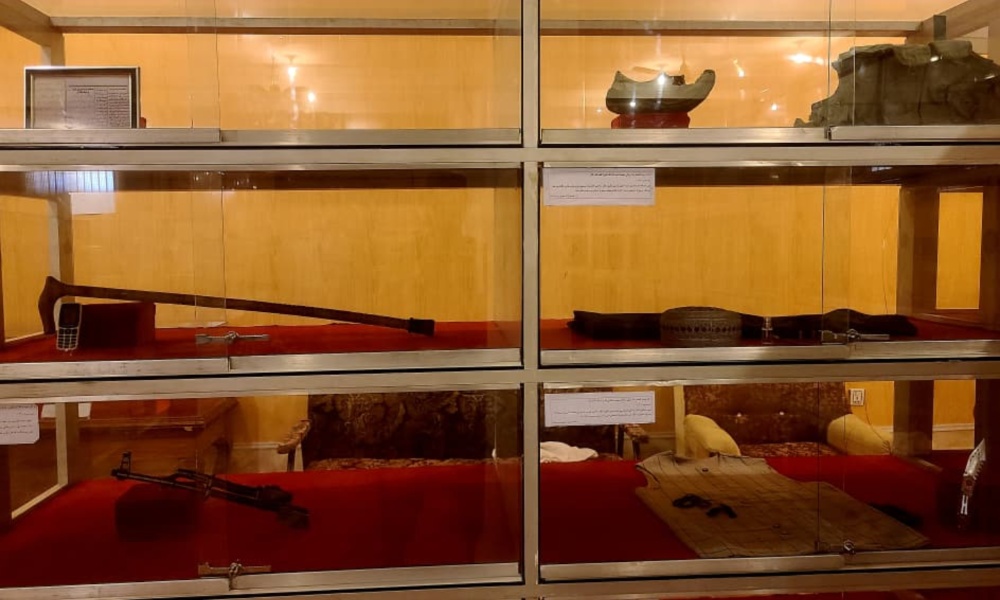
The collection includes weapons that officials say were captured from British, Soviet and US forces, as well as personal belongings and other items associated with people killed during Afghanistan’s conflicts over the past two decades.
Officials said efforts to collect additional artefacts would continue in order to expand the museum’s collection.
The museum is now open to visitors, according to the officials.
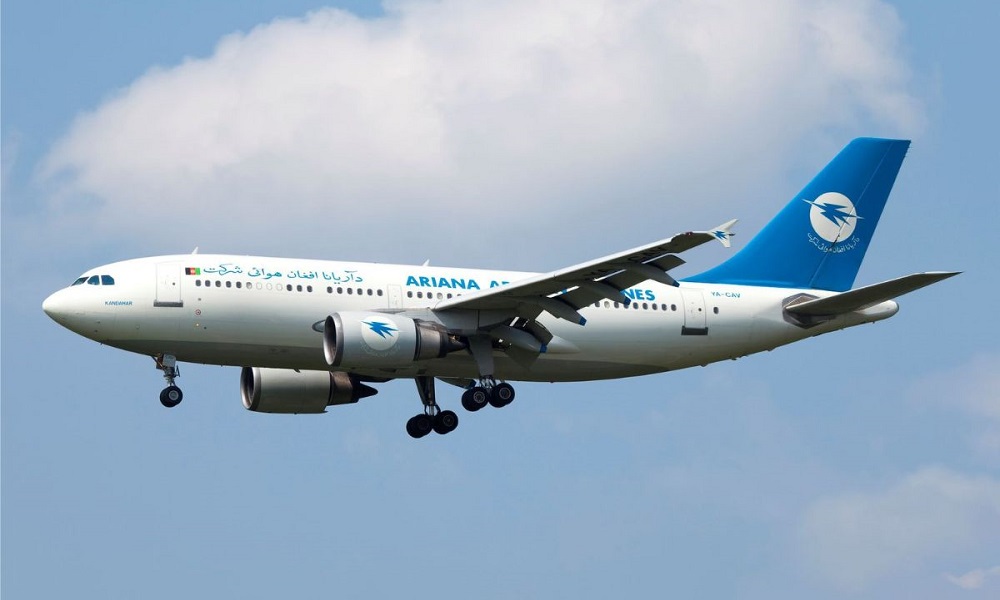
Ariana Afghan Airlines has ranked seventh among 45 airlines in Central Asia in Skytrax’s 2026 rankings.
Company officials say Ariana Afghan ranked eighth on the list in 2025, but moved up one place this year following improvements in service quality and the expansion of its operations.
According to the officials, in 2026 the airline met criteria including service quality, flight safety, professional cabin crew, and experience in the aviation sector, placing it among the top 10 airlines in Central Asia.
Skytrax is an international organization that evaluates and ranks the quality of services in the aviation industry and airlines, assessing and ranking carriers annually based on specific criteria.


Afghanistan summons Pakistani chargé d’affaires over latest airstrikes

Australia says OpenAI model breached government health website

Museum dedicated to preserving ‘Jihadi’ artefacts opens in Kandahar

Afghanistan open Asian Games cricket campaign with win over Japan

Trump welcomes Chinese President Xi as US-China summit gets underway

Saudi energy group signs major Afghanistan deals covering gas exploration and pipeline plans

ATN secures exclusive rights to broadcast T20I series in India across Afghanistan

Trump floats idea of renaming Atlantic or Pacific Ocean

US hits Egyptian bank branches with Iran sanctions as war marks six months

Nepal flood rescue mission enters critical phase as thousands remain missing

Tahawol: Opening of the 81st UN General Assembly Session

Saar: OIC Assessment of Afghanistan’s humanitarian and development situation discussed

Tahawol: Reactions to Pakistan’s attacks on Afghanistan discussed

Saar: Uncertain fate of Afghanistan’s seat at UN discussed

Tahawol: Uncertain future of Afghanistan’s permanent UN seat
-
 Sport3 days ago
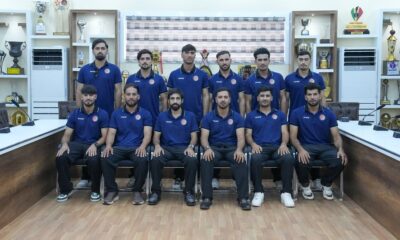
Afghanistan to face Japan and Nepal in Asian Games cricket group stage
-
 Latest News4 days ago
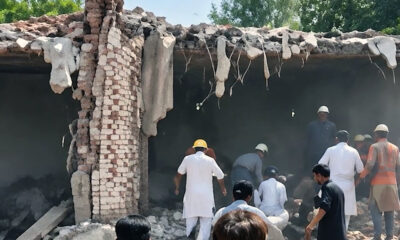
Pakistan says Kohat attackers had roots in Afghanistan
-
 Latest News4 days ago
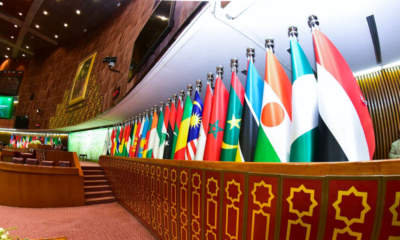
OIC to hold Afghanistan Contact Group meeting on sidelines of UN General Assembly
-
 Regional4 days ago
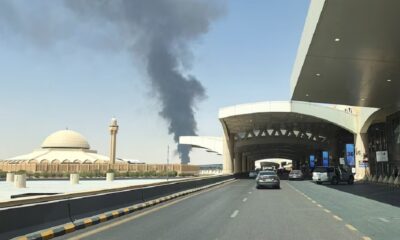
Flames, smoke seen near Riyadh airport; Houthis claim attacks on Saudi capital
-
 Regional3 days ago
Iran and US trade threats after Houthi attacks escalate regional conflict
-

 Sport5 days ago
Abu Muslim Farah and Ariana Khost play out goalless draw in ACL
-
 Business4 days ago
Dogharoun handles 60% of Iran’s exports to Afghanistan
-
 World4 days ago
World leaders return to UN amid wars in Middle East and Ukraine