
Latest News
IEA orders women to cover their faces in public

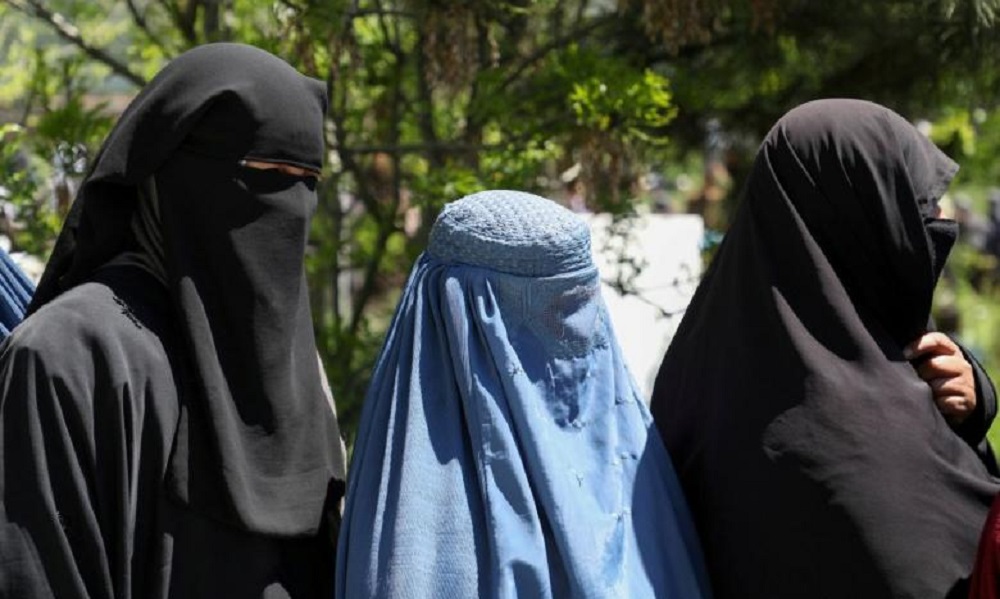
The Islamic Emirate of Afghanistan (IEA) on Saturday ordered women to wear the all-covering burqa in public.
The decree marks one of the strictest controls imposed on women since the IEA came into power in August.
The decree was read out at a press conference in Kabul.
“If the body is covered with any clothing, it is considered hijab, but it should not be so thin to expose the body and it should not be so tight to bring out the body parts,” the decree reads.
The statement said the measure was introduced “in order to avoid provocation when meeting men who are not mahram [adult close male relatives].”
The decree said older women and young girls were exempt but also stated that unless women had important work to attend to outside the house it was “better they stay at home.”
According to the decree, if a woman does not cover her face outside the home, her father or closest male relative could be imprisoned or fired from government jobs.





A 20-year-old Afghan migrant has been arrested in Germany over the alleged sexual assault of an 11-year-old girl inside a school toilet in the city of Koblenz.
According to prosecutors, the incident occurred on April 28 after the suspect and another man allegedly entered the school premises. Investigators say the suspect cornered the girl in the restroom while a second 19-year-old man allegedly restrained her during the attack.
The girl reportedly told her older sister about the incident two days later. Her family then located the suspect at a nearby residence and informed police.
German authorities arrested the suspect on May 4. He remains in pre-trial detention and has been charged with committing sexual acts against a child on school grounds.
The Koblenz prosecutor’s office confirmed the suspect’s Afghan nationality to German broadcaster SWR. Prosecutors also stated that the man had previously been under investigation in another alleged sexual offence case. He had earlier been fined for possessing a blank-firing pistol without a licence.
Police said the second suspect is still being investigated as a suspected accomplice and remains at large.
Authorities have not yet clarified how the two men allegedly gained access to the school property.
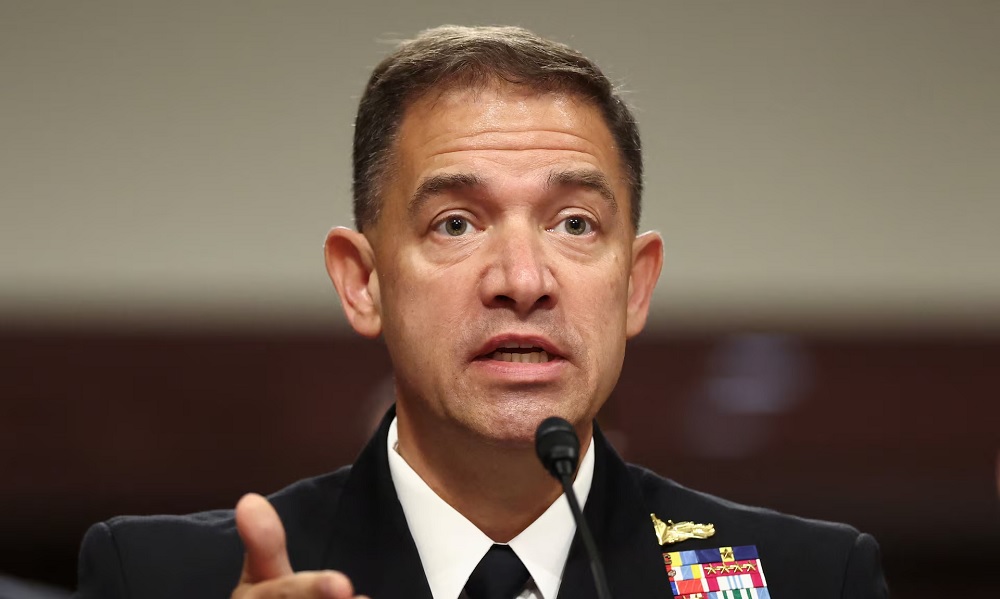
Brad Cooper, the head of U.S. Central Command (CENTCOM), told a U.S. Senate committee on Thursday that Afghanistan remains a major focus for Washington in terms of terrorist activity and regional security threats.
Speaking during a hearing before lawmakers, Cooper said Afghanistan continues to be “on the forefront” of U.S. monitoring efforts regarding militant groups.
“Afghanistan remains on the forefront of what we are watching in terms of terrorist activity,” he told the committee.
The CENTCOM commander added that the United States is working closely with regional partners to contain and suppress potential threats emerging from Afghanistan.
The remarks come as U.S. officials continue to express concerns over the presence of militant groups in Afghanistan following the withdrawal of American forces from the country in 2021.
The Islamic Emirate, however, has denied presence of militant groups in Afghanistan, emphasizing that it will not allow Afghan soil to be used against any other country.


Afghan migrant arrested over alleged assault of schoolgirl in Germany

Israel to sue New York Times over article on rape of Palestinian detainees, Netanyahu says

NEPA chief to attend UN urban forum in Azerbaijan

US CENTCOM chief says Afghanistan remains key terrorism concern

Trump says he is losing patience with Iran after talks with China’s Xi

New Afghanistan-China transport corridor launched via Turkmenistan

Bayat Power extends gas supply deal with Afghan Gas

Germany to launch online visa system for Afghan study and work applicants in Pakistan

Afghanistan moves toward self-sufficiency in car battery production

Airspace transit fees generate revenue for Afghanistan as flight routes shift

Saar: Problems of Afghan refugees in Iran discussed

Tahawol: Donald Trump’s trip to China discussed

Saar: Hopes for easing tensions between Kabul-Islamabad discussed

Tahawol: China’s optimism on Kabul–Islamabad talks discussed

Saar: IEA high-ranking delegation’s visit to Kazan discussed
-

 Latest News4 days ago
Japan announces MEXT scholarships for Afghan students for 2027 academic year
-
 Business2 days ago
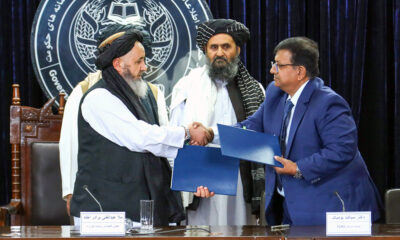
Afghanistan signs $46 million deal to develop standard laboratory complexes
-
 Latest News5 days ago
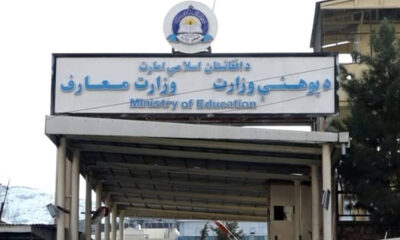
Afghanistan announces over 1,000 education ministry vacancies, prioritises returnees
-
 Latest News3 days ago
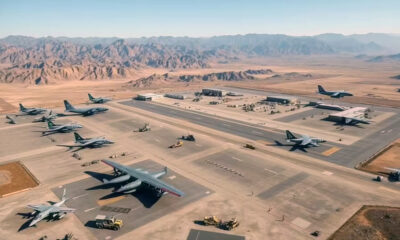
Iran allegedly relocates aircraft to Pakistan and Afghanistan amid US strike fears: CBS Reports
-

 Business4 days ago
Ariana Afghan Airlines lowers cargo rates on Kabul–Delhi route to boost exports
-
 Latest News4 days ago
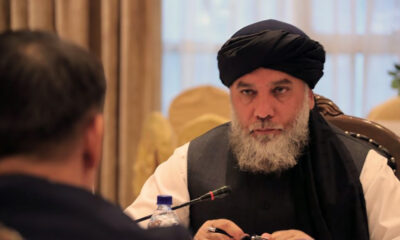
Afghanistan seeks closer trade cooperation with Uzbekistan
-

 Regional4 days ago
Trump rejects Iran’s response to US peace proposal as ‘unacceptable’
-
 Tahawol5 days ago
Tahawol: Afghanistan and Uzbekistan’s growing economic ties discussed