
Health
Afghans with TB ‘struggling’ to get accessible treatment: MSF


Afghanistan’s broken economy and dysfunctional health care system has left thousands of patients in a vulnerable situation across the country, especially people with tuberculosis (TB).
According to Doctors Without Borders/Médecins Sans Frontières (MSF) there is a critical shortage of advanced medical treatment available for TB patients, coupled with a widespread lack of knowledge about the disease.
One such example is Jawahira who was referred to MSF’s tuberculosis (TB) hospital in Kandahar earlier this year from a clinic in Daikundi, in central Afghanistan. “I used to visit private clinics, but instead of giving me TB medication, they usually just prescribed painkillers,” she said.
MSF’s 24-bed TB hospital in Kandahar is the only medical facility providing advanced TB care in southern Afghanistan. Many of the patients come from the nearby provinces of Helmand, Uruzgan, Nimroz and Zabul, but others travel from more than 500 kms away, from Farah, Daikundi, Badghis, Ghazni, and Paktika provinces.
“Our catchment area is so big, it is impossible to know exactly how many people are in it,” said MSF medical advisor Allieu Tommy. “Many travel from afar, and we support them by paying for transport costs, housing expenses, and food to alleviate some of the economic burden.” Without such incentives, most patients could not afford to come for treatment.
The cost of searching for treatment also took its toll on Jawahira. “My home is far away in Uruzgan, so when we went to see a doctor, I had to spend 6,000 Afghani ($67) for the car fare and then 13,000 ($146) for the drugs they gave me.”
The amount Jawahira spent on each visit to the doctor is about one-third of the average monthly income in Afghanistan. According to the World Bank, an estimated 60 percent of the country’s population is unemployed and has no income at all, exacerbated by sanctions and other financial measures against the Islamic Emirate of Afghanistan (IEA).
People often struggle to afford even basic food items, let alone travel expenses and medical fees for hospital visits. Meanwhile, the public health care system is under-resourced, under-staffed, and under-funded, MSF said.
The father of another patient at the Kandahar hospital, Hamdullah, said: “Our daughter Bibi is nine years old and has been sick since childhood, but we did not know of her illness — we had never heard the name TB before.”
MSF teams carry out regular health promotion activities in local communities in Kandahar to spread awareness about TB. They also provide information to patients and caretakers at the hospital in Kandahar.
“When a person arrives for the first time and learns that they have TB, we talk to them about what it is, how it’s transmitted, how to be careful around family members, and how long the treatment will take,” explained MSF nurse Taiba Azizi.
Providing this information is simple but effective. “Now I understand the symptoms and people back home know it is a dangerous disease,” said Hamdullah. “If somebody had seen her [Bibi] earlier, they would have said she would not recover. But now, we know she can get past this. She has already started to eat and walk. We hope she is getting better.”
MSF also tests a patient’s family for TB, as the disease is highly transmissible, particularly when people live close together.
MSF stated that some patients have a form of the disease that is resistant to conventional TB drugs and requires treatment that lasts nine to 12 months. This can be especially difficult to cope with during a hospital stay, far from friends and relatives. As a result, many patients stop their treatment early.
But next year, a six-month short course regimen will be rolled out that should make it easier for people to finish their treatment.
MSF has already set up a diagnose and treatment program that combines specialist inpatient care with supervised home-based treatment to help patients better cope with the regimens.
“What we offer is a system whereby a person spends the first 30 days in our facility under careful observation and, if they do not experience major adverse side effects from the drugs taken, they are discharged for homecare,” said Azizi.
“Our staff then do weekly follow-ups over the phone, so patients only need to come back to the hospital once a month to renew their medications and have an in-person consultation.”
Women and children are most vulnerable to TB
Over 70 percent of patients in MSF’s Kandahar TB hospital are women and children. “Women and children stay at home in dusty, poorly ventilated rooms for longer periods of time than men,” said Tommy.
“If a woman gets infected, the children are likely to catch the disease as well. Other cultural factors play a role too. Women whisper or speak in very low tones to one another, especially if men are in the room. Respiratory tract infections are then easily transmissible due to their proximity.”
An additional challenge for female patients is that they are generally required to be accompanied by a male family member to the hospital, and this coupled with the economic barriers can significantly reduce their access to health care.
It is estimated that TB and its resistant forms kill more than 13,000 people in Afghanistan every year.
Access to proper care remains a major challenge for patients in the southern part of the country, mainly due to insufficient medical infrastructure, length of treatment, and financial obstacles. While MSF’s TB hospital in Kandahar provides free quality treatment for many, the people of Afghanistan need a more robust and sustainable health care system to meet their many urgent needs, MSF stated.







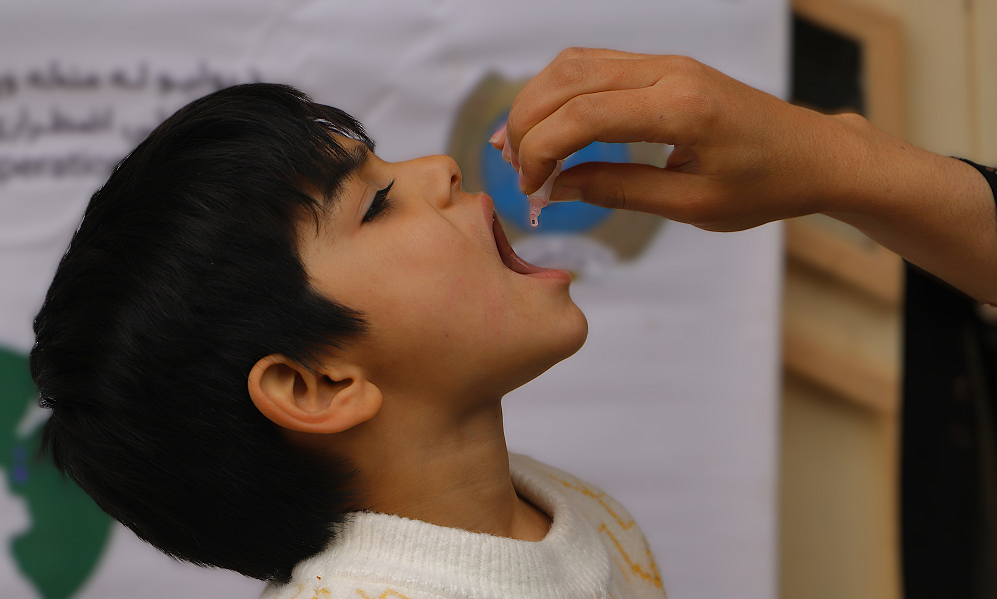
A nationwide polio vaccination campaign got underway across Afghanistan on Monday.
The four-day campaign aims to vaccinate around 12.77 million children under the age of five against polio.
Officials said the campaign is aimed at strengthening protection for children against polio and preventing the spread of the virus.
However, in the southern zone of the country, the polio vaccination campaign will begin one day later, on Tuesday, to ensure better implementation.
According to the information provided, Afghanistan has conducted one nationwide and two sub-national polio vaccination campaigns so far this year. The current campaign is the fourth of the year. In addition, localized campaigns and public awareness programs have also been carried out.
Officials said some environmental samples linked to the polio virus have tested positive. However, the Ministry of Public Health has not so far confirmed any human cases of polio.
According to officials, investigations into suspected cases are ongoing, and information on confirmed human cases will be shared once the assessments are completed and sufficient evidence is available.
Health
Afghanistan faces cancer treatment crisis
Spokesperson for the Ministry of Public Health, said dozens of cancer treatment centers are operating across the country.
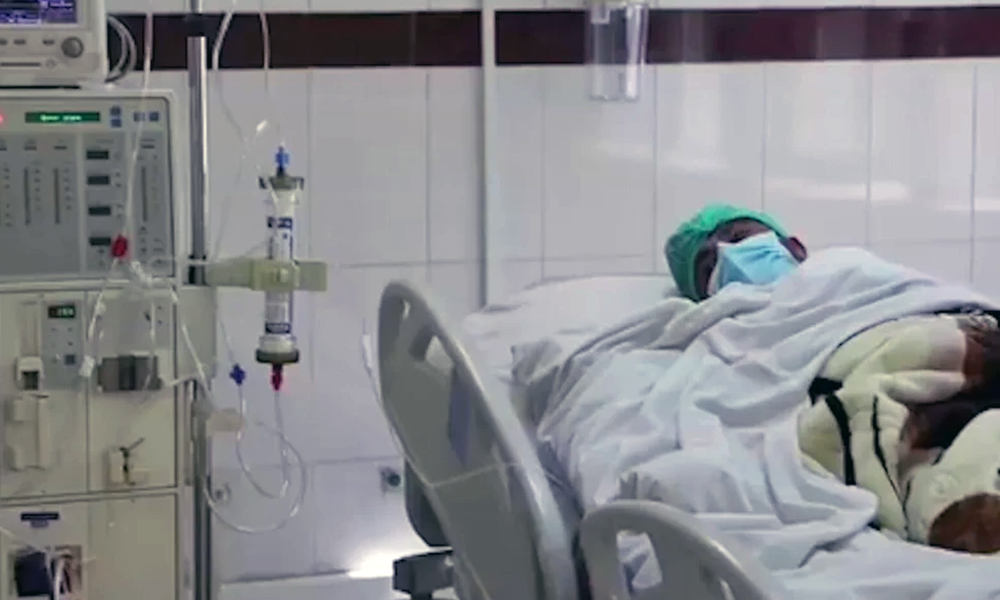
The Afghanistan Cancer Foundation has raised concern over the rising number of cancer cases across the country, saying at least 1.5 million people are currently suffering from the disease.
According to figures released on Saturday, September 11, about 50,000 new cases are recorded annually. The figures are based on data from the Ministry of Public Health and international organizations.
Shafiq Shinwari, head of the Afghan Cancer Foundation, said in a recent interview that breast and uterine cancers are among the most common cancers in women, while lung, stomach, prostate and colon cancers are widespread among men.
He said cancer is the second-leading cause of death in Afghanistan after heart disease.
Cancer specialist Dr. Rahim Gul Darwish identified smoking and tobacco use, poor hygiene and unhealthy diets as major factors contributing to the spread of the disease.
Meanwhile, Sharafat Zaman Amarkhail, spokesperson for the Ministry of Public Health, said dozens of cancer treatment centers are operating across the country. However, he acknowledged serious shortages of modern equipment and facilities needed to provide comprehensive treatment.
The situation has been further aggravated by the departure of hundreds of medical specialists and healthcare workers since the Islamic Emirate returned to power, according to reports.
Afghan patients have also faced growing difficulties accessing treatment abroad. Many previously travelled to Pakistan for cancer care, but border closures and restrictions on Pakistani visas have made access more difficult.
Doctors say cancer patients require continuous treatment and regular specialist care, warning that shortages of facilities and restrictions on cross-border travel are increasing the risks for patients.
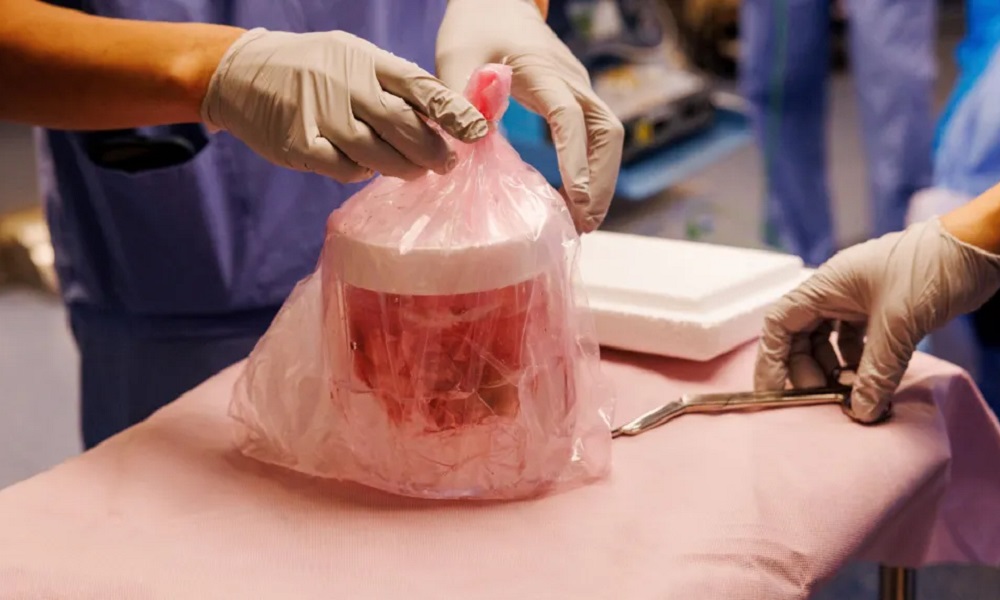
A genetically modified pig kidney has kept a 66-year-old man with end-stage kidney disease alive without dialysis for a record nine months, marking the first time a pig kidney has successfully served as a temporary “bridge” to a human kidney transplant.
Tim Andrews, from New Hampshire, was suffering from severe kidney failure caused by type 2 diabetes. Doctors said he had only a 9% chance of receiving a human kidney within five years, while facing a more than 40% risk of dying or being removed from the transplant waiting list.
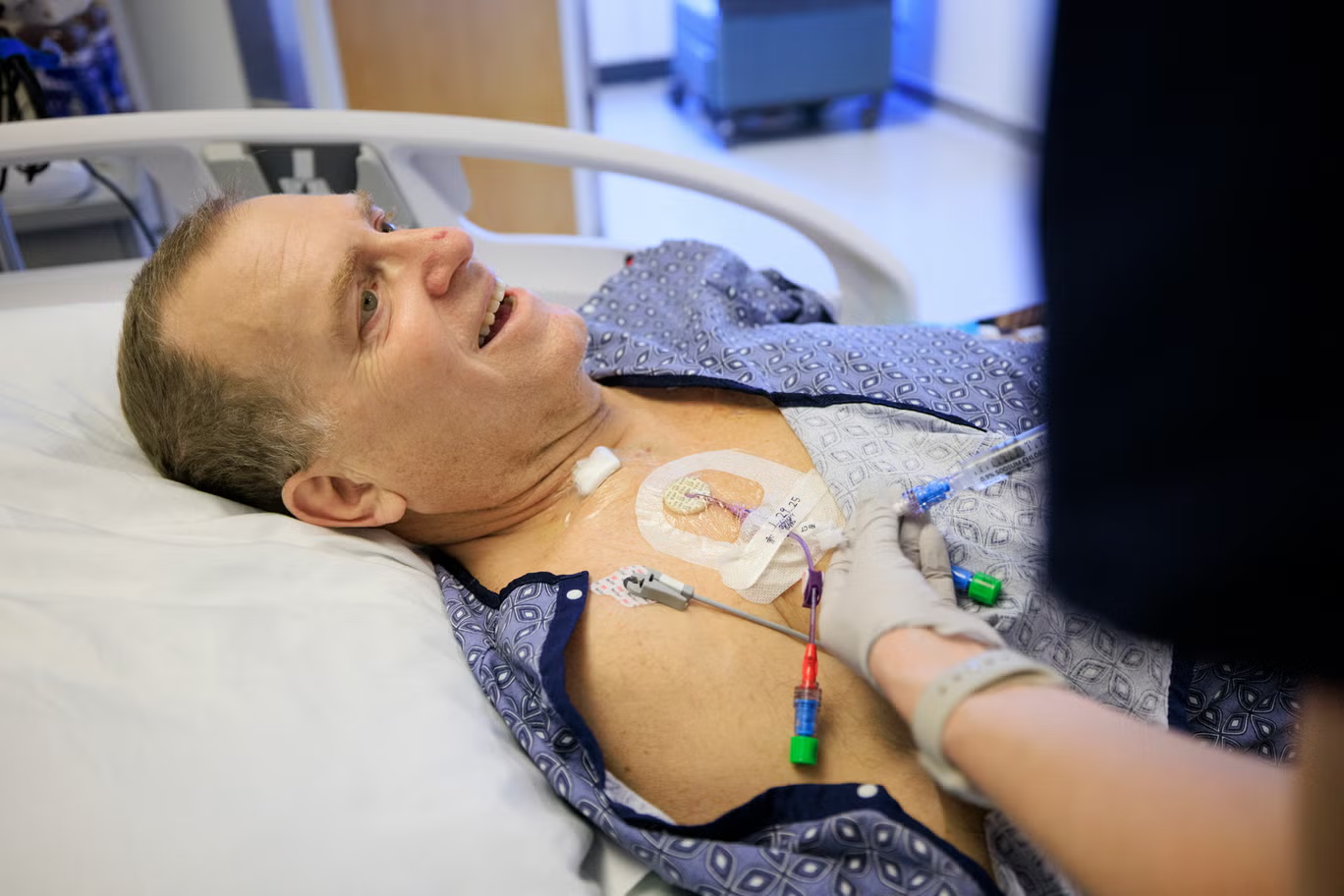
Tim Andrews preparing for surgery in January 2025
Surgeons at Mass General Brigham in Massachusetts transplanted a kidney from a genetically modified Yucatan miniature pig named Wilma into Andrews in January 2025. The kidney functioned for 271 days, allowing him to remain free of dialysis before it began to fail.
After the pig kidney was removed, Andrews spent several months back on dialysis before receiving a kidney from a deceased human donor. The human kidney was functioning well after six months of follow-up, according to findings published in the medical journal The Lancet.
The transplant represents the longest dialysis-free survival recorded following a pig kidney xenotransplant in a living person. It is also the first documented case in which a patient successfully moved from a pig kidney transplant to a human kidney transplant.
Before the procedure, Wilma’s genome underwent 69 genetic modifications. Some changes were intended to reduce the risk of viruses being transmitted to humans, while others were designed to make the pig kidney more compatible with the human immune system and reduce the risk of rejection.
Andrews described the procedure as a “miracle”, saying it allowed him to return to everyday activities. He said he was able to cook, vacuum and take long walks with his dog.
The development could offer a potential solution to the severe shortage of human organs available for transplantation. Kidney transplantation provides the best survival prospects and quality of life for patients with end-stage kidney disease, but the global demand for donor kidneys far exceeds the supply.
Dr Leonardo Riella of Mass General Brigham said the shortage of organs remains “the greatest crisis” in transplantation. He said genetically modified animal organs could initially be used to help patients avoid dialysis while they wait for a human donor kidney and could eventually become a long-term treatment option if their safety and durability are established.
The pig kidney began showing damage to its blood vessels after about six months, eventually leading to organ failure and its removal nine months after transplantation.
Doctors found no new antibodies against human tissue following the procedure, suggesting the pig kidney did not make Andrews’ subsequent human transplant more difficult. No pig viruses or other pig pathogens were detected at any point.
The researchers cautioned that the result is based on a single patient with no comparison group. They said the outcome also depended on careful patient selection and intensive specialist care that may not be available in all settings.
Further clinical trials will be needed to determine whether genetically modified pig kidneys can safely and reliably be used as a bridge for other patients facing long waits for human organs.
The researchers said the case nevertheless provides new evidence that pig kidney transplantation could help address the global organ shortage and potentially offer patients a way to remain off dialysis while waiting for a human kidney.


Afghanistan says 28 killed, 32 captured in Nuristan operation

Afghan bodybuilder Ali Bilal finishes runner-up at Mr Olympia for third straight year

UNDP, UN Women launch financing initiative for Afghan women entrepreneurs

Aimal Wali Khan calls Dera Ismail Khan attack a ‘state failure’

Trump rejects Iranian proposal to open Hormuz and end fighting

Saudi energy group signs major Afghanistan deals covering gas exploration and pipeline plans

Trump floats idea of renaming Atlantic or Pacific Ocean

US hits Egyptian bank branches with Iran sanctions as war marks six months

Nepal flood rescue mission enters critical phase as thousands remain missing

Iranian clubs to face Gulf opponents at neutral venues in Asian Champions League Elite

Saar: Concerns over Pakistan’s political crisis discussed

Exclusive interview with Abdul Latif Mansoor, Minister of MRRD

Tawsia: Overview of Afghanistan’s iron mines

Tahawol: Discussion on fresh Pakistani airstrikes on Afghanistan

Saar: Calls for international support for Afghanistan discussed
-

 Latest News4 days ago
Ariana Afghan Airlines ranks seventh among 45 Central Asian airlines
-

 Regional4 days ago
US and Iran hold first talks since June after Trump’s ‘annihilation’ threat
-

 Regional3 days ago
Iran airlines cancel flights as US sanctions hit
-

 Latest News4 days ago
Silk Road highway in Wakhan corridor now reaches the China border
-
 Business4 days ago
Afghanistan, Turkmenistan agree to establish joint road transport commission
-

 Latest News4 days ago
India condemns Pakistani airstrikes on Afghanistan
-

 Sport3 days ago
Afghanistan open Asian Games cricket campaign with win over Japan
-

 World3 days ago
Trump welcomes Chinese President Xi as US-China summit gets underway