
Latest News
US identifies Kabul airport suicide bomber

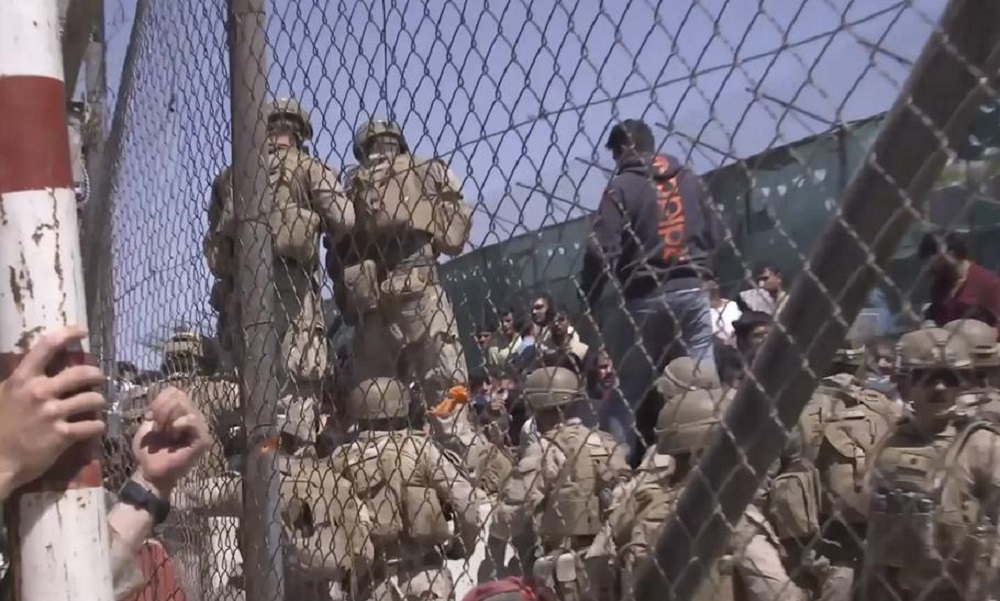
The U.S. military has for the first time publicly named the suicide bomber behind the deadly attack at Kabul airport during the chaotic final days of the American withdrawal from Afghanistan in 2021.
The identification was part of findings from a supplemental review ordered by U.S. Central Command to build on the military’s initial investigation by taking into account information and claims that have since surfaced.
The review also found that members of a Marine scout sniper platoon at the airport who believed they had the bomber in their crosshairs were mistaken, and they would not have been able to prevent the attack, ABC News reported.
In a recent briefing with reporters about the review, U.S. officials identified Abdul Rahman al-Logari as the perpetrator of the attack that killed 13 American service members and some 170 Afghans on Aug. 26, 2021.
Al-Logari had been a member of Daesh-Khorasan since 2016, according to a member of the review team from the US army.
At one point he was detained by coalition forces and held in custody, according to the review official.
Daesh claimed responsibility for the attack at Abbey Gate shortly after the bombing, praising al-Logari for committing the attack.
Republican Congress members have repeatedly raised the possibility the bombing could have been prevented in their attacks on the Biden administration’s handling of the withdrawal, largely based on testimony from former Marine Sgt. Tyler Vargas-Andrews, a member of one of the sniper teams providing overwatch near Abbey Gate.
In a March 2023 House Foreign Affairs Committee hearing, Vargas-Andrews claimed his team had a suspicious man matching a description of the suspected Abbey Gate suicide bomber in his sights before the deadly explosion on Aug. 26. He said they were denied permission to fire and prevent the blast, which claimed two of his own limbs.


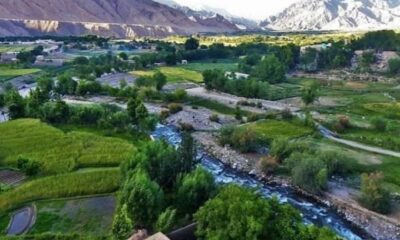


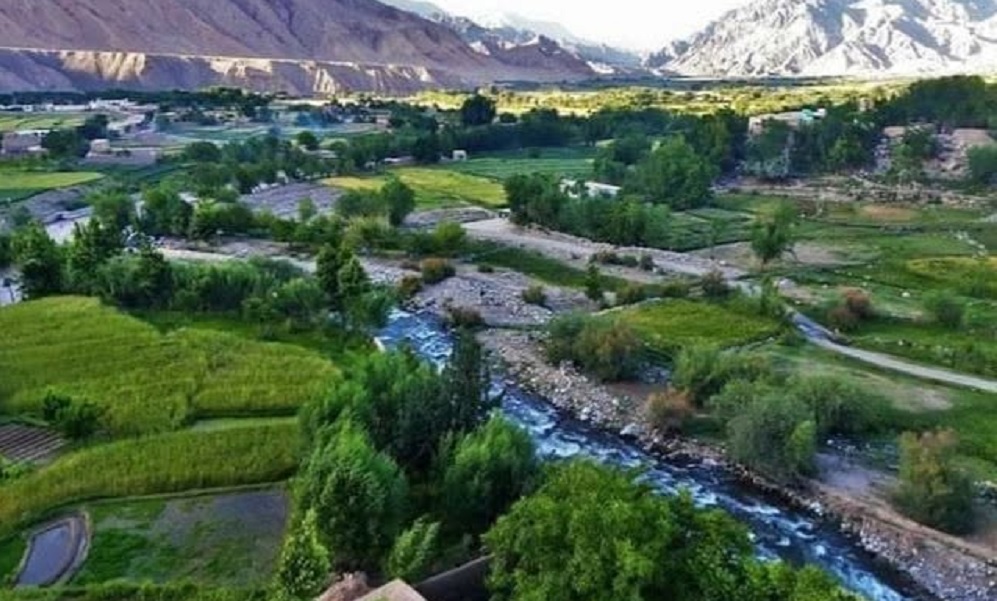
Security officials in Afghanistan’s Baghlan province say an armed clash between members of two families over a personal dispute and access to water for agriculture in Tala wa Barfak district has left four people dead and one injured.
Ismail Ayubi, police chief of Tala wa Barfak district, said the incident took place in the Dewalk area of Barfak, a remote part of the district.
He said the main cause of the clash was a dispute between the two families over the use of agricultural water.
Baghlan police said that, due to the lack of mobile network coverage in the area, a local resident traveled to an area with network access to report the incident to security forces.
Following the report, security forces took the necessary steps to respond to the incident. Officials said those involved in the clash fled the area after the incident, and no one has so far been arrested.
The district police chief said efforts are ongoing to identify and arrest those responsible. Security forces are also working to maintain public safety and prevent further insecurity in the district.
An investigation into the circumstances of the clash and the identification of those involved is ongoing.
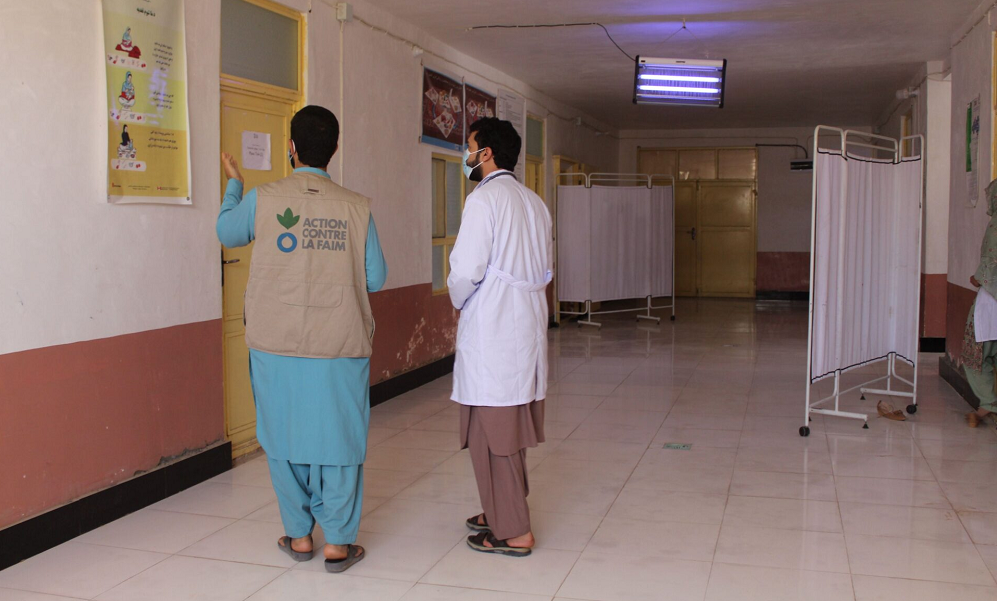
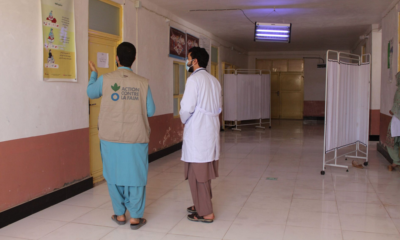
Children recovering from malnutrition in Afghanistan often return to households that lack the resources to provide the nutritious food they need to fully recover and grow, Action Against Hunger has warned.
The organization said recurrent drought, poverty, food insecurity and limited household incomes are making it difficult for families to prevent children from falling back into malnutrition after completing treatment.
However, repeated drought and other climate-related shocks have reduced harvests and household income, leaving families struggling to provide adequate nutrition for their children.
Action Against Hunger said the situation highlights the need to go beyond treating malnutrition and address the underlying causes of hunger and poverty.
The warning comes as malnutrition cases continue to rise across Afghanistan. In June 2026, the Therapeutic Feeding Unit in Kabul recorded 142 new admissions, a 149 percent increase compared with the same period in 2025.
Similar increases have been reported in other provinces where Action Against Hunger operates. In Lashkar Gah, Helmand province, the organization expanded the capacity of its therapeutic feeding unit from 45 beds to 72 and then to 118 within a matter of weeks due to the sharp rise in cases.
Action Against Hunger said climate-related shocks, including severe winter conditions, drought and water shortages, have further weakened food security across the country. Water shortages have damaged agricultural production in rural areas, forcing some families to leave their homes in search of livelihoods and basic necessities.
The organization stressed that sustained investment in both emergency nutrition services and longer-term livelihood programmes is needed to help families break the cycle of poverty and recurrent malnutrition.
Cobi Rietveld, Afghanistan Country Director at Action Against Hunger, said addressing the root causes of hunger is essential for achieving lasting progress against malnutrition.
“When families have the means to earn a living and provide for their children, the benefits extend far beyond nutrition,” Rietveld said, adding that livelihood support can help families meet their needs with dignity, protect children’s futures and build resilience against future crises.
Latest News
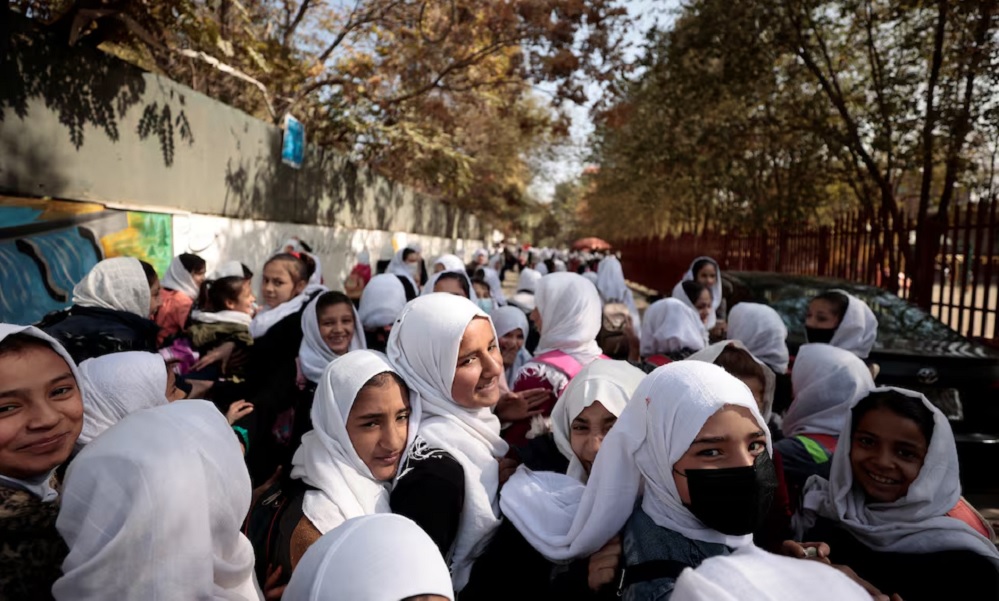
UNESCO: 2.4 million Afghan girls denied education since 2021
UNESCO estimates that the ban could force around 600,000 Afghan women out of the workforce by 2066 and cause $9.6 billion in lost income. It could also increase the risk of early marriage.


Afghanistan to host India for three-match T20I series in Delhi

Water dispute in Baghlan leaves four dead

Afghan children return from malnutrition treatment to food-insecure families

UNESCO: 2.4 million Afghan girls denied education since 2021

New attacks on shipping as Iran war talks hit fresh impasse

Pakistan’s governance system has ‘collapsed’: Mohsin Naqvi

Spain sweep FIFA World Cup player awards after historic triumph

Mango growers suffer heavy losses as exports fall and climate takes its toll

Iran, Afghanistan and Tajikistan discuss expanding regional transit cooperation

Afghan health minister, Gavi discuss expanding routine immunization

Tahawol: Hamid Karzai’s call for Afghan reconciliation discussed

Saar: Preparations for IEA’s fifth anniversary discussed

Tahawol: Iran’s acknowledgment of Afghanistan’s cooperation discussed

Saar: Five years of Islamic Emirate rule in Afghanistan reviewed

Tahawol: Afghanistan: An Alternative to the Strait of Hormuz?
-

 Sport3 days ago
Afghanistan secure direct qualification for 2027 Men’s ODI World Cup
-
 Regional4 days ago
Goods transporters to go on strike from Saturday after talks with Pakistan govt fail
-
 Latest News3 days ago
Pakistan-backed armed groups in Balochistan using former Afghan government forces: report
-

 Sport4 days ago
Rashid Khan takes six as Afghanistan thrash Ireland by 92 runs
-
 World4 days ago
US Senate passes Russia sanctions championed by Graham; US House next
-

 Business5 days ago
Uzbekistan, Kazakhstan target Afghanistan in push to expand regional trade
-
 Sport2 days ago
Abasin Defenders stun Kabul Zalmi in Kabul Premier League
-

 Latest News4 days ago
Moldova president criticizes visa approval for IEA delegation