
Latest News
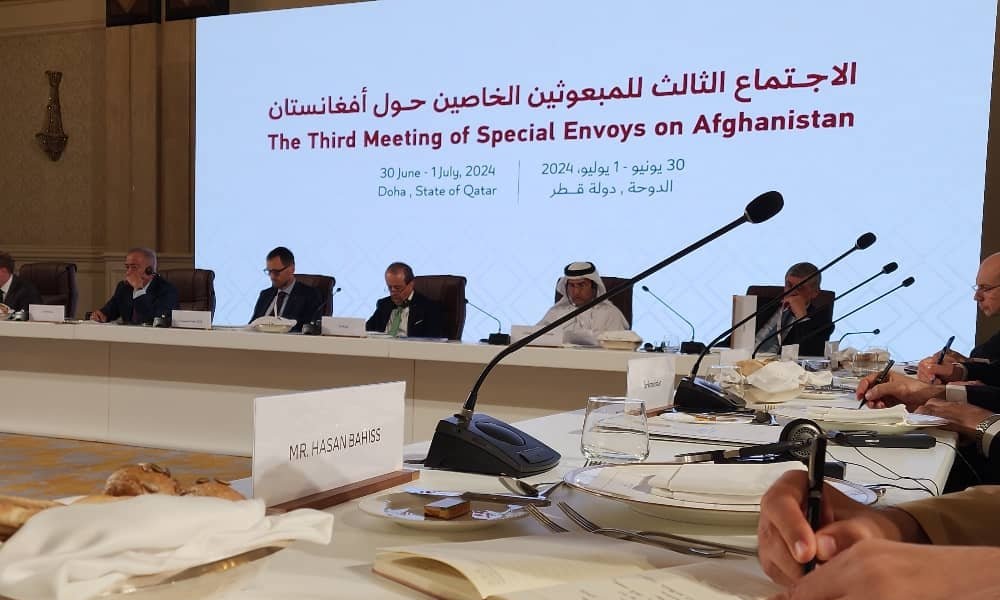
IEA delegation meet envoys from regional countries on sidelines of Doha meeting
During the meetings, ways to enhance stability and peace in Afghanistan and support the aspirations of the Afghan people for a decent life were discussed, and the importance of the Doha process to achieve the desired progress was emphasized.


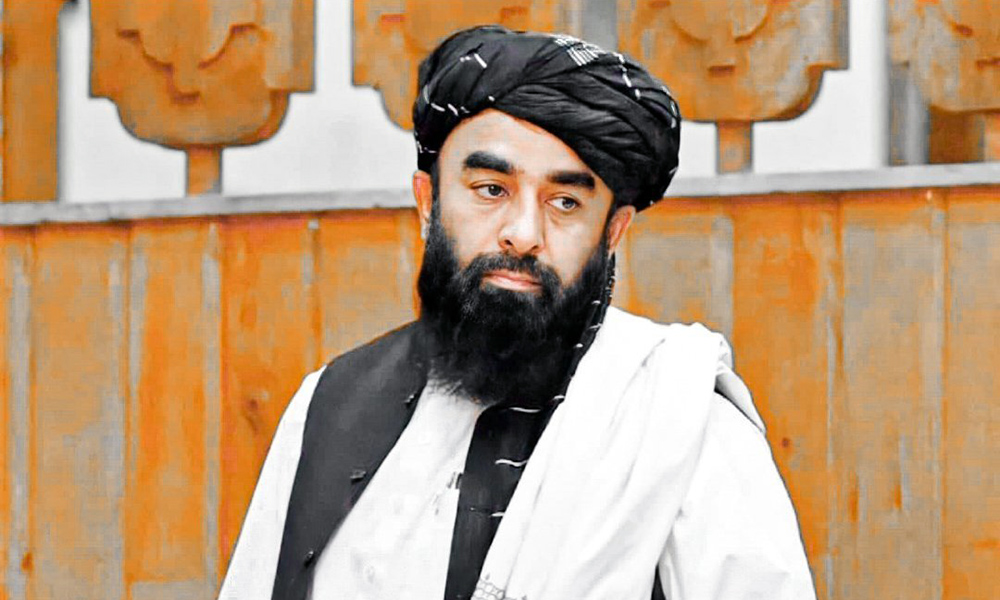
Zabiullah Mujahid, spokesman for Islamic Emirate of Afghanistan said in a series of posts on X that he had constructive meetings with special envoys of regional countries and discussed mutual relations and how to further strengthen ties.
Mujahid said he had a constructive meeting with the special representative of Pakistan Asif Durrani and Pakistan’s ambassador and diplomats to Doha.
“We thank them for their hospitality and hope for good and constructive relations for both countries,” Mujahid said.
Earlier, Mujahid said a quadrilateral meeting between Uzbekistan, Afghanistan, Pakistan and Qatar was held in Doha on Monday.
In this meeting, the Trans Afghanistan Railway Project, from Uzbekistan to Pakistan, was discussed.
All parties requested the early start and completion of this project, Mujahid said.
He also stated that he had met with Iranian special envoy Hassan Kazemi Qomi.
This meeting went well, said Mujahid, and that discussions had cenetered around the strengthening of ties and the overall importance of regional connectivity and cooperation.
The special envoy of Qatar’s minister of foreign affairs, Faisal bin Abdullah Al Hanzab meanwhile met separately with Special Representative of the UN Secretary-General for Afghanistan, Roza Otunbayeva; Special Representative of the President of the Republic of Uzbekistan for Afghanistan, Esmatullah Erkashev; and Special Envoy of Switzerland for Afghanistan Albert Grof.
During the meetings, ways to enhance stability and peace in Afghanistan and support the aspirations of the Afghan people for a decent life were discussed, and the importance of the Doha process to achieve the desired progress was emphasized.
Russian ambassador at the UN Vasily Nebenzya meanwhile said: “Taliban [IEA] is de facto authorities on Afghanistan, and we’ve been saying consistently that you have to recognize this fact and deal with them as such. Because whether you like it or not, but this movement is running the country now. And you cannot simply ignore that.”
Asked about how far Russia is from removing IEA from the sanctions list, ambassador Nebenzya said: “I cannot tell you a definite answer. But I heard some talks about it. But generally speaking, it is good that Taliban [IEA] was finally invited to Doha this time.”
Related stories:
UN keeps identity of Afghan activists at Doha meeting under wraps
Mujahid sums up Doha meeting, says most countries willing to cooperate with Afghanistan




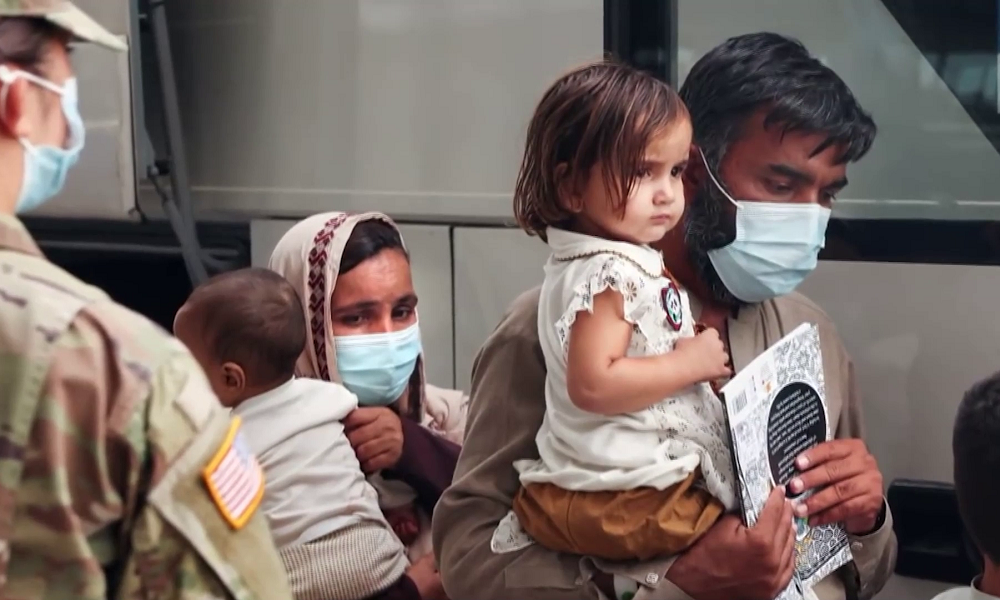
Hundreds of former U.S. officials are calling on Washington to cancel a reported plan to relocate Afghan refugees from Qatar to the Democratic Republic of the Congo.
In an open letter addressed to the U.S. State Department, more than 600 former civilian and military officials, along with around 100 organizations, urged the administration to stop the proposed transfer. The letter was sent to Marco Rubio.
The signatories argue that the Afghan nationals in question were brought to Qatar by the United States to complete legal immigration procedures after undergoing extensive security vetting. The letter states that while the individuals were cleared for resettlement in the United States, they are now being considered for relocation to Congo, a country for which they were never screened.
“Those individuals were vetted and approved for the United States, not for the Democratic Republic of the Congo,” the letter reads.
According to the report, more than 1,100 Afghan allies and their family members are currently being held at Camp As Sayliyah in Qatar under U.S. supervision. Around 800 of them have already completed all security checks and received authorization to travel to the United States. More than half are women and children, and many have remained in transit limbo for over 15 months.
The situation has drawn criticism from former officials and policy observers, who describe the proposed relocation as a betrayal of Afghan allies who supported U.S. missions and risked their lives during the war in Afghanistan. Critics also warn that the move could damage U.S. credibility with future partners.
Several members of the U.S. Congress had previously expressed opposition to the proposal, cautioning that it could significantly undermine trust in the United States among its allies.
Latest News
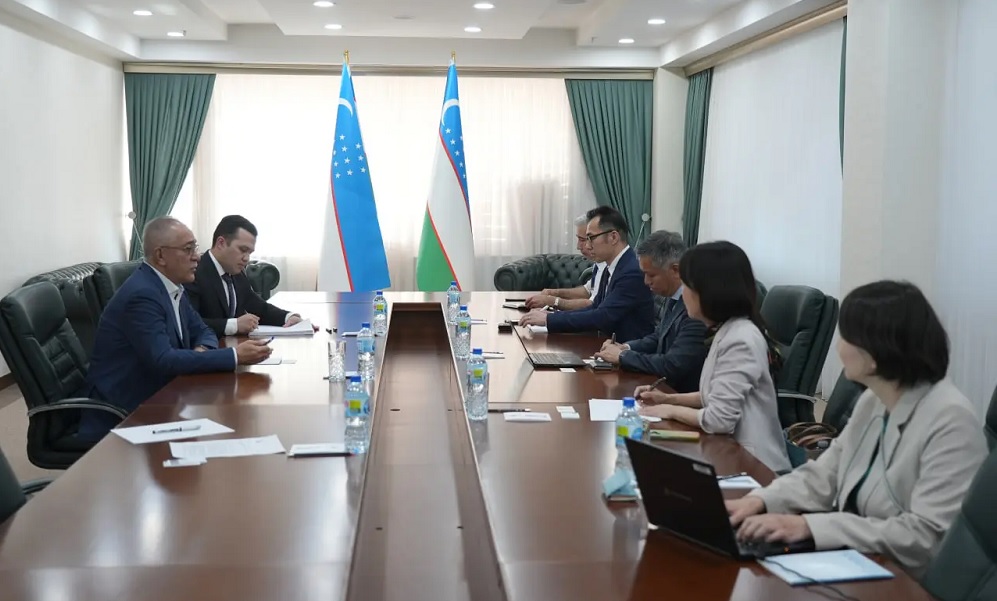
Uzbekistan and Japan discuss joint projects for Afghanistan’s socio-economic development


Tawsia: Discussion on Afghanistan’s economic path and position

Former US officials urge halt to plan relocating Afghan refugees from Qatar to Congo

James Webb Telescope captures clearest-ever view of exoplanet’s surface

Ex-Pakistan envoy Durrani urges non-interference in Afghanistan’s internal affairs

New Afghanistan-China transport corridor launched via Turkmenistan

Bayat Power extends gas supply deal with Afghan Gas

Etihad Airways to expand Kabul–Abu Dhabi flights to daily service amid surging demand

Afghanistan’s new cricket head coach Richard Pybus arrives in Kabul

Afghanistan moves toward self-sufficiency in car battery production

Germany to launch online visa system for Afghan study and work applicants in Pakistan
Tawsia: Discussion on Afghanistan’s economic path and position

Tahawol: Pressure on Afghan refugees from Tajikistan to Europe discussed

Saar: Ongoing criticism of Pakistan’s Afghanistan policy discussed

Tahawol: Diplomatic turn in Iran–US confrontation discussed

Saar: Expanding interaction between countries and IEA discussed
-
 Sport5 days ago
Afghanistan set for Maldives four-nation tournament
-

 Business5 days ago
Kazakhstan grain exports to Afghanistan jump sharply
-

 Regional5 days ago
US plans operation to assist ships stranded in Strait of Hormuz
-
 Latest News5 days ago
Leadership reshuffle announced across Afghanistan’s admin and security sectors
-
 Latest News4 days ago
Pakistan’s Achakzai pushes for Afghanistan dialogue amid economic strain
-
 Business3 days ago
Afghanistan presses Chinese contractor over delays in Mes Aynak copper project
-
 Latest News4 days ago
Food prices surge 20% in Afghanistan as Hormuz crisis disrupts supply routes
-
 Business3 days ago
Uzbekistan launches new cargo corridor linking China and Afghanistan