
Latest News
Three Afghan migrants freeze to death near Iran border
Amnesty International this week urged countries to halt forced returns to Afghanistan, citing a “real risk of serious harm” to those sent back.

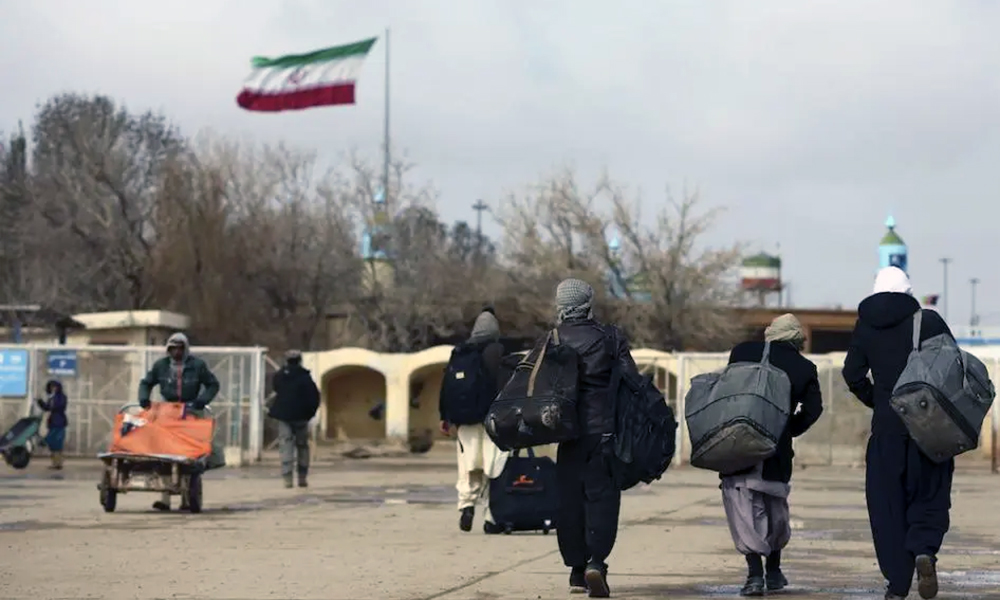
Three Afghan migrants have died from exposure while attempting to cross illegally into Iran amid freezing temperatures in Afghanistan’s western province of Herat, an Afghan army official said on Saturday.
The victims were part of a group that tried to cross the Iran–Afghanistan border earlier this week but was stopped by Afghan border forces. “Three people who wanted to illegally cross the border died due to the severe cold,” the official told AFP, speaking on condition of anonymity.
He added that the body of a shepherd was also discovered in the mountainous Kohsan district, apparently after succumbing to the extreme weather. Search operations were carried out on Wednesday night, but the bodies were recovered the following day.
The incident comes as Afghanistan faces a sharp rise in returnees from neighboring countries. According to the UN refugee agency (UNHCR), more than 1.8 million Afghans were forced to return from Iran between January and the end of November 2025, with most cases described as “forced and coerced returns.”
UNHCR has warned that the large-scale returns, often carried out under harsh conditions, are placing enormous strain on Afghanistan’s already fragile services and resources, increasing the risk of renewed displacement, including further migration back to Iran and Pakistan.
Amnesty International this week urged countries to halt forced returns to Afghanistan, citing a “real risk of serious harm” to those sent back.
Afghanistan is grappling with overlapping crises, including the aftermath of two major earthquakes in recent months, heightened vulnerability to climate change, and ongoing international sanctions.
The United Nations has condemned restrictions on women and girls—excluding them from many jobs and public spaces—as “gender apartheid.”
Meanwhile, the UN World Food Programme says more than 17 million people across the country are currently facing acute food insecurity.

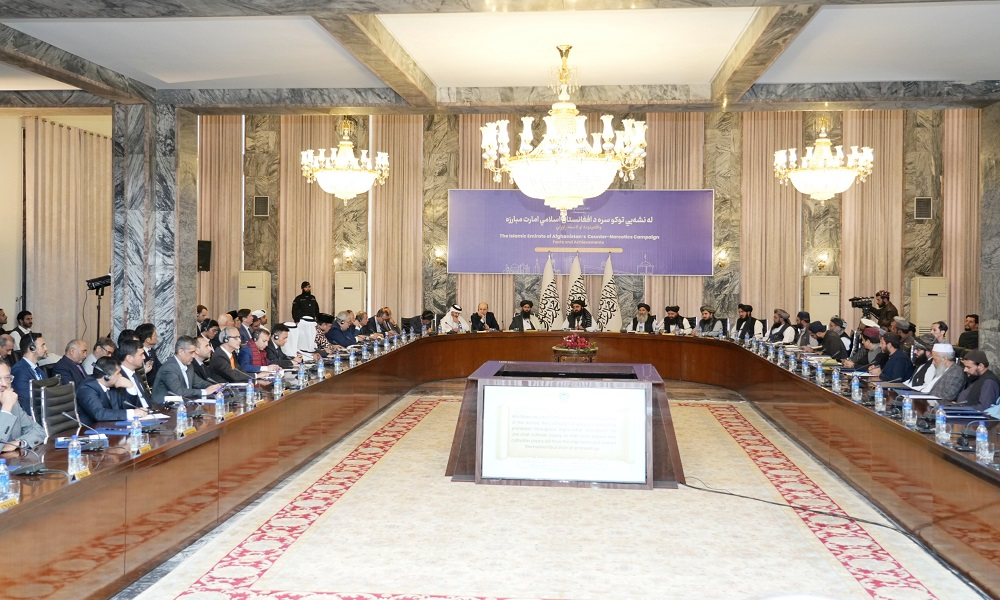
Afghanistan’s Ministry of Foreign Affairs says more than 25,000 anti-drug operations have been conducted in the country in 2026, resulting in the destruction of 26,500 hectares of poppy and cannabis crops and the arrest of 10,065 suspects.
The figures were announced at a meeting in Kabul titled “The Islamic Emirate of Afghanistan’s Fight Against Drugs: Facts and Achievements,” hosted by the Ministry of Foreign Affairs and attended by Islamic Emirate officials, foreign diplomats and representatives of international organizations.
Abdul Rahman Munir, deputy minister for counter-narcotics at the Ministry of Interior, said the operations also led to the discovery and closure of 301 drug-processing laboratories, two chemical pill factories and 15 alcohol-producing factories.
Foreign Minister Amir Khan Muttaqi said the enforcement of the decree banning drug cultivation, production, processing, trafficking and use reflected the authorities’ position on combating narcotics.
Muttaqi also raised concerns over widespread drug cultivation in Afghanistan’s neighboring countries and the trafficking of narcotics from those areas. He said international cooperation was necessary for the anti-drug campaign to achieve its objectives.
Meanwhile, Mohammad Naeem, the Foreign Ministry’s deputy minister for finance and administration, stressed the need to provide alternative livelihoods for farmers, support health centers, strengthen technical assistance and improve regional coordination to sustain progress in counter-narcotics efforts.
The meeting concluded with calls for continued efforts to combat drugs, expand alternative livelihood opportunities for farmers and strengthen regional and international cooperation.
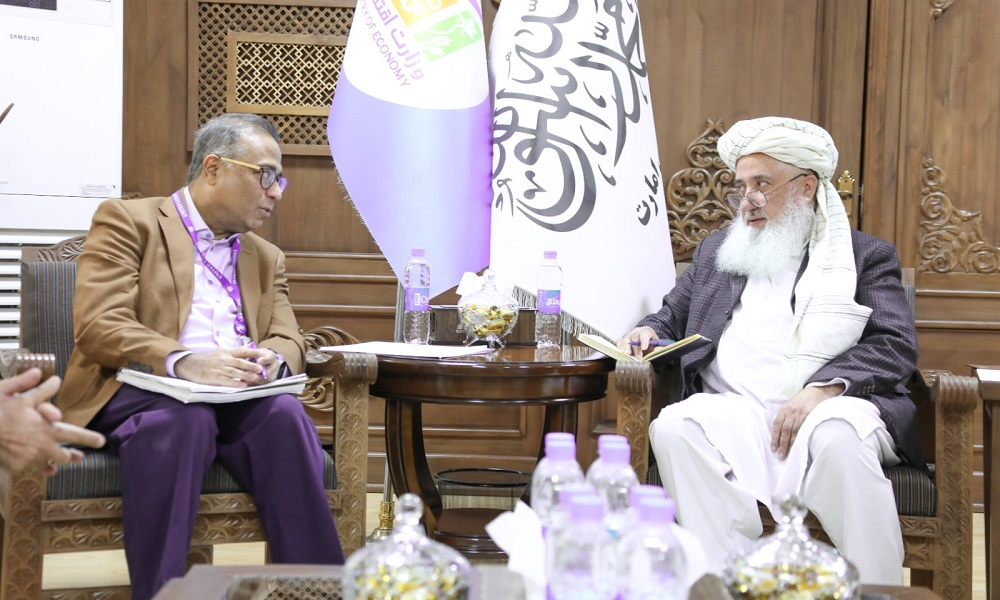
Afghanistan’s Minister of Economy, Din Mohammad Hanif, met on Tuesday with Turhan Saleh, the United Nations Development Programme (UNDP) Resident Representative in Afghanistan, to discuss expanding development cooperation, supporting the private sector and implementing development projects.
According to the Ministry of Economy, Hanif said sanctions, the freezing of Afghanistan’s foreign exchange reserves, the United Nations’ non-recognition of the Islamic Emirate and the suspension of international development assistance had affected the country’s economic development.
He also highlighted economic growth, increased domestic production, efforts to combat drug cultivation and water resource management. Hanif identified climate change and the large-scale return of migrants as additional factors putting pressure on the country’s economy and society.
The minister said providing shelter and building roads, schools, clinics and water supply networks for returnees were among the government’s priorities. He added that infrastructure and production projects could help create jobs, increase household incomes, reduce poverty and support sustainable economic growth.
Meanwhile, Saleh welcomed Afghanistan’s economic achievements over the past five years and reaffirmed UNDP’s commitment to continuing development cooperation with the country.
He also expressed the organization’s readiness to support efforts to combat drug cultivation, construct check dams, implement development projects, provide training programmes and support small businesses and the private sector.
The meeting concluded with both sides emphasizing the need for stronger coordination and continued cooperation to expand economic opportunities, create jobs and promote sustainable development in Afghanistan.
Latest News
Pakistan’s Jamaat-e-Islami leader says regional alliance could help resolve Afghanistan issue
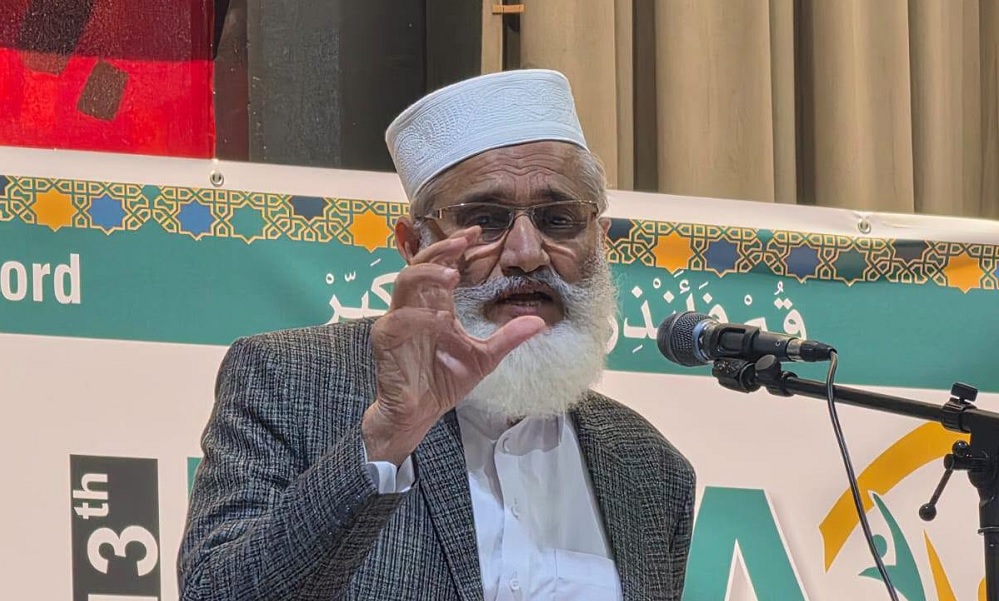
Siraj ul Haq, leader of Pakistan’s Jamaat-e-Islami party, has called for closer cooperation among Pakistan, Saudi Arabia, Türkiye and Iran, saying an alliance among the four countries could help address the Afghanistan issue and promote peace and stability across the region.
In a post on X, Haq said the proposed alliance could also help address challenges facing the Muslim world, including issues related to Iran, Kashmir and Gaza, and support efforts towards the liberation of Al-Quds (Jerusalem).
He urged Muslim countries to move beyond verbal statements and demonstrate practical unity by taking concrete steps to support Palestinians, protect oppressed Muslims and resolve shared challenges.
Haq’s remarks come after senior officials from Saudi Arabia, Iran, Türkiye and Pakistan met in Tehran on Monday.


Tahawol: Emphasis on security cooperation at Tehran talks discussed
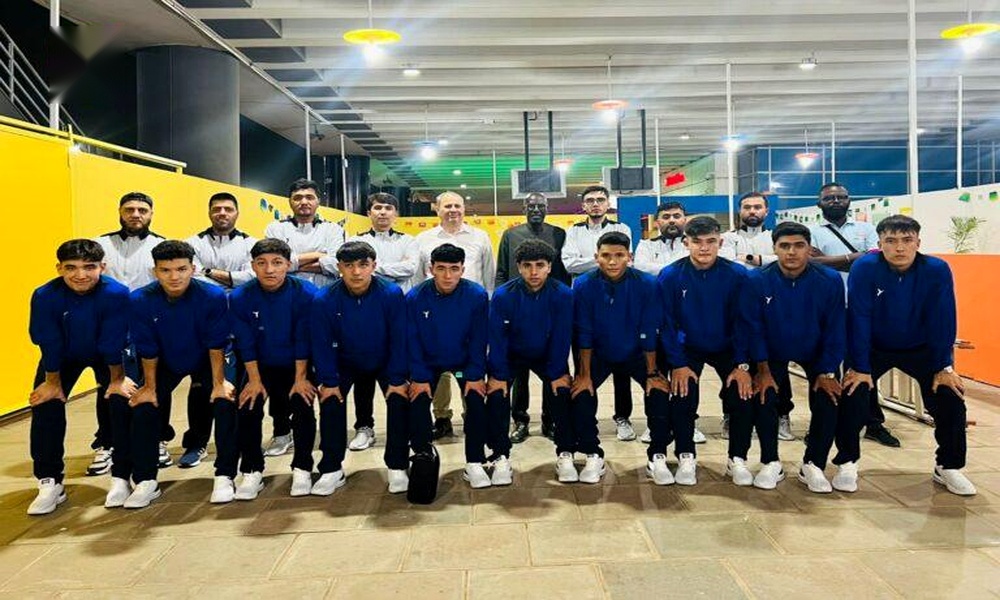
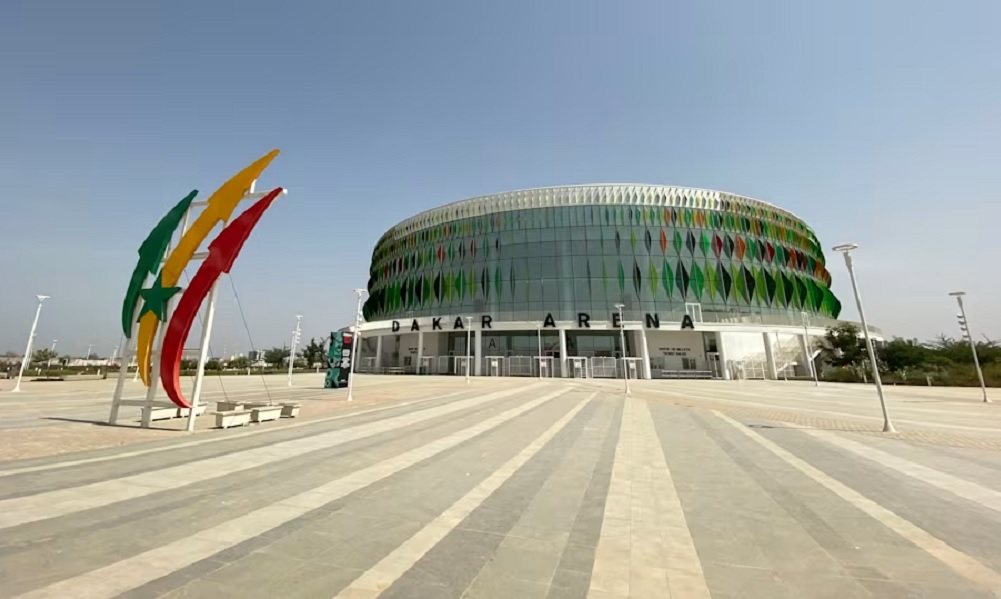
Afghanistan U-18 futsal team in Senegal ahead of Youth Olympic Games
Afghanistan reports over 25,000 anti-drug operations in 2026
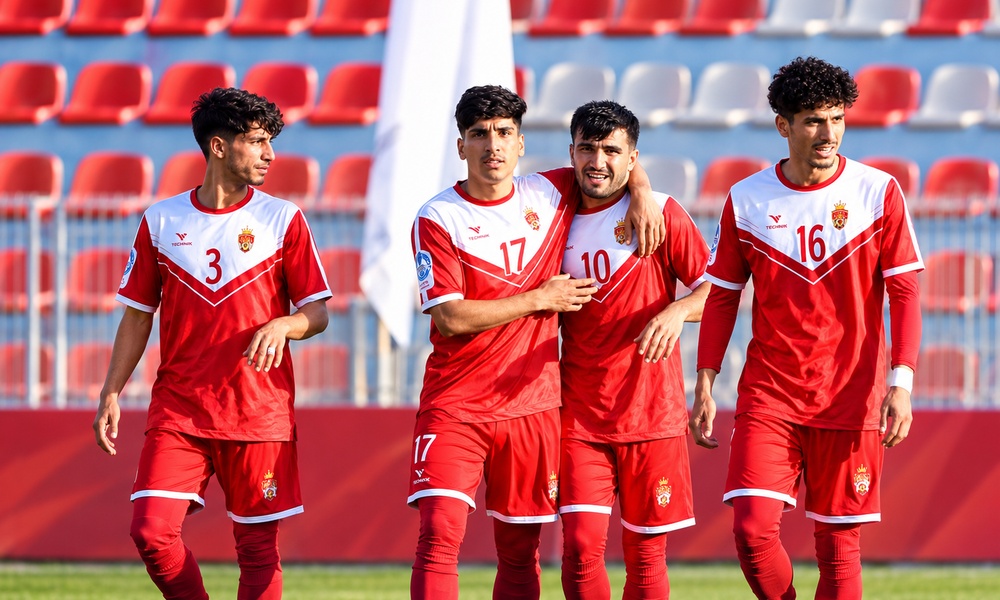
Sorkh Poshan Khafi cruise to 3–0 win over Toofan Herat in ACL season six
Afghanistan’s economy minister, UNDP representative discuss development cooperation

Cricket Bonanza: Afghanistan set for packed international schedule

Afghanistan on climate front line as Kabul faces groundwater warning

ACB announces Afghanistan squads for Bangladesh, Zimbabwe series

Afghanistan to face Pakistan, India and Australia at 2027 Cricket World Cup

Four members of one family killed in Helmand in Pakistan airstrike
Tahawol: Emphasis on security cooperation at Tehran talks discussed
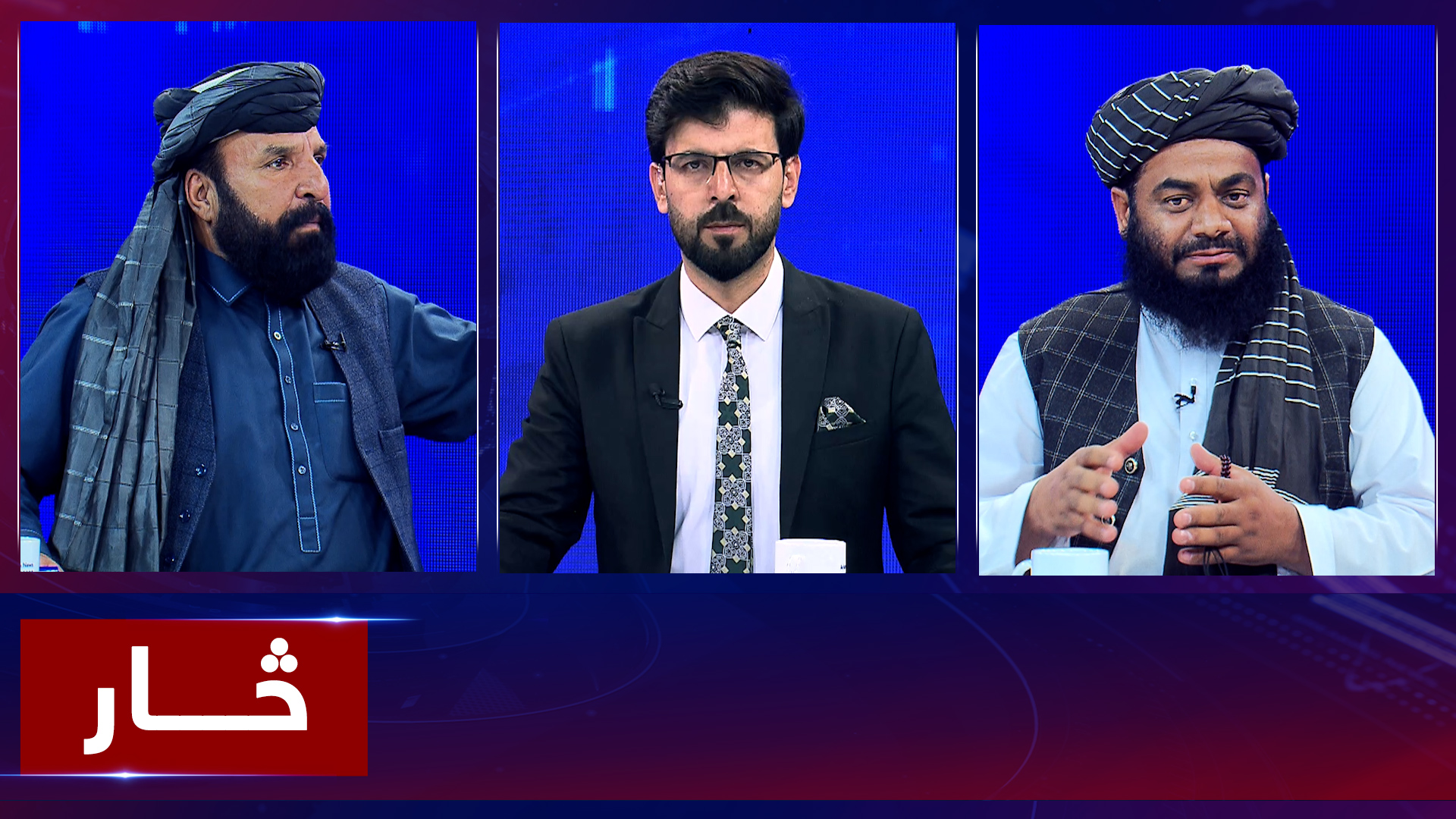
Saar: Pakistan threatening strikes on Afghanistan

Iran says outcome of Israeli elections ‘makes no difference’
Houthis attack Saudi Arabia before high-stakes talks in Tehran
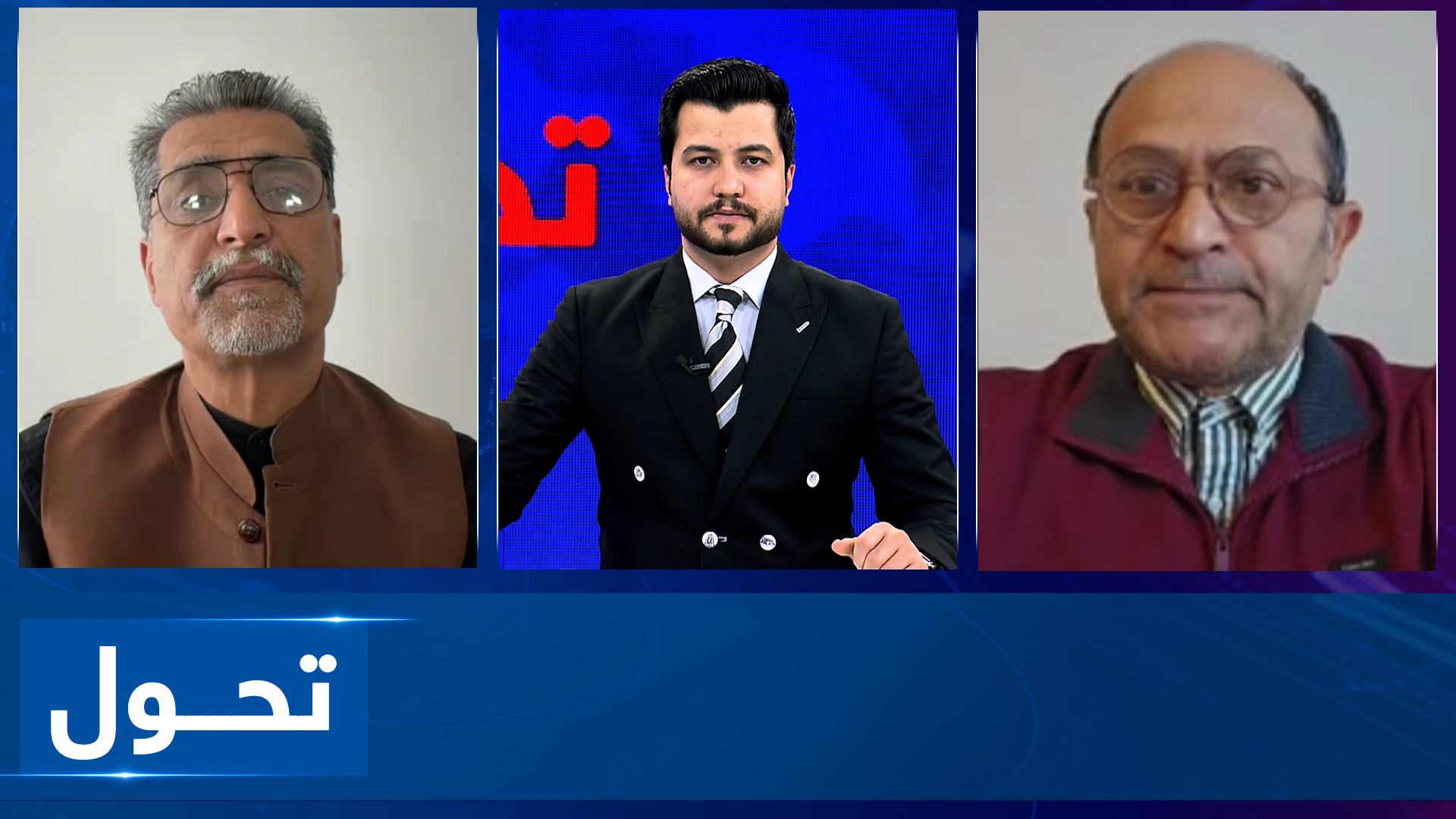
Tahawol: Ukraine war and ongoing peace efforts
-
 Latest News4 days ago
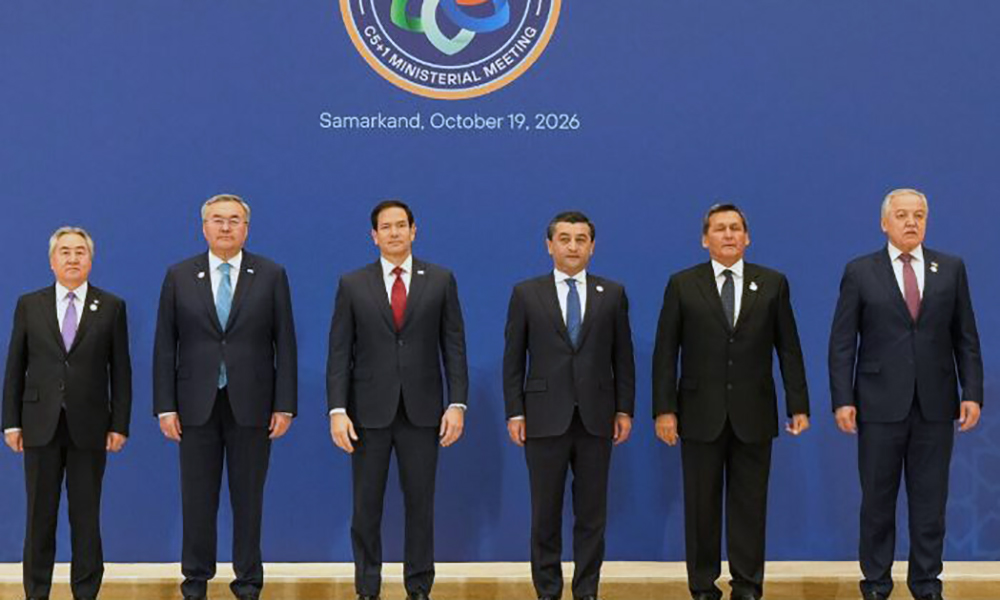
US Central Asia strategy faces challenges linked to Afghanistan’s political and security situation
-
 Business5 days ago
Pakistan exporters suffer billions in losses as Afghanistan trade halt continues
-
 Sport4 days ago
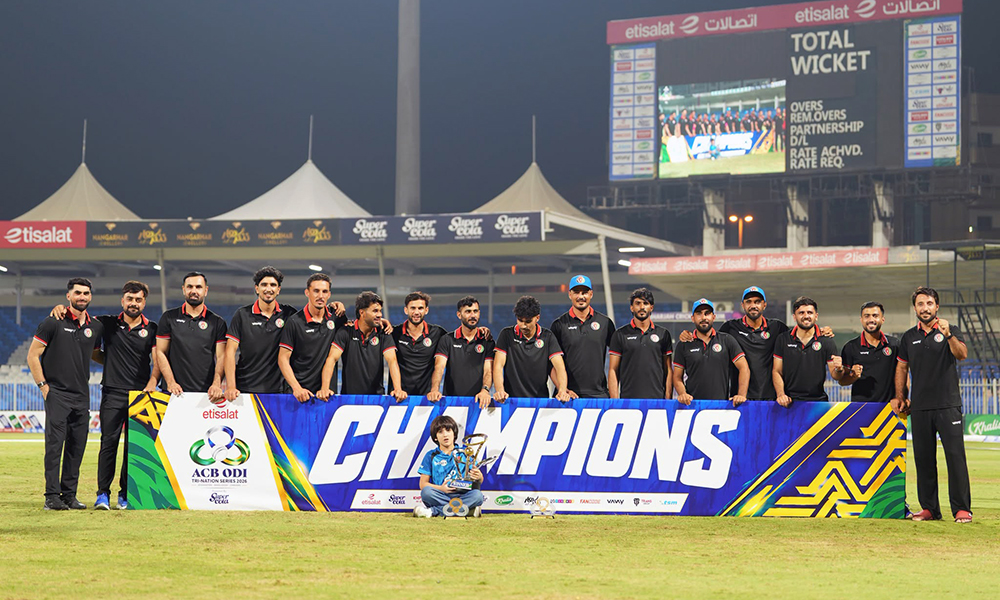
Afghanistan defeat Zimbabwe to win Tri-Series ahead of 2027 Cricket World Cup
-
 Business4 days ago
IMF forecasts 1.3 percent regional economic contraction in 2026
-
 Business3 days ago
Turkmenistan targets 80 billion cubic meters of gas production in 2026
-
 Latest News4 days ago
Khalilzad warns of worsening relations between Afghanistan and Pakistan
-
 Sport3 days ago
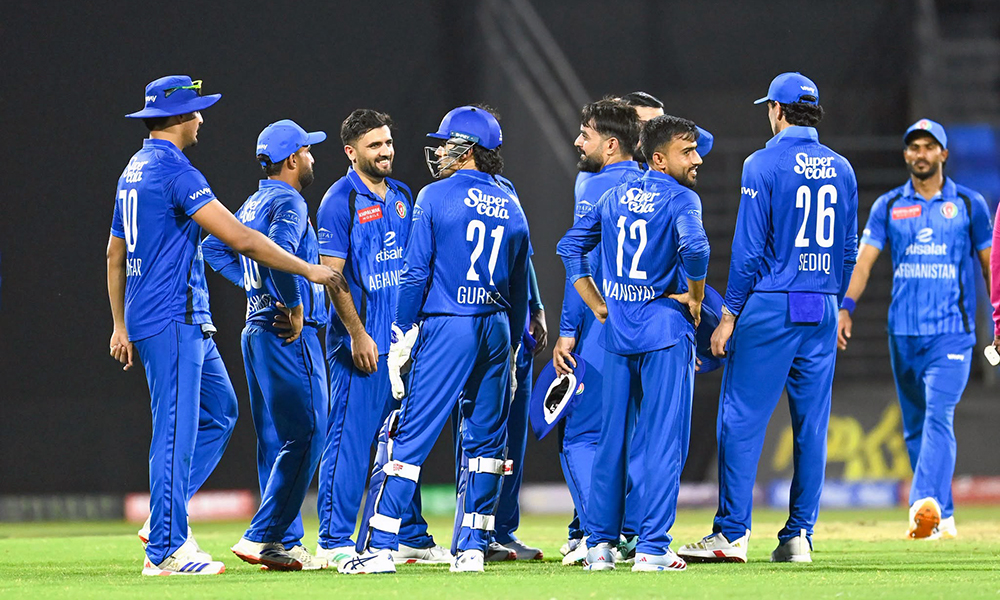
Afghanistan rise above England to match their highest-ever ODI ranking
-
 Latest News5 days ago
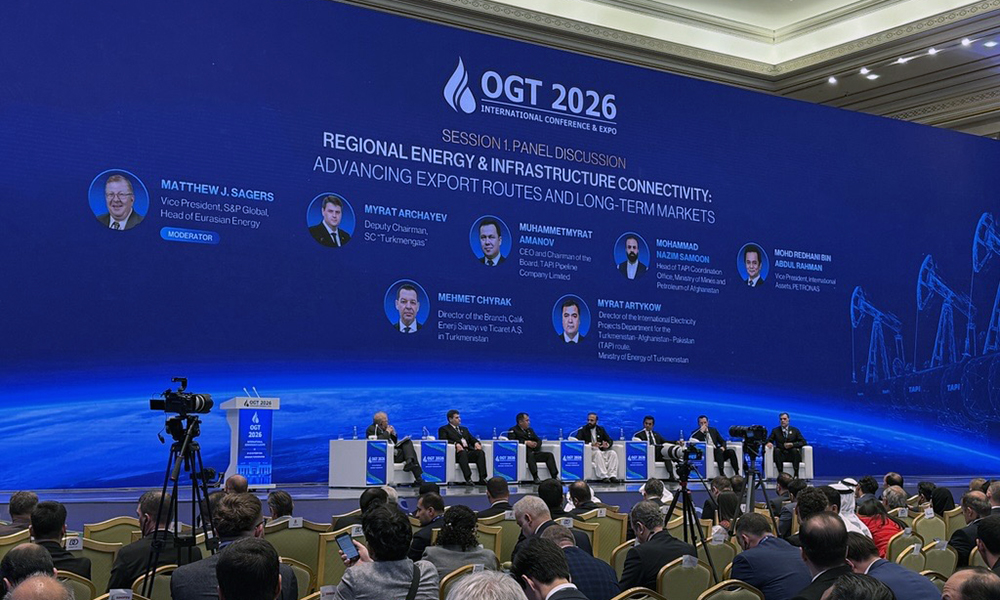
Turkmenistan says Kerki–Kabul power line could supply up to 800 MW to Afghanistan