
Latest News
US personnel wounded in attack against base in Iraq, officials say
The U.S. officials, who spoke to Reuters on condition of anonymity, said one of the wounded Americans was seriously injured.


At least five U.S. personnel were injured in an attack against a military base in Iraq on Monday, U.S. officials told Reuters, as the Middle East braced for a possible new wave of attacks by Iran and its allies following last week’s killing of senior members of militant groups Hamas and Hezbollah, Reuters reported.
Two Katyusha rockets were fired at al Asad airbase in western Iraq, two Iraqi security sources said. One Iraqi security source said the rockets fell inside the base. It was unclear whether the attack was linked to threats by Iran to retaliate over the killing of the Hamas leader.
The U.S. officials, who spoke to Reuters on condition of anonymity, said one of the wounded Americans was seriously injured. The casualty count was based on initial reports which could still change, they said.
“Base personnel are conducting a post-attack damage assessment,” one of the officials added.
Ismail Haniyeh, the political leader of Palestinian Islamist group Hamas, was assassinated in the Iranian capital Tehran last week, an attack that drew threats of revenge by Iran on Israel. Iran blamed Israel for the killing, but Israel has not claimed responsibility.
Coupled with the killing of the senior military commander of the Lebanese group Hezbollah, Fuad Shukr, by Israel in a strike on Beirut last week, the killings have fuelled concern the conflict in Gaza was turning into a wider Middle East war.
Iran has said the U.S. bears responsibility in the assassination of Haniyeh because of its support for Israel, read the report.
In a call on Monday, U.S. Secretary of Defense Lloyd Austin and Israeli Minister of Defense Yoav Gallant agreed that the attack marked “a dangerous escalation,” according to a Pentagon readout.
Last week the U.S. carried out a strike in Iraq against individuals U.S. officials said were militants getting ready to launch drones and posed a threat to U.S. and coalition forces.
The U.S. has been watching to see if Iran would make good on its vow to respond to the killing of Haniyeh two days ago in Tehran, one in a series of killings of senior figures in the Palestinian militant group as the war between Israel and Hamas in Gaza rages.
The Pentagon has said it will deploy additional fighter jets and Navy warships to the Middle East, as Washington seeks to bolster defenses following threats from Iran and its allies Hamas and Hezbollah, Reuters reported.
A rare ally of both the U.S. and Iran, Iraq hosts 2,500 U.S. troops and has Iran-backed militias linked to its security forces. It has witnessed escalating tit-for-tat attacks since the Israel-Hamas war erupted in October.
Iraq wants troops from the U.S.-led military coalition to begin withdrawing in September and to formally end the coalition’s work by September 2025, Iraqi sources have said, with some U.S. forces likely to remain in a newly negotiated advisory capacity.
Baghdad has struggled to reign in Iran-backed armed groups that have attacked U.S. forces there and in neighboring Syria dozens of time since Oct. 7, read the report.
Iraqi Prime Minister Mohammed Shia al-Sudani spoke with U.S. Secretary of State Anthony Blinken on Sunday.
An Iraqi official said Blinken asked Sudani to help decrease regional tensions by helping to convince Iran to temper its response to what it says was an Israeli strike in Tehran that killed the leader of Hamas last week.
U.S. Army General Michael “Erik” Kurilla, head of U.S. Central Command, is currently in the Middle East. One of the U.S. officials said Kurilla was speaking with allies to ensure there was coordination in case of an Iranian attack against Israel.

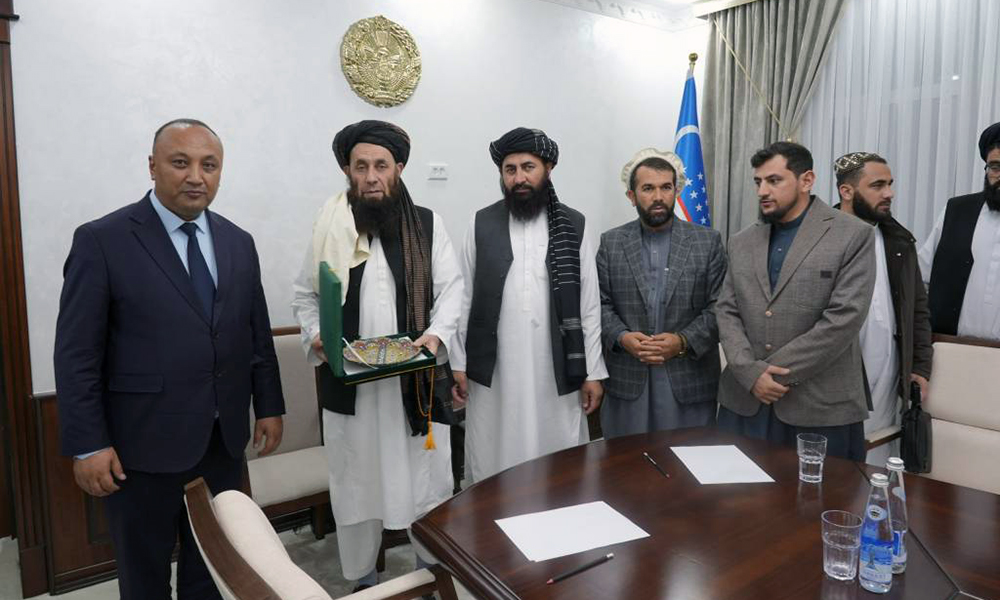
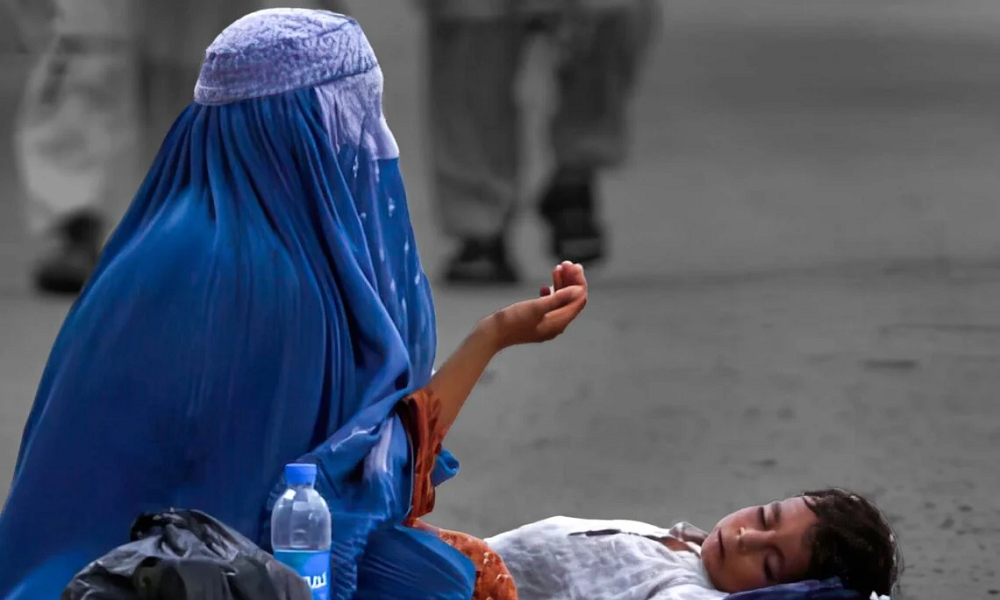
The Office of the Deputy Prime Minister for Economic Affairs has held a coordination meeting with representatives of international organizations and humanitarian institutions to discuss ways to address begging in Afghanistan.
The meeting, organized by the office’s Directorate of Public Relations on November 11, 2026, focused on the root causes of begging, sustainable solutions and strengthening cooperation between the Islamic Emirate, international organizations and humanitarian agencies.
During the discussions, participants stressed the importance of creating sustainable and dignified livelihood opportunities for people involved in begging rather than relying solely on short-term assistance.
Proposed measures included vocational training, conditional cash assistance and economic empowerment programmes aimed at helping vulnerable individuals become financially self-reliant and reducing the prevalence of begging across the country.
At the conclusion of the meeting, the Office of the Deputy Prime Minister for Economic Affairs presented a comprehensive proposal to representatives of international organizations and humanitarian institutions to improve the management of the issue.
According to the office, the proposal was welcomed by participating organizations and institutions.
Officials emphasized the importance of coordinated efforts between government institutions and international partners in addressing the social and economic challenges contributing to begging and providing sustainable support for vulnerable communities.
Latest News
Afghanistan invites Russian companies to invest in mining, industry and infrastructure
Baradar, made the remarks during a meeting with Russian Deputy Prime Minister Alexey Overchuk, highlighting Afghanistan’s investment opportunities and strategic economic potential.
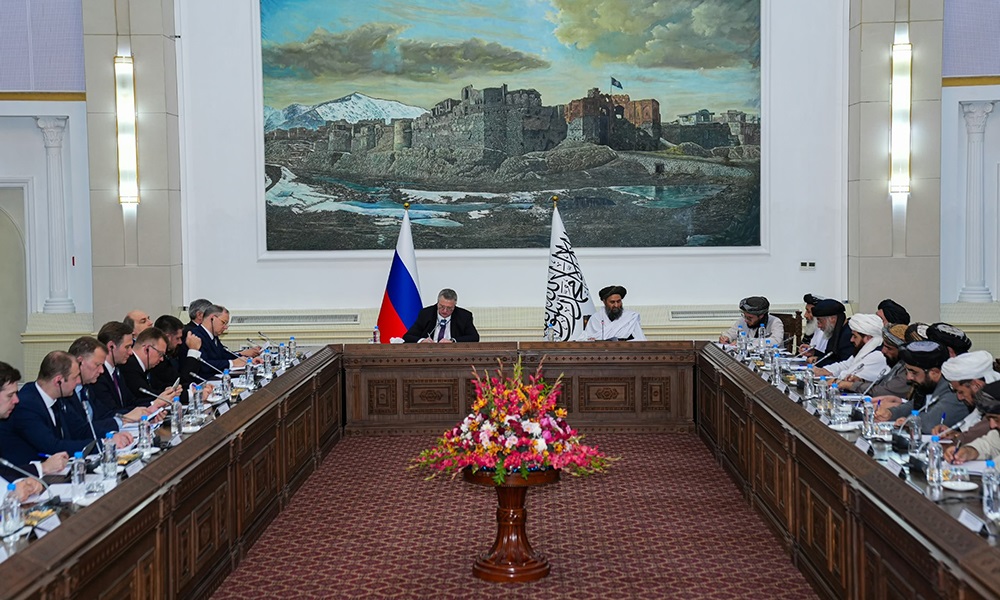
Afghanistan has invited Russian companies to invest in its mining, industrial and infrastructure sectors, as the two countries seek to expand economic cooperation and boost bilateral trade.
The Deputy Prime Minister for Economic Affairs, Mullah Abdul Ghani Baradar, made the remarks during a meeting with Russian Deputy Prime Minister Alexey Overchuk, highlighting Afghanistan’s investment opportunities and strategic economic potential.
Baradar said Afghanistan is ready to welcome Russian companies to invest in partnership with local businesses in mineral extraction, establishing and expanding industrial factories, developing infrastructure and creating special economic zones.
He also identified several potential areas for joint investment, including the establishment of industrial parks built to international standards, joint special economic zones, dry ports and trade infrastructure.
“We are seeking to increase bilateral trade to the maximum possible level, in line with the economic capacities of both countries,” Baradar said, emphasizing the importance of facilitating trade and expanding investment cooperation.
He described Afghanistan as a country with significant economic potential, citing its strategic geographical location, abundant natural resources and a workforce of approximately 24 million people of working age.
The Afghan official said these advantages could provide significant opportunities for foreign investors, particularly in sectors that could contribute to industrial development, job creation and economic growth.
The meeting comes as Afghanistan seeks to attract foreign investment and strengthen economic ties with regional and international partners, with Russia emerging as a potential partner in mining, industry, trade and infrastructure development.
Latest News
Iraq launches probe into alleged oil smuggling route from Kurdistan to Afghanistan
The intelligence report reportedly includes satellite imagery and information about suspected fuel storage and transportation facilities.
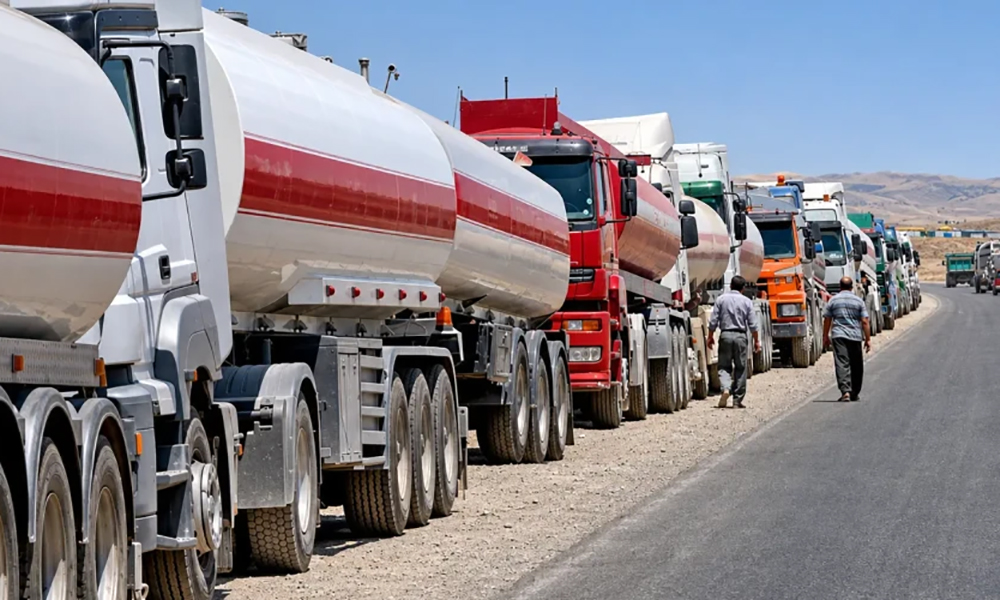
Iraq’s Parliament Speaker Haibat al-Halbousi has ordered an investigation into intelligence reports alleging that petroleum from Kirkuk and the Kurdistan Region is being smuggled through Iran to Afghanistan.
During a parliamentary meeting on Wednesday, al-Halbousi questioned the performance of security agencies and the Oil Ministry, demanding explanations over the alleged illegal transportation of Iraqi petroleum resources across the country’s borders.
“This is a serious matter,” he said, describing the reported activities as a failure by security authorities to protect national resources.
According to an official parliamentary statement, a temporary investigative committee has been established to examine the alleged smuggling route, which reportedly begins in oil-producing areas of Kirkuk and the Kurdistan Region, passes through Iran and extends toward Afghanistan.
The committee will be led by the head of Parliament’s Security and Defense Committee and include representatives from several parliamentary committees, including those responsible for oil and gas, finance, integrity and border crossings. It has been tasked with investigating the allegations and submitting its findings to parliamentary leadership.
Separate investigation into suspected oil theft
The parliamentary inquiry will also examine separate intelligence allegations concerning the suspected theft of petroleum products from government pipelines in Jurf al-Nasr, formerly known as Jurf al-Sakhar, in Babil Province.
The intelligence report reportedly includes satellite imagery and information about suspected fuel storage and transportation facilities.
However, Babil Governor Ali Turki al-Jamali has disputed aspects of the findings, saying that at least one identified location was an established fuel facility serving security forces.
Meanwhile, Iraqi Prime Minister Ali Faleh al-Zaidi has ordered a separate investigation into the suspected petroleum theft in Jurf al-Nasr, involving senior security officials and representatives of relevant government institutions.
The parliamentary committee has also been assigned to examine the recent attack on the Khor Mor gas field in the Kurdistan Region, which disrupted gas production and electricity generation.
Allegations yet to be verified
The alleged smuggling route through the Kurdistan Region and the suspected petroleum theft in Jurf al-Nasr are being investigated as separate cases. Authorities have not established that the incidents are connected.
Investigators have also yet to publicly identify those allegedly responsible for the suspected route to Afghanistan, determine the quantities involved or confirm whether the petroleum reached its reported destination.

Afghan officials meet international donors to develop sustainable solutions to begging
Afghanistan invites Russian companies to invest in mining, industry and infrastructure
Iraq launches probe into alleged oil smuggling route from Kurdistan to Afghanistan
Afghan deputy commerce minister travels to India for trade fair in Delhi
Olive farming offers new hope to Afghan farmers amid growing climate challenges

Afghanistan finish runners-up after 6-0 defeat to Brazil in futsal final

Trump says US may strike Iran’s ‘Pickaxe Mountain’ nuclear facility

Afghan futsal coach: Brazil tournament is first step towards new goals and World Cup

Rubio heads to Central Asia while other US officials hit foreign policy hot spots

Violent protests spread across Europe as Albanian PM blames ‘foreign hand’
Tahawol: High-level Russian delegation’s visit to Kabul discussed
Saar: Afghanistan’s situation in focus at CSTO discussed

Tahawol: Efforts to halt deportation of Afghan refugees from US discussed
Saar: Russia’s stance on Afghanistan discussed

Trump says further US attacks on Iran ‘highly unlikely’ as peace talks gain momentum
-
 Sport4 days ago
Afghanistan’s record partnership highlights fourth day of Test against Zimbabwe
-
 World4 days ago
Houthi-run health ministry says airstrikes kill 33 near Yemen capital
-
 Sport3 days ago
Portugal beat Afghanistan 2-0 in Dakar Youth Olympics futsal semi-finals
-
 Sport4 days ago
Afghanistan thrash Senegal 6-0 to reach Dakar Youth Olympics futsal semi-finals
-
 Sport5 days ago
Toofan Herat defeat Arman FC 2–0 in Afghanistan Champions League
-
 World3 days ago
First Muslim US senator-elect El-Sayed calls for review of aid to Pakistan
-
 Regional4 days ago
Explosions heard in areas in southern Iran, Iranian media report
-
 Regional3 days ago
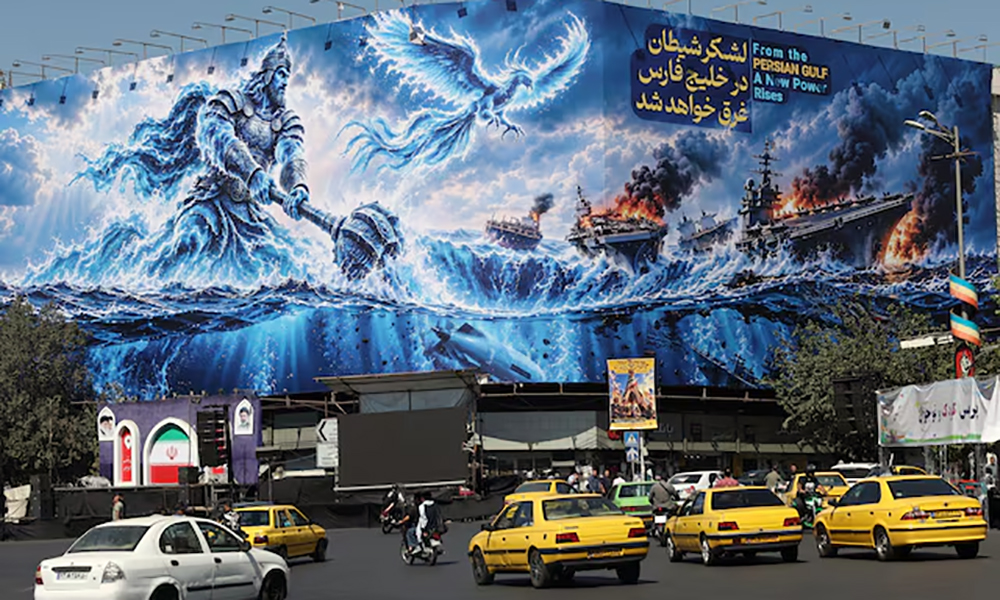
Iran defends two-day proposal for peace talks after US rejects conditions