
Latest News
New Trump travel ban could bar Afghans, Pakistanis soon – Reuters
Afghanistan will be included in the recommended list of countries for a complete travel ban, Reuters reported.

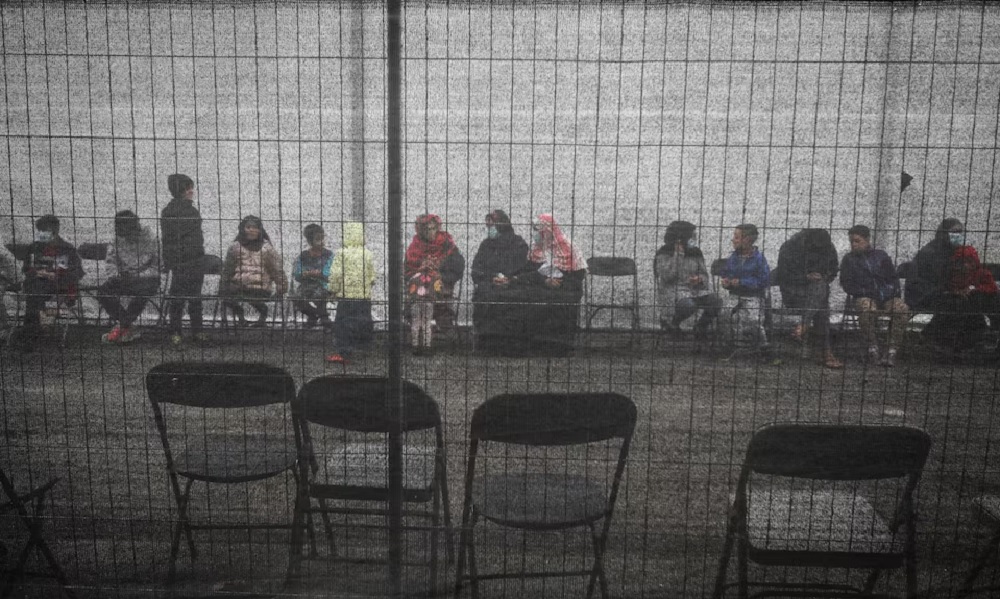
A new travel ban by President Donald Trump could bar people from Afghanistan and Pakistan from entering the U.S. as soon as next week based on a government review of countries’ security and vetting risks, Reuters reported on Thursday.
Other countries could also be on the list but did not know which ones, according to the report which cited three unidentified sources.
The move harkens back to the Republican president’s first term ban on travelers from seven majority-Muslim nations, a policy that went through several iterations before it was upheld by the Supreme Court in 2018.
Former President Joe Biden, a Democrat who succeeded Trump, repealed the ban in 2021, calling it “a stain on our national conscience.”
The new ban could affect tens of thousands of Afghans who have been cleared for resettlement in the U.S. as refugees or on Special Immigrant Visas and who worked for the U.S. during a 20-year war in their home country.
Trump issued an executive order on January 20 requiring intensified security vetting of any foreigners seeking admission to the U.S. to detect national security threats.
That order directed several cabinet members to submit by March 12 a list of countries from which travel should be partly or fully suspended because their “vetting and screening information is so deficient.”
Afghanistan will be included in the recommended list of countries for a complete travel ban, Reuters reported.
Pakistan also would be recommended for inclusion.
One source pointed out that Afghans cleared for resettlement in the U.S. as refugees or on the special visas first undergo intense screening that makes them “more highly vetted than any population” in the world.
The State Department office that oversees their resettlement is seeking an exemption for Special Immigrant Visa holders from the travel ban “but it’s not assumed likely to be granted,” the source said.
That office, the Coordinator for Afghan Relocation Efforts, has been told to develop a plan by April for its closure, Reuters reported last month.
Trump’s directive is part of an immigration crackdown that he launched at the start of his second term.
He previewed his plan in an October 2023 speech, pledging to restrict people from the Gaza Strip, Libya, Somalia, Syria, Yemen and “anywhere else that threatens our security.”
Shawn VanDiver, the head of #AfghanEvac, a coalition of groups that coordinates evacuation and resettlement of Afghans with the U.S. government, urged those holding valid U.S. visas to travel as soon as possible if they can.
“While no official announcement has been made, multiple sources within the U.S. government suggest a new travel restriction could be implemented within the next week,” he said in a statement.
This “may significantly impact Afghan visa holders who have been awaiting relocation” to the U.S., he said.
There are some 200,000 Afghans who have been approved for U.S. resettlement or have pending U.S. refugee and Special Immigrant Visa applications. They have been stranded in Afghanistan and nearly 90 other countries – including about 20,000 in Pakistan – since January 20, when Trump ordered a 90-day freeze on refugee admissions and foreign aid that funds their flights.








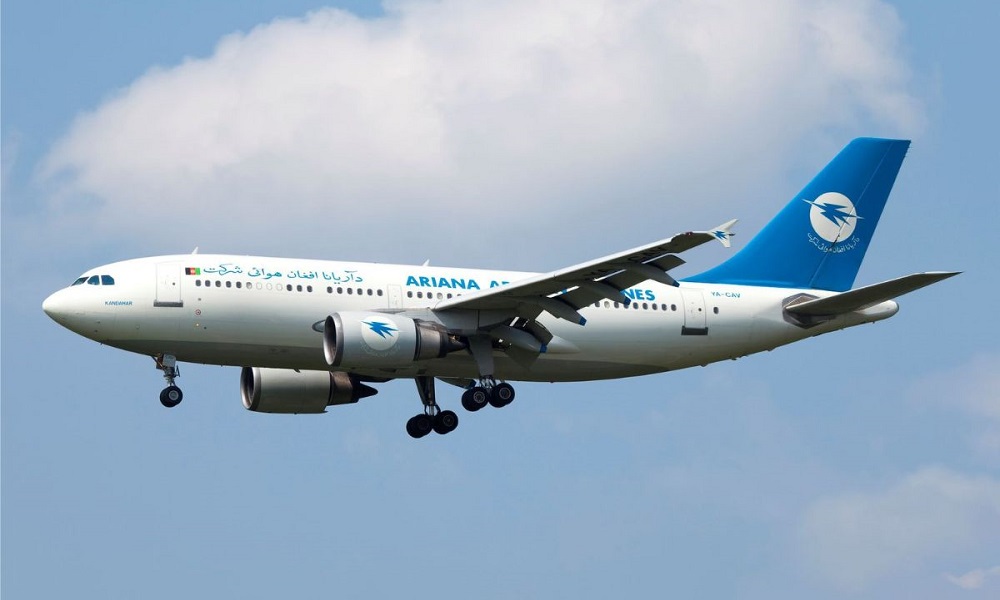
Ariana Afghan Airlines has ranked seventh among 45 airlines in Central Asia in Skytrax’s 2026 rankings.
Company officials say Ariana Afghan ranked eighth on the list in 2025, but moved up one place this year following improvements in service quality and the expansion of its operations.
According to the officials, in 2026 the airline met criteria including service quality, flight safety, professional cabin crew, and experience in the aviation sector, placing it among the top 10 airlines in Central Asia.
Skytrax is an international organization that evaluates and ranks the quality of services in the aviation industry and airlines, assessing and ranking carriers annually based on specific criteria.
Latest News
Silk Road highway in Wakhan corridor now reaches the China border
The road is expected to be officially opened for use in the near future, potentially improving connectivity through the remote Wakhan Corridor.
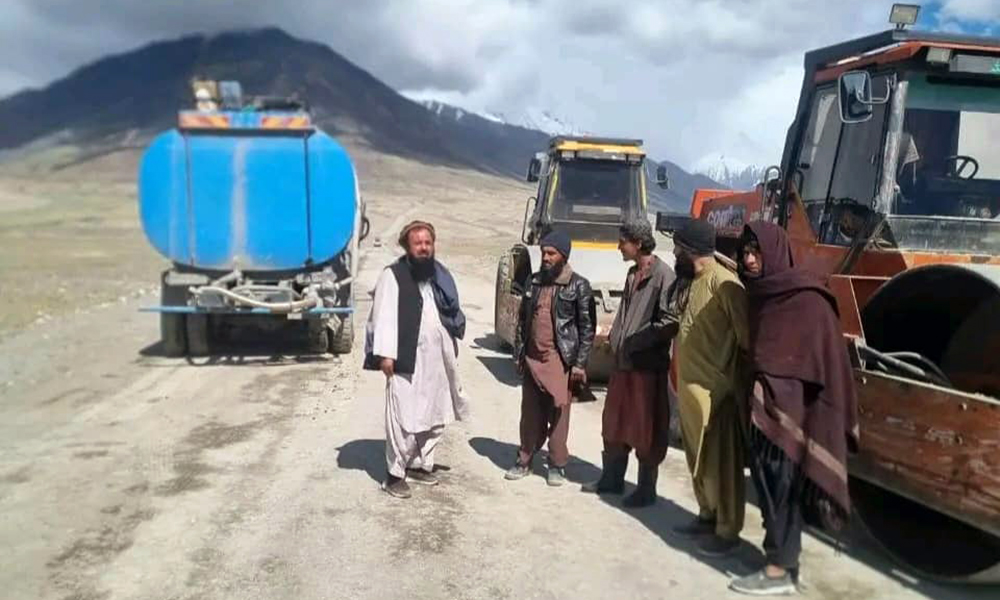
The construction of the Silk Road Highway in Afghanistan’s Wakhan Corridor has been fully completed after five years of work, officials in Badakhshan province said.
Amanullah Chehra, head of Rural Rehabilitation and Development in Badakhshan, said the 121.13-kilometre road begins in the Barghil area and stretches to Bzai Gonbad near the Chinese border.
According to officials, the road is between 7 and 10 metres wide and includes three major bridges, each measuring approximately 20 to 22 metres in length. Numerous smaller drainage structures have also been built along the route to facilitate the flow of water.
The road is expected to be officially opened for use in the near future, potentially improving connectivity through the remote Wakhan Corridor.
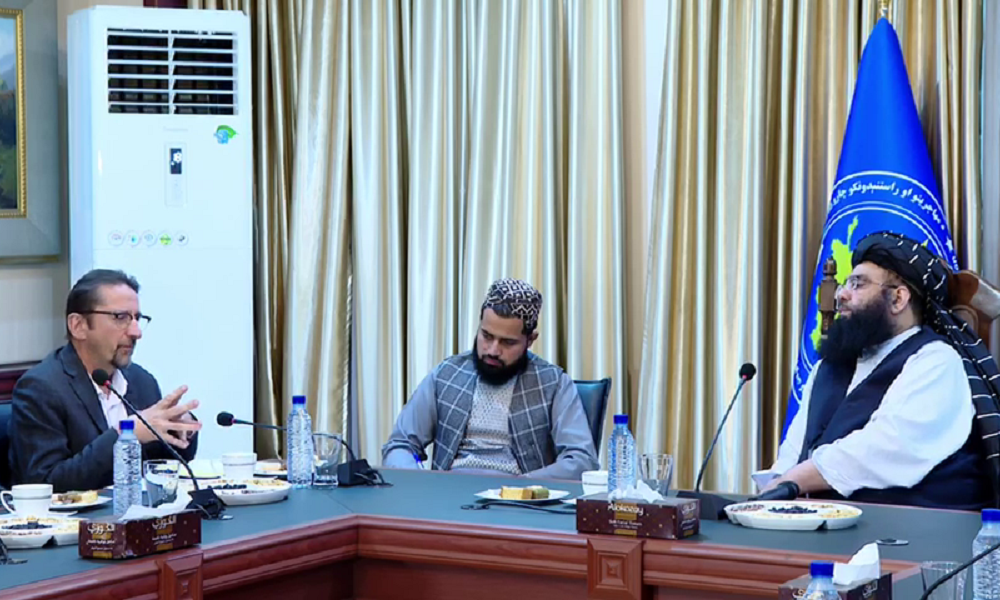
Afghanistan’s Minister of Refugees and Repatriation, Mawlawi Abdul Kabir, met on Wednesday with Bruno Lemarquis, UNAMA’s Deputy Head for Humanitarian Affairs, to discuss the situation of Afghan returnees and humanitarian assistance.
The Ministry of Refugees and Repatriation said Lemarquis briefed the minister on assessments conducted by UN agencies during visits to several provinces to identify the needs of returnee families.
Lemarquis said joint cooperation between UN agencies and the Islamic Emirate is needed to support and resettle returnees. He added that UN agencies are currently assisting thousands of families and called for the expansion of humanitarian assistance.
He also said the international community should pay greater attention to the needs of Afghans, adding that UNAMA is ready to cooperate in addressing challenges facing returnees.
Abdul Kabir welcomed UNAMA’s support and thanked the United Nations for its assistance to Afghans. He said various government institutions have been tasked with addressing returnees’ needs.
The minister also called on aid organizations to continue supporting returnee families, saying a program to resettle thousands of internally displaced families is also underway.
Kabir further said the necessary facilities have been provided for UN agencies to operate and that the Islamic Emirate welcomes UNAMA’s humanitarian cooperation.


Afghanistan open Asian Games cricket campaign with win over Japan

Trump welcomes Chinese President Xi as US-China summit gets underway

Iran airlines cancel flights as US sanctions hit

Tahawol: Opening of the 81st UN General Assembly Session

Saar: OIC Assessment of Afghanistan’s humanitarian and development situation discussed

Saudi energy group signs major Afghanistan deals covering gas exploration and pipeline plans

ATN secures exclusive rights to broadcast T20I series in India across Afghanistan

Trump floats idea of renaming Atlantic or Pacific Ocean

US hits Egyptian bank branches with Iran sanctions as war marks six months

Nepal flood rescue mission enters critical phase as thousands remain missing
Tahawol: Opening of the 81st UN General Assembly Session
Saar: OIC Assessment of Afghanistan’s humanitarian and development situation discussed

Tahawol: Reactions to Pakistan’s attacks on Afghanistan discussed

Saar: Uncertain fate of Afghanistan’s seat at UN discussed

Tahawol: Uncertain future of Afghanistan’s permanent UN seat
-

 Sport3 days ago
Afghanistan to face Japan and Nepal in Asian Games cricket group stage
-
 Latest News4 days ago
Pakistan says Kohat attackers had roots in Afghanistan
-
 Latest News4 days ago
OIC to hold Afghanistan Contact Group meeting on sidelines of UN General Assembly
-
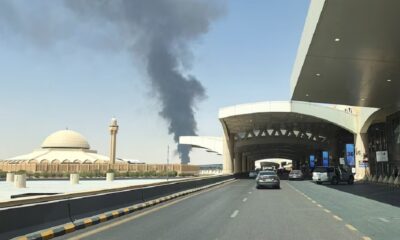
 Regional4 days ago
Flames, smoke seen near Riyadh airport; Houthis claim attacks on Saudi capital
-
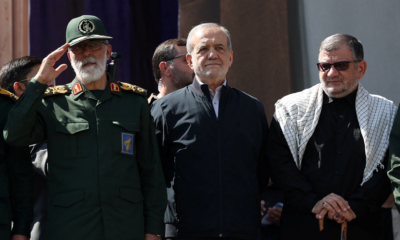
 Regional3 days ago
Iran and US trade threats after Houthi attacks escalate regional conflict
-

 Sport5 days ago
Abu Muslim Farah and Ariana Khost play out goalless draw in ACL
-
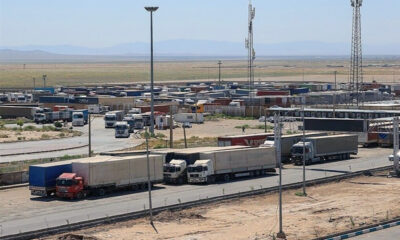
 Business4 days ago
Dogharoun handles 60% of Iran’s exports to Afghanistan
-
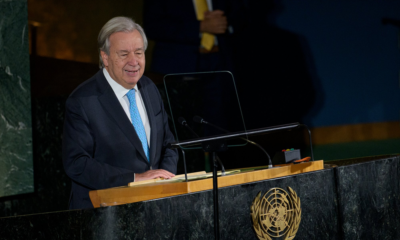
 World4 days ago
World leaders return to UN amid wars in Middle East and Ukraine