
Latest News
DABS CEO: International actors must not politicize basic human needs

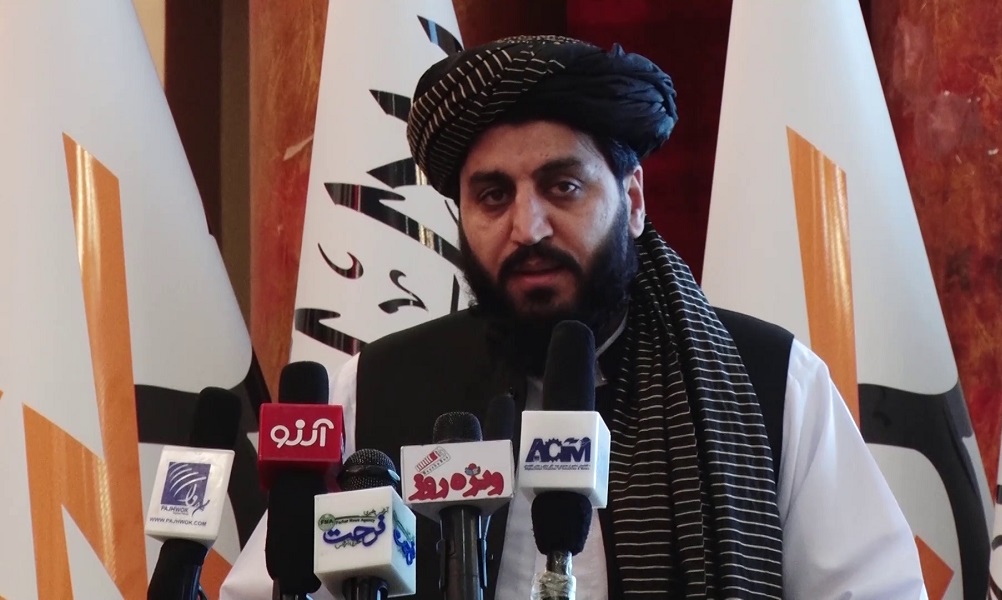
On the final day of the Conference on Investment Attraction and Supporting Energy Sector in Afghanistan, officials from the country’s national power utility on Sunday reaffirmed their commitment to delivering electricity to all parts of the country.
Abdul Bari Omar, CEO of Da Afghanistan Breshna Sherkat (DABS), underscored that electricity is a basic human necessity and urged international organizations not to politicize access to essential services.
“Afghanistan is part of the global geography. Therefore, in line with international principles and laws, constructive engagement with the Afghan people in this sector must take place,” Omar said. “Basic human needs should not be included in political agendas.”
Ali Ibrahim Aker, Deputy Head of the Organization of Islamic Cooperation (OIC) in Afghanistan, echoed this sentiment, calling investment in the energy sector vital for the well-being and future of the Afghan people.
Private sector representatives also raised concerns about the persistent shortage of electricity in industrial parks, calling it a major barrier to economic growth and industrial development.
Arian Zolgi Azimi, Deputy Head of the Afghanistan Chamber of Commerce and Investment, stated: “The industrial and manufacturing sectors are key engines of economic growth. However, due to the lack of stable electricity, many factories are unable to operate consistently. As a result, they rely on generators, which drives up production costs and reduces competitiveness in regional markets.”
Mozammil Shirzad, Advisor to the Chamber of Industries and Mines, added: “Afghanistan is rich in natural resources, but more than anything, it needs electricity. Without power, industry cannot expand, mining operations stall, and agriculture cannot be modernized. Our country is desperate for energy, and with joint support, investment, and commitment, this gap can be closed.”
Senior officials from the Administrative Office of the Government and the Central Bank also emphasized the need to provide financial and technical support to attract investment.
Noorul Haq Anwar, Director General of the Administrative Office, said: “Under the special directive of the Islamic Emirate’s leadership, a draft policy has been prepared to support investors and traders. Once finalized, it will introduce broad facilitations for the business community.”
Ehsanullah Mansoor, a representative of Da Afghanistan Bank, noted: “We hope both banking and non-banking sectors will capitalize on these opportunities, particularly in financing renewable energy projects. The Central Bank is committed to offering regulatory support and other incentives in this area.”
This comes after Deputy Prime Minister for Economic Affairs, Abdul Ghani Baradar, called on the international community to lift financial and banking restrictions during the opening session of the conference. He described these restrictions as a significant obstacle to attracting foreign investment to Afghanistan.









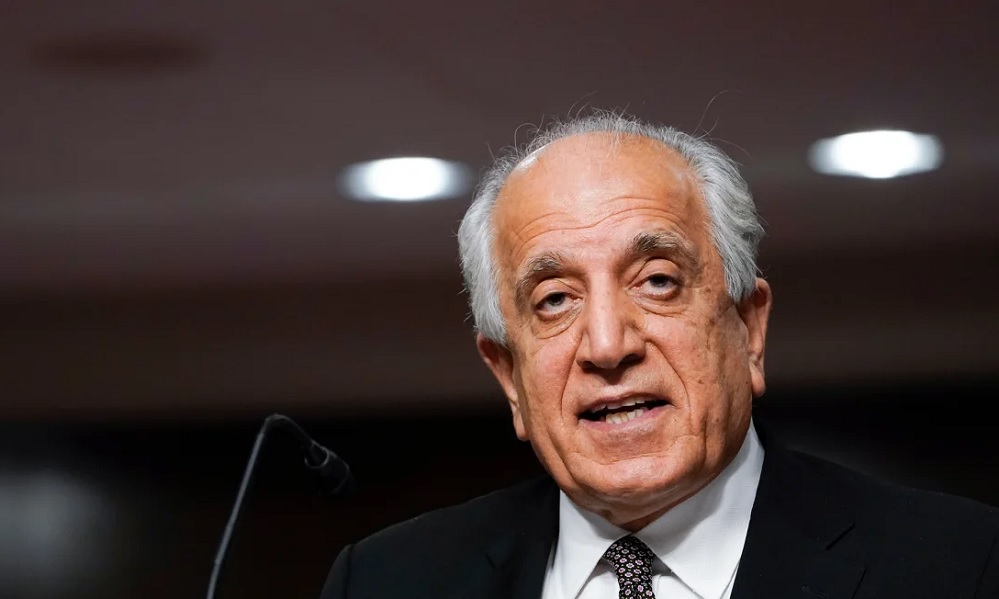
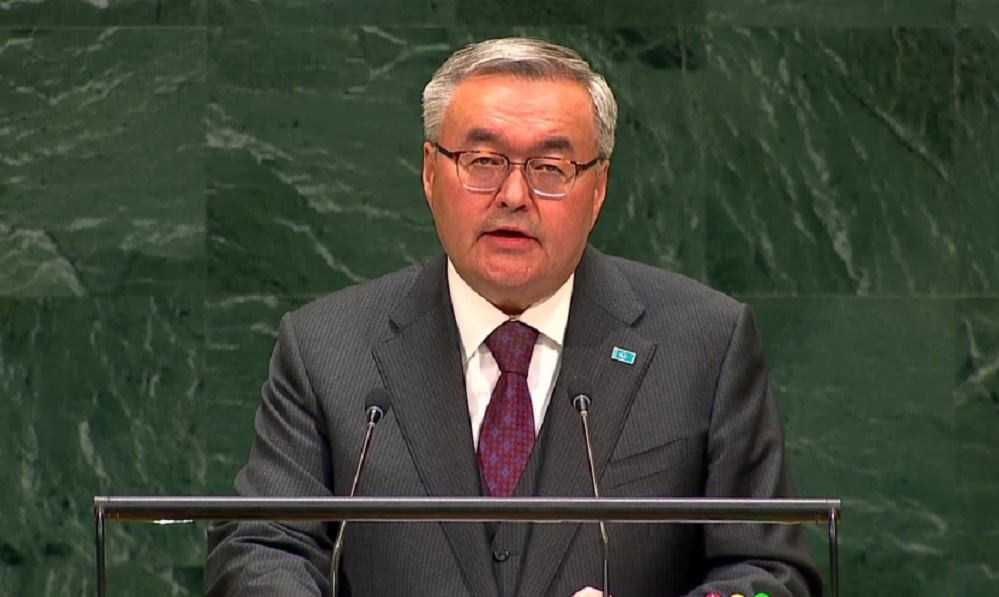
Kazakhstan’s Foreign Minister Mukhtar Tileuberdi has called for pragmatic and coordinated international engagement with Afghanistan, saying the country’s long-term stability is closely linked to the security and sustainable development of Central Asia.
Speaking during the general debate of the 81st session of the United Nations General Assembly in New York on Friday, Tileuberdi said humanitarian assistance to Afghanistan remains essential but alone cannot break the cycle of poverty, displacement and dependency.
He said Kazakhstan supports a “pragmatic, coordinated and step-by-step” approach to international engagement with Afghanistan, with the United Nations playing a central role.
Tileuberdi also said Kazakhstan is working with the UN to operationalize the United Nations Regional Centre for the Sustainable Development Goals for Central Asia and Afghanistan in Almaty.
He said the success of the centre should be measured by the results and assistance it delivers to the region.


Abu Muslim Farah defeat Khurasan Faryab 2-0 in ACL season six

Saar: Concerns over Pakistan’s political crisis discussed

Afghanistan Champions League: Omar Zawak Herat beat Toofan Herat 1-0

Blast in Pakistan’s Dera Ismail Khan kills 11, injures 30

Ariana Afghan Airlines increases Kabul-Delhi cargo flights

Saudi energy group signs major Afghanistan deals covering gas exploration and pipeline plans

Trump floats idea of renaming Atlantic or Pacific Ocean

US hits Egyptian bank branches with Iran sanctions as war marks six months

Nepal flood rescue mission enters critical phase as thousands remain missing

Iranian clubs to face Gulf opponents at neutral venues in Asian Champions League Elite
Saar: Concerns over Pakistan’s political crisis discussed

Exclusive interview with Abdul Latif Mansoor, Minister of MRRD

Tawsia: Overview of Afghanistan’s iron mines

Tahawol: Discussion on fresh Pakistani airstrikes on Afghanistan

Saar: Calls for international support for Afghanistan discussed
-

 World5 days ago
CNN, MS NOW and Politico sue Trump, challenging White House ban
-

 Latest News3 days ago
Ariana Afghan Airlines ranks seventh among 45 Central Asian airlines
-

 Latest News5 days ago
UN reiterates call for respect for international law after Kunar airstrikes
-

 Regional4 days ago
US and Iran hold first talks since June after Trump’s ‘annihilation’ threat
-

 Latest News3 days ago
Silk Road highway in Wakhan corridor now reaches the China border
-

 Latest News5 days ago
Afghan Official: Pakistan’s airstrikes will not go unanswered
-

 Regional3 days ago
Iran airlines cancel flights as US sanctions hit
-

 Regional5 days ago
G7 foreign ministers call on Iran to stop arming Houthis