
Latest News
UN urges global investment in Afghanistan’s urban infrastructure
The UN agency stressed that improving living conditions in Afghan cities will not only benefit local communities but also contribute to broader regional stability and development.


The United Nations Human Settlements Programme (UN-Habitat) has called on the international community to step up investment in Afghanistan’s urban infrastructure and essential public services, warning that cities across the country are struggling to cope with a surge in population and limited resources.
In a statement released on the eve of World Habitat Day, UN-Habitat said targeted investment in sustainable infrastructure would help Afghan cities manage rapid demographic changes, expand basic services, and strengthen long-term resilience.
The agency noted that the number of Afghan returnees from neighboring countries—particularly Iran and Pakistan—has significantly increased in recent years, with many settling in urban centers already strained by unemployment, housing shortages, and inadequate public services.
“Afghan cities are growing rapidly as returnees and internally displaced persons seek stability and livelihood opportunities,” the agency said. “Without proper investment, this growth risks deepening inequality and urban vulnerability.”
UN-Habitat emphasized that building stronger urban systems is key to achieving inclusive and sustainable development in Afghanistan. The agency urged global partners to support initiatives that focus on affordable housing, clean water access, waste management, and climate-resilient city planning.
Experts say Afghanistan’s urban population has grown substantially over the past two decades, with Kabul—once a city of less than a million—now home to an estimated five million residents. However, the lack of consistent international funding and the country’s ongoing economic challenges have hindered efforts to modernize infrastructure.
The UN agency stressed that improving living conditions in Afghan cities will not only benefit local communities but also contribute to broader regional stability and development.

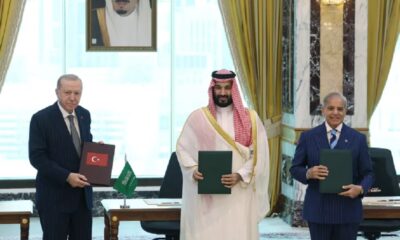




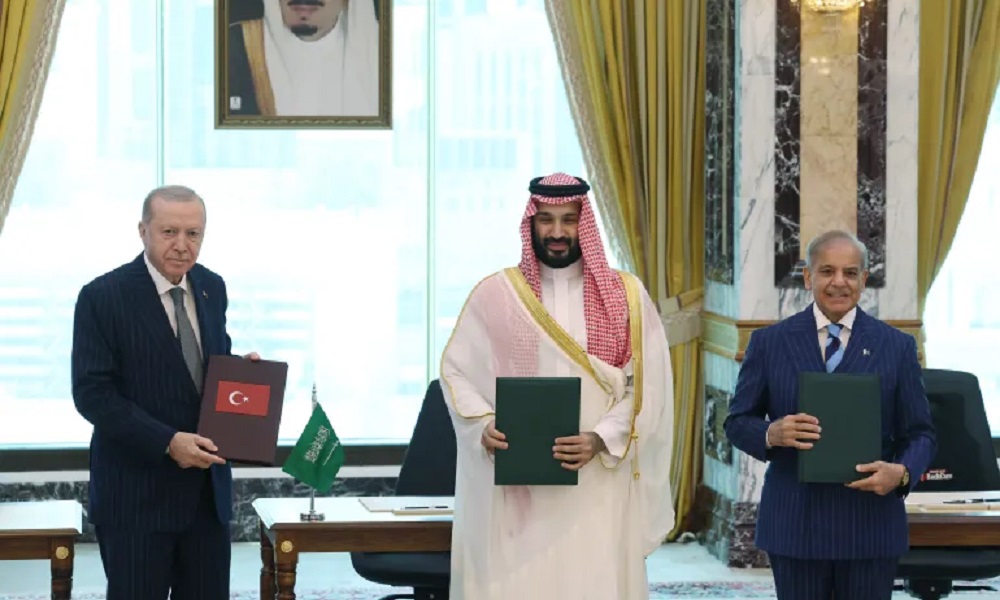
Saudi Arabia, Pakistan and Turkey signed a joint defense agreement in Mecca on Friday, bringing together three Sunni Muslim countries allied with the United States amid escalating security challenges in the Middle East.
The agreement comes as regional tensions continue to rise following the February 28 U.S. and Israeli strikes on Iran. Since then, Iran and allied groups have launched attacks against Saudi Arabia and other Gulf states and disrupted energy shipments, intensifying instability across the region.
According to a joint statement, the Mecca Joint Defense Agreement is intended to strengthen collective deterrence against aggression. It states that an armed attack on any one of the three countries would be considered an attack on all.
The statement did not provide details on the specific military commitments or obligations undertaken by each country. It said the agreement aims to enhance collective security and promote peace, security and stability in the region and beyond.
A Turkish official described the pact as purely defensive, saying it is not directed against any particular country, remains open to other regional states, and does not replace or override existing bilateral or multilateral defense arrangements.
The three countries are said to share concerns over the increasingly assertive military posture of both Israel and Iran, as regional instability deepens despite efforts by the United States to contain the crisis.
Latest News
CSTO says Afghanistan remains a key security priority
Vasilyev said a joint program to strengthen security along the border has already been launched, with CSTO member states currently assessing Tajikistan’s security requirements.
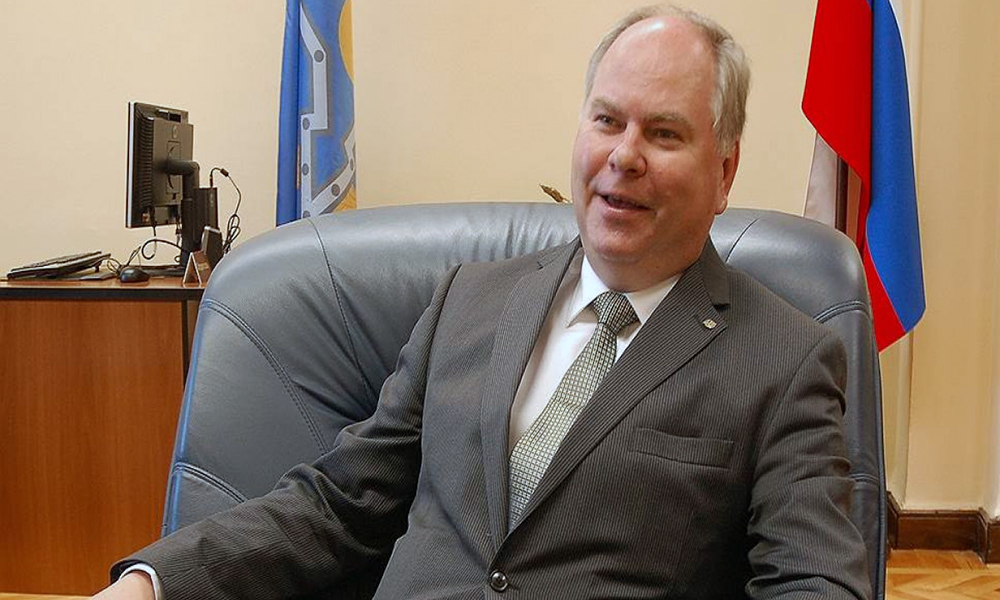
The Collective Security Treaty Organization (CSTO) says the situation in Afghanistan remains a major focus for its member states, with regional security developments in the country continuing to be closely monitored.
Speaking in an interview with Russian state news agency RIA, Russia’s Permanent Representative to the CSTO, Vladimir Vasilyev, said the organization’s primary concern is the security situation along the Tajikistan–Afghanistan border.
Vasilyev said a joint program to strengthen security along the border has already been launched, with CSTO member states currently assessing Tajikistan’s security requirements, including the equipment and resources needed to support the initiative.
He did not provide further details on the timeline for the program’s implementation or the scale of assistance to be provided, but stressed that Afghanistan remains a key topic in the organization’s ongoing regional security consultations.
The CSTO, a Russia-led regional security alliance, has repeatedly highlighted the importance of strengthening border security in Central Asia amid concerns over regional stability.
The Islamic Emirate of Afghanistan (IEA), however, has consistently maintained that it will not allow any individual or group to use Afghan territory to threaten or carry out activities against neighbouring countries.
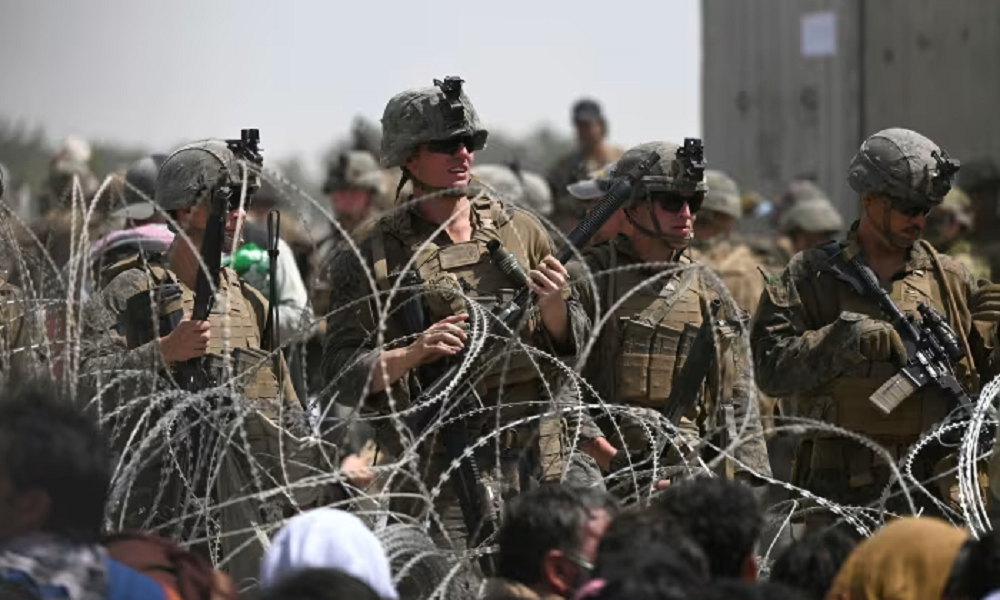
The United States has warned that the threat posed by terrorist groups, including ISIL-Khorasan (ISIL-K), remains a major concern, with instability continuing to provide opportunities for militant organizations to expand.
Speaking at a UN Security Council briefing on threats to international peace and security caused by terrorist acts, Tammy Bruce, Deputy Representative of the United States to the United Nations, said on Wednesday countering ISIL, al-Qaida and their affiliates remains a key priority for Washington.
“These groups continue to exploit instability — as evidenced by al-Qaida’s gains in the Sahel, ISIL’s growing focus on Africa, and the persistent threat from ISIL-K in Afghanistan,” Bruce said.
The remarks come as Afghan authorities have repeatedly rejected claims that terrorist organizations are operating from Afghanistan and said they will not allow the country’s territory to be used against other nations.


Saudi Arabia, Turkey and Pakistan sign joint defense agreement amid regional tensions

WHO warns aid cuts disrupting healthcare services across Afghanistan

CSTO says Afghanistan remains a key security priority

Uzbekistan, Kazakhstan target Afghanistan in push to expand regional trade

Trump says he thinks war with Iran will end ‘pretty soon’

Pakistan’s governance system has ‘collapsed’: Mohsin Naqvi

India offers 1,000 online scholarships for Afghan students for 2026-27 academic year

Cricket world pays tribute to Afghanistan fast bowler Shapoor Zadran

Turkey spent over $120 million to prepare airport for Qatar-donated U.S. presidential aircraft

Thousands pay final respects as Afghan cricketer Shapoor Zadran buried in Kabul

Tahawol: End of US sanctions waiver for Chabahar Port discussed

Saar: US warns of ISIL-K threat in Afghanistan discussed

Tahawol: Limited choices of small states in global politics discussed

Saar: India’s response to Pakistan’s recent remarks discussed

Tahawol: China-Pakistan talks on Afghanistan security reviewed
-
 Sport5 days ago
Only two days to go before Afghanistan and Ireland begin ODI series
-
 Latest News3 days ago
Khalilzad says Pakistan needs ‘reset’ amid economic crisis and rising instability
-

 Sport3 days ago
Afghanistan aim to strengthen ODI ranking in Ireland series
-

 Latest News5 days ago
KP chief minister says Islamabad has lost control of Khyber Pakhtunkhwa and Balochistan
-

 Latest News3 days ago
First Afghanistan-Ireland ODI abandoned without a ball bowled
-
 Latest News5 days ago
Afghan agriculture delegation visits Moldova to boost scientific cooperation
-

 Sport3 days ago
Afghanistan aim for winning start against Ireland
-

 Latest News4 days ago
Afghan boxer charged over death of British woman found in suitcase in Greece