
Latest News
Afghan and Malaysian Prime Ministers discuss bilateral ties and regional tensions
The conversation underscored both nations’ commitment to diplomacy and regional stability, as well as their intention to deepen bilateral ties through constructive dialogue.

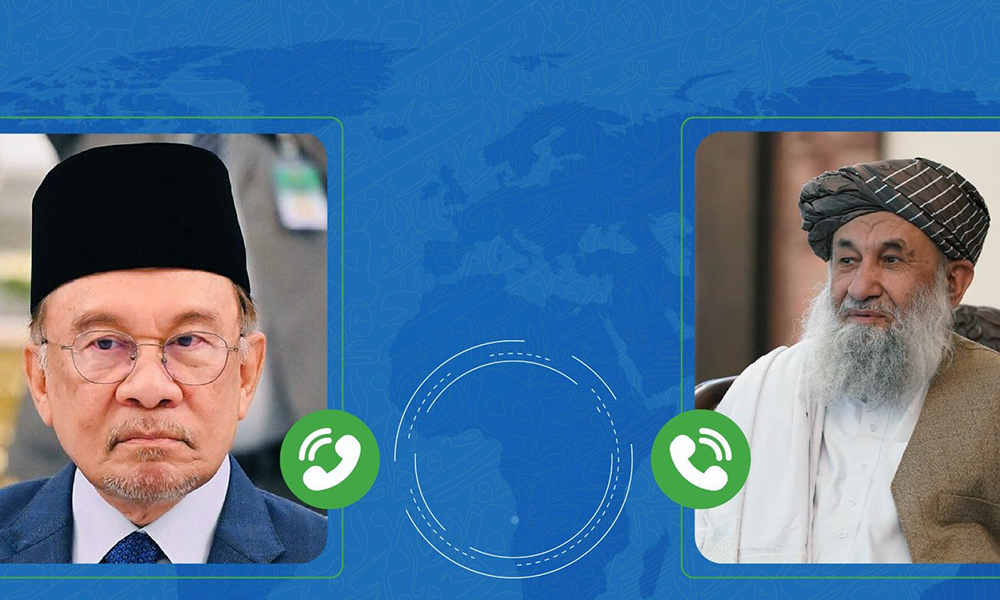
The Prime Minister of the Islamic Emirate of Afghanistan, Mullah Mohammad Hassan Akhund, held a telephone conversation with Malaysian Prime Minister Dato’ Seri Anwar Ibrahim to discuss bilateral relations and recent regional developments, including tensions with Pakistan.
During the call, the two leaders exchanged views on strengthening cooperation between Afghanistan and Malaysia. A key focus of the conversation was the recent escalation between Afghanistan and Pakistan, following what Kabul has described as a violation of its sovereignty.
Hassan reaffirmed Afghanistan’s commitment to peace, stating that the Islamic Emirate does not seek conflict.
He asserted that recent hostilities were initiated by Pakistan’s breach of Afghan territory. He also noted that discussions between Afghan and Pakistani officials are currently underway in Doha, led by Afghanistan’s Minister of National Defense, and the government is awaiting the outcome of these talks with patience and respect.
Anwar welcomed the initiation of dialogue between the two neighboring countries, emphasizing the importance of resolving disputes through diplomatic channels. He offered Malaysia’s support in helping to mediate or facilitate a peaceful resolution and underscored the value of continued engagement.
Hassan expressed gratitude for Malaysia’s support and assured Anwar that progress is being made through ongoing discussions.
The conversation underscored both nations’ commitment to diplomacy and regional stability, as well as their intention to deepen bilateral ties through constructive dialogue.





Hamdullah Fitrat, Deputy Spokesperson for the Islamic Emirate of Afghanistan, has strongly rejected the repeated allegations by Pakistani officials that Afghanistan is involved in insecurity in Pakistan, saying that creating or supporting insecurity in Pakistan is not in Afghanistan’s interests.
In a statement published on his account, Fitrat said that whenever Pakistani officials are unable to ensure security in their own country, they blame Afghanistan for incidents in an attempt to mislead public opinion.
According to Fitrat, Afghanistan neither has the necessary means to create insecurity in other countries nor would it benefit from such actions, as insecurity in Pakistan also harms Afghanistan economically, socially and in humanitarian terms.
The deputy spokesperson added that instead of focusing on their own security responsibilities, Pakistani officials wrongly blame Afghanistan and spend resources on plans aimed at destabilizing the country.
Fitrat described this approach as a way of evading core responsibilities, destabilizing the region and wasting economic resources. He further said that this misguided stance has distracted Pakistan’s security forces from their primary duties.
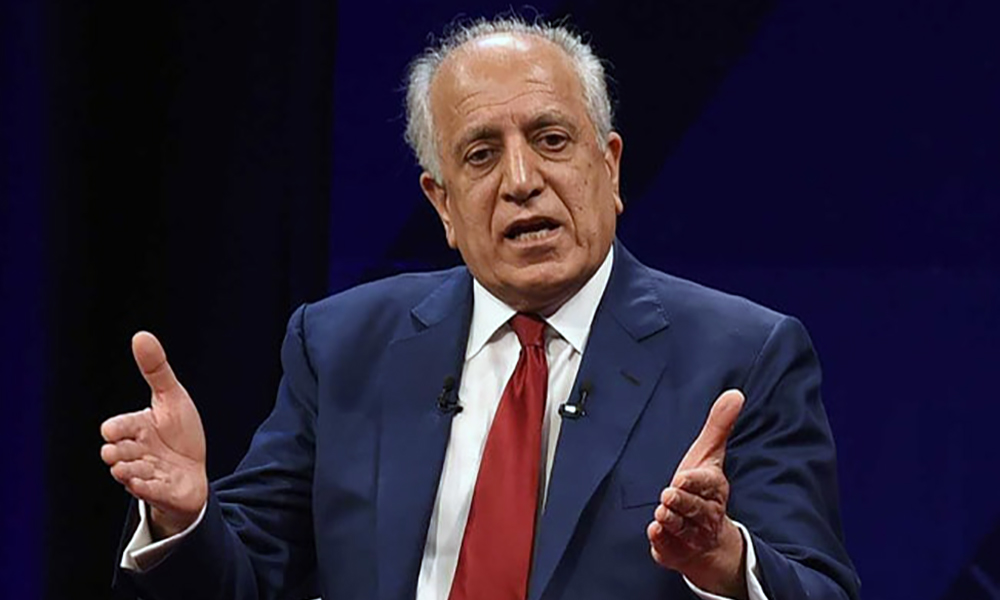
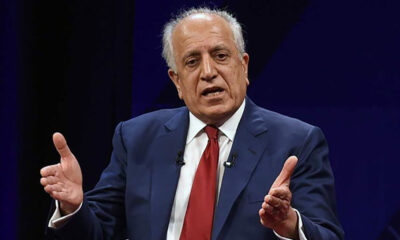
Zalmay Khalilzad, the former U.S. special representative for Afghanistan, has warned that relations between Afghanistan and Pakistan could deteriorate further amid reports of alleged Pakistani recruitment and arming of Afghans.
In a statement, Khalilzad said there had been numerous reports alleging that Pakistan was arming Afghans to fight the Taliban in Afghanistan. He added that new reports suggested the Pakistani military was recruiting Afghans to fight anti-Pakistan insurgents.
He cautioned that, given the current situation, ties between Kabul and Islamabad were likely to worsen significantly.
Khalilzad’s remarks come amid ongoing tensions between the two neighboring countries.
Latest News
UNICEF urges continued efforts for polio-free Afghanistan
According to the World Health Organization, 42 cases of wild poliovirus type 1 have been recorded in Afghanistan this year.
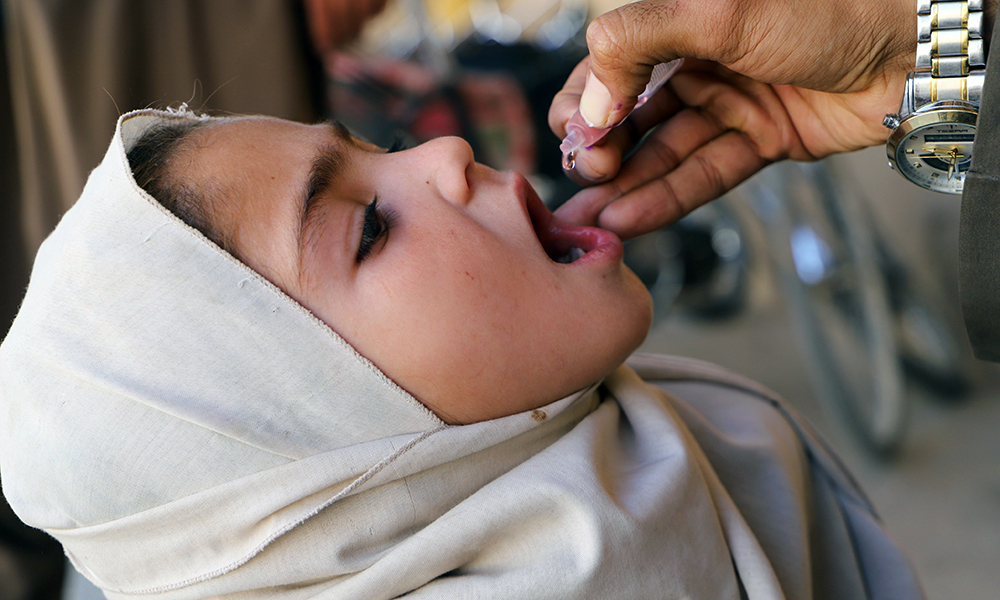
UNICEF Afghanistan has highlighted the importance of continued national efforts to eradicate polio and vaccinate every child, as the country marks World Polio Day on October 24.
In a message posted on X, UNICEF Afghanistan said the day provides an opportunity to highlight national efforts towards a polio-free Afghanistan and honour frontline workers who work tirelessly to end the disease and ensure every child is vaccinated.
Meanwhile, Afghanistan’s Polio-Free initiative warned on Thursday, October 22, that the presence of the poliovirus in any area could threaten the health of children across the country. The initiative urged the public to cooperate with vaccination campaigns and ensure that no child is left without the vaccine.
The warning comes as polio remains a public health concern in Afghanistan, with the United Nations reporting multiple cases of the disease. According to the World Health Organization, 42 cases of wild poliovirus type 1 have been recorded in Afghanistan this year, while six cases have been reported in neighbouring Pakistan.

Tawsia: New opportunities in Afghanistan’s energy, trade and agriculture sectors discussed

IEA rejects Pakistan’s allegations linking Afghanistan to insecurity

Exclusive interview with Ali Bilal, runner-up in Mr. Olympia Men’s Physique category

Khalilzad warns of worsening relations between Afghanistan and Pakistan

IMF forecasts 1.3 percent regional economic contraction in 2026

Cricket Bonanza: Afghanistan set for packed international schedule

Afghanistan says 28 killed, 32 captured in Nuristan operation

Afghanistan on climate front line as Kabul faces groundwater warning

ACB announces Afghanistan squads for Bangladesh, Zimbabwe series

Trump rejects Iranian proposal to open Hormuz and end fighting
Tawsia: New opportunities in Afghanistan’s energy, trade and agriculture sectors discussed
Exclusive interview with Ali Bilal, runner-up in Mr. Olympia Men’s Physique category

Tahawol: Doha meeting and Afghanistan’s political and economic future discussed

Saar: Concerns over expansion of conflict between Iran and US discussed

Governments warn citizens over security risks in France after riots
-

 Sport5 days ago
Afghanistan finish runners-up after 6-0 defeat to Brazil in futsal final
-
 World5 days ago
Violent protests spread across Europe as Albanian PM blames ‘foreign hand’
-
 Business5 days ago
Iran calls for extending Herat railway to Uzbekistan border
-
 Latest News3 days ago
Russian troops arrive in Uzbekistan for joint military exercises
-
 Latest News2 days ago
Afghanistan’s new Wakhan road to China faces major hurdles
-

 World5 days ago
Trump endorses Netanyahu in close Israeli election
-
 Latest News3 days ago
Qatar calls for shift from humanitarian aid to economic recovery in Afghanistan
-
 World3 days ago
Governments warn citizens over security risks in France after riots