
World
EU leaders agree joint borrowing to fund Ukraine, setting aside plan to use Russian frozen assets

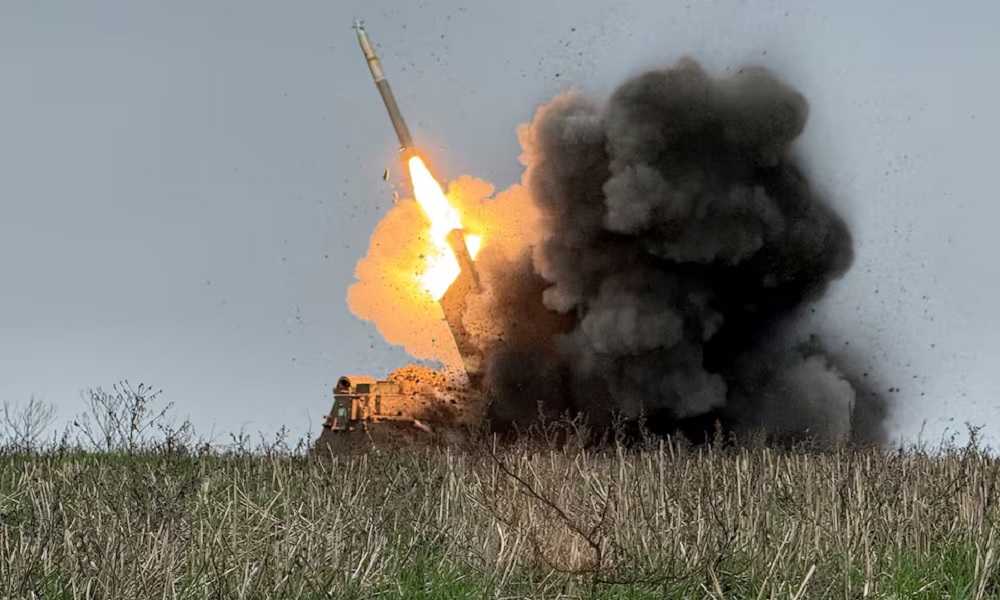
European Union leaders decided on Friday to borrow cash to fund Ukraine’s defence against Russia for the next two years rather than use frozen Russian assets, sidestepping divisions over an unprecedented plan to finance Kyiv with Russian sovereign cash.
“Today we approved a decision to provide 90 billion euros to Ukraine,” EU summit chairman Antonio Costa told a news conference early on Friday morning after hours of talks among the leaders in Brussels, Reuters reported. “As a matter of urgency, we will provide a loan backed by the European Union budget.”
The leaders also gave the European Commission a mandate to keep working on a so-called reparations loan based on Russian immobilised assets but that option proved unworkable for now, above all due to resistance from Belgium, where the bulk of the assets is held.
The idea of EU borrowing initially seemed unworkable as it requires unanimity and Hungary’s Russia-friendly Prime Minister Viktor Orban had opposed it. But Hungary, Slovakia and the Czech Republic agreed to let the scheme go ahead as long as it did not impact them financially.
The EU leaders said Russian assets, totalling 210 billion euros in the EU, will remain frozen until Moscow pays war reparations to Ukraine. If Moscow ever takes such a step, Ukraine could then use they money to pay back the loan.
USE OF RUSSIAN ASSETS TO COMPLEX AT THIS STAGE
“This is good news for Ukraine and bad news for Russia and this was our intention,” German Chancellor Friedrich Merz said.
The stakes for finding money for Kyiv were high because without the EU’s financial help, Ukraine would run out of money in the second quarter of next year and most likely lose the war to Russia, which the EU fears would bring closer the threat of Russian aggression against the bloc.
The decision follows hours of discussions among leaders on the technical details of an unprecedented loan based on the frozen Russian assets, which turned out to be too complex or politically demanding to resolve at this stage.
The main difficulty was providing Belgium, where 185 billion euros of the total Russian assets in Europe are held, with sufficient guarantees against financial and legal risks from potential Russian retaliation for the release of the money to Ukraine.
“There were so many questions on the Reparations Loan, we had to go to Plan B. Rationality has prevailed,” Belgian Prime Minister Bart De Wever told a news conference. “The EU has avoided chaos and division and remained united,” he said.
HUNGARY SCORES A WIN
With public finances across the EU already strained by high debt levels, the European Commission had proposed using the Russian assets for a loan to Kyiv or joint borrowing against the EU budget.
Using the latter option allowed Orban to claim a diplomatic victory.
“Orban got what he wanted: no reparation loan. And EU action without participation of Hungary, Czech Republic and Slovakia,” one EU diplomat said.
‘CAN’T AFFORD TO FAIL’
Several EU leaders arriving at the summit said it was imperative they find a solution to keep Ukraine financed and fighting for the next two years. They were also keen to show European countries’ strength and resolve after U.S. President Donald Trump last week called them “weak”.
“We just can’t afford to fail,” EU foreign policy chief Kaja Kallas said.
Ukrainian President Volodymyr Zelenskiy, who took part in the summit, urged the bloc to agree to use the Russian assets to provide the funds he said would allow Ukraine to keep fighting.
“The decision now on the table – the decision to fully use Russian assets to defend against Russian aggression – is one of the clearest and most morally justified decisions that could ever be made,” he said.

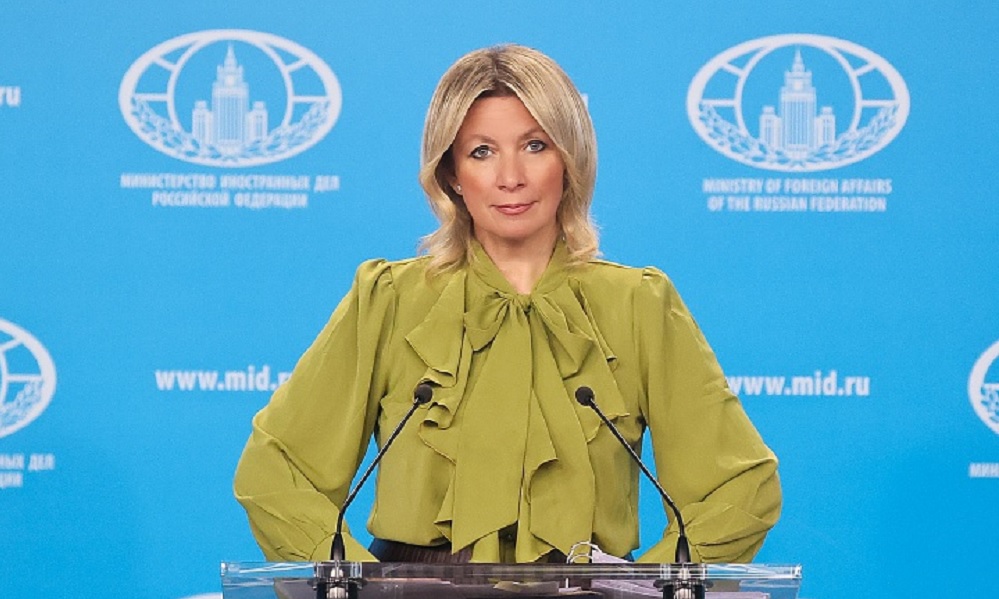

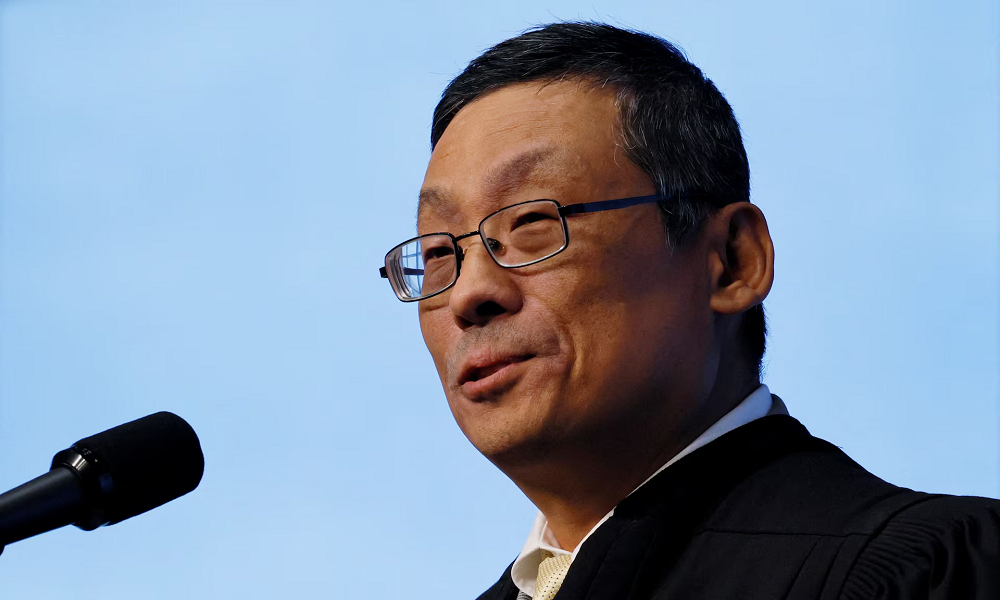

Malaysia said on Friday that it will resettle 10,000 Rohingya refugees in Turkey through a structured skills training programme, in what would be one of the biggest resettlement initiatives involving the Rohingya since a military crackdown on their native Rakhine state in 2017.
The plan announced by Malaysian Deputy Prime Minister Ahmad Zahid Hamidi came a day after the International Court of Justice ruled that the killings and widespread sexual violence against the Rohingya people by Myanmar’s security forces in 2017 amounted to state-sponsored genocide, Reuters reported.
The proposal is part of the government’s efforts to address the Rohingya refugee situation in Malaysia in a more “coordinated, effective and humane manner”, Ahmad Zahid said in a statement.
“I welcome the government of Turkey’s agreement to receive 10,000 Rohingya refugees. This marks an important step in Malaysia’s efforts to find a long-term solution to an issue that has long posed challenges for migration management and national security,” he said.
Ahmad Zahid said the initiative with Turkey could serve as a model for how countries can work together to manage refugee resettlement.
“The Government will work with the Turkish authorities, UNHCR and relevant agencies to coordinate participant selection, training, documentation and resettlement. Implementation will take into account industry needs, the consent of the individuals concerned and applicable international rules,” he said.
The Turkish foreign ministry did not immediately respond to a request for comment.
Malaysia has come under pressure to send Rohingya refugees back to Myanmar amid rising tensions with local communities. According to UNHCR, Malaysia had about 193,000 registered refugees from Myanmar at the end of February, around two-thirds of them Rohingya.
Malaysia has sent more than 10,000 Myanmar nationals back to their country since January.
World
Trump, Xi and Putin release ‘peace declaration’ from unprecedented summit
Trump greeted Putin as “my friend” and received a hug from Xi in the latest of the diplomatic spectacles he favors.
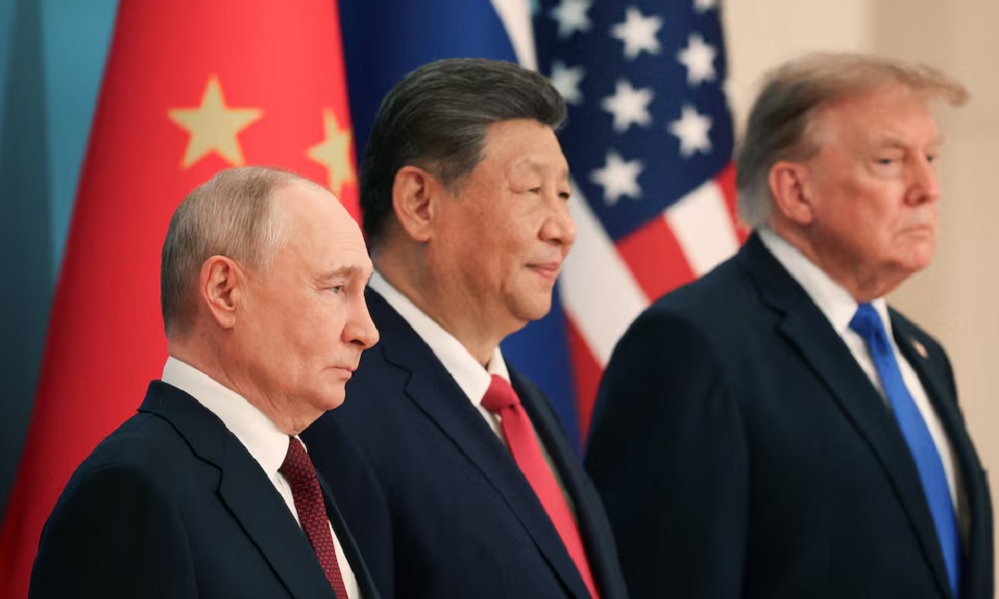
China, the United States and Russia agreed on a symbolic “peace declaration” at an unprecedented three-way summit on Thursday and reaffirmed that nuclear war should never be fought, but announced no plans for arms control talks long sought by Trump.
A joint declaration released by Chinese President Xi Jinping, US President Donald Trump and Russian President Vladimir Putin capped a three-day diplomatic swing by Trump through Asia that produced few tangible victories, despite his repeated boasts about making history and brokering peace, Reuters reported.
Instead, the trip raised fresh questions among US allies about his increasingly close relationships with Xi and with Putin, who continues to wage war against Ukraine.
Trump greeted Putin as “my friend” and received a hug from Xi in the latest of the diplomatic spectacles he favors.
Those meetings, which have included discussions with North Korean leader Kim Jong Un and summits with Putin, have drawn praise from some for his willingness to engage directly with US adversaries and criticism from others for giving autocrats a global stage.
The leaders pledged to advance reforms of the United Nations, to increase supplies of fuel products for all countries and to uphold the immunity enjoyed by state officials in international courts.
The declaration did not mention Russia’s war in Ukraine or the US conflict with Iran, and in a press conference afterwards, Putin acknowledged it did not set ambitious goals and added that nobody would be forced to comply with its decisions.
The powers “reaffirmed that a nuclear war cannot be won and must never be fought” and added that they would “conduct a dialogue on reducing nuclear risks and preventing proliferation of nuclear weapons,” without giving a time frame.
But the statement made no mention of negotiations on a trilateral nuclear arms reduction treaty, something Trump has pushed since his first term and that China has consistently rejected, arguing that its arsenal is much smaller than those of the other powers.
Trump referred to nuclear weapons at the start of the meeting, saying: “It’s not an easy thing to do – give them up.”
He told NBC afterwards that it “went great.”
“On a scale of zero to 10, I think it was a 12,” he said. “Fantastic relationships built.”
In a post on his Truth Social platform, Trump said he would hold a news conference in Washington at noon (1700 GMT) on Friday.
China’s Foreign Minister Wang Yi said the countries would maintain coordination at working level after the “peace summit.”
Analysts said Trump came to Shenzhen seeking to bolster his standing after his Republican Party lost control of Congress in midterm elections this month.
Trump told Reuters the Shenzhen summit was “bigger than Yalta,” referring to the 1945 conference between the US, Britain and the Soviet Union, which became shorthand for great-power deals.
He defended calling Putin a friend, saying that “it’s nice to have people that have 4,000 nuclear weapons as a friend as opposed to an enemy.”
He also called Xi a friend and “an amazing leader,” but acknowledged the difficulty of achieving nuclear-arms cuts, saying it was “psychologically very difficult” for leaders.
Charles Schumer, who leads Democrats in the US Senate, called the trilateral summit “a historic embarrassment that people will remember long into the future.”
“It’s a betrayal of the United States by a president who loves nothing more than to bow down to our adversaries for a photo op,” he said.
Daryl Kimball, executive director of the US-based Arms Control Association, called the reaffirmation that a nuclear war should not be fought “positive,” but said, “We need much more than rhetoric. We need action on disarmament diplomacy.”
The reference to immunity of state officials came more than three years after the International Criminal Court issued arrest warrants for Putin and other Russian officials over alleged war crimes in Ukraine. Moscow rejects the allegations.
“The pushback against international norms and courts is the most interesting aspect,” said Jonathan Eyal, international director at the Royal United Services Institute think-tank in London. “The big powers dictate, the small powers suffer.”
Eyal said Putin had been a winner from the summit and “gained credibility and escape from pariah status”, while Trump “gained a photo opportunity he didn’t need.”
VILLA BY A LAKE
The leaders met in a villa in wooded hills beside a lake in the southern Chinese city of Shenzhen.
“We are really making history,” Trump told Xi and Putin at the start of the meeting. “No peace was ever forged by declining opportunities for engagement.”
Xi in his turn said: “History tells us that when major powers live in harmony, the world is at peace. When major powers clash, the world falls into turmoil.”
European allies met in Berlin on Thursday to back Ukraine and warned against deciding peace terms over their heads.
“A ‘Yalta’ format will not bring peace,” German Chancellor Friedrich Merz told reporters, adding that leaders would not allow Europe to be divided up. He sought to downplay the Shenzhen summit as “a photo opportunity.”
“The US understands that there can be no peace without us,” he said.
Standing alongside Merz, Trump’s son-in-law and special envoy Jared Kushner stressed that Trump wanted a peace deal with Europe at his side and that Russia had agreed to engage in multilateral talks with Europe. He said Trump had dialled into the Berlin summit and came away from his meeting with Putin and Xi believing “peace is achievable.”
The US and Europe, close allies for decades after the end of World War Two, have moved apart as Trump has scaled back support for Ukraine and insisted NATO partners pay more for their own defence.
Asked by a reporter about Trump greeting Putin as “my friend” in Shenzhen, Ukraine’s President Volodymyr Zelenskiy simply shrugged and walked on.
The trilateral meeting was a diplomatic coup for Putin, with Russia’s economy barely a tenth the size of China’s and most of its businesses barred from trading with the West by sanctions.
Putin said the three countries had “numerous shared interests in the settlement of regional conflicts, including obviously the conflict in Ukraine.”
He rejected criticism comparing the summit to Yalta, saying that summit had not divided the world into spheres of influence but “codified the existing reality.”
Underlying diplomatic tensions could resurface in a few weeks when Trump hosts the Group of 20 summit at his golf resort in Florida, where he is expected to meet Xi again and potentially Putin.
Putin, whose presence would likely anger the US allies, said he would consider attending, having discussed it with Trump, but would need to take the situation in Russia into account.
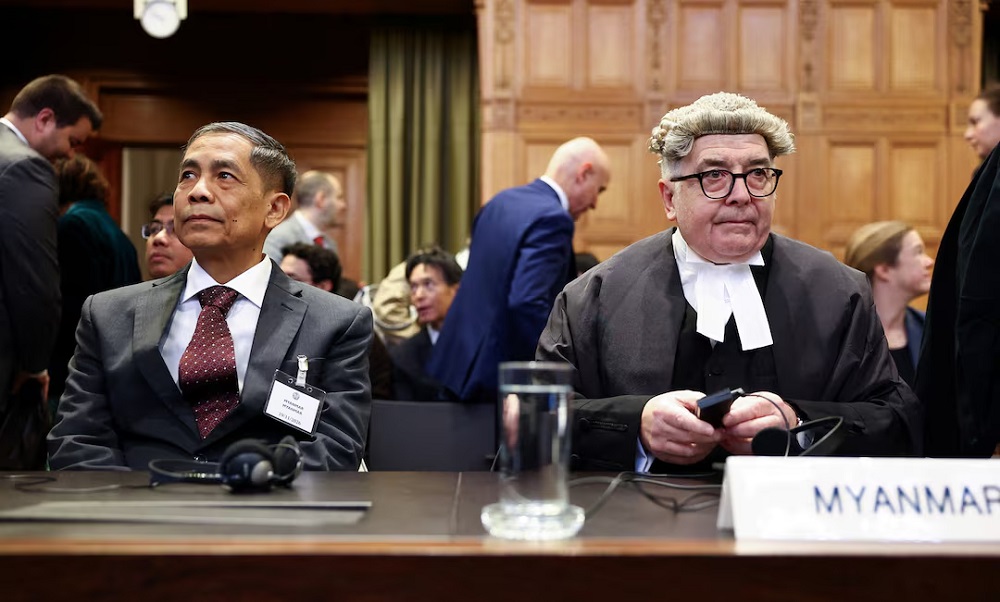
Myanmar’s security forces killed thousands of members of the Rohingya minority Muslim population and committed widespread sexual violence, judges at the World Court ruled on Thursday.
A reading of the verdict was ongoing, Reuters reported.
“The Court finds that Myanmar’s security forces killed thousands of Rohingya civilians, perpetrated widespread acts of sexual violence as well as acts of extreme violence against children and attacked fleeing Rohingya as they sought to flee in large numbers to Bangladesh,” the court said.

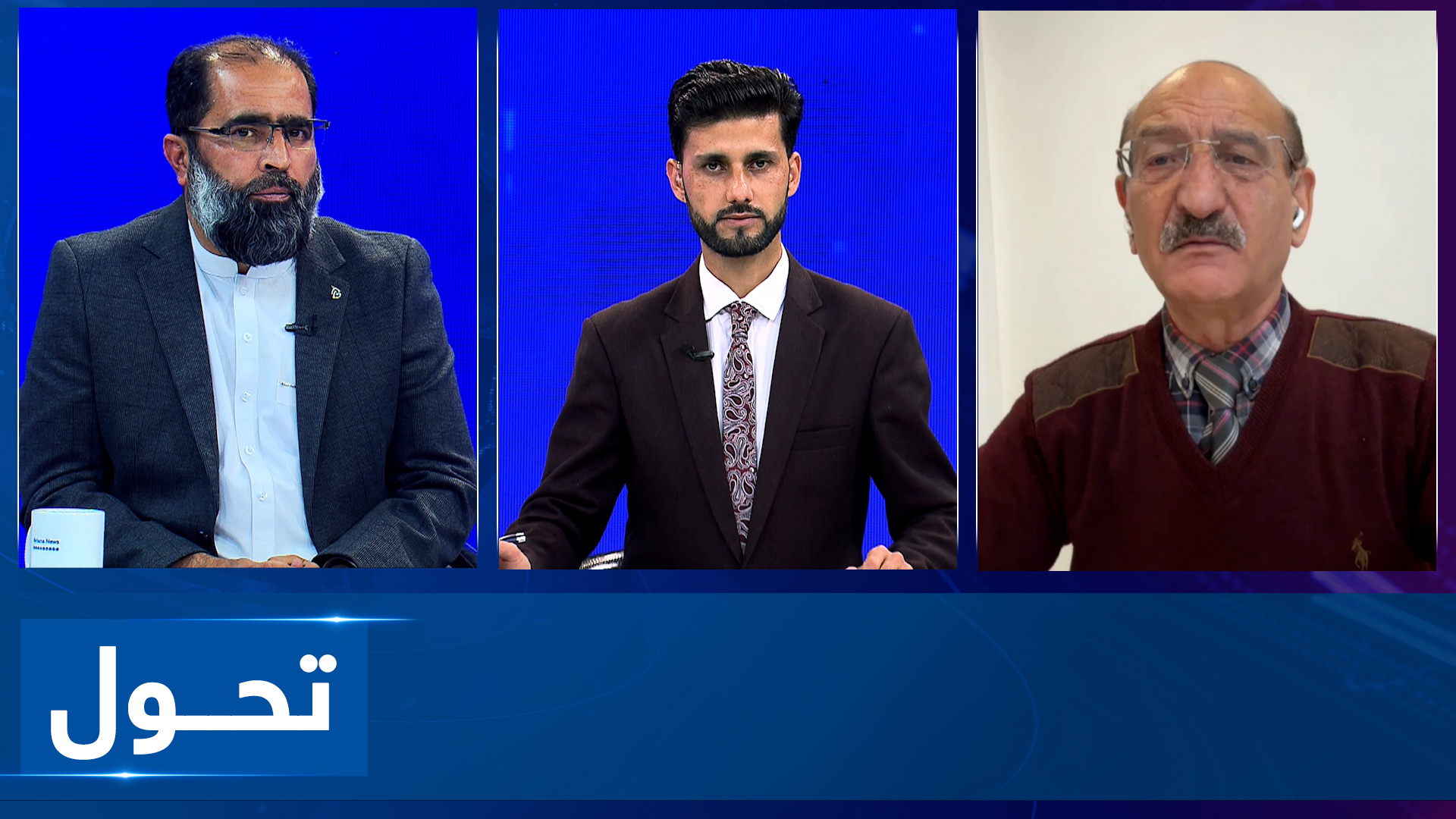
Tahawol: World Television Day discussed
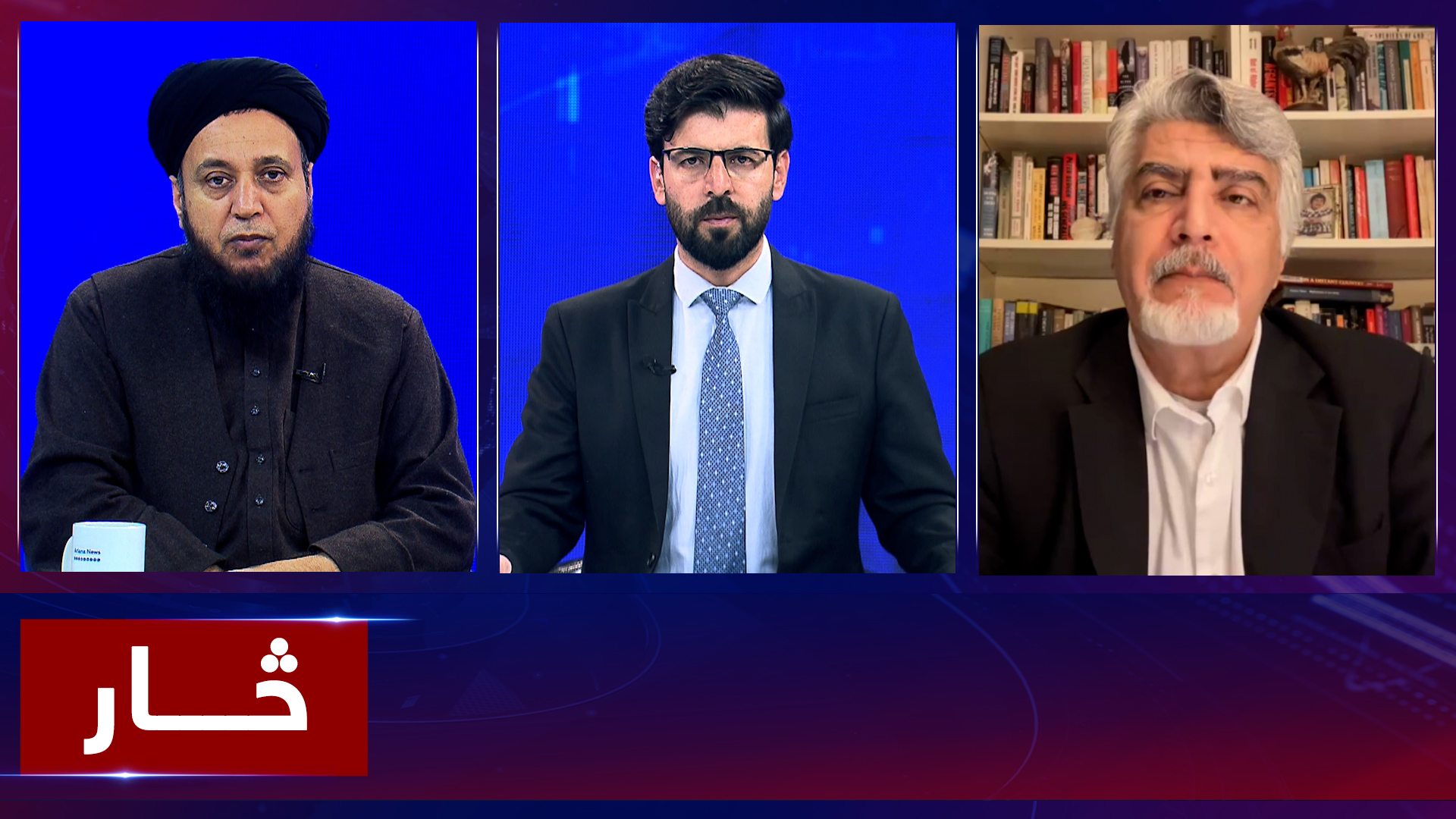
Saar: Efforts to resolve Afghanistan-Pakistan tensions in Moscow reviewed
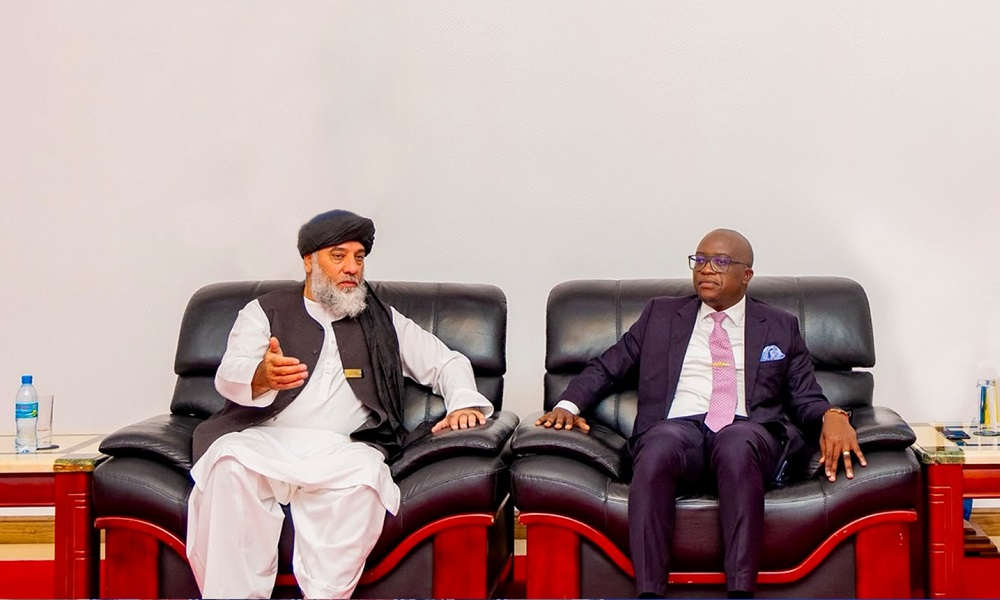
Afghanistan and Tanzania stress expanding cooperation in mining and trade
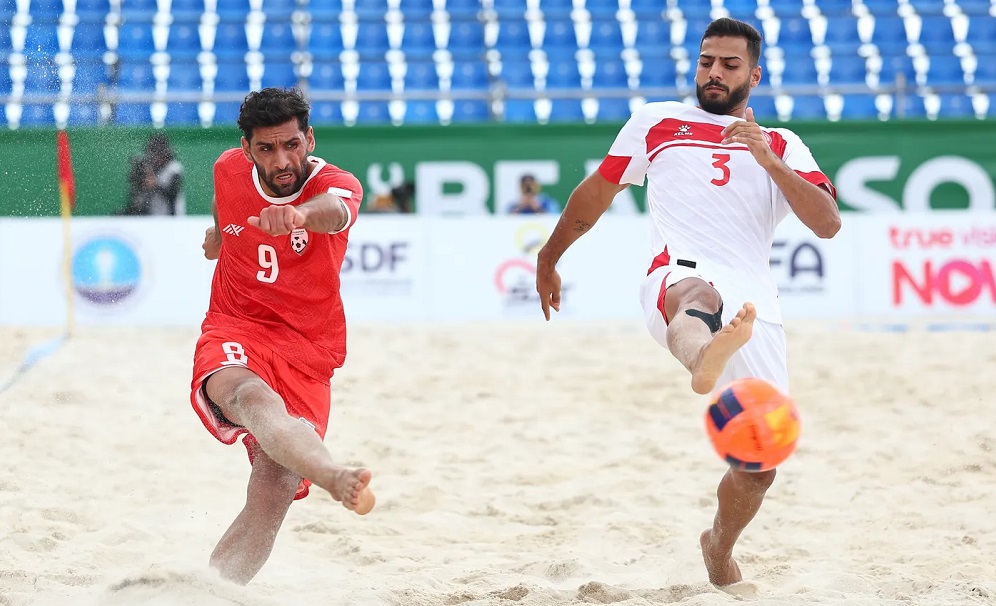
Lebanon defeat Afghanistan 5-0 in Beach Soccer Asian Cup
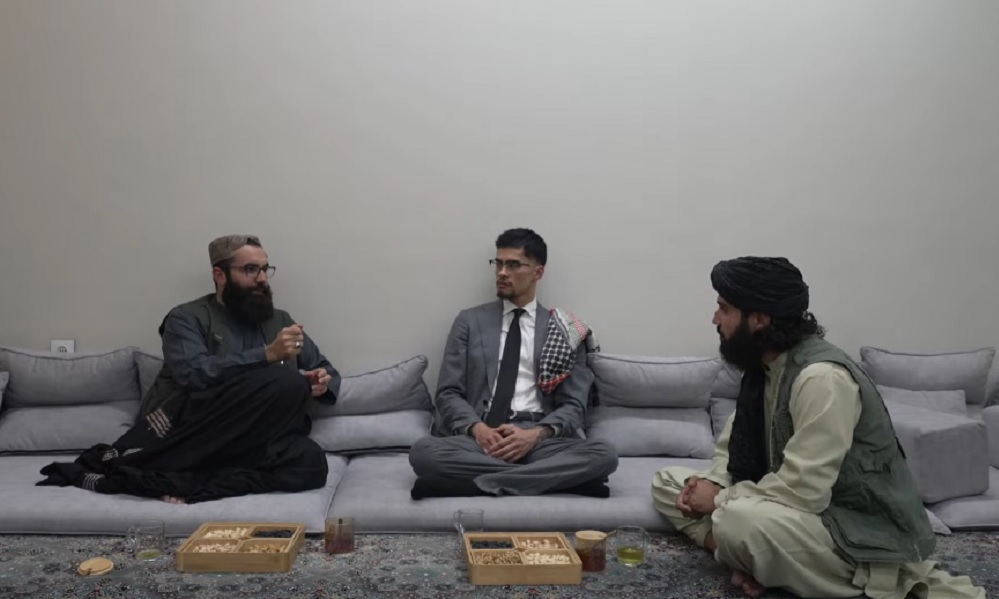
Bagram belongs to Afghanistan, not the United States: Anas Haqqani
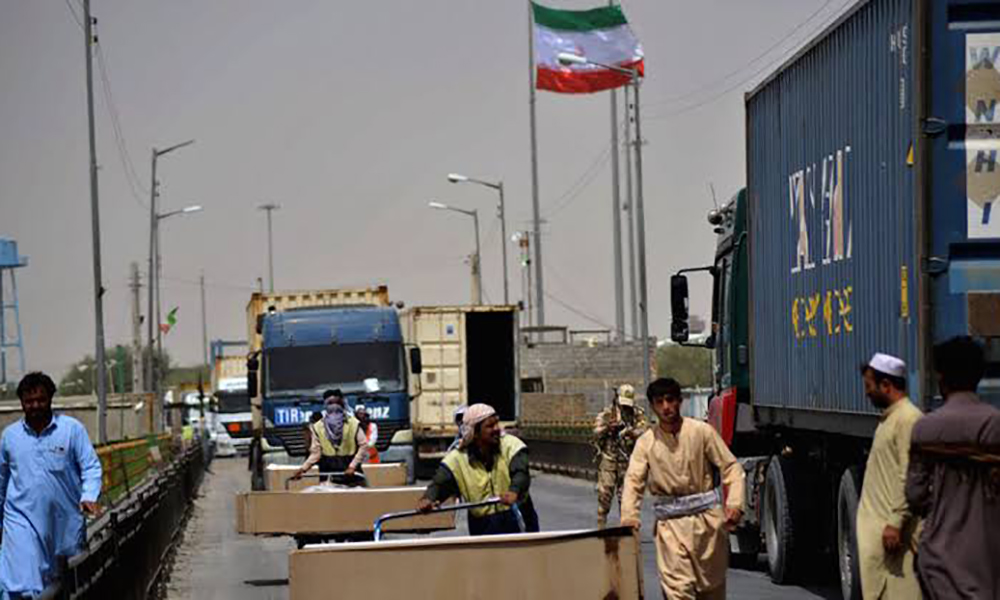
US sanctions and blockade measures disrupt Iran’s trade with Afghanistan and regional neighbors

Pakistan exporters suffer billions in losses as Afghanistan trade halt continues
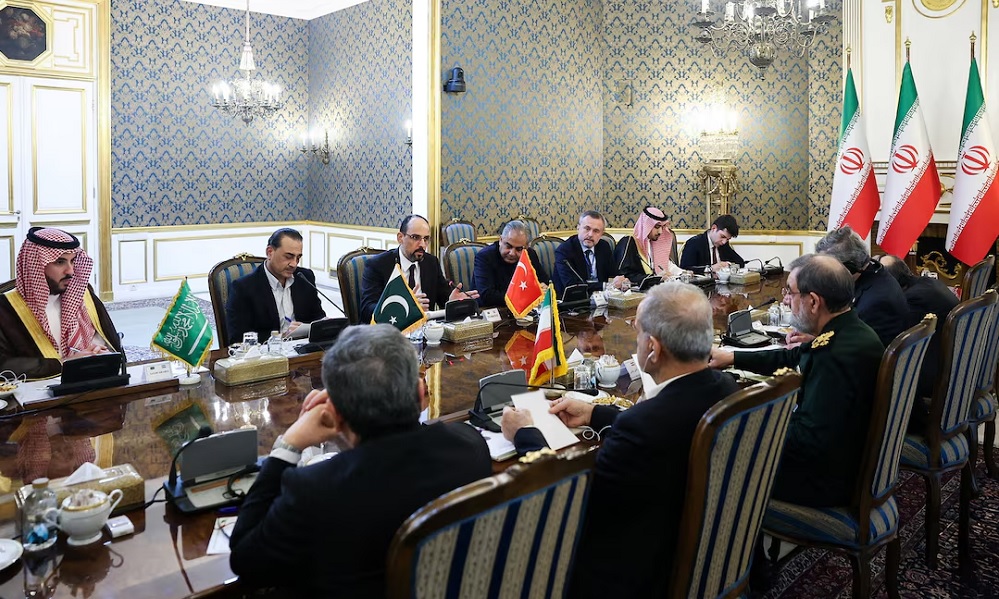
Saudi defence pact countries push for peace in Tehran as Houthis launch more attacks
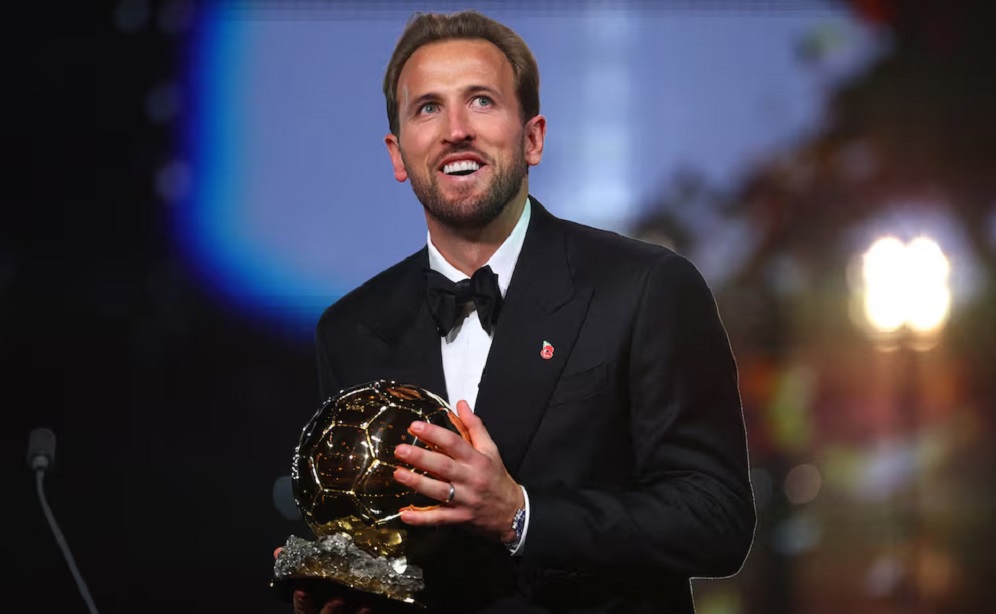
England forward Kane crowned Ballon d’Or winner

Afghanistan urges polio vaccination as cases reach 42
Tahawol: World Television Day discussed
Saar: Efforts to resolve Afghanistan-Pakistan tensions in Moscow reviewed
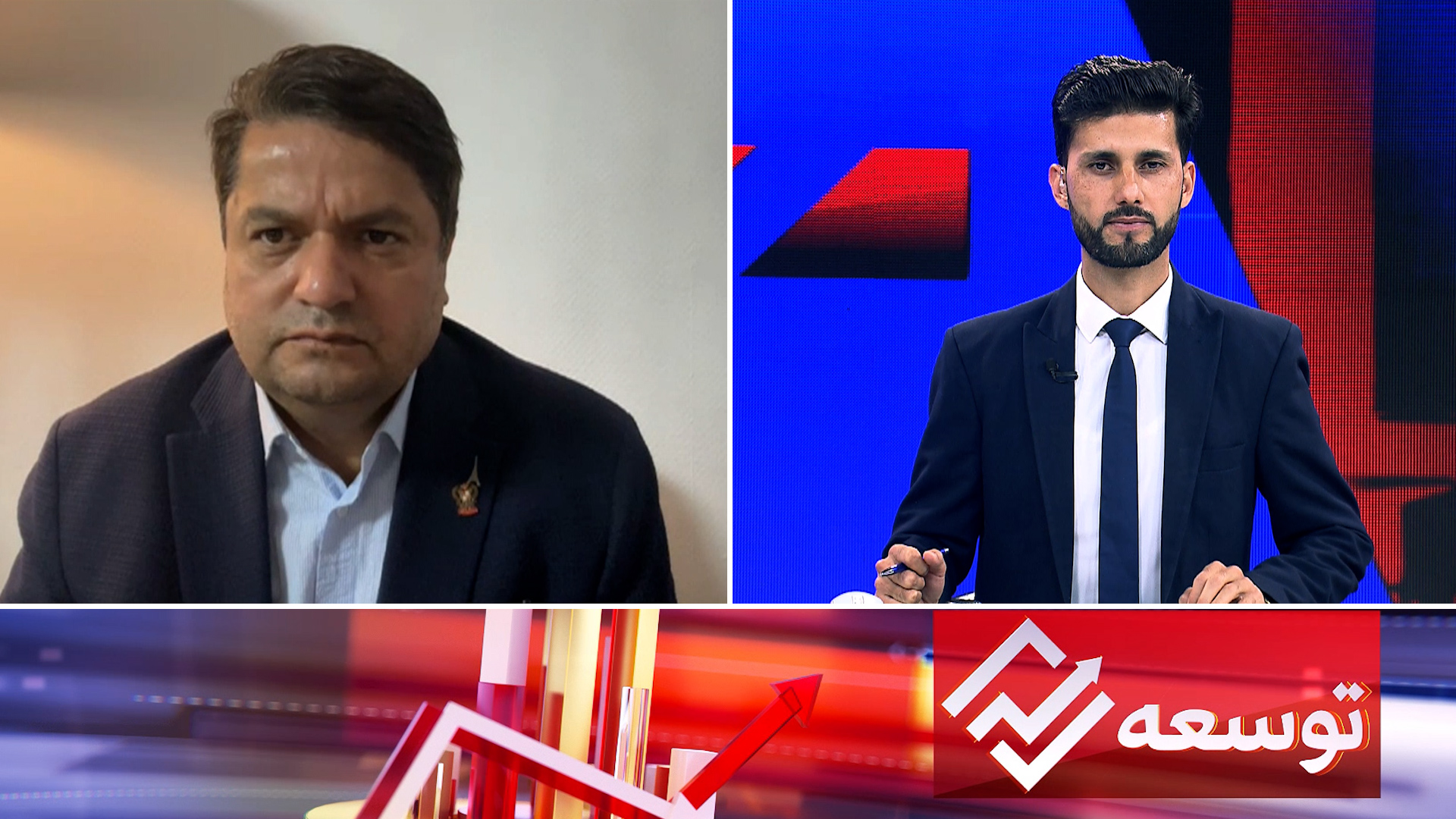
Tawsia: Afghanistan’s key economic highlights of the week discussed
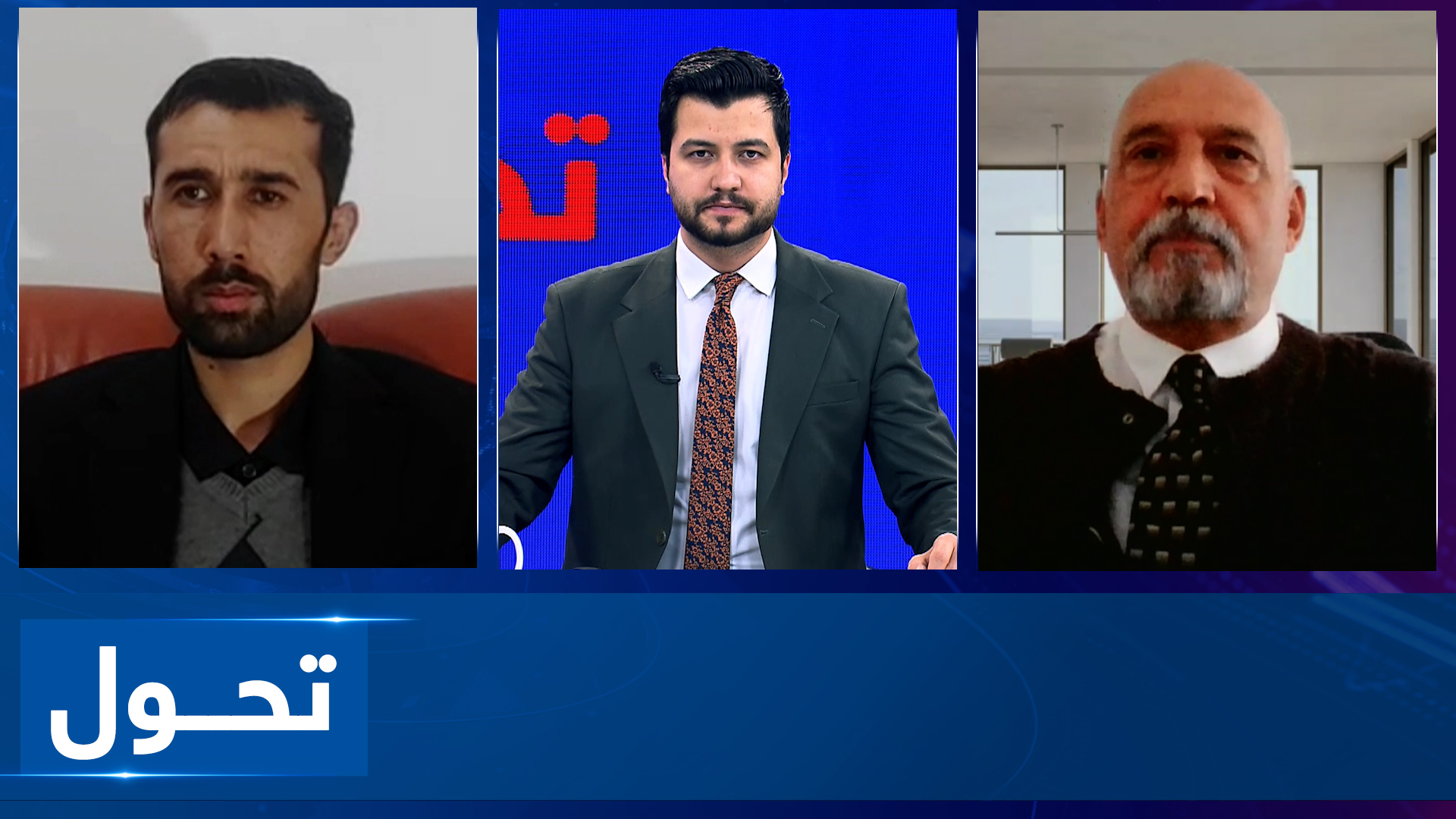
Tahawol: Kazakhstan’s call for practical international engagement with Afghanistan
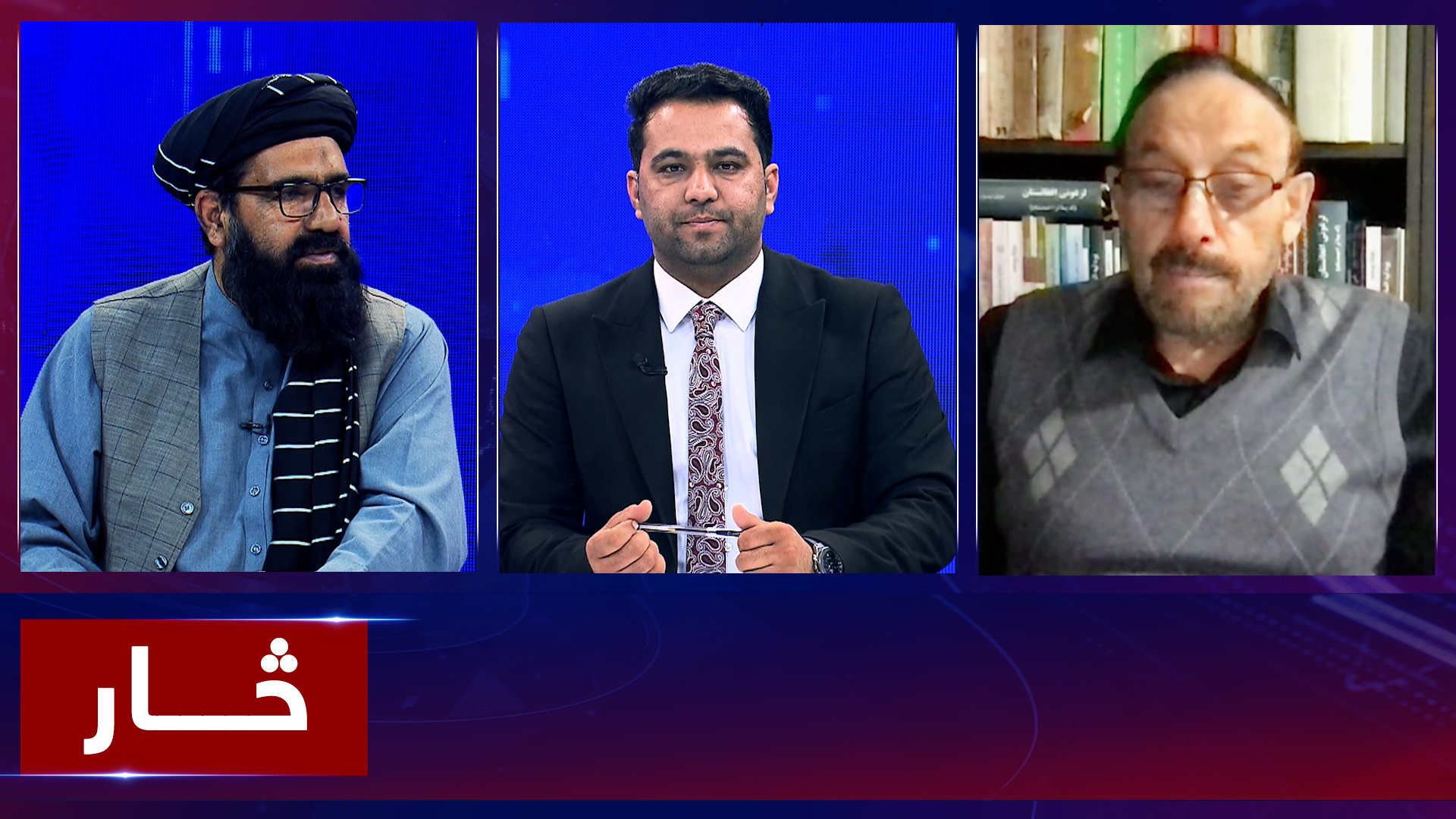
Saar: Afghanistan and UN: 80 years of diplomatic relations discussed
-
 Sport3 days ago
ATN to broadcast AFC Awards honoring Asia’s football stars
-
 Regional4 days ago
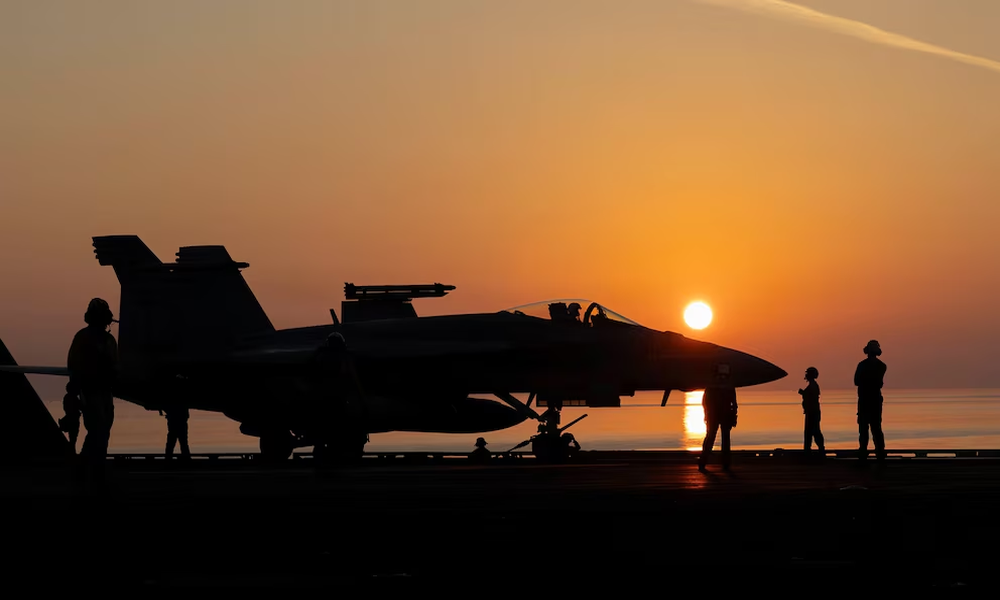
US strikes Iranian military site as Gulf states report fresh attacks
-
 Business5 days ago
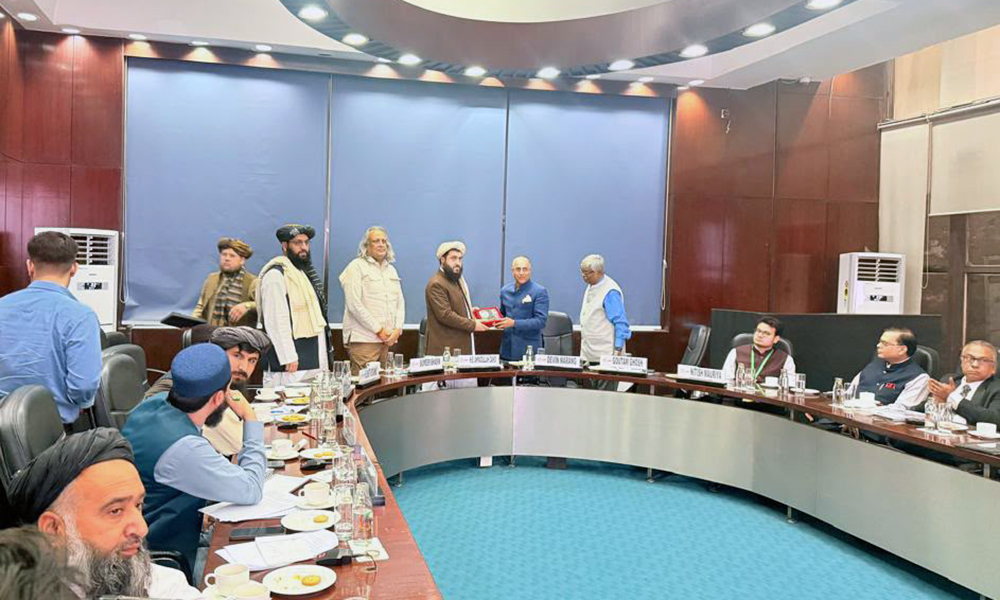
Afghanistan, India discuss expanding trade and investment ties
-
 Regional5 days ago
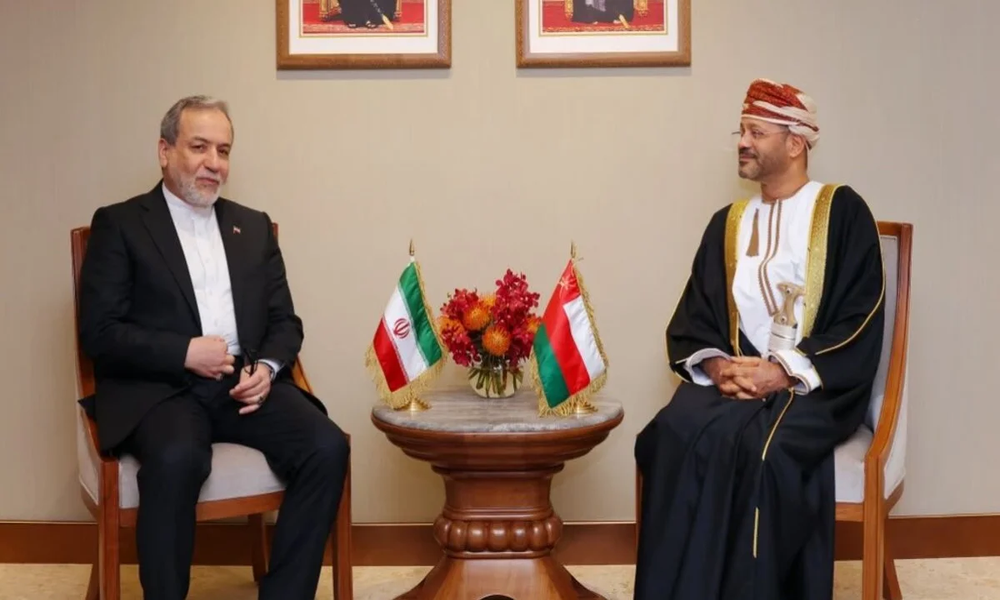
Oman and Iran discuss restoring shipping through Strait of Hormuz
-

 Latest News4 days ago
Afghanistan’s economy grows despite rising food insecurity and water crisis: World Bank
-
 Latest News5 days ago
IEA leader says he will not allow Muslims to fight to protect his power
-
 Latest News5 days ago
Germany reportedly approves visas for four new Afghan diplomats
-
 Sport4 days ago
Zimbabwe beat Afghanistan by 57 runs in second Test