
Latest News
Rubio says US will not govern Venezuela, rejects comparisons to Iraq and Afghanistan
Rubio dismissed those comparisons, saying the situation in Venezuela is fundamentally different. “This is not the Middle East,” he said. “This is the Western Hemisphere, and our mission here is very different.”

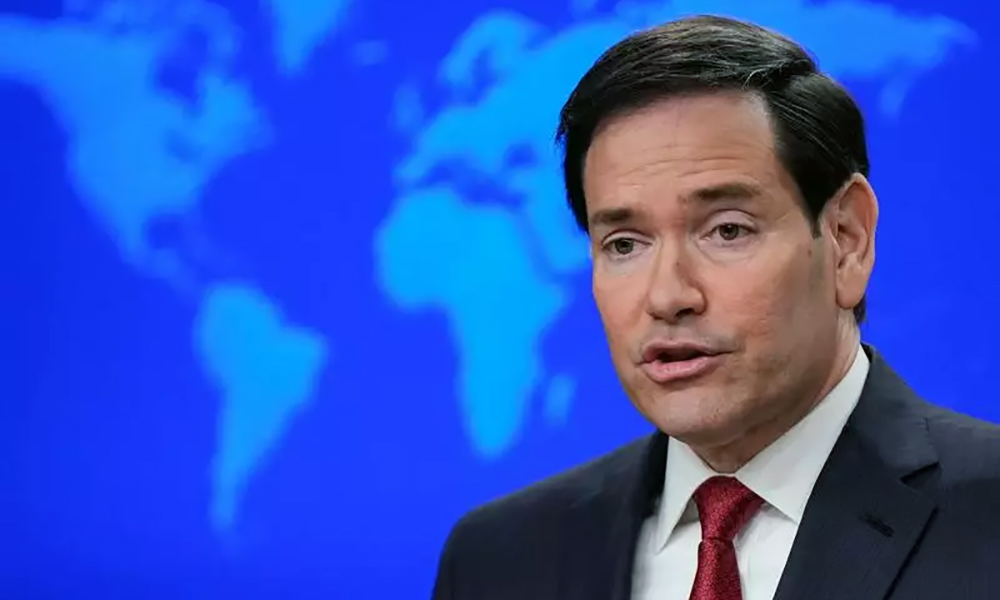
US Secretary of State Marco Rubio said Washington does not plan to govern Venezuela or engage in long-term nation-building, seeking to calm concerns that recent US actions could lead to a prolonged foreign intervention similar to those in Iraq or Afghanistan.
Speaking on US television on Sunday, Rubio said the United States’ role would be limited primarily to enforcing an existing “oil quarantine” on Venezuela following the removal of longtime leader Nicolás Maduro. His remarks came a day after President Donald Trump said the United States would be “running” Venezuela, comments that prompted widespread debate at home and abroad.
Rubio said the president’s comments had been misinterpreted and stressed that Washington does not intend to administer the country or manage its daily affairs. Instead, he said, the US would continue applying economic and political pressure to influence policy changes in Caracas.
On CBS’s Face the Nation, Rubio said the oil quarantine—implemented before Maduro’s removal—would remain in place. “We continue with that quarantine, and we expect to see changes, not just in the way the oil industry is run for the benefit of the people, but also to stop drug trafficking,” he said.
Rubio added that the US would maintain its blockade of sanctioned oil tankers, some of which have been seized, describing the measures as “tremendous leverage.” He said the pressure would remain until Washington sees changes it believes serve US interests and improve conditions for Venezuelans.
Venezuelan officials have rejected the US position and called for Maduro’s release. Legal experts have also questioned the legality of some US actions, including military strikes on vessels accused of drug trafficking, warning they could push the boundaries of international law.
Trump’s repeated references to “running” Venezuela have drawn criticism from Democrats and unease among some Republicans, particularly supporters of the “America First” movement who oppose overseas interventions. Analysts have also drawn comparisons to past US involvement in Iraq and Afghanistan.
Rubio dismissed those comparisons, saying the situation in Venezuela is fundamentally different. “This is not the Middle East,” he said. “This is the Western Hemisphere, and our mission here is very different.”
The situation continues to attract international scrutiny as the United States seeks to maintain pressure on Venezuela while assuring allies and domestic audiences that it does not intend to embark on another long-term foreign intervention.





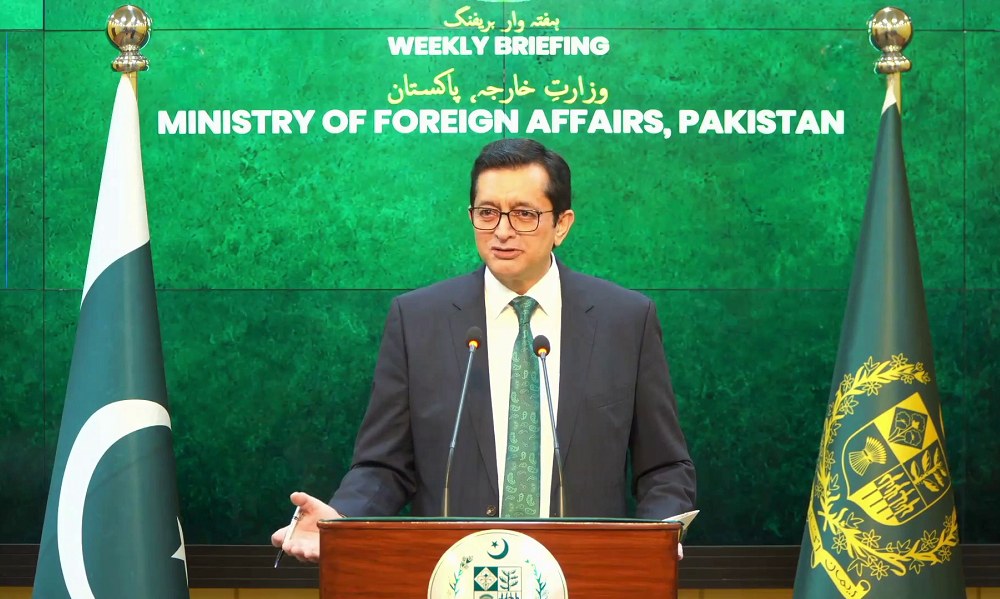
Sajjad Haider Khan, spokesperson for Pakistan’s Ministry of Foreign Affairs, says there is no government decision to return all Afghan students from Pakistan.
Khan said Afghan students who are enrolled in valid degree programmes and hold valid visas can remain in Pakistan and complete their education.
He added that students who are not registered at a university or do not hold valid visas have been instructed to return to Afghanistan.
The Pakistani official said students studying in foreign countries are expected to have both valid enrollment and valid visas for the purpose of their stay, stressing that both are necessary.
This comes after the Pakistan Medical and Dental Council recently decided to expel Afghan medical students from the country and instructed universities not to enroll new students.
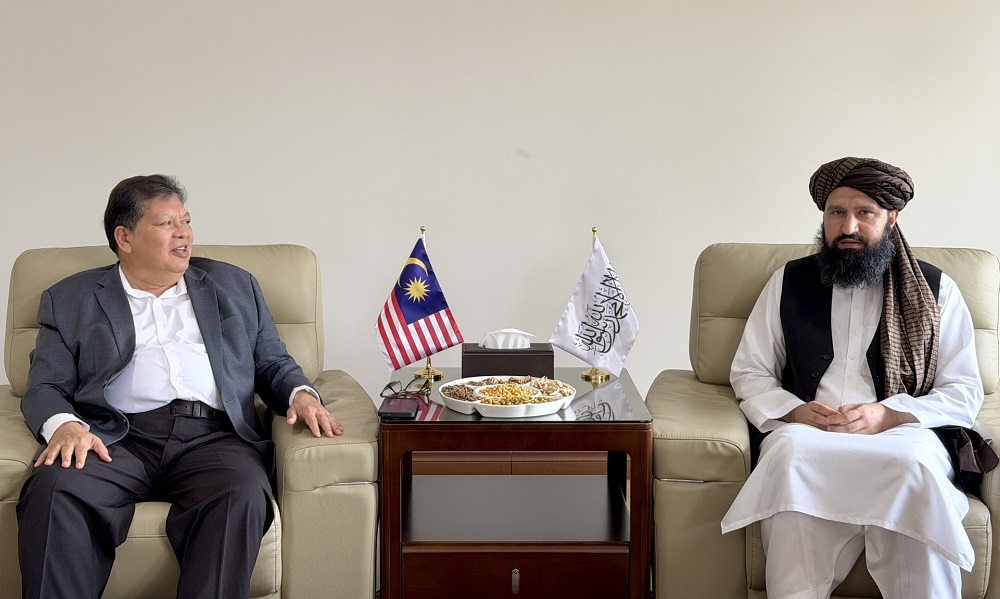
Naqibullah Ahmadi, Acting Ambassador of the Islamic Emirate of Afghanistan in Malaysia, met on Thursday with Tan Sri Dato Johari bin Abdul, Speaker of Malaysia’s House of Representatives, to discuss bilateral relations.
According to a statement from the Afghan Embassy in Malaysia, the two sides discussed the Islamic Emirate’s foreign policy, Afghanistan’s engagement with regional countries and the international community, as well as the country’s security situation, economic developments and investment opportunities.
The two sides also discussed further expanding bilateral relations between Afghanistan and Malaysia, joint cooperation in various sectors, and facilitating the movement of government officials, businesspeople and tourists between the two countries.
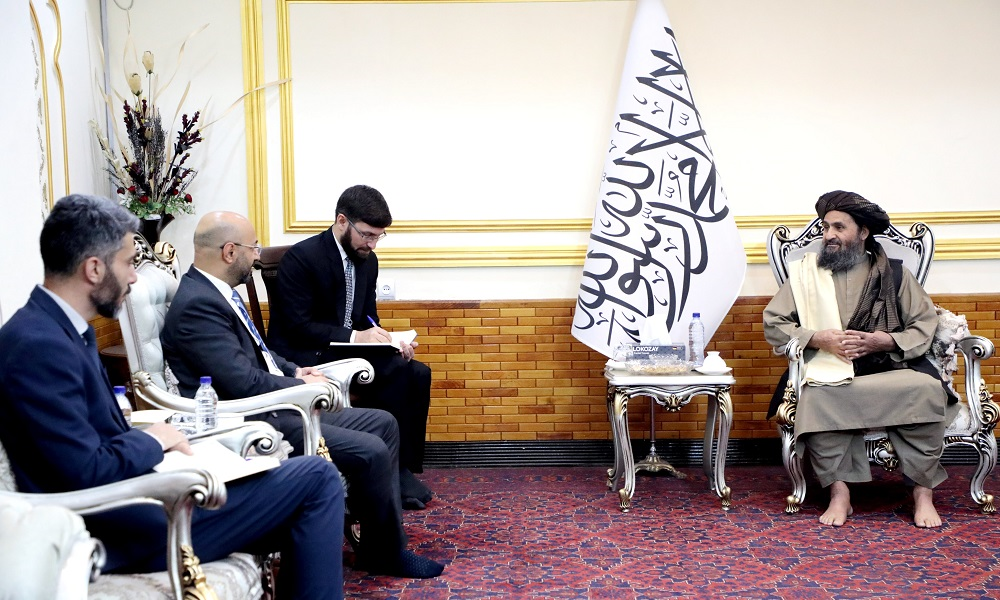
Mullah Abdul Ghani Baradar, Deputy Prime Minister for Economic Affairs, met on Thursday with Sadin Ayyıldız, Türkiye’s Ambassador to Afghanistan, to discuss expanding economic, trade and transit relations between the two countries, as well as resolving problems faced by Afghan migrants in Türkiye.
According to a statement from the deputy PM’s office, Baradar expressed appreciation for the activities of Turkish companies that have invested in various sectors in Afghanistan and called on other Turkish investors to invest in the country as well.
The Deputy Prime Minister for Economic Affairs said the Islamic Emirate would provide the necessary facilities for Turkish investors.
Baradar also stressed the need to resolve the problems of Afghan migrants in Türkiye and provide them with greater assistance and facilities.
Meanwhile, Ayyıldız welcomed the increase in trade between Afghanistan and Türkiye and said his country was ready to further expand its relations with Afghanistan in transport, transit, health, education and other economic sectors.
The Turkish ambassador added that Türkiye would continue its cooperation in strengthening relations between Afghanistan and the international community and in presenting a realistic image of Afghanistan to the world.
He also said Türkiye had introduced facilities for issuing visas to Afghans and would seek to provide further facilitation in this area.


Pakistan: Afghan students with valid visas can complete their education

Saar: UN reaffirming support for Afghanistan discussed

Acting Afghan ambassador meets Malaysian House Speaker over bilateral ties

Baradar discusses expanding economic and trade ties with Turkish envoy

Trump touts $5,000 payout if Republicans win as Vance waits in wings

Four mediators struggle to secure lasting Pakistan-Afghanistan ceasefire

HesabPay unveils new visa card and digital payment app in Kabul

AFC Champions League Elite draw nears as Al-Nassr seeded above Al-Hilal

Juma Khan Fateh surrenders to IEA forces in Badakhshan

Afghanistan’s trade diversification challenges Pakistan
Saar: UN reaffirming support for Afghanistan discussed

Saar: Pakistan’s decision to expel Afghan medical students discussed

Tahawol: Victory of Germany’s far-right party in state election discussed

Saar: UN Human Rights Council meeting on Afghanistan reviewed

Tahawol: Possible future scenarios for Ukraine crisis
-
 Business4 days ago
Saudi energy group signs major Afghanistan deals covering gas exploration and pipeline plans
-
 Latest News4 days ago
Khalilzad: Afghanistan ready to attract major investment
-
 Latest News5 days ago
Maryam Nawaz says Punjab faces greater security threats from neighbouring provinces
-

 Latest News2 days ago
Amnesty International condemns Pakistan order requiring Afghan medical students to return
-

 Regional5 days ago
US and Iran exchange fire on vessels near Strait of Hormuz
-
 Latest News2 days ago
Afghan Embassy in Islamabad calls for halt to expulsion of Afghan students
-

 International Sports5 days ago
Messi returns to Inter Miami after Argentina retirement
-
 Business5 days ago
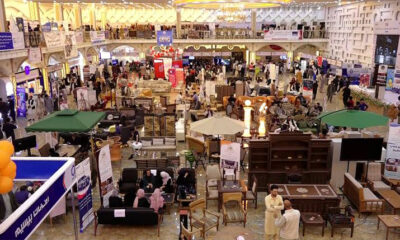
Imam Abu Hanifa exhibition to draw exhibitors from more than 20 countries