
Latest News
Abdullah Slams Ghani for Launch of e-NIC Amid Row over Ethnicity

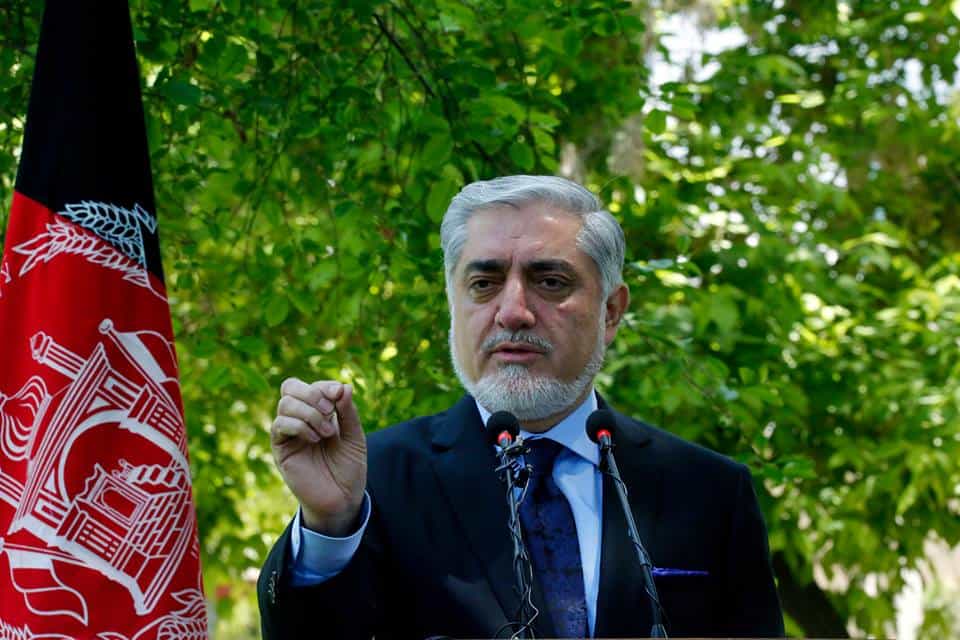
 The Chief Executive of the National Unity Government on Thursday strongly reacted at the launch of the long-disputed process of electronic National Identity Card (e-NIC).
Speaking during a press conference in Kabul after the inauguration of e-NIC by President Ashraf Ghani, Abdullah said the distribution process of e-NIC does not have the needed recognition and it can lead the war-torn country to further chaos and problems.
“I would once again declare that all the national processes which are not being consulted within the National Unity Government and with the people of Afghanistan are not legitimate and I will not be part of those processes,” Abdullah said.
He emphasized that national processes in the country need nation level consultations, adding that the distribution of e-NIC should not divide the nation.
“The reason I have not participated in distribution of e-NIC is that I know this process has not received the needed legitimacy and support from the Afghan people,” he added. “A one-sided decision that hasn’t been approved by all sides can only lead to crisis and more problems.”
According to the Chief Executive, the issue of e-NIC was discussed across the country. People had legitimate concerns, but no attention was paid to their legitimate concerns.
Meanwhile, he said security remains a top priority for the people of Afghanistan and the government should spend its time on the first needs of people.
“This year we will have troubles of drought and people living in poverty need work from us. Distribution of e-NIC is not the priority for those living in poverty and those losing loved ones to terror,” he said.
“As we talk today, We have serious security issues throughout the country. Right now, there is an attack going on against the Afghan forces in Dai Chupan of Zabul and we have lost soldiers and that should be our priority, not something that can divide the nation.”
He further accused President Ghani of misleading public perceptions, saying I don’t think anyone will ever believe the logic that the last terrorist attack was carried out by someone carrying a paper identity card.
In the issuance ceremony of the first e-NIC, Ghani said one of the key reasons why he started the process was because of Monday’s terrorist attacks.
This comes as the main problem on the distribution of the e-NIC is the use of the word “Afghan” which many say is synonymous with Pashtun ethnic group. Most non-Pashtuns say the designation should not be imposed as a nationality on the entire population.

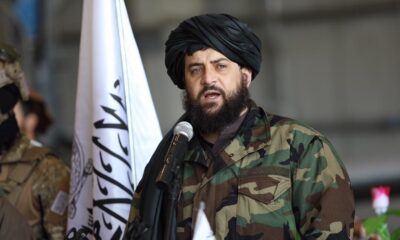






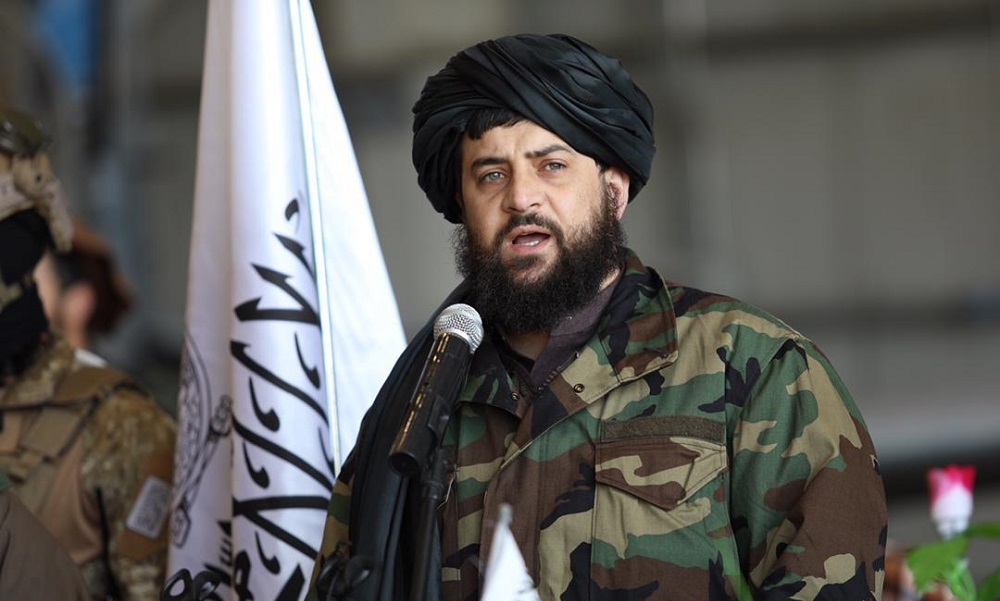
Mohammad Yaqub Mujahid, Minister of Defense of the Islamic Emirate of Afghanistan has emphasized the importance of acquiring both religious and contemporary knowledge.
Speaking at a madrasa graduation ceremony in Kandahar province, he urged communities to support schools and education, stating: “Do not let your children remain uneducated. Pursue all forms of knowledge, both modern and religious.”
He added that the Islamic Emirate is committed to serving the people, with some forces protecting the borders and others safeguarding lives and property.
Separately, in a voice message to a separate ceremony in Khost, Mullah Tajmir Jawad, First Deputy of the General Directorate of Intelligence, highlighted Afghanistan’s historical role as a center of religious and scholarly learning, influenced by the Transoxiana and Deoband schools of thought.
He noted that today, Afghanistan has tens of thousands of active madrassas, educating a large number of youth, and that the Islamic Emirate gives special attention to both religious and modern sciences.
He said that the Islamic Emirate is also focused on reforming madrasa curricula, improving teaching methods, maintaining discipline, and raising the overall quality of education.

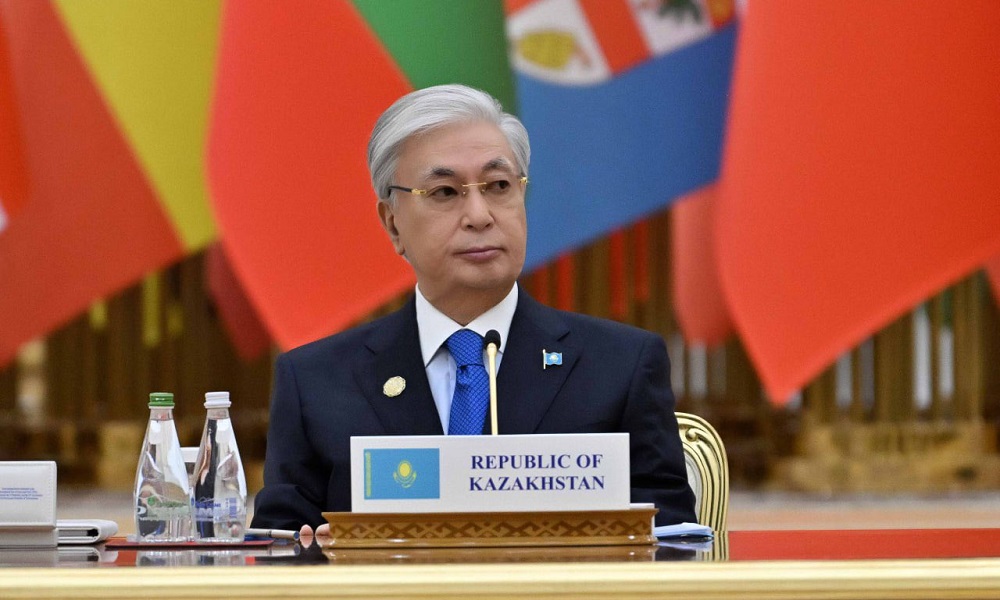
Kazakhstan’s President Kassym-Jomart Tokayev has emphasized the continuation of humanitarian assistance to Afghanistan, stating that the ongoing provision of such aid plays an important role in ensuring regional security.
Speaking at the international conference “Peace and Trust” in Ashgabat, the capital of Turkmenistan, Tokayev described addressing complex humanitarian challenges and the reconstruction of Afghanistan as a necessity.
“To ensure regional security, we consider it essential to continue providing assistance to Afghanistan, including by strengthening international efforts to address complex humanitarian issues and the reconstruction of this country. Kazakhstan remains committed to supporting the people of Afghanistan through humanitarian aid, educational projects, trade development, and food security initiatives,” he said.
Meanwhile, experts believe that sustainable improvement of the humanitarian situation in Afghanistan requires broad cooperation from the international community and support for the country’s economic development.
“Investment can be defined as one of the fundamental drivers of the economic cycle, and whenever Afghan traders do not take their money out of the country and instead invest domestically, it naturally leads to greater growth and dynamism in Afghanistan’s economy,” said Abdul Zahoor Modabber, an economic analyst.
As the humanitarian crisis in Afghanistan continues, reports by international relief organizations indicate that millions of citizens of the country are in urgent need of food, health, and livelihood assistance.
The reduction in funding for aid organizations, the impacts of climate change, and the return of migrants have increased concerns about a further deterioration of the humanitarian situation in the country.


Police detain organiser of Messi visit after Indian fans rip up seats

Defense Minister stresses importance of religious and modern education in Afghanistan

ILT20: Jahangir powers Dubai Capitals to nine-run win over Abu Dhabi Knight Riders

US delivers second batch of Afghan Black Hawk helicopters to Peru

Two US soldiers and an interpreter killed in suspected Daesh attack in Syria

Afghanistan records $580m in fruit exports in six months

Tashkent: Central Asian leaders say regional stability hinges on Afghanistan

Afghan Abdalyan beat Sri Lanka A by 3 wickets in Rising Stars Asia Cup opener

Afghanistan U19 cricket team defeats India A U19

Afghanistan economy under pressure as Pakistan shocks reshape trade flows

Saar: Iran’s regional meeting on Afghanistan discussed

Saar: Calls to avoid using Afghan soil against nations

Tahawol: UNSC meeting outcome regarding Afghanistan discussed

Saar: Ongoing Kabul–Islamabad tensions discussed

Tahawol: Pakistan’s warning on Afghanistan reiterated
-
 Latest News3 days ago
Muttaqi: Afghanistan’s progress requires both religious and modern education
-

 Sport5 days ago
ILT20: Desert Vipers edge Gulf Giants in historic super over thriller
-
 Business5 days ago
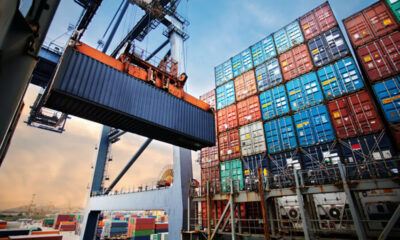
Trade bodies warn almost 11,000 Afghan transit containers stuck at Karachi port
-

 Latest News4 days ago
Trump calls Afghanistan a ‘hellhole’ country as US expands immigration restrictions
-
 Latest News2 days ago
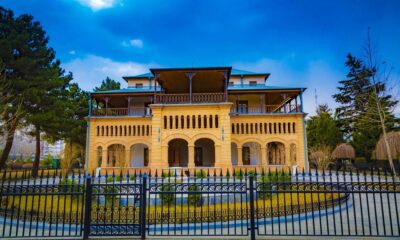
Dual-citizen Afghans don’t need a visa to enter the country: Foreign Ministry
-

 Sport4 days ago
Commanding wins for Arman FC and Sarsabz Yashlar in Afghanistan Champions League
-
 Sport5 days ago
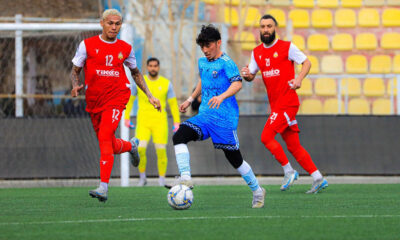
ACL: Aino Mina 1–0 Jawanan Perozi; Abu Muslim Farah 2–1 Khurasan Faryab
-
 Latest News5 days ago
Afghan higher education minister seeks expanded academic ties with Iran