
Latest News
Afghan refugees remain on edge after mass deportations from Tajikistan
UNHCR reports that at least 1,288 Afghans, including 1,152 refugees and asylum seekers, were deported this summer.


Afghan refugees in Tajikistan remain anxious months after mass deportations in July, with many new arrivals afraid to leave their homes.
A 53-year-old refugee in Vahdat said he has barely let his teenage sons out since Tajik authorities arrested and deported his cousin, who had previously worked for Afghanistan’s former republic government. His cousin has been in hiding in Afghanistan since the deportation.
UNHCR reports that at least 1,288 Afghans, including 1,152 refugees and asylum seekers, were deported this summer, many holding valid passports or government-issued documents. “UNHCR urges the Government of Tajikistan to uphold its commitments to refugee protection, and ensure any returns to Afghanistan are voluntary, safe, and dignified,” said Dumitru Lipcanu, acting UNHCR representative to Central Asia.
Tajikistan’s Afghan refugee population is estimated at 10,000–13,000, concentrated in towns like Vahdat and Rudaki. The government claimed the deportations targeted individuals accused of drug trafficking, extremist activity, or violating migration laws. However, many deported Afghans, including the 53-year-old refugee’s cousin, held proper documentation.
Newer arrivals, unfamiliar with local rules, were particularly affected. Afghan refugees must follow unwritten norms, such as keeping beards trimmed and avoiding alcohol, which contribute to their sense of vulnerability. A 24-year-old refugee described life in Tajikistan as “freedom” compared to the homeland, despite the threat of deportation.
Experts say the deportations reflect heightened caution in Dushanbe, which initially welcomed Afghan refugees but hardened its stance after 2021. Tajikistan previously deported smaller groups, including 41 Afghans in December 2024. Moscow’s recognition of the Islamic Emirate may also have influenced the country’s policy, according to the charity Open Doors.



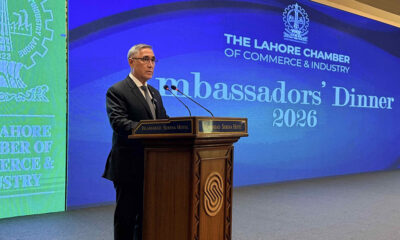








Kazakhstan’s Foreign Minister Mukhtar Tileuberdi has called for pragmatic and coordinated international engagement with Afghanistan, saying the country’s long-term stability is closely linked to the security and sustainable development of Central Asia.
Speaking during the general debate of the 81st session of the United Nations General Assembly in New York on Friday, Tileuberdi said humanitarian assistance to Afghanistan remains essential but alone cannot break the cycle of poverty, displacement and dependency.
He said Kazakhstan supports a “pragmatic, coordinated and step-by-step” approach to international engagement with Afghanistan, with the United Nations playing a central role.
Tileuberdi also said Kazakhstan is working with the UN to operationalize the United Nations Regional Centre for the Sustainable Development Goals for Central Asia and Afghanistan in Almaty.
He said the success of the centre should be measured by the results and assistance it delivers to the region.


Saar: Concerns over Pakistan’s political crisis discussed

Afghanistan Champions League: Omar Zawak Herat beat Toofan Herat 1-0

Blast in Pakistan’s Dera Ismail Khan kills 11, injures 30

Ariana Afghan Airlines increases Kabul-Delhi cargo flights

Khalilzad questions Pakistan’s commitment to Afghan welfare

Saudi energy group signs major Afghanistan deals covering gas exploration and pipeline plans

Trump floats idea of renaming Atlantic or Pacific Ocean

US hits Egyptian bank branches with Iran sanctions as war marks six months

Nepal flood rescue mission enters critical phase as thousands remain missing

Iranian clubs to face Gulf opponents at neutral venues in Asian Champions League Elite
Saar: Concerns over Pakistan’s political crisis discussed

Exclusive interview with Abdul Latif Mansoor, Minister of MRRD

Tawsia: Overview of Afghanistan’s iron mines

Tahawol: Discussion on fresh Pakistani airstrikes on Afghanistan

Saar: Calls for international support for Afghanistan discussed
-

 World5 days ago
CNN, MS NOW and Politico sue Trump, challenging White House ban
-

 Latest News3 days ago
Ariana Afghan Airlines ranks seventh among 45 Central Asian airlines
-

 Latest News4 days ago
UN reiterates call for respect for international law after Kunar airstrikes
-
 Latest News5 days ago
Khalilzad condemns Pakistan airstrikes, says current strategy is not working
-

 Regional3 days ago
US and Iran hold first talks since June after Trump’s ‘annihilation’ threat
-

 Latest News3 days ago
Silk Road highway in Wakhan corridor now reaches the China border
-

 Latest News4 days ago
Afghan Official: Pakistan’s airstrikes will not go unanswered
-

 Sport4 days ago
Afghan boxing referee heads to China for international festival