
Latest News
1,000 Afghan Security Forces Die Monthly


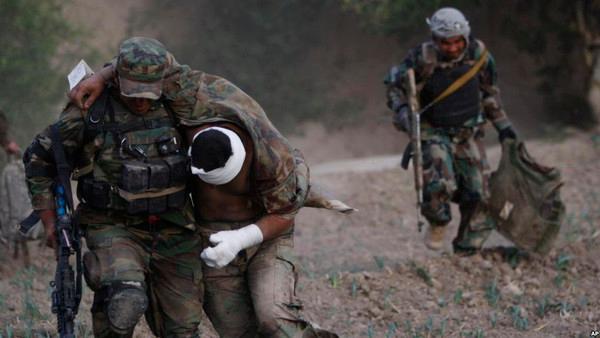
The opposition groups killed so many Afghan security forces in 2018, an average of 1,000 every month.
The daily fatalities among Afghan soldiers and policemen were more than double that last week: roughly 57 a day.
The shockingly high rates of Afghan troops’ casualties have drawn harsh reactions in the country.
Previously, Afghan President Ashraf Ghani has admitted that the government’s wrong decisions in replacing military forces have caused the casualties hit a high record.
Ghani declared that the excessive political and social interference had caused the military outposts to be formed in inappropriate places and Afghan security forces to be surrendered for thousands of times.
Earlier, the Trump administration has also urged Afghan troops to retreat from sparsely populated areas of the country, all but ensuring the Taliban will remain in control of vast stretches of the country.
U.S. commanders and officials have warned repeatedly that Afghan forces have been suffering unsustainably high casualties against the Taliban, partly because of tactics that include a heavy reliance on vulnerable static checkpoints.
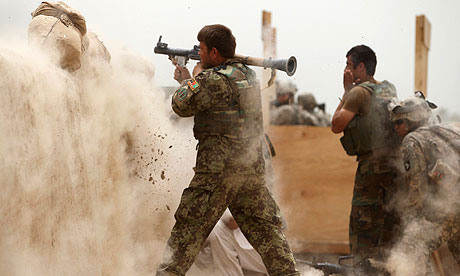
The Afghan Defense Minister, Tariq Shah Bahrami in a summoning session at the Upper House of Parliament has stated that Afghan troops had a heavy blow last month which 513 national army forces were killed and 718 others were wounded during the clashes.
The Minister of Interior, Wais Ahmad Barmak has also noted that around 30 soldiers being killed every day; the figure underlines the challenge for the National Unity Government.
U.S. officials say Afghan troops defending checkpoints suffer as much as 10 times the level of casualties as they do when conducting offensive operations.
Now the question which remains is when the President and senior security officials admitted the Afghan troops’ casualties are on the rise, then why no measures are taken to prevent the casualties?
“There is a lack of management. The International partners give minor facilities to Afghan forces,” Muhammad Agul Mujahed, a former military commander said.
Meanwhile, the Defense Minister has told Afghan Senators that the casualties of opposition groups are four times higher compared to Afghan troops.
Bahrami added the rate of recruiting soldiers has increased, despite the number of casualties raised.
This comes as about 513 national army forces were killed and 718 others were wounded during the clashes with the opposition group last month.

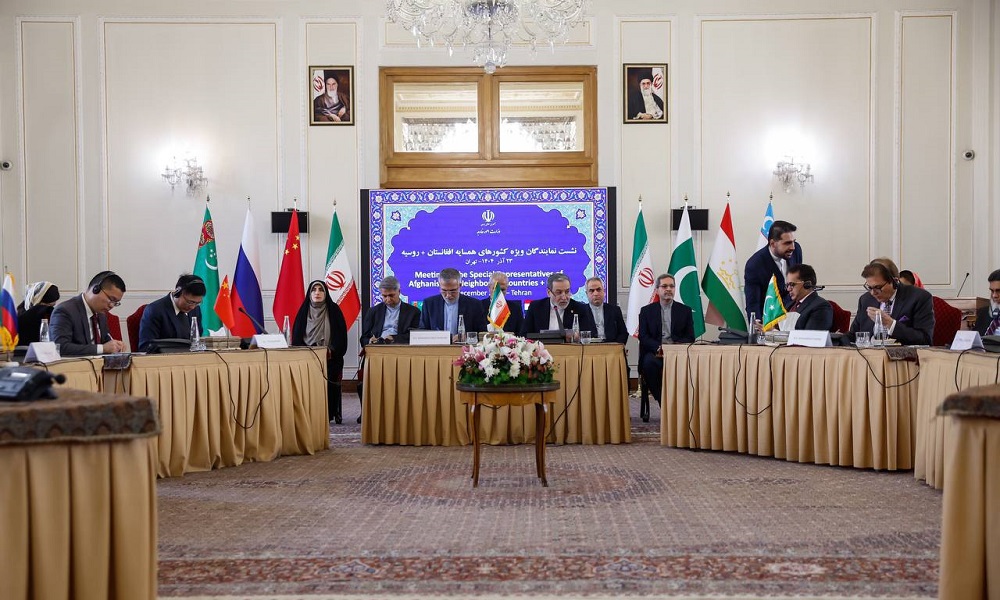
Iranian Foreign Minister Seyed Abbas Araqchi said on Sunday that the security, stability and prosperity of Afghanistan are directly linked to the interests of its neighbouring countries, stressing that regional cooperation is essential for lasting peace and development.
Speaking at a regional meeting on Afghanistan in Tehran, Araghchi said no extra-regional or imposed solutions can resolve Afghanistan’s challenges, arguing that neighbouring states are the most natural and reliable partners in addressing regional crises. He said Iran has consistently emphasized the central role of neighbours in all initiatives related to Afghanistan.
Highlighting Afghanistan’s geo-economic position at the crossroads of Central, West and South Asia, Araghchi said the country’s stability and development are not only a humanitarian necessity but also a strategic requirement for the entire region.
He noted that Iran, as a long-standing neighbour and close partner of the Afghan people, supports Afghanistan’s full regional integration. Araghchi added that the failure of security-centric and externally imposed approaches, including NATO’s two-decade military presence and the hasty U.S. withdrawal in 2021, demonstrated the limits of outside intervention.
The Iranian foreign minister called for regular dialogue mechanisms among Afghanistan’s neighbours to prevent misunderstandings, improve coordination on economic, border and humanitarian issues, reduce tensions and strengthen regional cooperation.
Meanwhile, Pakistan’s special envoy for Afghanistan, Mohammad Sadiq, said Islamabad’s concerns over terrorism must be addressed resolutely, adding that Pakistan supports peace, development and security across the region.
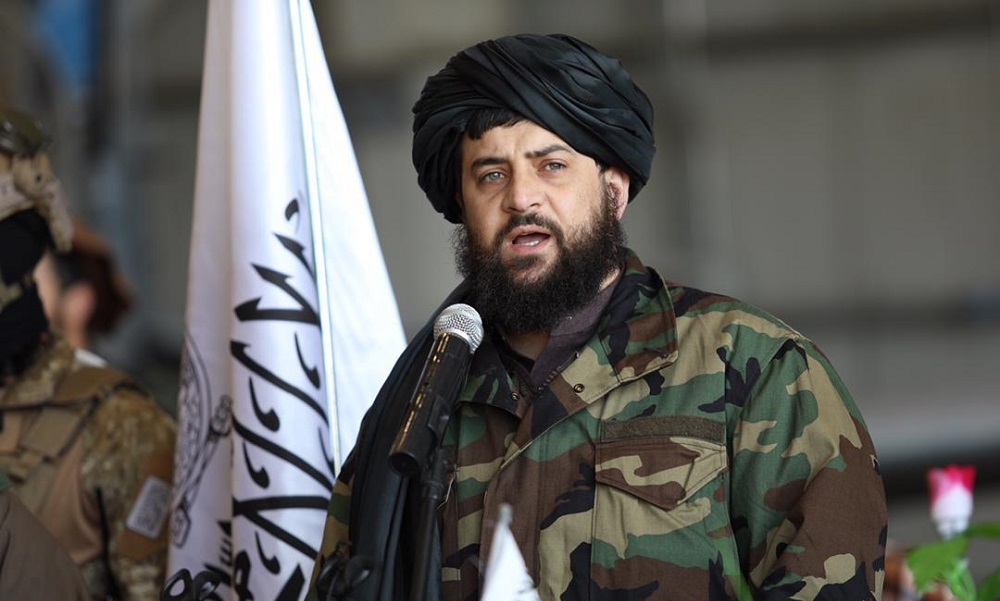
Mohammad Yaqub Mujahid, Minister of Defense of the Islamic Emirate of Afghanistan has emphasized the importance of acquiring both religious and contemporary knowledge.
Speaking at a madrasa graduation ceremony in Kandahar province, he urged communities to support schools and education, stating: “Do not let your children remain uneducated. Pursue all forms of knowledge, both modern and religious.”
He added that the Islamic Emirate is committed to serving the people, with some forces protecting the borders and others safeguarding lives and property.
Separately, in a voice message to a separate ceremony in Khost, Mullah Tajmir Jawad, First Deputy of the General Directorate of Intelligence, highlighted Afghanistan’s historical role as a center of religious and scholarly learning, influenced by the Transoxiana and Deoband schools of thought.
He noted that today, Afghanistan has tens of thousands of active madrassas, educating a large number of youth, and that the Islamic Emirate gives special attention to both religious and modern sciences.
He said that the Islamic Emirate is also focused on reforming madrasa curricula, improving teaching methods, maintaining discipline, and raising the overall quality of education.



Father and son behind Bondi Jewish festival shooting that killed 15, Australian police say

ATN to broadcast ‘The Best FIFA Football Awards 2025’

Tahawol: Intertwined interests of neighbors and Afghan security dynamics discussed

Saar: warning to those who disrupt Afghanistan’s stability

Afghan economy posts second year of growth despite deep structural challenges

Afghanistan records $580m in fruit exports in six months

Tashkent: Central Asian leaders say regional stability hinges on Afghanistan

Afghan Abdalyan beat Sri Lanka A by 3 wickets in Rising Stars Asia Cup opener

Afghanistan U19 cricket team defeats India A U19

Afghanistan economy under pressure as Pakistan shocks reshape trade flows
Tahawol: Intertwined interests of neighbors and Afghan security dynamics discussed
Saar: warning to those who disrupt Afghanistan’s stability

Saar: Iran’s regional meeting on Afghanistan discussed

Saar: Calls to avoid using Afghan soil against nations

Tahawol: UNSC meeting outcome regarding Afghanistan discussed
-
 Latest News2 days ago
Islamic Emirate declines to attend Tehran meeting on Afghanistan
-
 Latest News4 days ago
Muttaqi: Afghanistan’s progress requires both religious and modern education
-
 Latest News3 days ago
Dual-citizen Afghans don’t need a visa to enter the country: Foreign Ministry
-

 Latest News5 days ago
Trump calls Afghanistan a ‘hellhole’ country as US expands immigration restrictions
-

 Sport5 days ago
Commanding wins for Arman FC and Sarsabz Yashlar in Afghanistan Champions League
-

 Sport4 days ago
Victories for Sorkh Poshan Khafi and Abu Muslim Farah in Afghanistan Champions League
-

 World5 days ago
Shooting at Kentucky State University kills one, suspect in custody
-
 Latest News4 days ago
‘Media freedom is increasingly restricted’ in Afghanistan: Gagnon