
Business
Afghanistan and Iran usher in new trade chapter after railway link inaugurated

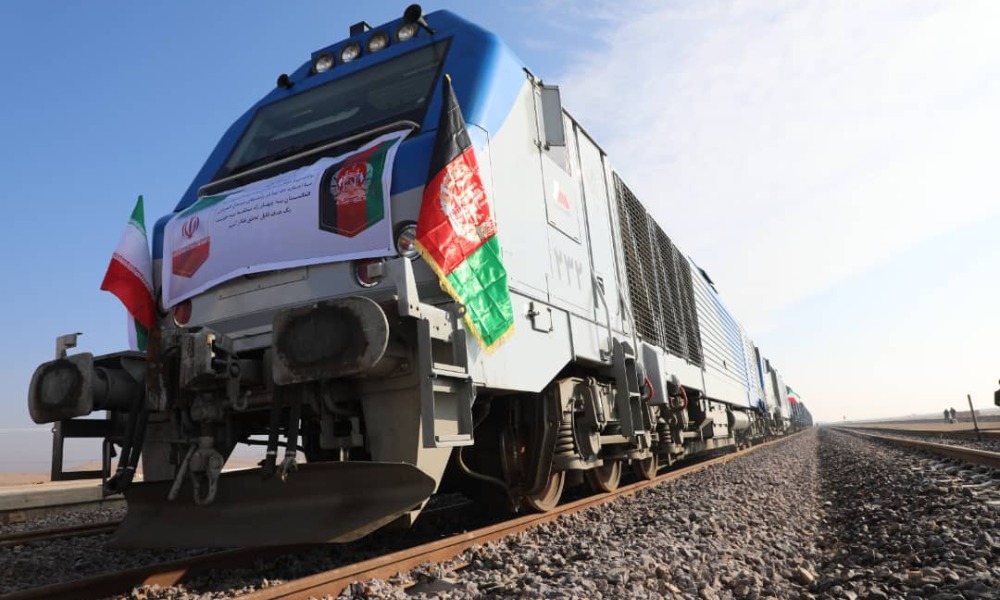
The Herat-Khawaf railway line, a major infrastructural project between Afghanistan and Iran, was officially inaugurated in the presence of the presidents of both countries, via video link, on Thursday.
For Afghanistan this was an historic moment as the railway line will open a new chapter in trade not only with Iran but also with other regional countries, Europe and the rest of the world.
The railway link is seen as an important step in regional cooperation, in addition to being a way to strengthen economic ties and relations between Afghanistan and Iran.
In his speech, President Ashraf Ghani said he had hoped to attend the inauguration in person but due to COVID-19 restrictions he was not able to.
Ghani said however that the railway line was a critically important project, not only for Afghanistan and Iran but also for the region and beyond.
“The opening of the Khawaf-Herat railway is a great step for the development and economic leap of Iran and Afghanistan,” Ghani said.
He said railway transport is the most efficient, important and cheapest means of transporting goods in Asia.
Iranian President Hassan Rouhani in turn said the opening of the Khawaf-Herat railway line strengthens Afghanistan-Iran ties.
Rouhani said that through this railway link, Afghanistan will be connected to European countries.
“With the Herat-Khawaf railway line, Afghanistan will be connected to European countries and also soon will be connected to the Chabahar railway line,” Rouhani added.
Atta Nasib, Head of Afghanistan Investment Facilitation Unit said that this will help turn Afghanistan into a transit hub.
“This railway between Afghanistan and Iran is a major economic and strategic achievement for both countries, which will connect us to European countries,” said Nasib.
Yamma Shams, General Director of Afghanistan Railway Authority said that it is estimated that eventually Khawaf-Herat railway line will carry 1,600 passengers a day.
The railway line cost $100 million dollars to build and currently spans 130 km in total – 70 km in Iran and 60 km in Afghanistan.
This railway line is strategically important as it gives Afghanistan easy access to Iranian ports at Chabahar and Bandar Abbas, as it connects into Iran’s existing railway grid.
Construction of the railway began in April 2007 and was due to finish in 2009, but was delayed.
However, last week a trial run was held and the first consignment of goods imported from Iran, including 500 tons of cement, successfully arrived in the country.
According to the reports Iran’s exports to Afghanistan are projected to reach $2.7 billion by March next year.




Business
Afghanistan seeks expanded ties with Russia in energy, mining and infrastructure
TASS reported that Kabul is also prepared to cooperate with Moscow in the extraction of mineral resources.

Afghanistan has expressed strong interest in broadening trade and economic cooperation with Russia, with a particular focus on energy, mining and infrastructure projects, according to Russia’s TASS news agency.
In an interview with TASS, Afghanistan’s Ambassador to Moscow, Gul Hassan, said Kabul is keen to import oil and gas from Russia as part of efforts to deepen bilateral economic ties.
He noted that trade relations between the two countries are progressing and that, if key obstacles—especially banking restrictions—are addressed, Afghanistan could also import medicines, industrial goods, grain, vegetable oils and other commodities from Russia.
In return, the ambassador said Afghanistan is ready to export fresh and dried fruits, vegetables, medicinal plants, carpets and mineral resources to the Russian market, adding that expanding export-import operations could significantly increase bilateral trade volumes.
He also revealed plans to open an exhibition of Afghan products in Moscow, which he said would help boost trade turnover.
TASS reported that Kabul is also prepared to cooperate with Moscow in the extraction of mineral resources.
Hassan described the economy as a central pillar of Afghanistan’s foreign policy, emphasizing the government’s goal of positioning the country as a key link in regional economic integration and attracting foreign investment.
He noted that Russian companies have long shown interest in Afghanistan’s industrial, mining and infrastructure sectors.
The ambassador further told TASS that Russian firms are already in talks with relevant Afghan authorities on the construction of small hydroelectric power plants.
Representatives of several Russian companies have reportedly visited Afghanistan and held meetings with officials and technical experts.
According to Hassan, practical steps toward cooperation in the energy and power generation sectors are expected in the near future, pointing to a potential new phase in Afghan-Russian economic relations.
Business
Pakistan, China plan to extend CPEC to Afghanistan, revive trilateral framework
The proposed CPEC expansion into Afghanistan is seen as a move to enhance regional economic integration amid shifting geopolitical dynamics.
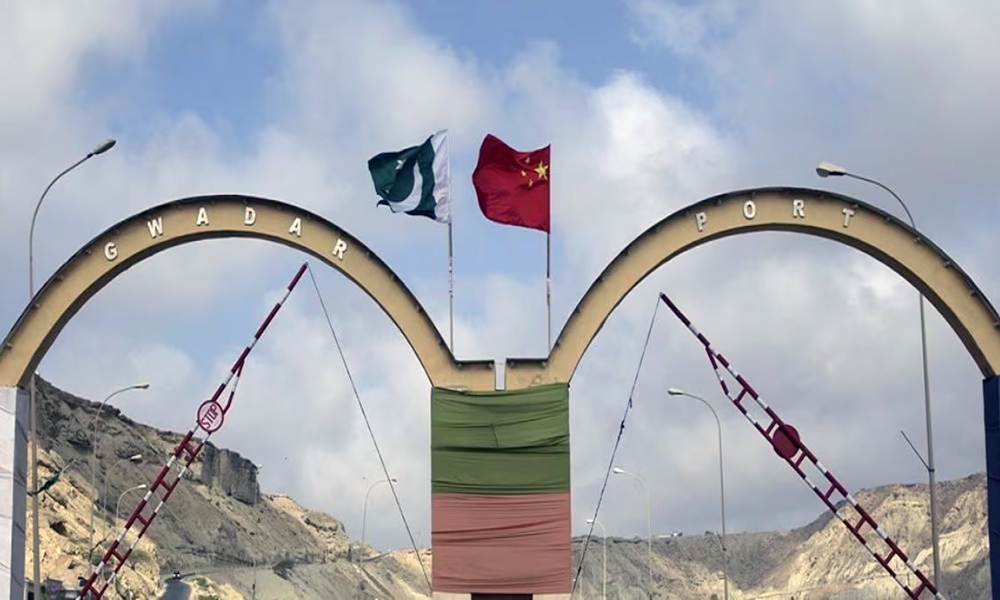
Pakistan and China are moving forward with plans to extend the China-Pakistan Economic Corridor (CPEC) into Afghanistan, a strategic step aimed at bolstering regional connectivity and economic cooperation. The expansion, along with the revival of the Pakistan-China-Afghanistan trilateral framework, was discussed in a recent briefing to the Pakistani Senate Standing Committee on Foreign Affairs.
According to Pakistan Today, officials from Pakistan’s Ministry of Foreign Affairs outlined the details during a session in Islamabad, where they reviewed key aspects of Pakistan’s foreign relations, regional developments, and economic diplomacy.
Officials emphasized that Pakistan’s relationship with China remains strong, underscoring the “all-weather” strategic partnership between the two nations. Strengthening ties with Beijing, they stated, continues to be a cornerstone of Pakistan’s foreign policy. This includes unwavering support for China’s position on regional and international issues, particularly the One-China policy and matters related to territorial integrity.
The briefing also touched upon China’s consistent backing of Pakistan in various areas, including sovereignty, economic stability, counter-terrorism, and support for Pakistan’s exit from the Financial Action Task Force (FATF) grey list.
The Kashmir issue was also addressed, with officials noting that China considers it an unresolved matter and advocates for a peaceful resolution in line with UN Security Council resolutions.
The proposed CPEC expansion into Afghanistan is seen as a move to enhance regional economic integration amid shifting geopolitical dynamics. Officials stated that reviving the trilateral framework is part of broader efforts to foster greater cooperation and connectivity in the region, with an eye on long-term stability and prosperity.
The move also reflects both countries’ desire to further integrate Afghanistan into the regional economic landscape, a key element in fostering peace and development.
Business
Uzbekistan–Afghanistan trade rises to $1.6 billion in 2025
Trade relations remain largely export-driven, with Uzbekistan supplying Afghanistan primarily with food products, energy resources, and industrial goods.
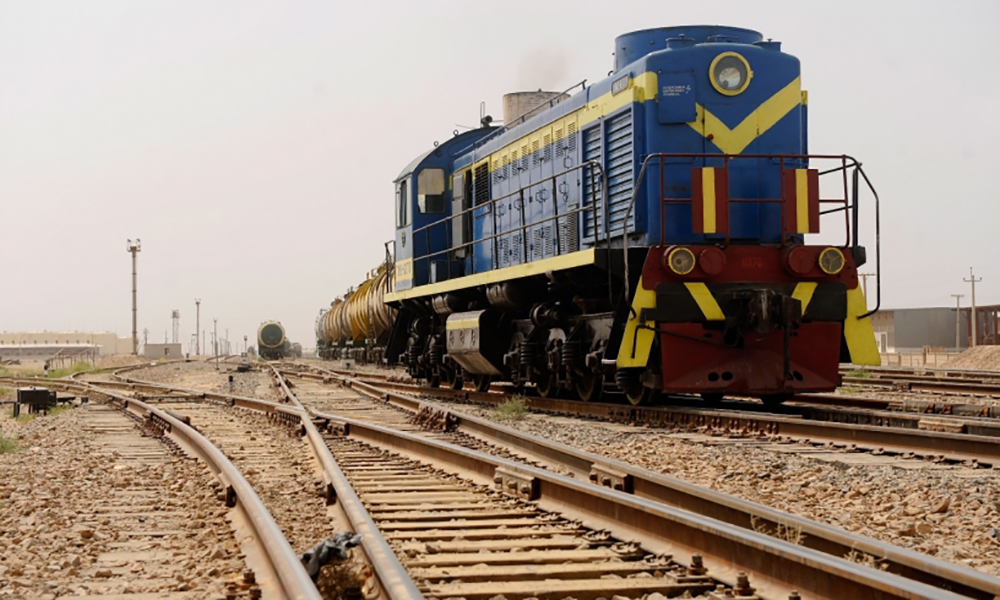
Trade between Uzbekistan and Afghanistan rose sharply in 2025, reaching $1.6 billion, according to official data released by Uzbekistan’s National Statistics Committee.
The figure represents a 45.5 percent increase from $1.1 billion in 2024 and an 84.4 percent rise compared with 2023, when bilateral trade stood at $867.5 million, highlighting rapid growth in economic exchanges between the two countries.
Uzbekistan’s exports to Afghanistan accounted for the vast majority of the trade volume, totaling $1.5 billion, or 93.8 percent of overall bilateral turnover. Trade relations remain largely export-driven, with Uzbekistan supplying Afghanistan primarily with food products, energy resources, and industrial goods.
The surge in trade comes as Uzbekistan’s total foreign trade turnover reached $81.2 billion in 2025, reflecting broader efforts to expand and diversify external economic ties. By the end of the reporting period, Uzbekistan maintained trade relations with 210 countries.
China remained Uzbekistan’s largest trading partner, accounting for 21.2 percent of total trade, followed by Russia (16.0 percent), Kazakhstan (6.1 percent), Türkiye (3.7 percent), and the Republic of Korea (2.1 percent).
The latest figures underscore strengthening economic ties between Uzbekistan and Afghanistan amid efforts to boost regional trade and connectivity.


Terrorist activities observed along Afghanistan borders, says Lavrov

Afghan border minister holds phone talks with Iran’s deputy foreign minister

OIC Kabul mission chief meets German envoy to discuss Afghanistan situation

Iran arrests at least four reform front politicians

Early medal leaders emerge as Winter Olympics continue in Italy

Afghanistan–China joint market opens in Kabul

Pakistan approves re-export of stranded Afghan transit trade cargo

ATN secures broadcast rights to Carabao Cup semis across Afghanistan

Pakistan army orders evacuation of Tirah Valley, fears of mass displacement grow

Afghan traders sign deal to import pharmaceuticals from Bangladesh

Saar: Afghanistan’s relations and opportunities with regional countries

Tahawol: Kabul’s response to Pakistan’s new accusation discussed

Saar: Discussion on Iran-US talks in Oman

Tawsia: Afghanistan’s interest in buying Russian oil and gas

Tahawol: IEA calls UNSC’s Daesh concerns baseless
-
 Latest News2 days ago
Afghanistan to grant one- to ten-year residency to foreign investors
-
 Latest News4 days ago
Terrorist threat in Afghanistan must be taken seriously, China tells UNSC
-
 Sport5 days ago
Afghanistan beat West Indies in final T20 WC warm-up match
-

 Sport3 days ago
Indonesia shock Japan to reach historic AFC Futsal Asian Cup final
-
 Sport4 days ago
Milano Cortina 2026 Winter Olympics: What You Need to Know
-
 Sport2 days ago
Iran clinch AFC Futsal Asian Cup 2026 in penalty shootout thriller
-

 Latest News4 days ago
US Justice Department to seek death penalty for Afghan suspect in National Guard shooting
-
 Latest News4 days ago
Uzbekistan, Kazakhstan discuss cooperation on Afghanistan