
Latest News
Afghanistan falls six places to 109th in Global Hunger Index

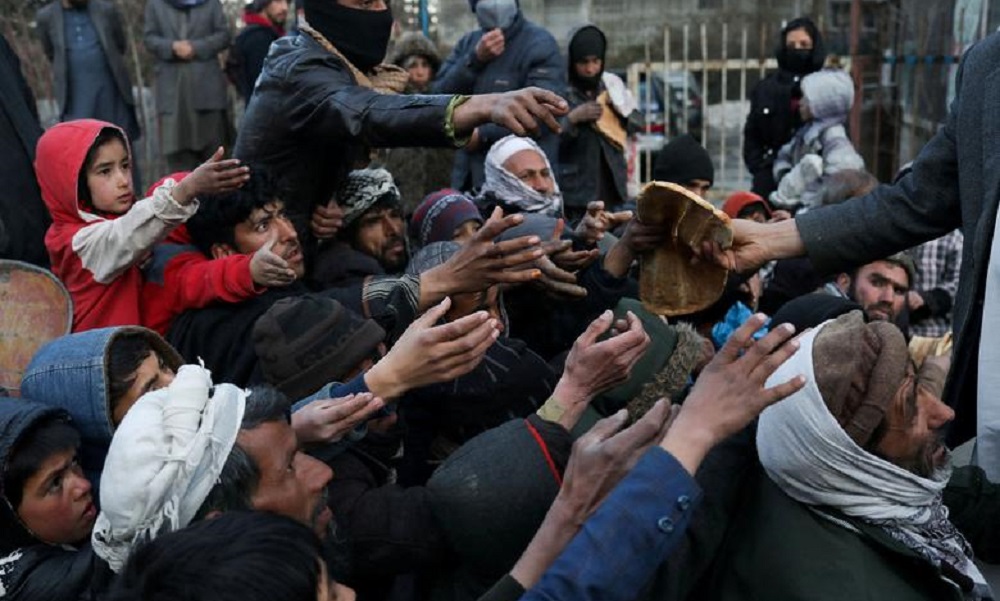
Afghanistan has slipped six places to 109th out of 121 countries on the 2022 Global Hunger Index.
The Global Hunger Index (GHI) is a tool for comprehensively measuring and tracking hunger at global, regional, and national levels. GHI scores are based on the values of four component indicators – undernourishment, child stunting, child wasting and child mortality. The GHI score is calculated on a 100-point scale reflecting the severity of hunger, where zero is the best score (no hunger) and 100 is the worst.
Afghanistan has scored 29.9 in the latest index and is in the ‘serious’ category.
In the index, India ranked 107th while Pakistan ranked 99th.
The Global Hunger Index report also showed that 29.8 percent of the population in Afghanistan is undernourished, and 5.1 percent of children under five are wasted.
According to the report, 38.2 percent of children under five are stunted, and 5.8 percent of children die before their fifth birthday.
“In 2022, Afghanistan is experiencing drought, political and economic instability, extreme poverty, and the consequences of the global rise in food and fuel prices made worse by the war in Ukraine, which together may result in higher stunting rates in years to come,” the report said.
The Global Hunger Index is prepared by European NGOs of Concern Worldwide and Welthungerhilfe. The GHI is calculated annually, and its results appear in a report issued in October each year.






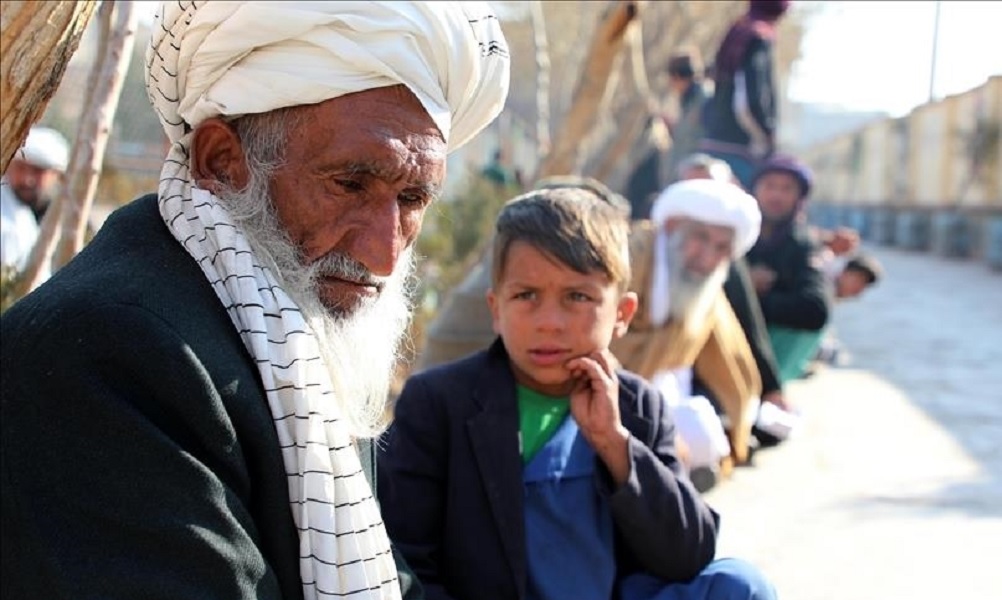
Afghanistan has once again been ranked the least happy country in the world, according to the latest edition of the World Happiness Report.
The report, which measures people’s overall life satisfaction across 147 countries, placed Afghanistan at the bottom of the global ranking for another year, with a score 1.4 out of 10. Researchers assess factors such as income levels, social support, freedom to make life choices, perceptions of corruption, and overall quality of life.
For the ninth consecutive year, Finland ranked as the world’s happiest country, with a score of 7.7. Iceland and Denmark followed it, as Nordic nations continued to dominate the top of the index.
A notable development came from Costa Rica, which climbed to fourth place — the highest ranking ever recorded for a Latin American country.
Other countries with low rankings included Sierra Leone, Malawi, Zimbabwe and Botswana.
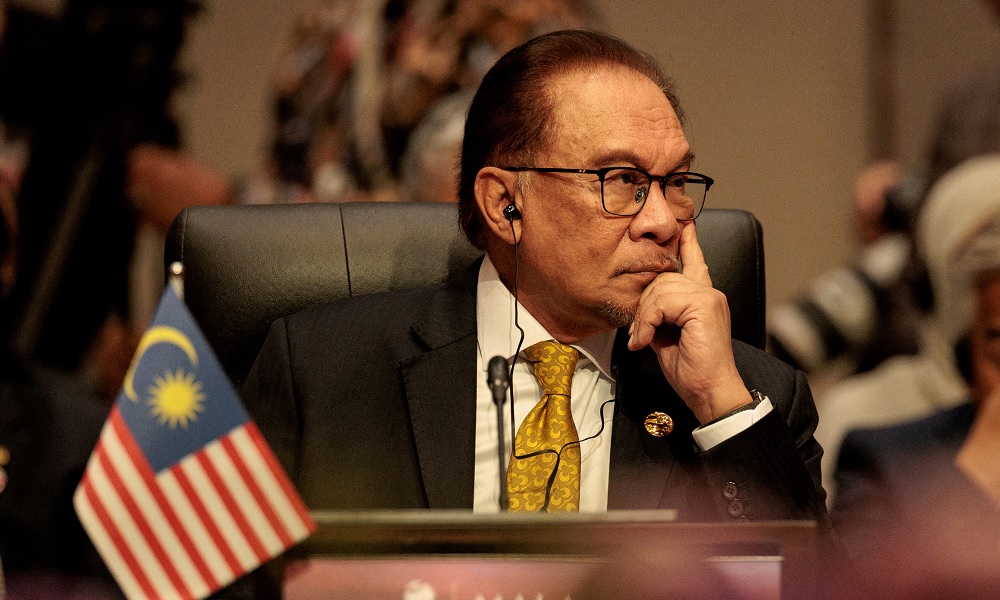
Malaysian Prime Minister Anwar Ibrahim has welcomed the temporary ceasefire between Pakistan and Afghanistan announced in connection with the Eid-ul-Fitr celebrations, calling for continued efforts to reduce tensions and achieve lasting peace.
Anwar shared the message during a telephone conversation with his Pakistani counterpart, Shehbaz Sharif. In a Facebook post, Anwar emphasized the importance of dialogue and de-escalation, while also expressing concern over rising tensions in the Middle East, particularly involving Iran, and urging all parties to prioritize peaceful solutions.
Pakistan said it had temporarily suspended military operations in Afghanistan at the request of Saudi Arabia, Qatar, and Turkey. Afghan authorities likewise announced a halt to operations during Eid, citing goodwill and similar requests from regional partners.
The ceasefire follows weeks of heightened tensions between Afghanistan and Pakistan, including Durand Line clashes and airstrikes.
Separately, Turkey President Recep Tayyip Erdogan in a phone call discussed regional developments with Pakistani Prime Minister Shehbaz Sharif, reaffirming Turkey’s commitment to peace and stability and stressing continued cooperation for long-term security.


Pakistan PM’s adviser: No intention to impose war on Afghanistan

Trump says US considering ‘winding down’ Iran war

Afghanistan again ranked last in global happiness index

Ireland to host Afghanistan for ODI series in August

Malaysian PM welcomes temporary Afghanistan–Pakistan truce, urges lasting peace

Pakistani military jet downed in Afghanistan’s Jalalabad, pilot captured alive

Afghan Air Force conducts airstrikes in Islamabad, other cities

Prominent Muslim scholar issues fatwa calling for Afghanistan-Pakistan ceasefire

Afghan air force strikes key Pakistani military installations in retaliatory operation

IEA: Special circle in Pakistan has launched mission to destabilize region

Tawsia: Assessment of Afghanistan’s economic activities in 1404

Tahawol: Temporary ceasefire draws broad support

Saar: Emphasis on resolving conflicts through diplomacy

Tahawol: Global reactions to Pakistan’s recent attacks discussed

Saar: Consequences of Pakistani airstrikes on Afghans discussed
-
 Latest News3 days ago
IEA announces temporary pause in defensive operations against Pakistan for Eid
-
 Latest News3 days ago
Pakistan opposes normal Afghanistan–India relations: Shaheen
-
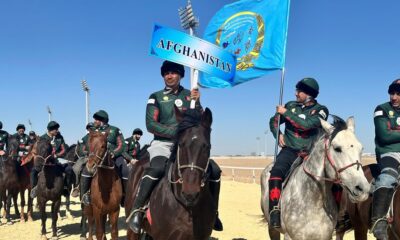
 Sport4 days ago
Afghanistan national buzkashi team defeats Hungary 14–0
-

 Latest News5 days ago
IEA condemns alleged airstrike by Pakistan on drug treatment hospital in Kabul
-

 Latest News4 days ago
Afghanistan warns Pakistan of ‘teeth-breaking’ response after deadly Kabul bombing
-
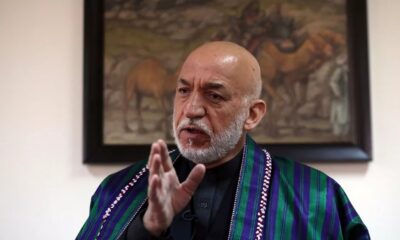
 Latest News3 days ago
Karzai accuses Pakistan of seeking to destabilise Afghanistan after Kabul strike
-
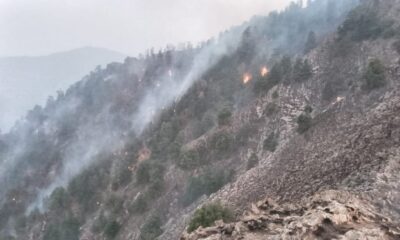
 Latest News2 days ago
Pakistani shelling hits Kunar districts despite ‘pause in hostility’ over Eid
-
 Latest News4 days ago
WHO Chief urges Kabul and Islamabad to prioritize peace