
Latest News
Arg to Taliban: Stop making excuses, introduce your negotiating envoy

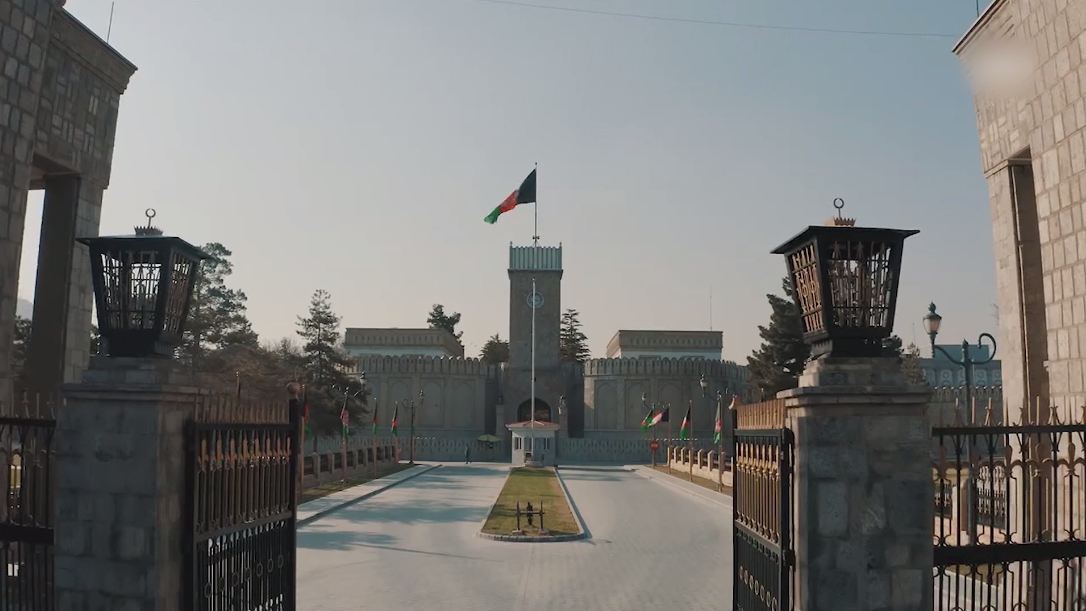
 The Afghan presidential palace wants the Taliban to stop making excuses and introduce its negotiating envoy for the intra-Afghan peace dialogue.
After the Taliban criticized the formation of the Afghan government’s negotiating team of intra-Afghan dialogue, saying it will not talk to the team which is not all-inclusive, the Afghan presidential palace blames the Taliban for beating around the bush.
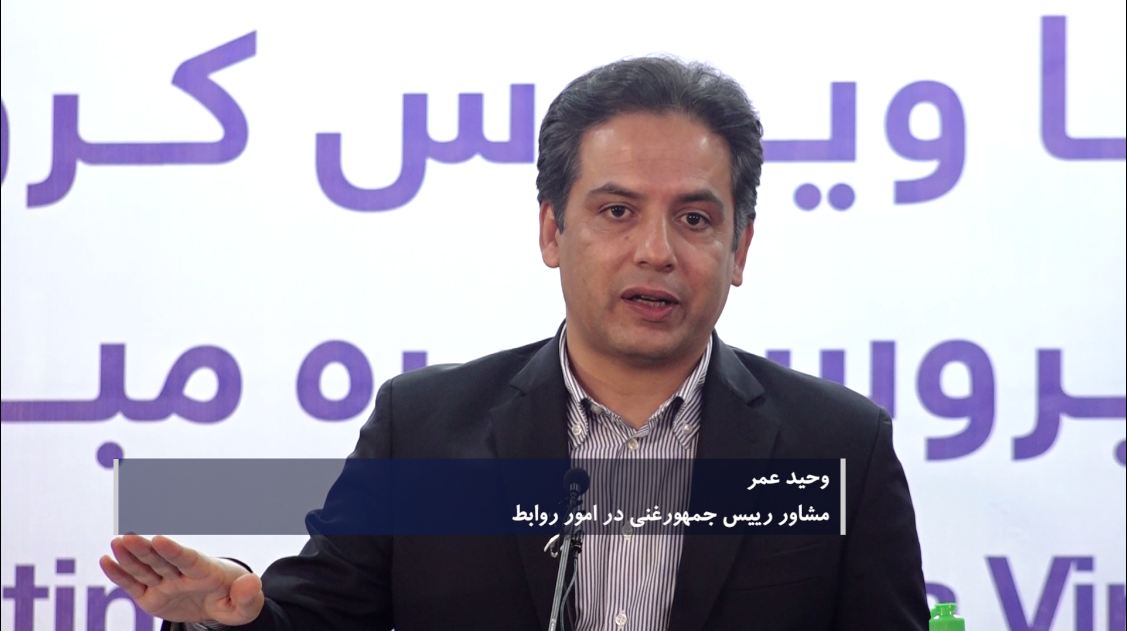
Presidential Advisor Waheed Omer says, “What we want of the Taliban is not to make excuses. That is, it will talk to a team that is inclusive of all levels of Afghanistan – something which is not their business… If it comes to excuses, we can also judge the formation of the team formed by the Taliban.”
The government says that its negotiating team of 21 is an inclusive one, it is final and no changes will be made to it.
Najia Anweri, the spokesperson to the state ministry of peace, says, “The negotiating team of the Islamic Republic of Afghanistan, as it is said in the press release, has been formed after consulting with the well-known figures of Afghanistan. It is a strong one. To decide the inclusivity of the team is the business of none other than the government.”
In the meantime, some political movements and groups favorable to Hamid Karzai and Abdullah Abdullah say that they have not been consulted regarding the formation of the negotiating team. According to some sources, these political movements want Hamid Karzai to lead the team.
Gul Rahman, a former judge at the monitoring commission of the constitution enforcement, said, “The negotiating team is not inclusive and accountable. It should be led by a man of good character and background.”
Moreover, it seems like the prisoner releases, which is a precondition to the intra-Afghan dialogue, has been facing challenges again.
Also, a Taliban team was supposed to visit Kabul to talk over the prisoner releases; however, the visit, for some reason, has been delayed.
Advisor Waheed Omer says that the release of the prisoners all at once will not be plausible and “the prisoner release will be conditional of the intra-Afghan talks.”
Meanwhile, Roland Kobia, European Union Special Envoy for Afghanistan, has criticized the Taliban’s stance tweeting, “In war, like in peace, you don’t get to choose your opponent. If you want a say in the composition of the other Negotiating Team, fine but then you should accept they have a say in yours too, to check if it is fully representative of your society. Where are the women for example?”







Latest News
Indonesia reaffirms support for Afghanistan’s reintegration into global community
Qais Barakzai, Chargé d’Affaires of the Embassy of Afghanistan in Jakarta, welcomed Indonesia’s approach, saying Afghanistan appreciates the country’s constructive engagement.
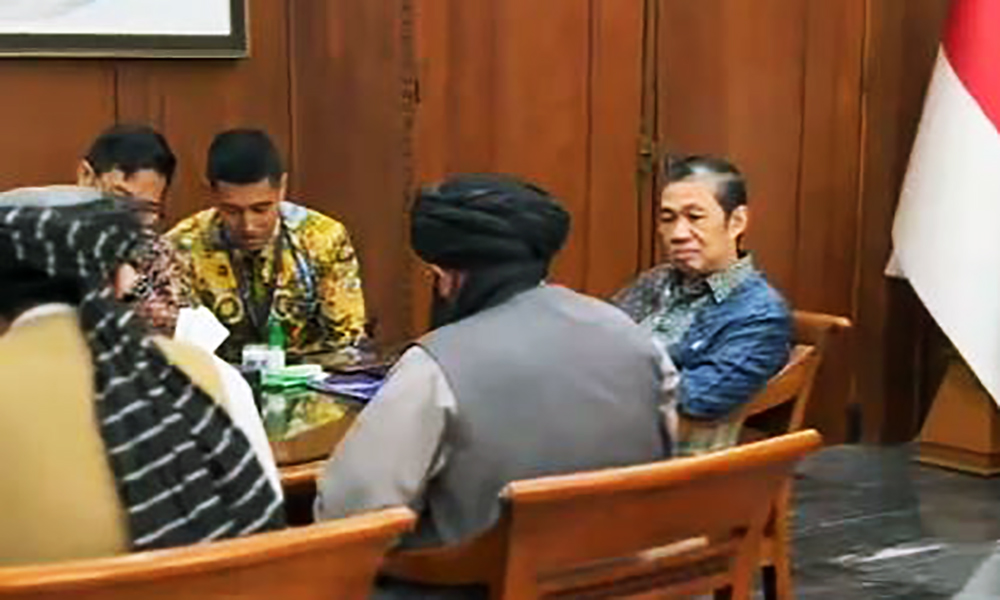
Indonesia says it will continue supporting Afghanistan’s reintegration into the international community through constructive engagement.
Anis Matta, Indonesia’s Deputy Foreign Minister and Chairman of the Gelora Party, said he received a visit from Shoaib Baryalai, First Political Director at the Ministry of Foreign Affairs, on Monday, August 24.
In a post on X, Matta said he was briefed directly on progress in efforts by the authorities in Afghanistan to fulfill international commitments and advance the country’s reintegration into the international community.
He said Indonesia would continue its constructive engagement to support the process, with the aim of helping improve, stabilize and promote prosperity for the Afghan people.
Qais Barakzai, Chargé d’Affaires of the Embassy of Afghanistan in Jakarta, welcomed Indonesia’s approach, saying Afghanistan appreciates the country’s constructive engagement.
Barakzai said Afghanistan reaffirms its commitment to meaningful engagement with the international community, as well as to peace, stability and cooperation in the region.
Latest News
Afghanistan’s 4G subscribers surpass 10 million, says telecom ministry
The ministry’s spokesman, said in a post on X that Afghanistan currently has around 32 million active SIM cards, including approximately 17 million internet users.
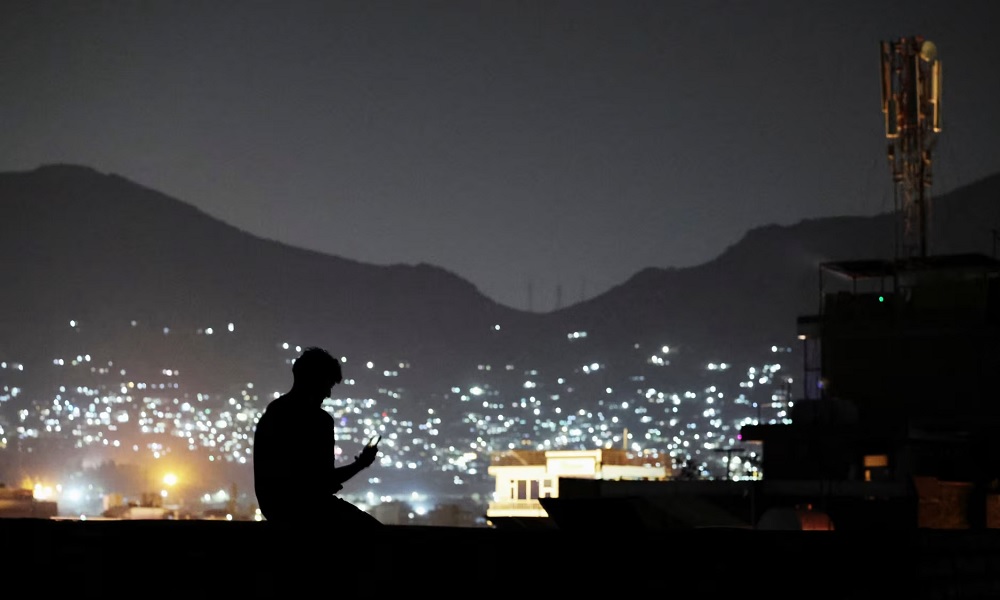
The number of 4G subscribers in Afghanistan has surpassed 10 million, according to the Ministry of Communications and Information Technology.
Inayatullah Alokozay, the ministry’s spokesman, said in a post on X that Afghanistan currently has around 32 million active SIM cards, including approximately 17 million internet users.
Of those internet users, nearly 10 million are now using 4G services, reflecting a significant expansion in access to high-speed mobile internet across the country.
Alokozay said that before the Islamic Emirate returned to power, the number of 4G subscribers stood at just over 2 million, while the total number of internet users was below 10 million.
He attributed the increase to the expansion of telecommunications coverage, which has brought mobile and internet services to a larger share of the country’s population.
Latest News
Qatar Ambassador holds farewell meeting Turkish diplomat in Kabul
The Qatari ambassador also wished the Turkish diplomat continued success in his future assignments.
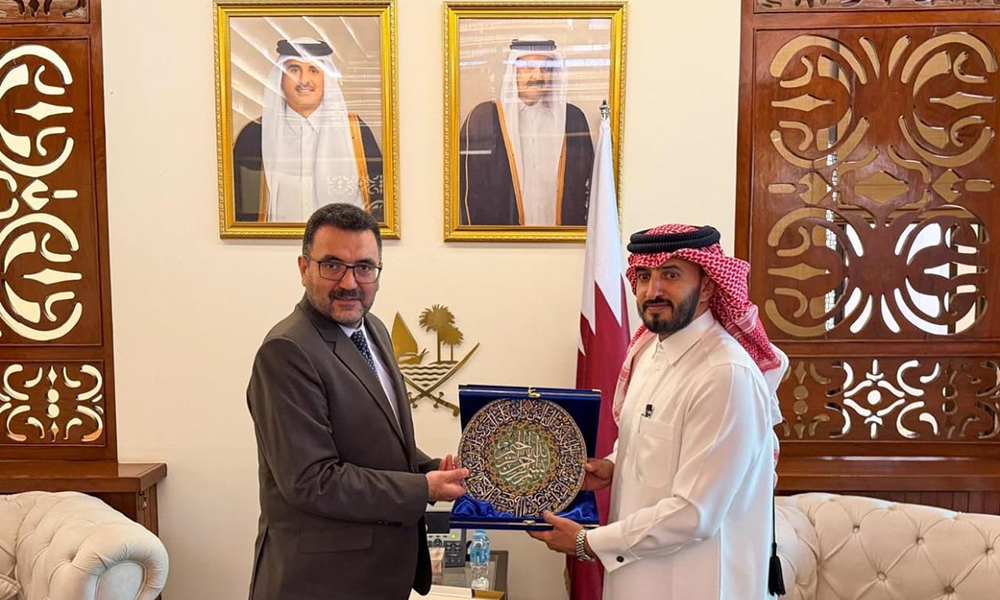
The Ambassador of the State of Qatar to Afghanistan, Dr. Mirdef bin Ali Al-Qashouti, has held a farewell meeting with Bilal Emre, Deputy Head of Mission at the Embassy of Türkiye in Kabul, marking the conclusion of the Turkish diplomat’s tenure in Afghanistan.
According to the Embassy of the State of Qatar in Kabul, Ambassador Al-Qashouti praised Bilal Emre’s contributions to strengthening bilateral relations and cooperation during his mission in Afghanistan.
The Qatari ambassador also wished the Turkish diplomat continued success in his future assignments.


Indonesia reaffirms support for Afghanistan’s reintegration into global community

Afghanistan’s 4G subscribers surpass 10 million, says telecom ministry

Qatar Ambassador holds farewell meeting Turkish diplomat in Kabul

China evacuates thousands as Typhoon Narra brings torrential rain

Watford face Peterborough in EFL Cup; ATN to bring live action to Afghan fans

Pakistan’s governance system has ‘collapsed’: Mohsin Naqvi

Afghanistan exports first stone shipment to US in $100,000 trade milestone

AFC confirms clubs for 2026/27 competitions; draw set for August 18

Only two days to go before Afghanistan and Ireland begin ODI series

Iran seeks to establish free trade zone with Afghanistan and China

Saar: Afghanistan’s uncertain future in SCO

Tahawol: IEA seeking Afghanistan seat at UN

Saar: U.S. sanctions against Iran

Saar: Ongoing return of Afghan refugees from Iran and Pakistan discussed

Tahawol: Expansion of IEA’s diplomatic ties with countries discussed
-
 Latest News2 days ago
Four mediators struggle to secure lasting Pakistan-Afghanistan ceasefire
-
 Latest News3 days ago
Syria and Saudi Arabia condemn Kabul bombing, express solidarity with Afghanistan
-
 Latest News3 days ago
US judge strikes down Trump visa suspension for 75 countries, including Afghanistan
-
 Latest News3 days ago
Achakzai urges Pakistan to end hostility towards Afghanistan
-
 Sport3 days ago
Afghanistan-India T20I series could see major schedule change
-
 Latest News4 days ago
Qatar and UAE condemn Kabul school bombing that injured dozens
-

 Sport5 days ago
ATN to broadcast five Carabao Cup clashes live in Afghanistan
-
 Latest News2 days ago
AfghanEvac warns US court ruling does not reopen door for Afghans