
Latest News
As US prepared exit, Taliban protected foreign bases, but killed Afghans

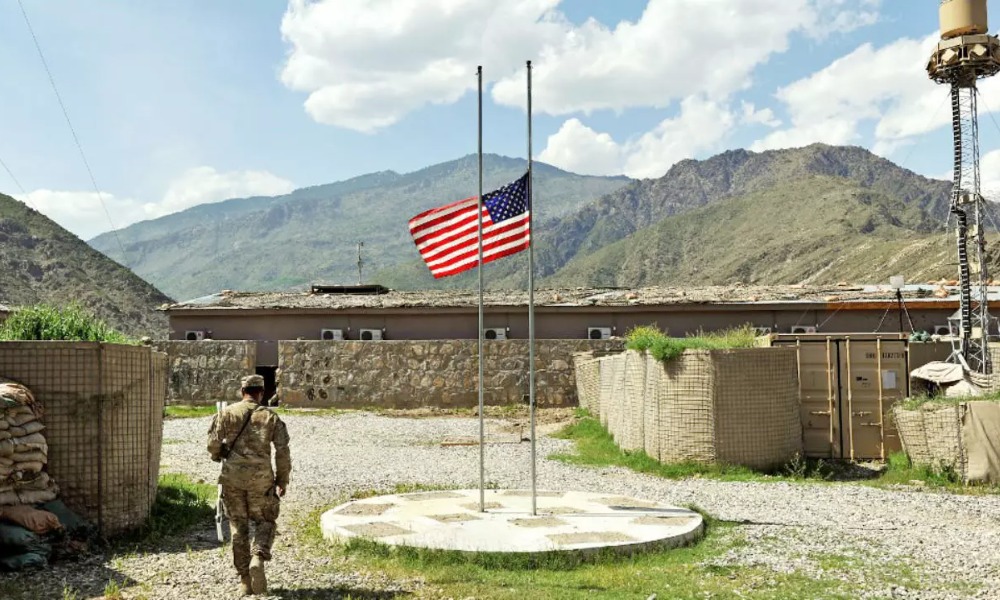
Taliban fighters have protected western military bases in Afghanistan from attacks by rival, or rogue Islamist groups for over a year under a secret annex to a pact for the withdrawal of all U.S. forces by May 1, three Western officials with knowledge of the agreement told Reuters.
The U.S. State Department gave no immediate response to Reuters over the existence of any such document. Nor did it have any immediate comment on what the three officials described as a “Taliban ring of protection”.
Since United States struck a deal with the Taliban in February 2020, paving the way for America to end its longest war, there have been no U.S. combat deaths, and there have been only isolated attacks on U.S. bases, Reuters reported.
Instead, the Taliban intensified attacks on Afghan government forces, and civilian casualties have spiralled.
Peace talks between the militants and the government, begun in September, have made no significant progress, and a U.N. report said civilian casualties were up 45% in the last three months of 2020 from a year earlier.
Testing Taliban patience, U.S. President Joe Biden served notice that the U.S. withdrawal would overshoot the May 1 deadline agreed by the previous U.S. administration, while giving an assurance that it would be completed by September 11 – the 20th anniversary of the al Qaeda attacks on the United States.
When the deadline passes on Saturday, around 2,000 U.S. troops will still be in Afghanistan, according to a western security official in Kabul. The commander of foreign forces in Afghanistan, U.S. Army General Scott Miller earlier this week said an orderly withdrawal and the handing over of military bases and equipment to Afghan forces had begun.
Afghan soldiers left manning those bases could need plenty of firepower to resist any offensive by Taliban fighters who have been occupying strategic positions in surrounding areas, Reuters reported.
In the past two weeks alone, the militants have killed more than 100 Afghan security personnel in a surge of attacks that followed Biden’s announcement that a U.S. withdrawal would take a few months more.
Two of the Western officials said Washington had accepted the Taliban’s offer to shield the western military bases from attacks by the likes of Islamic State (Daesh).
Reuters reported the officials said the Taliban had wanted to demonstrate good faith by meeting a commitment to ensure Afghan soil was not used for attacks on U.S. interests – a key U.S. demand in the February agreement.
“They provided a layer of cover, almost like a buffer and ordered their fighters to not injure or kill any foreign soldier in this period,” said one western diplomat involved in the process.
The western officials said it was also important for the Taliban to show its ability to control the more recalcitrant factions in its movement, like the Haqqani network, which has often followed its own agenda, though its leader Sirajuddin Haqqani is the second-highest ranking commander in the Taliban.
A Kabul-based western security official said that militants had kept their side of the bargain.
“The Taliban swiftly responded to even minor attacks conducted by the Haqqani network and Islamic State fighters around the bases,” he said.
Taliban spokesman Zabihullah Mujahid declined to comment on the so-called “ring of protection” agreement.
More broadly, he said no security guarantee has been given to the United States beyond Saturday’s deadline, but talks were underway among the group’s leadership and with the U.S. side.
“So far our commitment of not attacking the foreign forces is until May 1, after that whether we will attack or not is an issue under discussion,” said Mujahid.
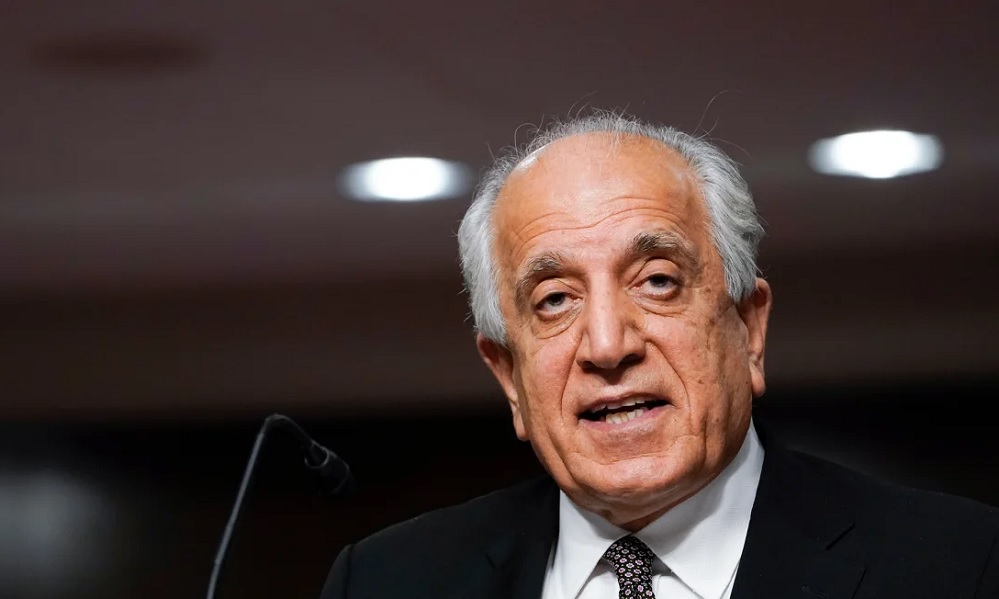
Mullah Baradar, the Taliban’s deputy political chief, held talks with U.S. envoy Zalmay Khalilzad to discuss the peace process on Thursday, another militant spokesman, Suhail Shaheen, said in a Twitter post.
Clearly having the militants holding positions around Western bases presents a danger if no understanding is reached, Reuters reported.
“They’ve definitely moved ever closer to a lot of Afghan and foreign bases,” said Ashley Jackson, co-director of the Centre for the Study of Armed Groups at Overseas Development Institute, a London-based think-tank.
“Encircling U.S., NATO, and Afghan bases seems like the Taliban strategy to poise themselves to take over when foreign forces leave.”
Afghan defence ministry spokesman Fawad Aman said the Taliban had ramped up violence against the Afghan people and their government, while holding fire against foreign forces.
More than 3,000 Afghan civilians were killed and almost 5,800 were wounded in 2020, according to a United Nation report.
“By not attacking the foreign forces but continuously targeting the Afghan security forces and civilians, the Taliban have shown that they are fighting against the people of Afghanistan,” Aman said.
Michael Kugelman, deputy director of the Asia Programme at the Woodrow Wilson Center in Washington, sympathised with that view, saying: “they have every right to lambaste a U.S.-Taliban agreement for failing to bring a semblance of relief to Afghans themselves.”









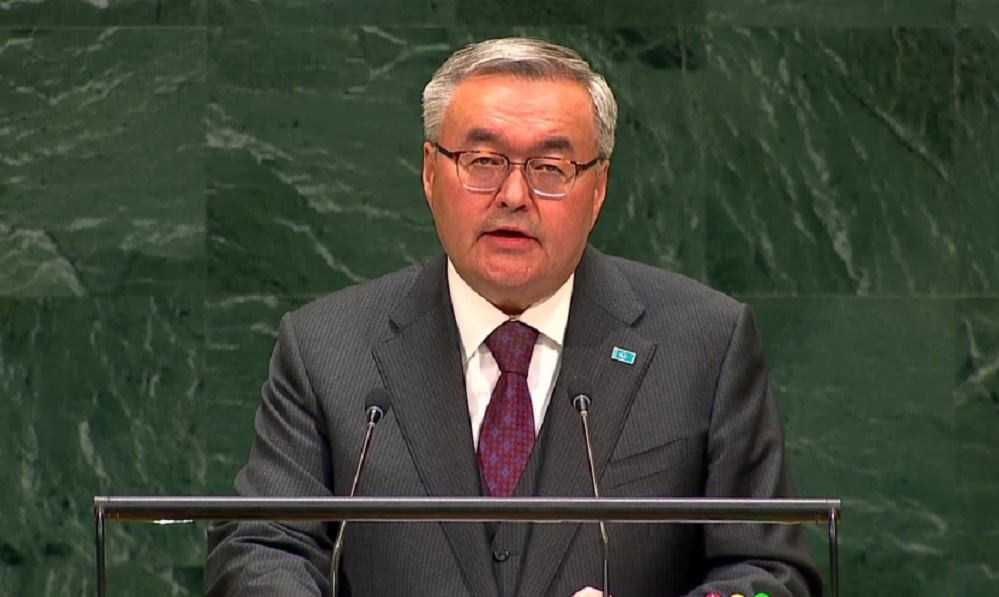
Kazakhstan’s Foreign Minister Mukhtar Tileuberdi has called for pragmatic and coordinated international engagement with Afghanistan, saying the country’s long-term stability is closely linked to the security and sustainable development of Central Asia.
Speaking during the general debate of the 81st session of the United Nations General Assembly in New York on Friday, Tileuberdi said humanitarian assistance to Afghanistan remains essential but alone cannot break the cycle of poverty, displacement and dependency.
He said Kazakhstan supports a “pragmatic, coordinated and step-by-step” approach to international engagement with Afghanistan, with the United Nations playing a central role.
Tileuberdi also said Kazakhstan is working with the UN to operationalize the United Nations Regional Centre for the Sustainable Development Goals for Central Asia and Afghanistan in Almaty.
He said the success of the centre should be measured by the results and assistance it delivers to the region.


Abu Muslim Farah defeat Khurasan Faryab 2-0 in ACL season six

Saar: Concerns over Pakistan’s political crisis discussed

Afghanistan Champions League: Omar Zawak Herat beat Toofan Herat 1-0

Blast in Pakistan’s Dera Ismail Khan kills 11, injures 30

Ariana Afghan Airlines increases Kabul-Delhi cargo flights

Saudi energy group signs major Afghanistan deals covering gas exploration and pipeline plans

Trump floats idea of renaming Atlantic or Pacific Ocean

US hits Egyptian bank branches with Iran sanctions as war marks six months

Nepal flood rescue mission enters critical phase as thousands remain missing

Iranian clubs to face Gulf opponents at neutral venues in Asian Champions League Elite
Saar: Concerns over Pakistan’s political crisis discussed

Exclusive interview with Abdul Latif Mansoor, Minister of MRRD

Tawsia: Overview of Afghanistan’s iron mines

Tahawol: Discussion on fresh Pakistani airstrikes on Afghanistan

Saar: Calls for international support for Afghanistan discussed
-

 World5 days ago
CNN, MS NOW and Politico sue Trump, challenging White House ban
-

 Latest News4 days ago
Ariana Afghan Airlines ranks seventh among 45 Central Asian airlines
-

 Latest News5 days ago
UN reiterates call for respect for international law after Kunar airstrikes
-

 Regional4 days ago
US and Iran hold first talks since June after Trump’s ‘annihilation’ threat
-

 Latest News4 days ago
Silk Road highway in Wakhan corridor now reaches the China border
-

 Regional3 days ago
Iran airlines cancel flights as US sanctions hit
-

 Latest News5 days ago
Afghan Official: Pakistan’s airstrikes will not go unanswered
-
 Regional5 days ago
G7 foreign ministers call on Iran to stop arming Houthis