
Latest News
Badghis governor reports all districts in province have fallen to Taliban


Badghis Governor Hassamuddin Shams said Wednesday morning that all six districts in Badghis have completely fallen to the Taliban and that the group has now entered Qala-e-Naw, the provincial capital.
Shams said heavy clashes are currently underway and people are extremely afraid.
He said Qadis district was the last to fall and was seized Wednesday morning by the Taliban.
Sources said that on Tuesday night, five Badghis government officials along with dozens of security forces joined the Taliban.
According to them, the provincial government building, as well as the Badghis army command center are still under government control but all other sections are under the control of the Taliban.
Sources also stated that the Taliban stormed the province’s central prison and released all the prisoners.
The ministry of interior says that the ANDSF is in Qala-e-Naw in Badghis and is defending the lives and property of the people.
“The forces are present in and around the city of Qala-e-Naw and respond to any threat from the enemy,” MoI said.
First Vice President Amrullah Saleh said he is in contact with officials in Qala-e-Naw in Badghis province including Mehrab Khan, head of national security; Hasibullah Khan, commander of the ANA; and governor Hesamuddin Shams.

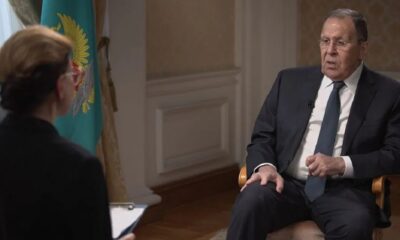



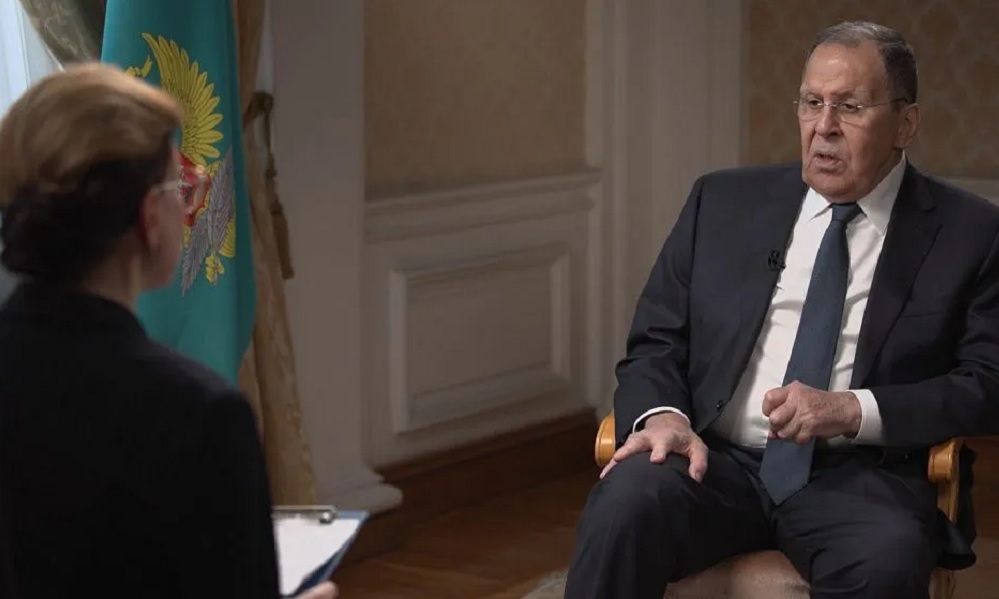
Terrorist activities continue to be observed along Afghanistan borders and along the India–Pakistan–Afghanistan corridor, Russian Foreign Minister Sergei Lavrov said in an interview published on Monday.
Speaking to Russia-based media outlet TV BRICS, Lavrov pointed to ongoing concerns in the Middle East, including its Asian regions.
He highlighted the importance of collaboration with India at the United Nations to advance a global counter-terrorism convention.
Lavrov stated that while the draft convention has already been prepared, consensus on its adoption has not yet been reached.
Russia has repeatedly expressed concern about militant threats from Afghanistan. The Islamic Emirate, however, has dismissed the concerns saying that it will not allow Afghanistan’s soil to be used against any country.
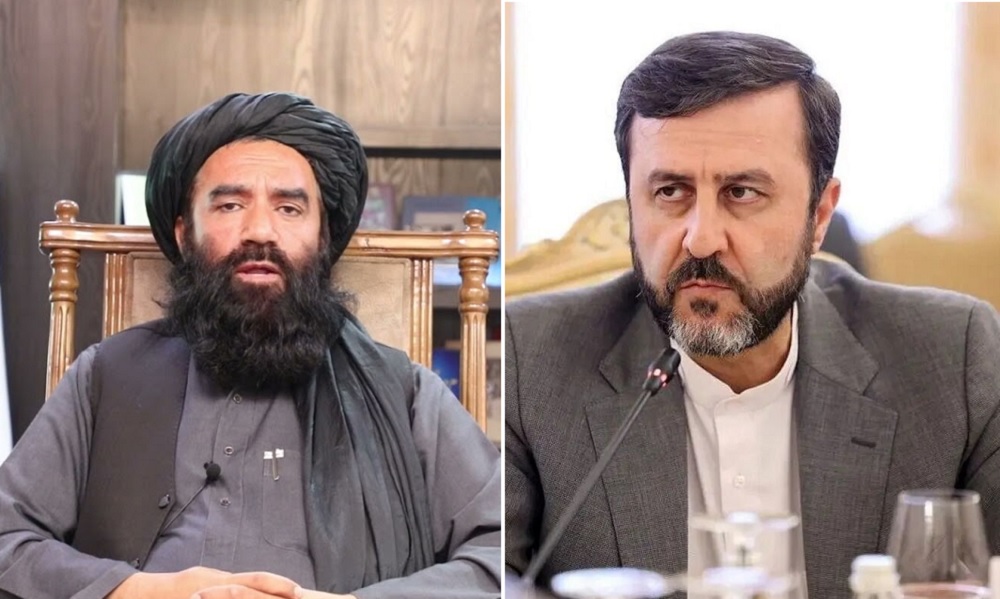
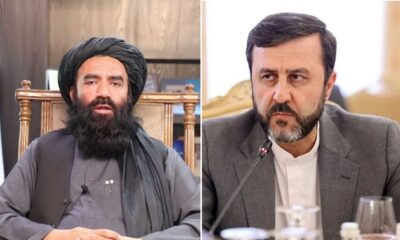
Noorullah Noori, Afghanistan’s Minister of Borders and Tribal Affairs, held a phone conversation with Kazem Gharibabadi, Iran’s Deputy Foreign Minister for Legal and International Affairs, to discuss bilateral border cooperation.
According to the Iranian news agency IRNA, both sides reaffirmed their commitment to strengthening border collaboration, with a particular focus on the ongoing renovation and updating of border markers. They also agreed to accelerate joint technical and legal meetings to enhance coordination.
As part of the agreement, the next meeting of senior border officials from Afghanistan and Iran is scheduled to take place in Iran in 1405 (2026–2027).
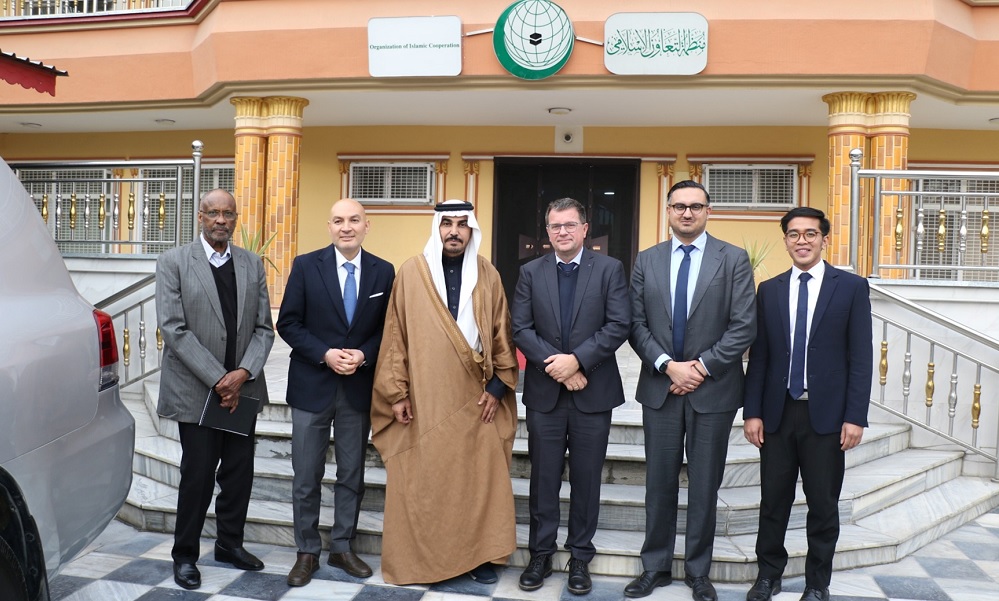
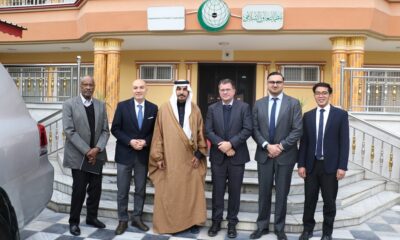
The Director General of the OIC Mission in Kabul, Mohammed Saeed Alayyash, met on Sunday with Rolf Dieter Reinhard, Head of the German Liaison Office for Afghanistan in Doha and Acting Chargé d’Affaires of the German Embassy in Afghanistan.
During the discussion, both sides exchanged views on the latest developments in Afghanistan. They focused on the security situation, as well as the humanitarian and economic conditions faced by the Afghan people.
The two officials also reviewed recent political developments and broader challenges in the country, highlighting the need for continued international engagement and support.
The meeting emphasized the importance of ongoing cooperation and coordination between the OIC Mission and the German side in addressing Afghanistan’s challenges and in supporting efforts to promote stability and improve the humanitarian situation.


Terrorist activities observed along Afghanistan borders, says Lavrov

Afghan border minister holds phone talks with Iran’s deputy foreign minister

OIC Kabul mission chief meets German envoy to discuss Afghanistan situation

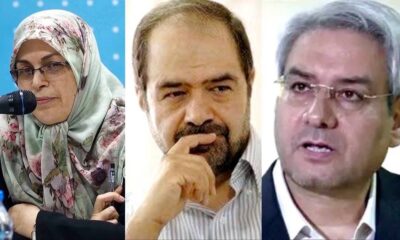
Iran arrests at least four reform front politicians

Early medal leaders emerge as Winter Olympics continue in Italy

Afghanistan–China joint market opens in Kabul

Pakistan approves re-export of stranded Afghan transit trade cargo

ATN secures broadcast rights to Carabao Cup semis across Afghanistan

Pakistan army orders evacuation of Tirah Valley, fears of mass displacement grow

Afghan traders sign deal to import pharmaceuticals from Bangladesh

Saar: Afghanistan’s relations and opportunities with regional countries

Tahawol: Kabul’s response to Pakistan’s new accusation discussed

Saar: Discussion on Iran-US talks in Oman

Tawsia: Afghanistan’s interest in buying Russian oil and gas

Tahawol: IEA calls UNSC’s Daesh concerns baseless
-
 Latest News2 days ago
Afghanistan to grant one- to ten-year residency to foreign investors
-
 Latest News4 days ago
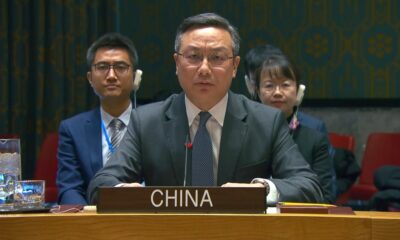
Terrorist threat in Afghanistan must be taken seriously, China tells UNSC
-
 Sport5 days ago
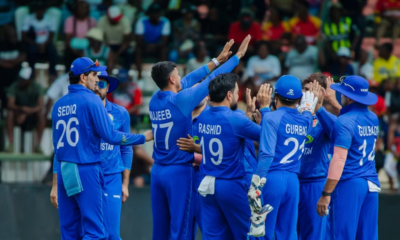
Afghanistan beat West Indies in final T20 WC warm-up match
-

 Sport3 days ago
Indonesia shock Japan to reach historic AFC Futsal Asian Cup final
-
 Sport4 days ago
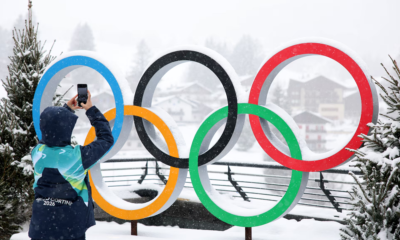
Milano Cortina 2026 Winter Olympics: What You Need to Know
-
 Sport2 days ago
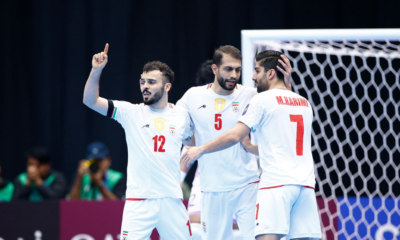
Iran clinch AFC Futsal Asian Cup 2026 in penalty shootout thriller
-
 Latest News4 days ago
US Justice Department to seek death penalty for Afghan suspect in National Guard shooting
-
 Latest News2 days ago
Afghanistan says Pakistan is shifting blame for its own security failures