
Cash-strapped government puts new projects on hold

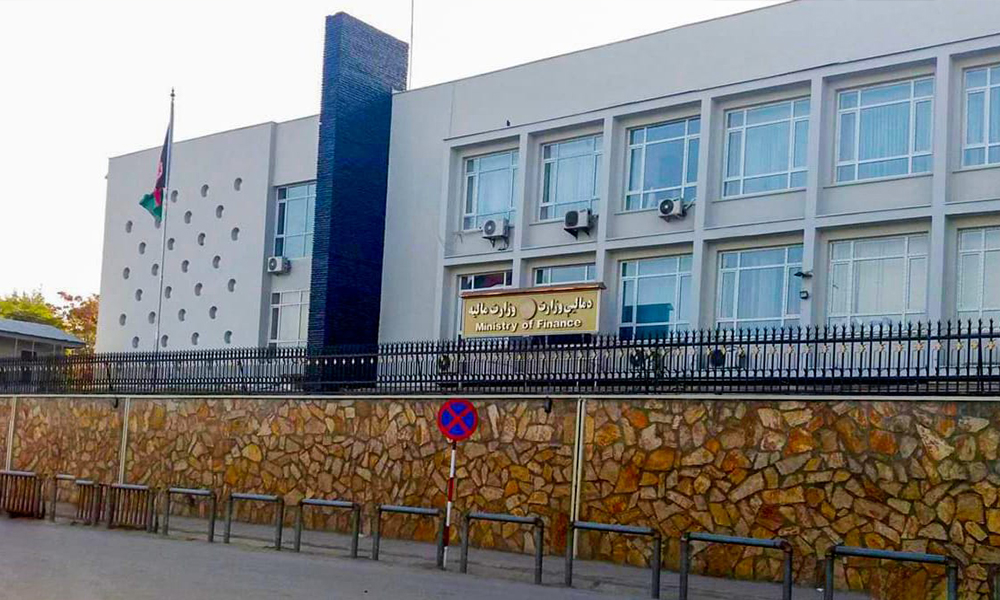
Afghanistan’s Ministry of Finance (MoF) has informed all government departments they need to cut back on budget spend, including that on planned development projects.
In an official notice to all government institutions, MoF has ordered them to stop projects where contracts have recently been signed, and which employ contract workers.
All planned development projects have also been put on hold.
The MoF said that due to the increase in spend for the Afghan National Defense and Security Forces (ANDSF), the increase in health spend and a drop in government income, all government departments need to cut expenditure.
“After the assessment of the development and general budgets by the cabinet, changes have been brought to the ministries and all government budgets because of the increase in ANDSF and health spending. Contracts from the… budget should be halted or suspended,” read the notice.
The MoF said that the government has lost $33 million in customs revenue since the Taliban seized five border crossings in the past month, amid rising violence in the country.
“Sher Khan port in Kunduz, Spin Boldak in Kandahar, Islam Qala in Herat, Abu Nasr Farahi in Farah and Torghundi in Herat have been captured by Taliban in the past month,“said Rafi Tabi, spokesman for the MoF.
Analysts have said the government should consider other steps to cut back on budget spend.
“In this situation, we can’t blame government, but it (government) should consider other options to prevent confusing the public,” said Sayed Massoud, a university lecturer.
This comes after the projected revenue generation for Afghanistan was expected to be 216 billion AFN ($2.7 billion) for the current solar year.
The total 452.6 billion AFN budget for this year did however carry a 37 billion AFN deficit – which government was to provide 20 billion AFN from internal resources and 17 billion AFN was pledged by the International Monetary Fund (IMF) in order to make up the difference.

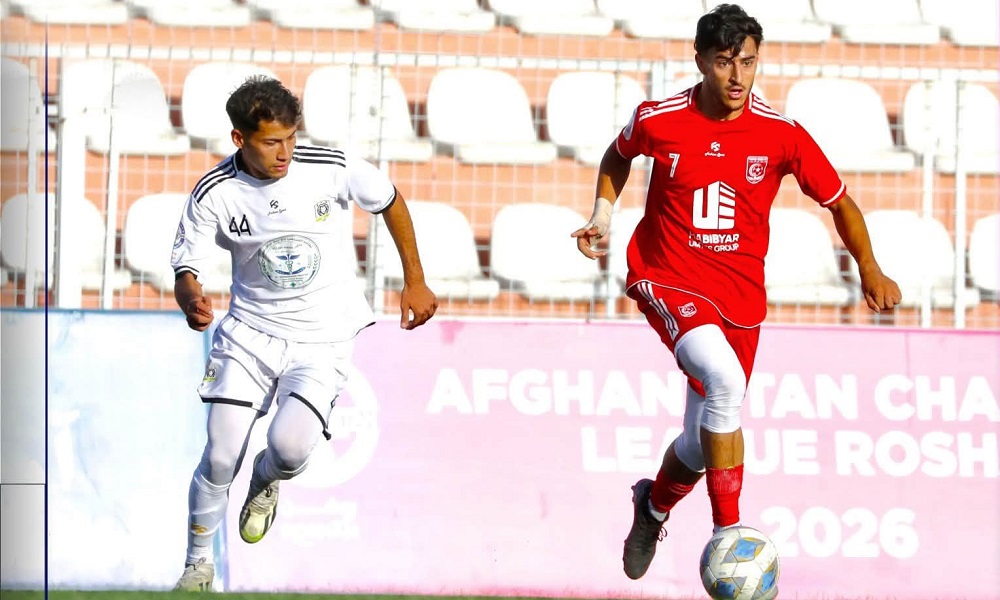
Omar Zawak Herat secured a 1-0 victory over Toofan Herat in the 24th match of the sixth season of Afghanistan Champions League Roshan in Kabul.
The match was played on Saturday at the Afghanistan Football Federation Stadium.
Both sides created scoring opportunities in the first half, but neither team managed to find the net before the break.
Omar Zawak Herat broke the deadlock in the 86th minute when Shadab Malikzadah scored with a fine strike to give his side the lead.
Toofan Herat committed eight fouls and received two yellow cards, while Omar Zawak Herat recorded six fouls and received one yellow card and one red card.
Toofan Herat will face Aino Mina Kandahar on September 29, while Omar Zawak Herat will take on Abu Muslim Farah on September 30.
Matches from the sixth season of the Roshan Afghanistan Champions League are being broadcast live on Ariana Television.
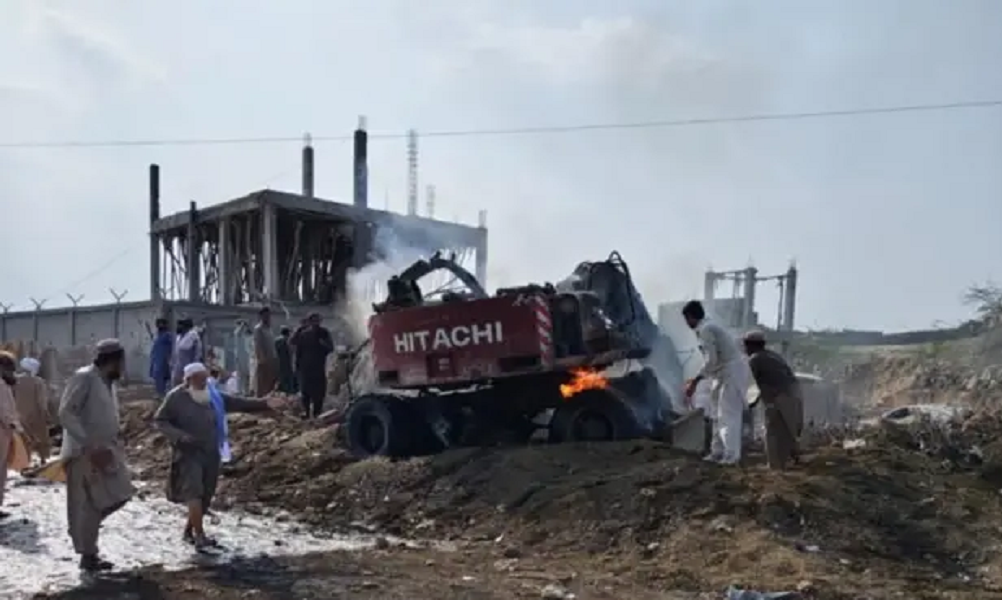
Eleven people were killed and 30 injured in a blast in Dera Ismail Khan in northwestern Pakistan on Saturday, emergency service Rescue 1122 said.
The Tehreek-e-Taliban Pakistan claimed responsibility for Saturday’s attack.
The blast occurred near Aman Mela in the Darazinda area of the district, Rescue 1122 said in a statement.
Rescue teams from the Darazinda station reached the scene and began relief operations, providing medical assistance to the wounded and taking them to hospital, the service said.
Security incidents have continued in the district this month, including attacks involving the Pakistani Taliban.


Saar: Concerns over Pakistan’s political crisis discussed

Afghanistan Champions League: Omar Zawak Herat beat Toofan Herat 1-0

Blast in Pakistan’s Dera Ismail Khan kills 11, injures 30

Ariana Afghan Airlines increases Kabul-Delhi cargo flights

Khalilzad questions Pakistan’s commitment to Afghan welfare

Saudi energy group signs major Afghanistan deals covering gas exploration and pipeline plans

Trump floats idea of renaming Atlantic or Pacific Ocean

US hits Egyptian bank branches with Iran sanctions as war marks six months

Nepal flood rescue mission enters critical phase as thousands remain missing

Iranian clubs to face Gulf opponents at neutral venues in Asian Champions League Elite
Saar: Concerns over Pakistan’s political crisis discussed

Exclusive interview with Abdul Latif Mansoor, Minister of MRRD

Tawsia: Overview of Afghanistan’s iron mines

Tahawol: Discussion on fresh Pakistani airstrikes on Afghanistan

Saar: Calls for international support for Afghanistan discussed
-

 World5 days ago
CNN, MS NOW and Politico sue Trump, challenging White House ban
-

 Latest News3 days ago
Ariana Afghan Airlines ranks seventh among 45 Central Asian airlines
-

 Latest News4 days ago
UN reiterates call for respect for international law after Kunar airstrikes
-

 Regional3 days ago
US and Iran hold first talks since June after Trump’s ‘annihilation’ threat
-

 Latest News3 days ago
Silk Road highway in Wakhan corridor now reaches the China border
-

 Latest News4 days ago
Afghan Official: Pakistan’s airstrikes will not go unanswered
-

 Sport4 days ago
Afghan boxing referee heads to China for international festival
-

 Regional4 days ago
G7 foreign ministers call on Iran to stop arming Houthis