
Health
Chronic illness and mental health challenges threaten millions across Afghanistan
In response, Afghanistan’s Ministry of Public Health approved a national health policy in March 2025 prioritizing NCD prevention, cancer care, and mental health.

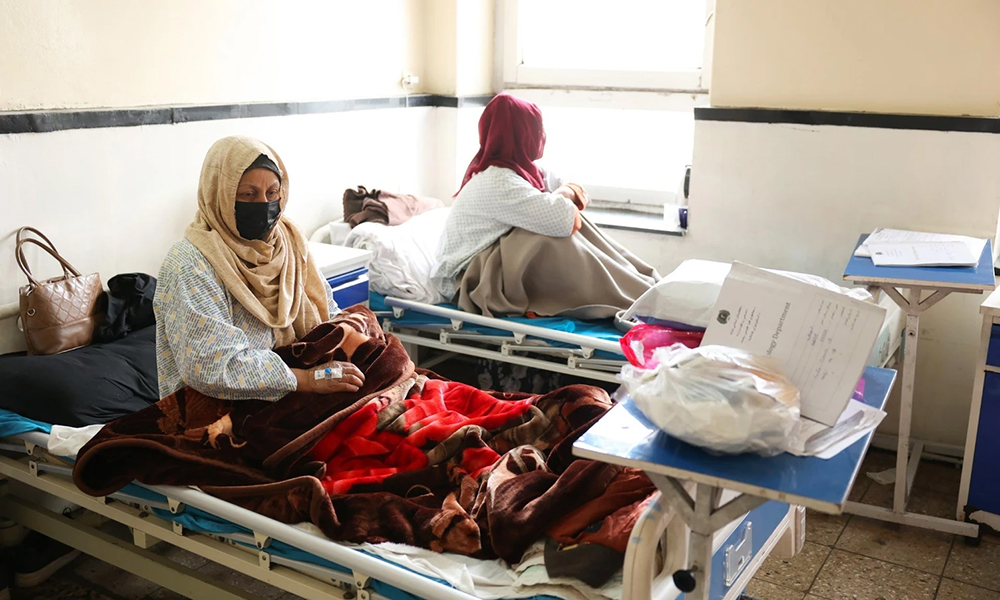
Non-communicable diseases (NCDs) and mental health conditions are emerging as a hidden epidemic in Afghanistan, putting severe pressure on the country’s fragile health system.
According to a new report issued by the World Health Organization (WHO) on Sunday, heart disease, diabetes, cancer, and chronic lung conditions already account for 43% of deaths nationwide – a figure expected to rise above 60% by 2030, with women disproportionately affected.
Cardiovascular disease alone claims more than 40,000 lives each year, ranking Afghanistan among countries with the highest age-adjusted death rates globally.
Cancer, particularly breast and cervical cancer, also heavily impacts Afghan women, with many patients seeking care only at advanced stages when treatment options are limited.
Mental health meanwhile is increasingly recognized as a critical yet under-addressed concern, WHO reported.
Years of conflict, displacement, and natural disasters – including recent earthquakes – have left deep psychological scars, especially among families returning from Pakistan and Iran.
One in five Afghans is estimated to live with a mental health condition, with over half of returnee families affected by anxiety, depression, or post-traumatic stress last year.
Thousands of families face long waiting lists for treatment, particularly in rural areas.
Hospitals and primary health care facilities frequently lack dedicated mental health services, leaving vulnerable populations without care.
For families like that of Rahimi in eastern Afghanistan, the impact is deeply personal. A recent earthquake destroyed his home, disrupted his wife’s diabetes treatment, and left his teenage daughters struggling with anxiety.
“We survive the disasters, but the illness and worry never leave,” he said.
In response, Afghanistan’s Ministry of Public Health approved a national health policy in March 2025 prioritizing NCD prevention, cancer care, and mental health.
The World Health Organization (WHO) is working with authorities to expand access to care, strengthen community awareness, and provide targeted support for women and children.
“Millions across Afghanistan live with chronic illness and mental health challenges, placing enormous pressure on an already fragile system,” said Dr Edwin Ceniza Salvador, WHO Representative to Afghanistan.
“Beyond physical disease, trauma and psychological suffering continue to affect families and communities. Expanding access to care for both NCDs and mental health is a shared responsibility for WHO, health authorities, and donors.”







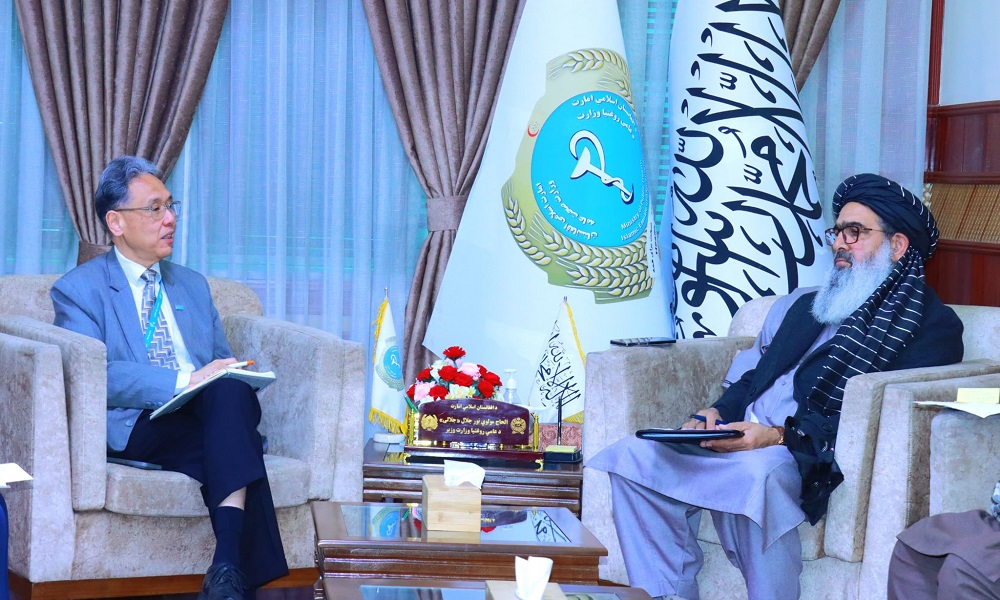
Afghanistan’s Minister of Public Health, Noor Jalal Jalali, met with the head of the World Health Organization in Afghanistan, Edwin Ceniza Salvador, to discuss expanding healthcare services and strengthening coordination in the country.
According to a statement issued Tuesday by the Ministry of Public Health, the meeting was attended by officials from the WHO and other representatives and focused on key health sector priorities and areas of mutual cooperation.
Participants discussed the expansion of health services across Afghanistan, capacity-building initiatives for healthcare workers, and the development of cancer-related services. They also reviewed operational coordination, transparency in the delivery of health services, and preparations for upcoming health-related meetings.
During the meeting, Jalali emphasized the importance of aligning health projects and services with the ministry’s national policies and strategic documents.
He stressed that all health initiatives should be implemented based on the priorities and needs identified by the Ministry of Public Health.
The minister also urged WHO officials to enhance transparency and strengthen coordination with the ministry while taking practical steps to improve the quality of health services and ensure broader public access to healthcare across the country.
For his part, Salvador reaffirmed the WHO’s commitment to maintaining close cooperation with the Afghan health ministry and to delivering essential health services in accordance with the ministry’s policies and priorities.
Health
Afghanistan faces acute shortage of specialist doctors, officials urge ethics and expansion of health services
Noor Jalal Jalali, the Minister of Public Health, said the ministry is making sustained and intensive efforts to address the gap and expand access to healthcare services in remote and underserved areas of the country.
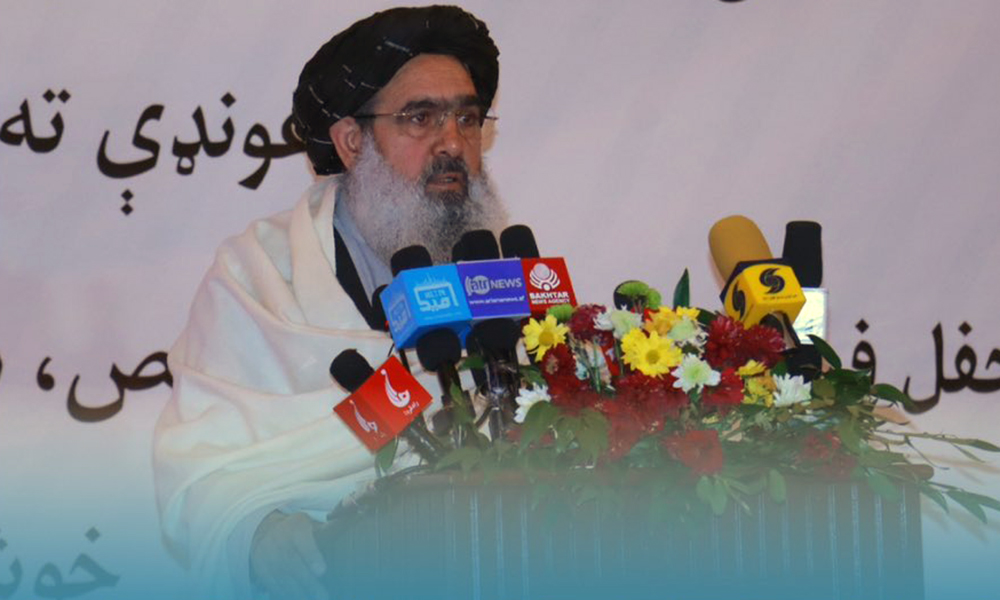
Afghanistan is continuing to face a serious shortage of specialist doctors, health officials said during the graduation ceremony of specialist physicians from the General Directorate of Medical Specialization for the year 1404.
Noor Jalal Jalali, the Minister of Public Health, said the ministry is making sustained and intensive efforts to address the gap and expand access to healthcare services in remote and underserved areas of the country.
According to Jalali, hospitals are still absent across 318 districts nationwide. He added that initial construction work for hospitals has been completed in 100 of these areas, stressing that strengthening health infrastructure and training qualified specialists remain top priorities for the ministry.
Jalali also called on doctors and health officials to uphold their professional and religious responsibilities by treating patients with compassion, dignity, and good conduct. He emphasized that medical practice should not be driven by material gain, but by the pursuit of public service and the well-being of the people.
Speaking at the same ceremony, Hamdullah Nomani, Minister of Communications and Information Technology noted a decline in public trust toward some medical professionals, saying that despite the presence of many committed and ethical doctors, the behavior of a few motivated solely by financial gain has undermined patient confidence. He urged newly graduated specialists to serve with sincerity and restore public trust in Afghanistan’s healthcare system.
Meanwhile, Abdul Wali Sadiqi, the financial and administrative deputy minister of public health, advised graduates to remain committed to their profession, fulfill their responsibilities honestly, and serve the public with dedication. He stressed that efforts in national service should match those made in personal affairs.
In addition, Abdul Baqi Haqqani, head of the National Examinations Authority, highlighted that humans carry two fundamental responsibilities: worship of Allah and preservation of health, underscoring the vital role doctors play in safeguarding public health.
Health sector experts say Afghanistan now needs skilled and professional medical personnel more than ever, calling for increased investment in specialist training and healthcare infrastructure to meet the country’s growing needs.
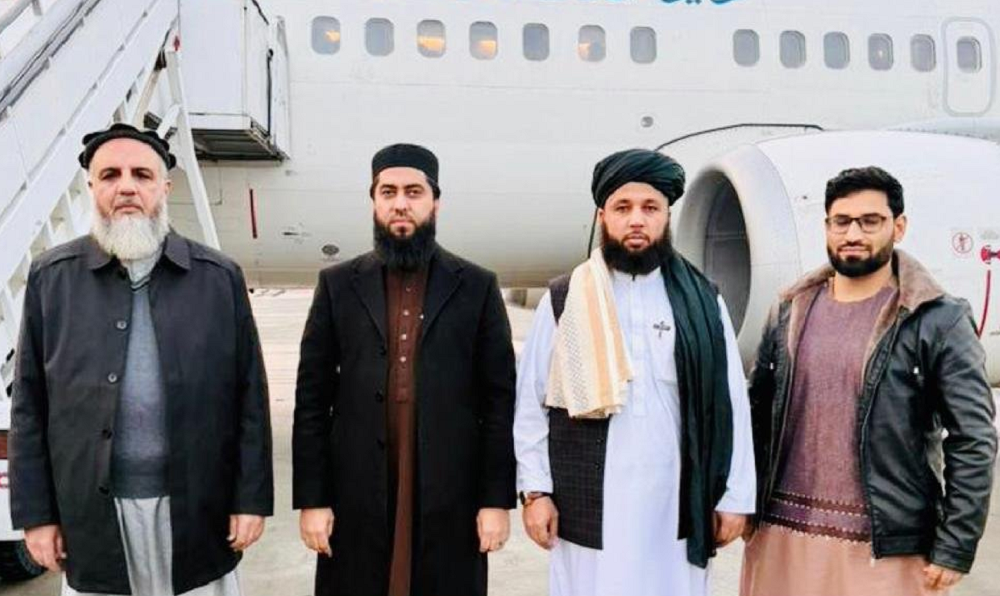
Naemullah Ayoubi, Director General of Drug and Health Products Regulation at Afghanistan’s Ministry of Public Health, has departed for Turkey on an official visit accompanied by a technical delegation.
The Ministry of Public Health said the delegation will hold meetings with officials from Turkey’s pharmaceutical regulatory authority and discuss a number of key issues related to the regulation of medicines and health products.
The delegation is also scheduled to visit several pharmaceutical manufacturing factories in Turkey.
According to the ministry, the visit aims to strengthen coordination between the two countries in the production and import of medicines, in order to ensure the availability of high-quality and affordable pharmaceuticals for people in Afghanistan in both the short and long term.


Tahawol: Temporary ceasefire draws broad support

Security Sources: Pakistani military shelling in Kunar and Nuristan leaves female doctor dead

Saar: Emphasis on resolving conflicts through diplomacy

UN Secretary-General condemns Pakistani airstrike on Kabul rehab center

IEA Supreme Leader: Afghanistan’s victory lies in faith and National unity

Pakistani military jet downed in Afghanistan’s Jalalabad, pilot captured alive

Afghan Air Force conducts airstrikes in Islamabad, other cities

Afghanistan’s Chief of Armed Forces underscores readiness and equipment for national defense

Afghanistan welcomes investment and technology partnerships with India

Prominent Muslim scholar issues fatwa calling for Afghanistan-Pakistan ceasefire
Tahawol: Temporary ceasefire draws broad support
Saar: Emphasis on resolving conflicts through diplomacy

Tahawol: Global reactions to Pakistan’s recent attacks discussed

Saar: Consequences of Pakistani airstrikes on Afghans discussed

Tahawol: Pakistan’s new attacks on Kabul hospital discussed
-
 Latest News3 days ago
IEA Supreme Leader issues Eid-ul-Fitr message urging unity and support for Islamic system
-
 Latest News5 days ago
Regional criticism grows amid Pakistan strikes inside Afghanistan
-
 Latest News4 days ago
Afghan airstrike targets a military camp in South Waziristan
-

 Business4 days ago
Turkmenistan, Afghanistan discuss steps to speed up land acquisition for TAPI pipeline
-

 Sport4 days ago
IPL 2026 kicks off in under two weeks; Afghan players set to shine
-

 Business5 days ago
Afghanistan expands exports through Lapis Lazuli Corridor
-
 Latest News1 day ago
IEA announces temporary pause in defensive operations against Pakistan for Eid
-

 World5 days ago
Trump rejects efforts to launch Iran ceasefire talks, sources say