
Latest News
CIA ran secret program to undermine Afghanistan’s opium industry, report reveals
The Afghan Ministry of Interior recently announced that narcotics-related cultivation, trade, and trafficking have been “effectively reduced to zero” inside the country.

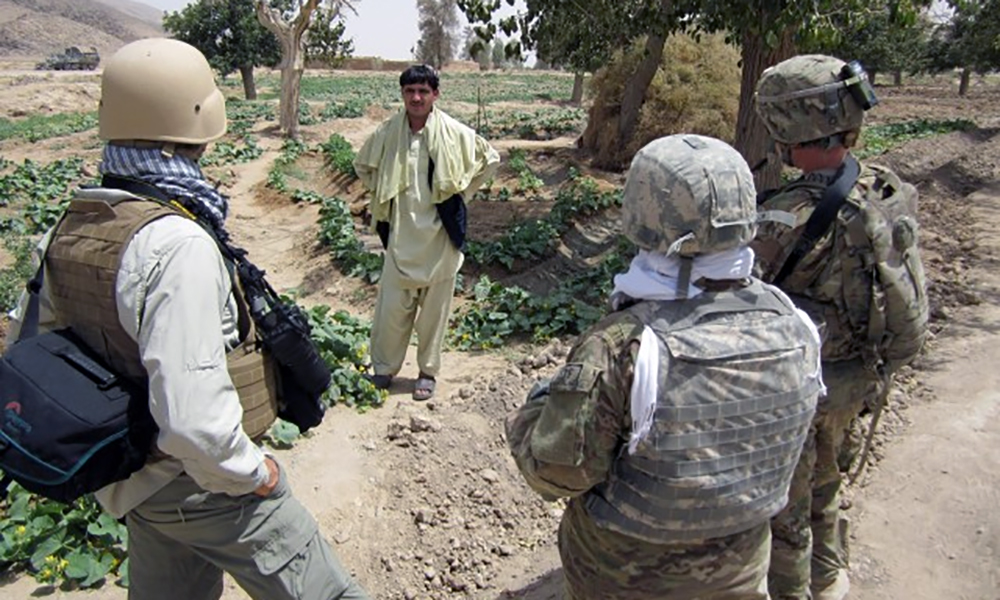
The Central Intelligence Agency (CIA) secretly carried out a covert operation between 2004 and 2015 aimed at weakening Afghanistan’s opium industry by dispersing genetically modified poppy seeds, according to an investigative report by The Washington Post.
The decade-long program allegedly sought to reduce the narcotic potency of Afghan poppies, thereby disrupting the billion-dollar opium trade.
Aerial Distribution and Presidential Authorization
Citing 14 sources familiar with the classified operation, The Washington Post reported that the CIA airdropped specially engineered poppy seeds across Afghanistan’s key opium-producing provinces, including Helmand and Nangarhar. The seeds were designed to yield plants with minimal levels of alkaloids — the chemical compounds used in heroin production.
The operation was reportedly authorized by President George W. Bush and later continued under the Obama administration, managed through the CIA’s Crime and Narcotics Center. British C-130 aircraft were used in the early phases to disperse the modified seeds over vast tracts of farmland.
Former U.S. officials described the initiative as “tremendously expensive,” acknowledging that despite years of effort, the program produced mixed results and failed to significantly reduce Afghanistan’s role as the world’s top opium supplier.
Limited Success and Lingering Impact
While the CIA has not publicly commented on the report, sources said the program’s overall impact was limited, as Afghan farmers continued cultivating traditional, high-yield poppy varieties. By the time the operation was phased out in 2015, Afghanistan’s opium production remained central to both the national economy and insurgent funding networks.
The revelation underscores the breadth of U.S. intelligence operations aimed at disrupting narcotics financing in conflict zones during the two-decade war in Afghanistan.
Post-2022 Context: Opium cultivation declines under IEA ban
Since the Islamic Emirate of Afghanistan (IEA) imposed a nationwide ban on opium cultivation in 2022, production within Afghanistan has fallen sharply. However, analysts warn the narcotics trade is now shifting to neighboring countries, including Pakistan and Iran.
According to Nikkei Asia, Afghanistan’s opium cultivation dropped to about 10,200 hectares in 2025 — a 20% decline from the previous year. The UK-based geospatial firm Alcis offered a slightly higher estimate of 12,800 hectares, but confirmed that cultivation levels remain dramatically below the 200,000 hectares recorded before the IEA ban.
The Afghan Ministry of Interior recently announced that narcotics-related cultivation, trade, and trafficking have been “effectively reduced to zero” inside the country. Authorities said nearly 200,000 kilograms of natural and synthetic drugs were seized and destroyed over the past year.
The CIA’s now-exposed program, combined with Afghanistan’s recent anti-narcotics drive, highlights the long-standing geopolitical and economic complexity surrounding opium production in the region.
While the IEA’s ban has sharply reduced cultivation inside Afghanistan, experts caution that the regional narcotics economy is merely evolving — not disappearing.

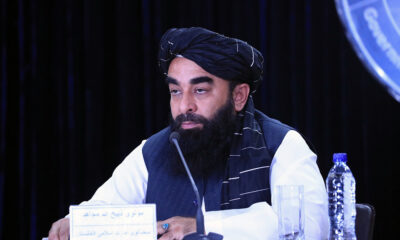


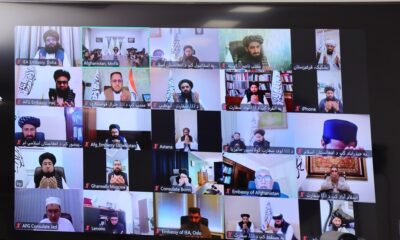

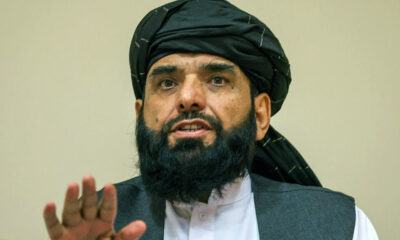


The spokesperson of the Islamic Emirate of Afghanistan Zabiullah Mujahid announced on Wednesday that the security and defense forces of the Islamic Emirate will temporarily halt the “Rad al-Zulm” defensive operation on the occasion of Eid al-Fitr and also at the request of Saudi Arabia, Turkey, and Qatar.
Zabiullah Mujahid said in a post on X: “The Islamic Emirate, while appreciating the goodwill of friendly and mediating countries, emphasizes that maintaining Afghanistan’s national security, territorial integrity, and the safety of Afghan lives is its national and religious duty, and it will bravely respond to any aggression in case of a threat.”
Meanwhile, Ataullah Tarar, Pakistan’s Minister of Information and Broadcasting, also announced that Pakistan has temporarily suspended its attacks on Afghanistan for Eid al-Fitr at the request of Saudi Arabia, Qatar, and Turkey.
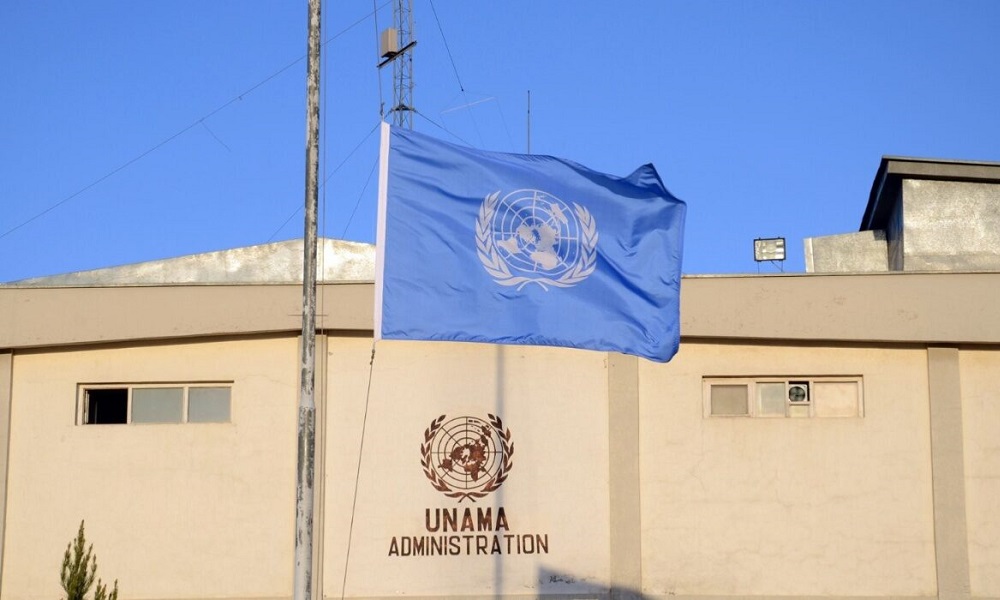
A UN official told Reuters on Wednesday that the United Nations Assistance Mission in Afghanistan (UNAMA) estimated the number of victims of the bombing of Kabul’s Omid hospital by Pakistan at 143 dead.
However, health officials in Afghanistan had earlier reported that the attack killed more than 400 people and injured 265.
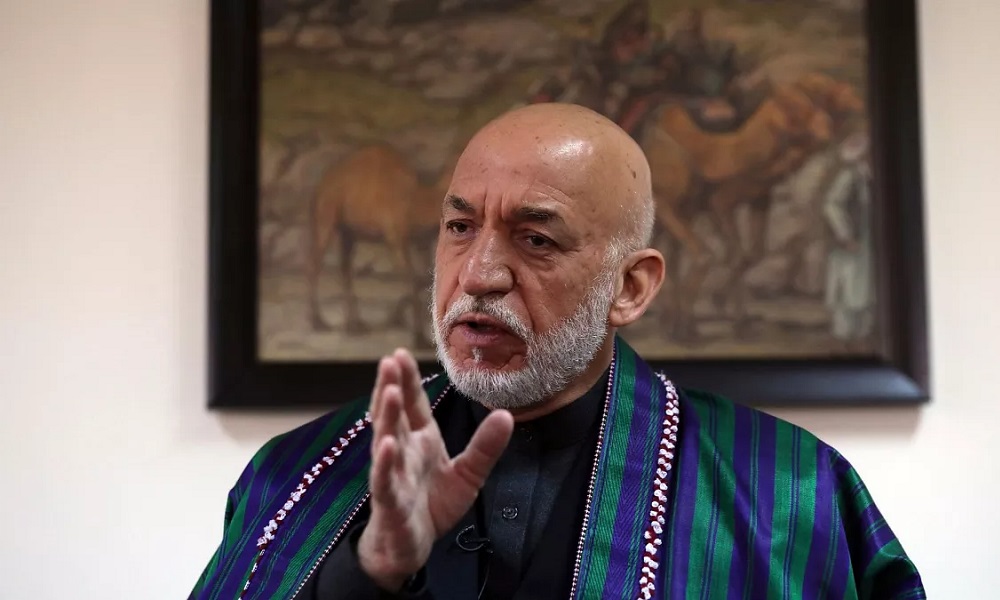
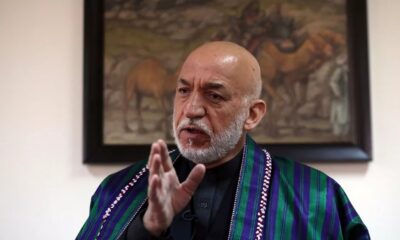
Former Afghan president Hamid Karzai has accused Pakistan of trying to create “anarchy and weakness” in Afghanistan, following a deadly airstrike on Kabul.
In an interview with UK’s Sky News, Karzai said Islamabad’s policies were aimed at keeping Afghanistan unstable and “downtrodden,” warning that such an approach would harm both countries.
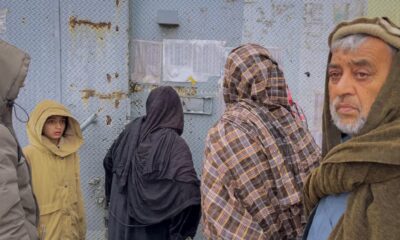
He condemned the recent strike on a drug rehabilitation hospital in Kabul, which Afghan officials say killed around 400 people, describing it as an “extremely unfortunate event” in the history of relations between the two neighbours.
Karzai said he personally heard the explosion, describing a “horrific sound” that shook his home and filled the surrounding area with smoke and dust.
The former leader, who governed Afghanistan from 2002 to 2014, said tensions between the two countries are longstanding, claiming Pakistan has struggled to maintain stable relations with successive Afghan governments.
He urged Pakistani leaders to change course and pursue a more constructive relationship, saying past strategies of interference and destabilisation had failed and would not succeed in the future.
Fighting between the two countries has intensified since late February, when Pakistan launched airstrikes it says targeted militant infrastructure. The United Nations estimates the violence has displaced more than 100,000 people.
Pakistan has denied targeting civilians, insisting its operations were aimed at militant sites and accusing Kabul of spreading “misleading” claims to deflect from alleged cross-Durand Line threats.


Tahawol: Global reactions to Pakistan’s recent attacks discussed

IEA announces temporary pause in defensive operations against Pakistan for Eid

Saar: Consequences of Pakistani airstrikes on Afghans discussed

UNAMA puts death toll from Pakistan’s attack on Kabul’s Omid Hospital at 143

Karzai accuses Pakistan of seeking to destabilise Afghanistan after Kabul strike

Pakistani military jet downed in Afghanistan’s Jalalabad, pilot captured alive

Afghan Air Force conducts airstrikes in Islamabad, other cities

IEA releases three Pakistani soldiers to mark Ramadan

Afghanistan’s Chief of Armed Forces underscores readiness and equipment for national defense

Afghanistan welcomes investment and technology partnerships with India
Tahawol: Global reactions to Pakistan’s recent attacks discussed
Saar: Consequences of Pakistani airstrikes on Afghans discussed

Tahawol: Pakistan’s new attacks on Kabul hospital discussed

Saar: Pakistani military’s airstrike on Kabul hospital discussed

Tahawol: China’s efforts for Afghanistan-Pakistan talks
-
 Latest News3 days ago
IEA Supreme Leader issues Eid-ul-Fitr message urging unity and support for Islamic system
-
 Latest News5 days ago
14 Pakistani soldiers killed after military post falls along Durand line: MoD
-
 Latest News4 days ago
Regional criticism grows amid Pakistan strikes inside Afghanistan
-
 Latest News4 days ago
Afghan airstrike targets a military camp in South Waziristan
-

 Business3 days ago
Turkmenistan, Afghanistan discuss steps to speed up land acquisition for TAPI pipeline
-

 Sport4 days ago
IPL 2026 kicks off in under two weeks; Afghan players set to shine
-

 Business4 days ago
Afghanistan expands exports through Lapis Lazuli Corridor
-
 Latest News5 days ago
India condemns Pakistani airstrikes on Afghanistan