
Latest News
EU highlights Afghanistan’s growing water shortage crisis
Experts warn that Kabul, a city that has grown rapidly over the past two decades, is at the center of the crisis.

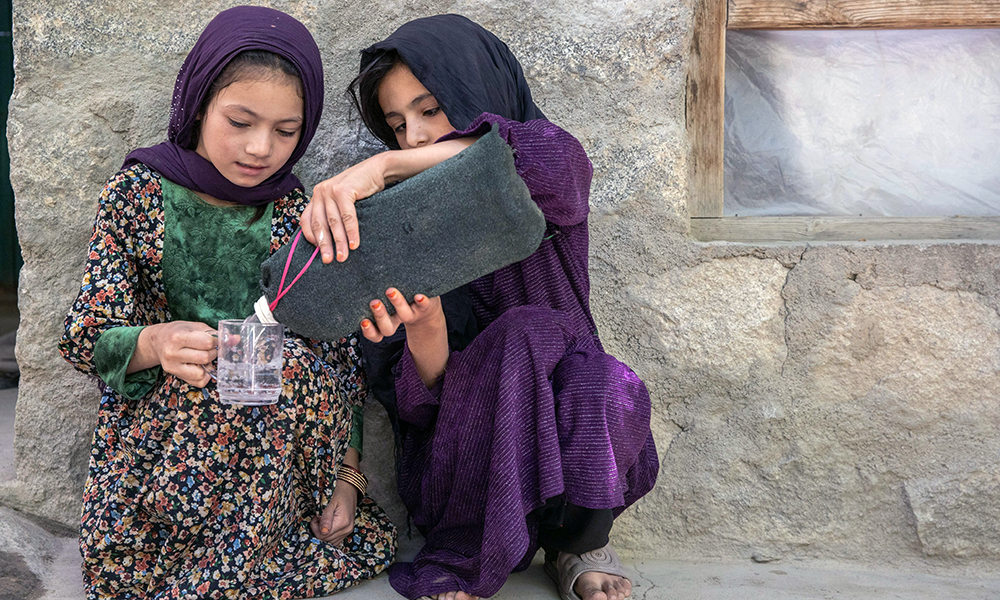
As World Water Week concluded, the European Union warned of Afghanistan’s growing water crisis, stressing the urgent challenges faced in Kabul, where groundwater reserves are rapidly depleting and shortages are increasingly threatening public health, food security, and urban livelihoods.
In a statement, the EU reaffirmed its commitment to addressing these challenges in partnership with Afghan authorities and local organizations. “Water is life. Let’s work for it,” the statement read, emphasizing the need for efficient water use and sustainable resource management for future generations.
The EU, through its @EU_Partnerships and @eu_echo programs, is supporting projects across Afghanistan focused on climate change adaptation, agriculture, WASH (water, sanitation, and hygiene), health, food security, and assistance for displaced families and returnees. These initiatives aim to build resilience in local communities while ensuring long-term access to safe water.
Experts warn that Kabul, a city that has grown rapidly over the past two decades, is at the center of the crisis.
Its groundwater table has been falling at alarming rates due to over-extraction from wells, unplanned urban expansion, and climate-driven droughts. Many households in the capital already struggle to secure clean drinking water, relying on tankers or contaminated sources.
The EU noted that water scarcity is not only a technical issue but a shared responsibility, urging both international partners and Afghan authorities to work together in safeguarding vital resources.
The Islamic Emirate has also acknowledged the growing threat and has recently encouraged water conservation, the development of irrigation networks, and investment in alternative water storage systems to mitigate the crisis.
This focus on water security aligns with broader EU development objectives in Afghanistan and highlights the urgency of international cooperation to address the humanitarian and environmental challenges now confronting millions of Afghans.




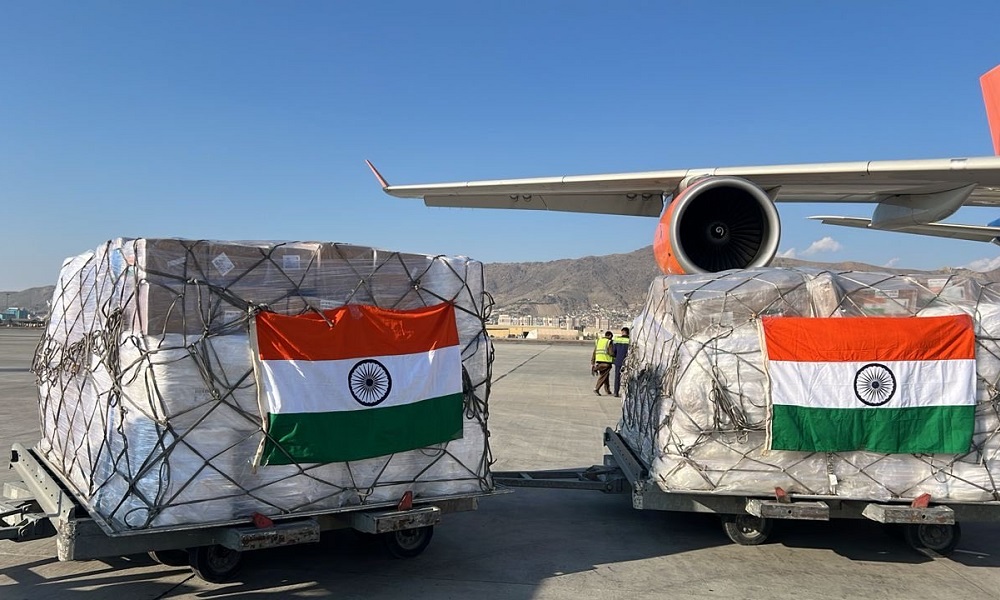
Randhir Jaiswal, spokesperson for India’s Ministry of External Affairs, announced on Friday that a 2.5-ton consignment, including emergency medicines, medical disposables, kits, and equipment has been delivered to Kabul.
According to him, the aid shipment is intended to support the swift recovery of those injured in the recent airstrike by Pakistan’s military regime.
He emphasized that India stands with the people of Afghanistan and will continue to provide all possible humanitarian assistance.
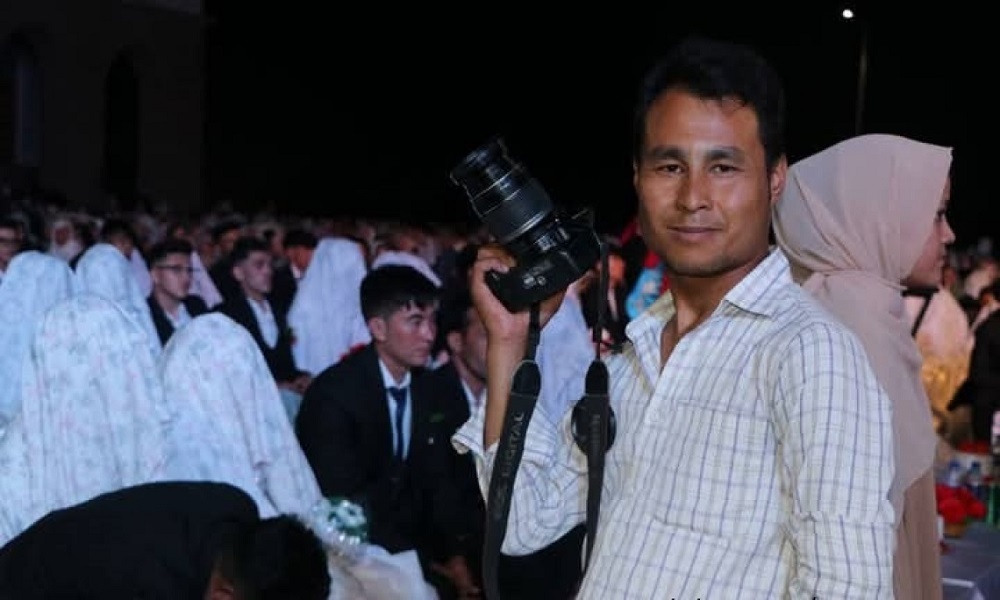
The Afghanistan Journalists Center (AFJC) has announced that Mahdi Ansary, a reporter for the Afghan News Agency (AFKA), has been released after serving one and a half years in Bagram prison.
In a statement welcoming his release, AFJC emphasized that the fundamental rights of this journalist—who had been tried and imprisoned on charges of cooperating with exiled and foreign media—were “seriously” violated.
Ansari was arrested on October 5, 2023, after returning from his workplace in Kabul.
He was sentenced on January 1, 2024 by the Kabul Primary Court to one and a half years in prison on charges of “propaganda against the Islamic Emirate.”
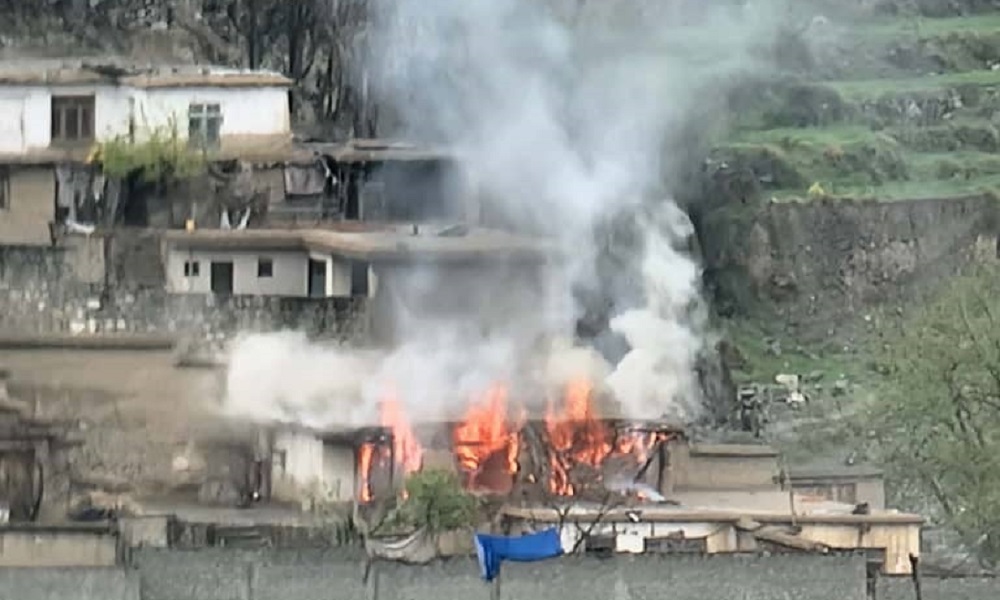
Farid Dehqan, spokesperson for the Khas Kunar police command, said that rocket attacks by the Pakistani military regime are still ongoing in the province.
These attacks come despite earlier announcements by the Pakistani military of a temporary ceasefire for Eid.


India sends 2.5-ton medical shipment to Afghanistan

Trump compares Iran strikes to Pearl Harbor in meeting with Japan’s leader

Afghanistan national buzkashi falls short in Kokpar World Championship semifinals

Mahdi Ansary, local journalist, released from prison

Pakistan’s rocket attacks still ongoing on Nari district, Kunar

Pakistani military jet downed in Afghanistan’s Jalalabad, pilot captured alive

Afghan Air Force conducts airstrikes in Islamabad, other cities

Afghanistan welcomes investment and technology partnerships with India

Prominent Muslim scholar issues fatwa calling for Afghanistan-Pakistan ceasefire

Afghan air force strikes key Pakistani military installations in retaliatory operation

Tahawol: Temporary ceasefire draws broad support

Saar: Emphasis on resolving conflicts through diplomacy

Tahawol: Global reactions to Pakistan’s recent attacks discussed

Saar: Consequences of Pakistani airstrikes on Afghans discussed

Tahawol: Pakistan’s new attacks on Kabul hospital discussed
-
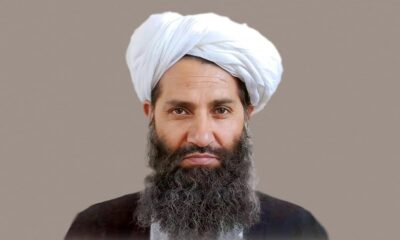
 Latest News4 days ago
IEA Supreme Leader issues Eid-ul-Fitr message urging unity and support for Islamic system
-

 Business4 days ago
Turkmenistan, Afghanistan discuss steps to speed up land acquisition for TAPI pipeline
-
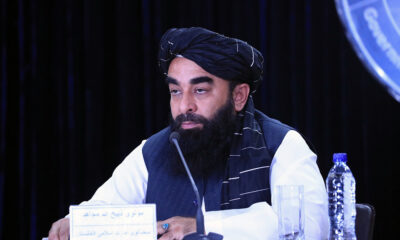
 Latest News2 days ago
IEA announces temporary pause in defensive operations against Pakistan for Eid
-
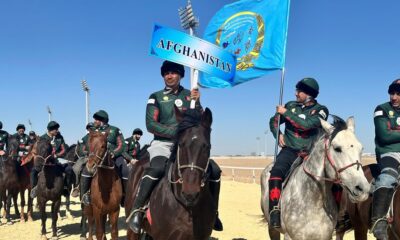
 Sport3 days ago
Afghanistan national buzkashi team defeats Hungary 14–0
-
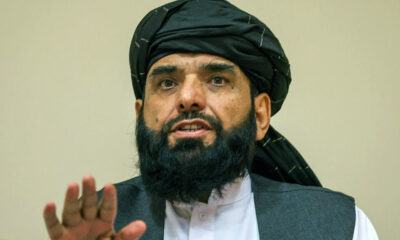
 Latest News2 days ago
Pakistan opposes normal Afghanistan–India relations: Shaheen
-
 Latest News4 days ago
CAIR-Texas calls for probe after Afghan refugee dies in ICE custody
-
 Latest News4 days ago
IEA condemns alleged airstrike by Pakistan on drug treatment hospital in Kabul
-
 Latest News3 days ago
Afghanistan warns Pakistan of ‘teeth-breaking’ response after deadly Kabul bombing