
Latest News
FAO and UK launch £10 million project to boost Afghanistan’s rural resilience
Agriculture continues to form the backbone of Afghanistan’s economy and food system.

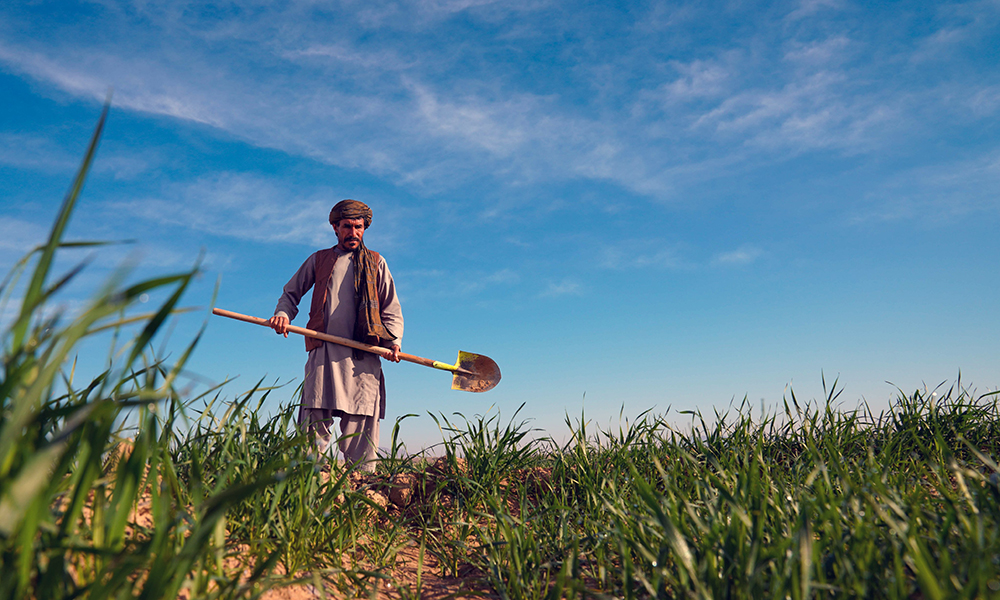
The Food and Agriculture Organization of the United Nations (FAO), in partnership with the government of the United Kingdom (UK), has launched a £10 million ($12.9 million) initiative aimed at strengthening food security, boosting rural livelihoods, and increasing the resilience of Afghan communities facing climate and economic challenges.
The new programme, known as the Resilient Agriculture Livelihoods (ReAL) project, is set to reach more than 151,000 people—representing over 21,500 households—across 15 provinces in Afghanistan over the next 10 months.
The project is part of the UK-funded “Promoting Resilient and Equitable Recovery of Agriculture and Livelihoods in Afghan Communities” (PREVALE) initiative.
According to FAO, the project will prioritize smallholder farmers, herders, and landless laborers, with a special focus on widows and women-headed households.
Key interventions will include improving wheat and dairy production, restoring community irrigation systems, distributing quality seeds, and delivering livestock vaccinations and health services.
Richard Trenchard, FAO Representative in Afghanistan, emphasized the importance of the UK’s support in strengthening local resilience. “Afghanistan’s farmers are extraordinarily resilient, but repeated climate and economic shocks are eroding this strength,” he said.
“This project lays down critical pathways to help rebuild that resilience—leading to better production, better nutrition, a better environment, and ultimately, a better life. In a country where agriculture sustains most lives, this is a short-term investment with long-term impact.”
Women are expected to play a central role in the ReAL project. FAO will provide targeted support for female-headed households through poultry starter kits, livestock training, and access to dairy markets, aiming to improve both nutrition and income generation for women and children.
Agriculture continues to form the backbone of Afghanistan’s economy and food system.
Between 2022 and 2024, FAO supported more than 30 million Afghans through a combination of emergency and resilience-building interventions. These efforts have significantly reduced the number of people facing acute food insecurity across the country.
The ReAL project builds on this progress by fostering climate-resilient farming, promoting sustainable land use, and helping communities reduce their dependence on emergency aid. It also aims to expand market access, encourage income-generating activities, and improve disaster risk management.
The initiative will run in parallel with a complementary PREVALE-funded project implemented by the Afghanistan Resilience Consortium (ARC), led by Afghanaid. Together, FAO and ARC aim to support climate-vulnerable communities, share best practices, and promote sustainable agricultural methods across Afghanistan.
FAO and its partners underscore that agriculture remains one of the most cost-effective means of addressing chronic food insecurity and malnutrition at scale. As Afghanistan continues to face overlapping environmental and economic pressures, long-term investment in rural livelihoods is seen as essential to safeguarding progress and enabling recovery.
The project reflects a growing shift toward building durable, community-led solutions that reduce humanitarian needs over time while restoring food sovereignty and economic stability in Afghanistan’s rural heartlands.

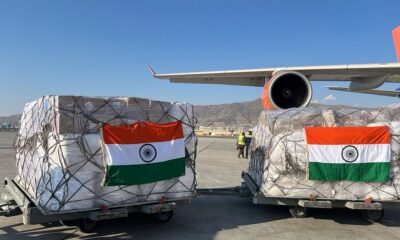




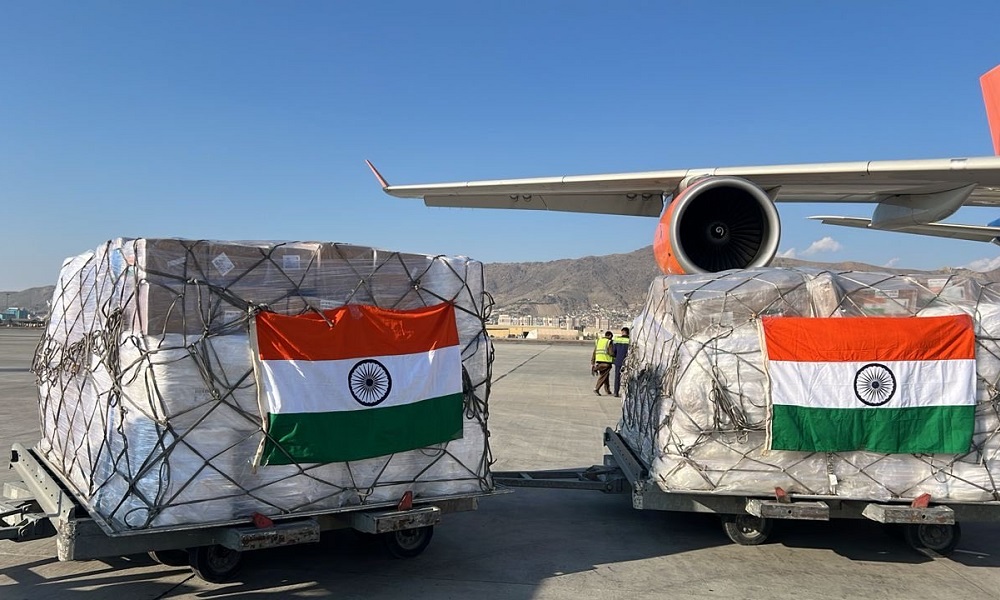
Randhir Jaiswal, spokesperson for India’s Ministry of External Affairs, announced on Friday that a 2.5-ton consignment, including emergency medicines, medical disposables, kits, and equipment has been delivered to Kabul.
According to him, the aid shipment is intended to support the swift recovery of those injured in the recent airstrike by Pakistan’s military regime.
He emphasized that India stands with the people of Afghanistan and will continue to provide all possible humanitarian assistance.
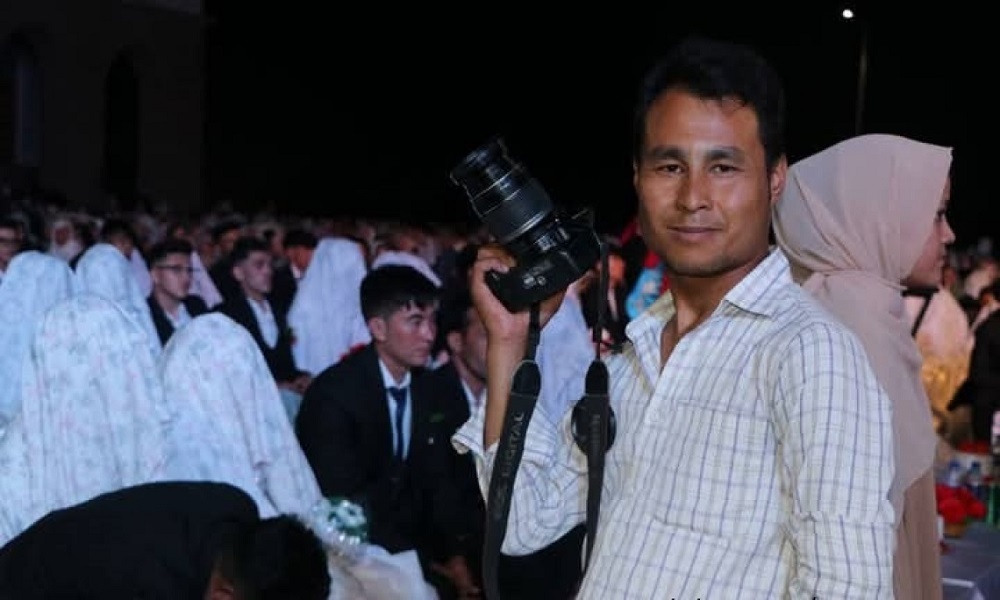
The Afghanistan Journalists Center (AFJC) has announced that Mahdi Ansary, a reporter for the Afghan News Agency (AFKA), has been released after serving one and a half years in Bagram prison.
In a statement welcoming his release, AFJC emphasized that the fundamental rights of this journalist—who had been tried and imprisoned on charges of cooperating with exiled and foreign media—were “seriously” violated.
Ansari was arrested on October 5, 2023, after returning from his workplace in Kabul.
He was sentenced on January 1, 2024 by the Kabul Primary Court to one and a half years in prison on charges of “propaganda against the Islamic Emirate.”
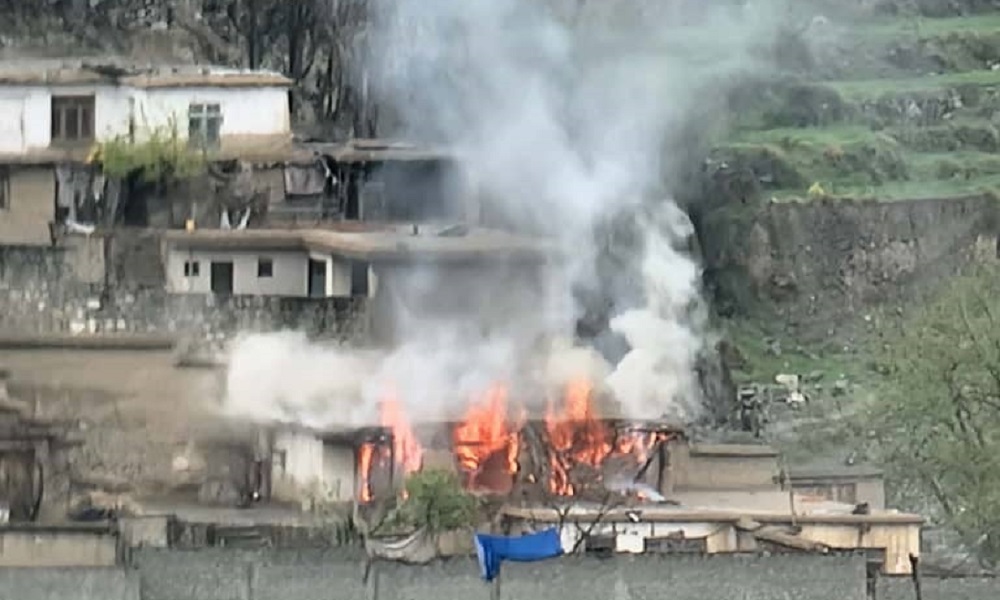
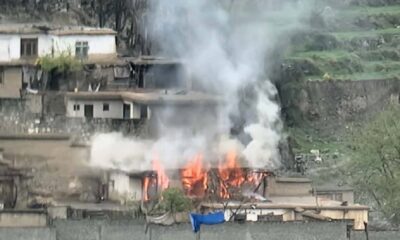
Farid Dehqan, spokesperson for the Khas Kunar police command, said that rocket attacks by the Pakistani military regime are still ongoing in the province.
These attacks come despite earlier announcements by the Pakistani military of a temporary ceasefire for Eid.


Tawsia: Assessment of Afghanistan’s economic activities in 1404

India sends 2.5-ton medical shipment to Afghanistan

Trump compares Iran strikes to Pearl Harbor in meeting with Japan’s leader

Afghanistan national buzkashi falls short in Kokpar World Championship semifinals

Mahdi Ansary, local journalist, released from prison

Pakistani military jet downed in Afghanistan’s Jalalabad, pilot captured alive

Afghan Air Force conducts airstrikes in Islamabad, other cities

Afghanistan welcomes investment and technology partnerships with India

Prominent Muslim scholar issues fatwa calling for Afghanistan-Pakistan ceasefire

Afghan air force strikes key Pakistani military installations in retaliatory operation
Tawsia: Assessment of Afghanistan’s economic activities in 1404

Tahawol: Temporary ceasefire draws broad support

Saar: Emphasis on resolving conflicts through diplomacy

Tahawol: Global reactions to Pakistan’s recent attacks discussed

Saar: Consequences of Pakistani airstrikes on Afghans discussed
-
 Latest News4 days ago
IEA Supreme Leader issues Eid-ul-Fitr message urging unity and support for Islamic system
-

 Business4 days ago
Turkmenistan, Afghanistan discuss steps to speed up land acquisition for TAPI pipeline
-
 Latest News2 days ago
IEA announces temporary pause in defensive operations against Pakistan for Eid
-
 Latest News3 days ago
Pakistan opposes normal Afghanistan–India relations: Shaheen
-
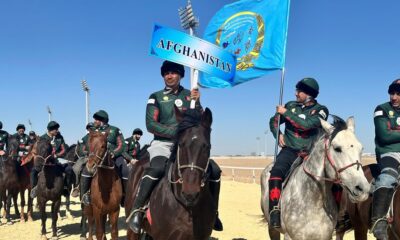
 Sport3 days ago
Afghanistan national buzkashi team defeats Hungary 14–0
-
 Latest News5 days ago
CAIR-Texas calls for probe after Afghan refugee dies in ICE custody
-
 Latest News4 days ago
IEA condemns alleged airstrike by Pakistan on drug treatment hospital in Kabul
-
 Latest News3 days ago
Afghanistan warns Pakistan of ‘teeth-breaking’ response after deadly Kabul bombing