
Latest News
IEA claims leaked document on Daesh in Afghanistan is ‘fake’

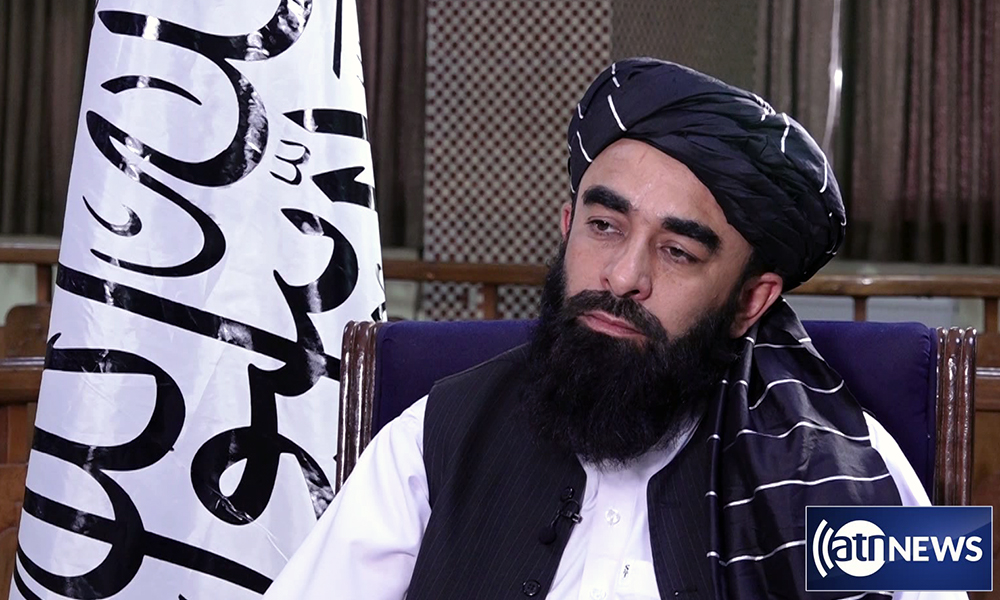
Islamic Emirate of Afghanistan on Sunday rejected claims that Daesh is using the country to plot and coordinate terror attacks against the US and its allies as stated in a leaked US military assessment.
The classified document reportedly portrayed the threat as a growing security concern. It noted that Afghan soil had become a base for the regional affiliate of Daesh to conduct “aspirational plotting” against US and European targets.
Islamic Emirate of Afghanistan spokesman Zabihullah Mujahid on Sunday night called the assessment “fake” and part of “US ongoing propaganda campaign” against their government.
An official statement quoted Mujahid as saying the IEA government “has full control” over Afghanistan and does not allow anyone to use its soil for attacks against other countries.
He said that Daesh and other terrorist groups in the country “have been severely affected and are in the process of being destroyed.”
Mujahid added that the IEA had brought security to Afghanistan since regaining control of the country in August 2021, citing peaceful celebrations of the three-day, nationwide, annual Eid festival, which ended Sunday.
“It is obvious that the spread of such biased reports shows that some people in America have not forgotten their hatred and enmity with the people of Afghanistan,” he said.
The Washington Post reported the Afghanistan-related US intelligence findings, saying they are part of a trove of documents posted to the social media platform Discord and obtained by the newspaper.
“ISIS has been developing a cost-effective model for external operations that relies on resources from outside Afghanistan, operatives in target countries, and extensive facilitation networks,” the newspaper reported, citing the top-secret Pentagon secret assessment.
“The model will likely enable ISIS (Daesh) to overcome obstacles — such as competent security services — and reduce some plot timelines, minimizing disruption opportunities,” The Post reported, citing the assessment, which used an acronym for IS-K.
The leaked document reportedly detailed specific efforts to target embassies, churches, business centers and the FIFA World Cup soccer tournament, which drew more than 2 million spectators last November in Qatar.
The US military assessment raised the number of Daesh plots coordinated in Afghanistan from nine to 15.
Mujahid considered the publication of leaked US military documents as “self-made irresponsible claims, the work of intelligence circles”, which, according to him, “do not bode well for the Afghans.”
“Everyone should know that now the public mind is moving beyond such failed attempts,” Mujahid tweeted.
US officials have not verified the authenticity of the leaked documents.












Kazakhstan’s Foreign Minister Mukhtar Tileuberdi has called for pragmatic and coordinated international engagement with Afghanistan, saying the country’s long-term stability is closely linked to the security and sustainable development of Central Asia.
Speaking during the general debate of the 81st session of the United Nations General Assembly in New York on Friday, Tileuberdi said humanitarian assistance to Afghanistan remains essential but alone cannot break the cycle of poverty, displacement and dependency.
He said Kazakhstan supports a “pragmatic, coordinated and step-by-step” approach to international engagement with Afghanistan, with the United Nations playing a central role.
Tileuberdi also said Kazakhstan is working with the UN to operationalize the United Nations Regional Centre for the Sustainable Development Goals for Central Asia and Afghanistan in Almaty.
He said the success of the centre should be measured by the results and assistance it delivers to the region.


Abu Muslim Farah defeat Khurasan Faryab 2-0 in ACL season six

Saar: Concerns over Pakistan’s political crisis discussed

Afghanistan Champions League: Omar Zawak Herat beat Toofan Herat 1-0

Blast in Pakistan’s Dera Ismail Khan kills 11, injures 30

Ariana Afghan Airlines increases Kabul-Delhi cargo flights

Saudi energy group signs major Afghanistan deals covering gas exploration and pipeline plans

Trump floats idea of renaming Atlantic or Pacific Ocean

US hits Egyptian bank branches with Iran sanctions as war marks six months

Nepal flood rescue mission enters critical phase as thousands remain missing

Iranian clubs to face Gulf opponents at neutral venues in Asian Champions League Elite
Saar: Concerns over Pakistan’s political crisis discussed

Exclusive interview with Abdul Latif Mansoor, Minister of MRRD

Tawsia: Overview of Afghanistan’s iron mines

Tahawol: Discussion on fresh Pakistani airstrikes on Afghanistan

Saar: Calls for international support for Afghanistan discussed
-

 World5 days ago
CNN, MS NOW and Politico sue Trump, challenging White House ban
-

 Latest News3 days ago
Ariana Afghan Airlines ranks seventh among 45 Central Asian airlines
-

 Latest News5 days ago
UN reiterates call for respect for international law after Kunar airstrikes
-

 Regional4 days ago
US and Iran hold first talks since June after Trump’s ‘annihilation’ threat
-

 Latest News3 days ago
Silk Road highway in Wakhan corridor now reaches the China border
-

 Latest News5 days ago
Afghan Official: Pakistan’s airstrikes will not go unanswered
-

 Sport4 days ago
Afghan boxing referee heads to China for international festival
-
 Regional5 days ago
G7 foreign ministers call on Iran to stop arming Houthis