
Latest News
IEA ‘disappointed’ over Norway’s decision to reduce level of ties with Afghanistan

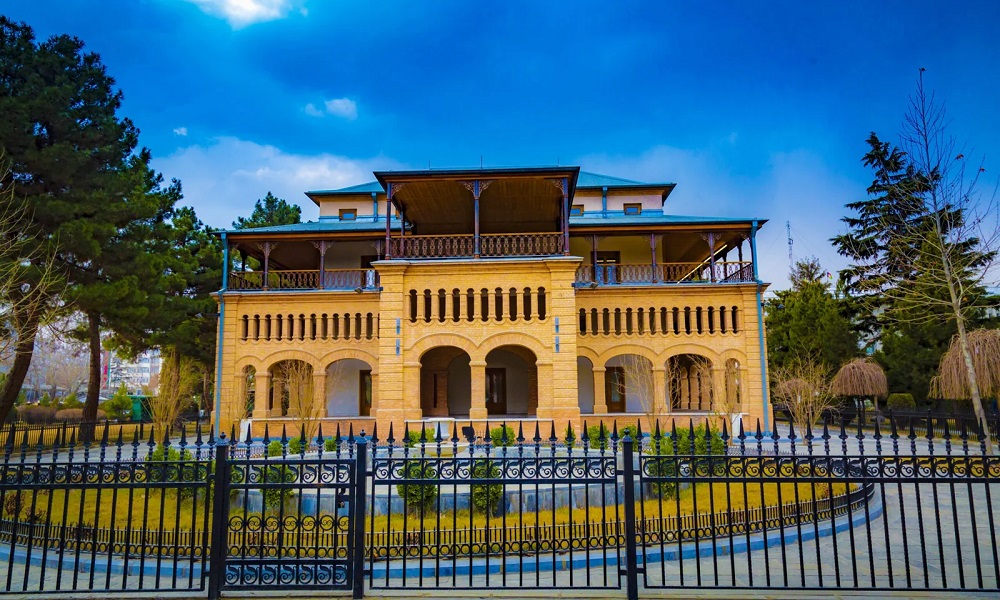
The Foreign Ministry Spokesman Abdul Qahar Balkhi on Friday expressed disappointment regarding decision by the Kingdom of Norway to downgrade diplomatic relations with Afghanistan.
Balkhi said in a post on X that The Islamic Emirate hopes such decisions should not be linked with internal affairs of other countries.
“Diplomatic engagement is most effective when it fosters mutual understanding and respect, even amidst differing viewpoints,” he stated.
“Access to consular services is a fundamental right of all nationals. We strongly urge all parties to prioritize this principle in the spirit of international cooperation,” he added.

Latest News
Balkhi: 1,119 Afghan civilians killed or injured in Pakistani attacks since 2022
He also referred to a Pakistani military strike on the Omid Addiction Treatment Centre in Kabul, claiming that hundreds of people were killed in the attack.
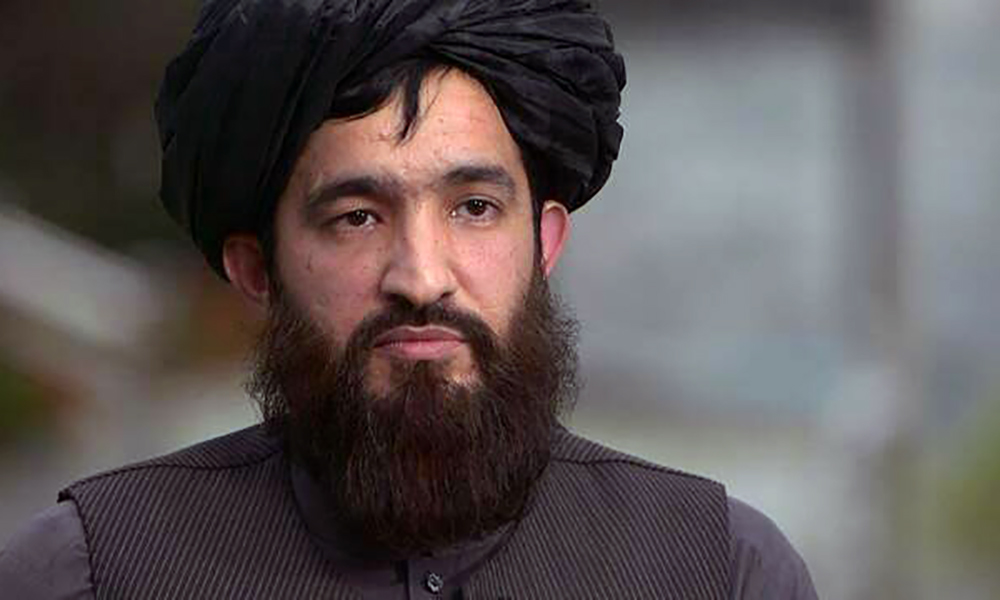
Abdul Qahar Balkhi, spokesperson for Afghanistan’s Ministry of Foreign Affairs, says 1,119 Afghan civilians have been killed or injured in Pakistani military attacks on Afghanistan since the beginning of 2022.
In an interview with CNN, Balkhi said women and children accounted for most of the casualties.
He also referred to a Pakistani military strike on the Omid Addiction Treatment Centre in Kabul, claiming that hundreds of people were killed in the attack.
“Rather than making unsubstantiated allegations, Pakistan should address its security challenges through responsible engagement with its own people and genuine diplomacy with Afghanistan,” Balkhi told CNN.
His remarks come amid continued tensions between Kabul and Islamabad over security concerns.
Latest News
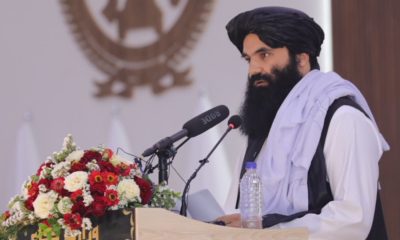
Haqqani calls for national unity, public cooperation and better conduct by security forces
He also alleged that certain individuals were attempting to create concern and anxiety among the public despite the current security situation.
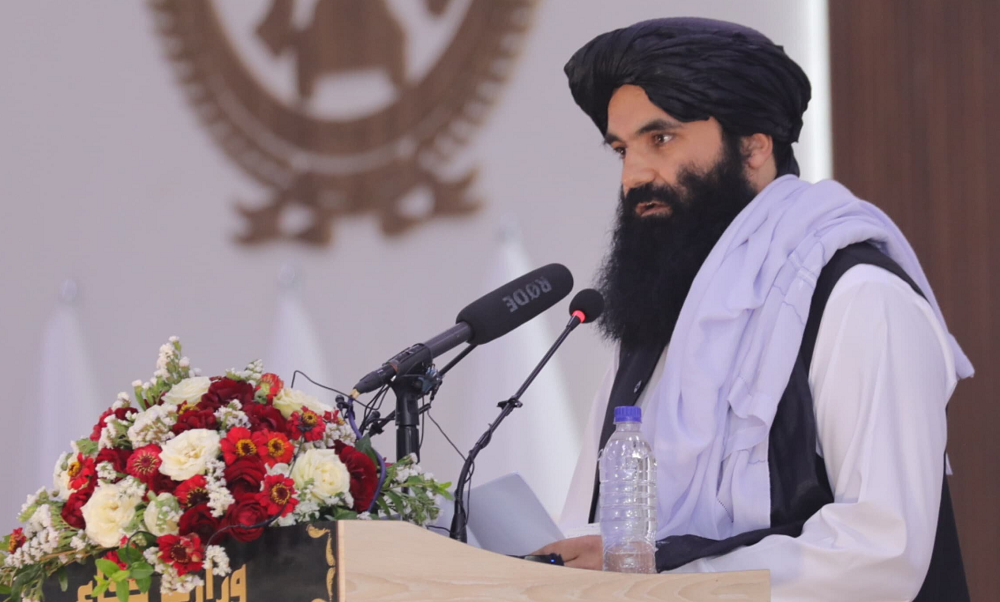
Afghanistan’s Interior Minister Sirajuddin Haqqani has called for stronger national unity, improved relations between citizens and security personnel, and greater public awareness to help end longstanding rivalries and hostilities.
Speaking in Khost province, Haqqani said maintaining security was a shared responsibility and should not be considered solely the duty of police personnel.
He urged religious scholars, preachers and tribal elders to raise public awareness, encourage reconciliation and use the current opportunity to strengthen peace and solidarity among communities.
Haqqani also called on security officials to serve the public in accordance with the directives of the Islamic Emirate’s leadership, emphasizing respectful conduct, brotherhood and good manners in their interactions with citizens.
Addressing the country’s broader situation, the interior minister expressed optimism about Afghanistan’s progress toward self-sufficiency and reconstruction, describing the development as a blessing from God following years of hardship and difficulties.
He said security had improved, divisions and hostilities had declined, and unity among Afghans had strengthened. Haqqani further claimed that security incidents across the country had fallen to nearly zero.
He also alleged that certain individuals were attempting to create concern and anxiety among the public despite the current security situation.
Haqqani’s remarks focused on shared responsibility for security, public service, reconciliation and the role of community leaders in promoting social cohesion.
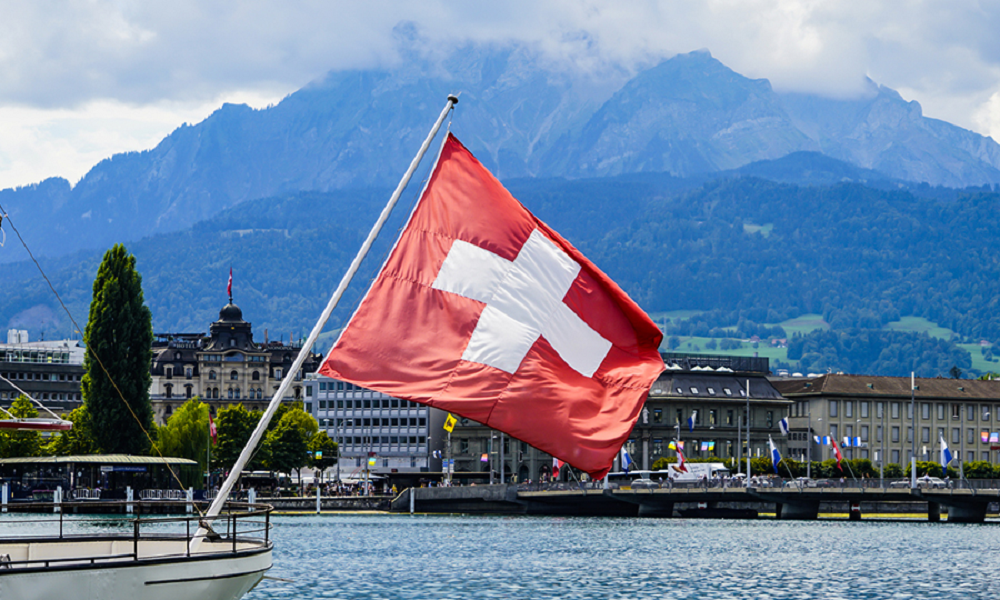
Swissinfo has reported that documents obtained under transparency laws show Swiss officials cooperated with representatives of the Islamic Emirate of Afghanistan in 2025 to identify and deport a number of Afghan nationals. The move has raised concerns over the safety of deportees and the possibility of legitimizing the Islamic Emirate.
According to Swissinfo, four representatives of the Islamic Emirate visited Geneva from August 19 to 21, 2025, to verify the identities of 13 Afghan nationals whom the Swiss government intended to deport.
Citing documents obtained by the WAV investigative group, the report says that, contrary to previous statements by the Swiss State Secretariat for Migration (SEM), the delegation from the Islamic Emirate spent two nights at the Mövenpick Hotel in Geneva. The trip reportedly cost the Swiss government 13,490 Swiss francs, equivalent to approximately $16,250.
According to the published documents, Swiss officials provided the Islamic Emirate with information about the individuals scheduled for deportation before the interviews took place.
Each of the four delegation members also received 150 Swiss francs per day as an allowance. Swiss officials said the payments were intended to cover expenses related to meetings and local transportation.
The report says that representatives of the Islamic Emirate identified eight of the 13 individuals as Afghan nationals. Following further checks, the identity of one additional person was confirmed. However, the delegation issued documents for six individuals.
The Swiss State Secretariat for Migration has confirmed that three Afghan men have been deported to Afghanistan following the process, adding that preparations for further deportations are ongoing.
According to Swissinfo, several asylum law experts and human rights organizations have expressed concern over the disclosure of asylum seekers’ personal information to officials of the Islamic Emirate.
Swiss officials, meanwhile, have said they have received no adverse reports concerning individuals who voluntarily returned to their home countries. They have also emphasized that the deportations in question were carried out on the basis of judicial rulings issued in Switzerland.
According to Swissinfo, some politicians and legal experts fear that such cooperation could contribute to normalizing relations with the Islamic Emirate and granting it legitimacy.
Jean Tschopp, a member of the Swiss parliament from the Social Democratic Party, said that if the published details are confirmed, the actions would go beyond providing consular services to facilitate the return of Afghan nationals.
In response, SEM stressed that issuing visas to members of the Islamic Emirate’s delegation did not amount to recognizing the Islamic Emirate as the government of Afghanistan.
Switzerland resumed deportations of Afghan men whose asylum applications had been rejected in April 2025. The decision has also faced opposition from several human rights organizations.
Swissinfo concludes that the documents raise serious questions about how Swiss officials cooperate with the Islamic Emirate, how asylum seekers’ personal information is protected, and what measures are in place to ensure the safety of people returned to Afghanistan.

Balkhi: 1,119 Afghan civilians killed or injured in Pakistani attacks since 2022

Haqqani calls for national unity, public cooperation and better conduct by security forces

Afghanistan rise above England to match their highest-ever ODI ranking
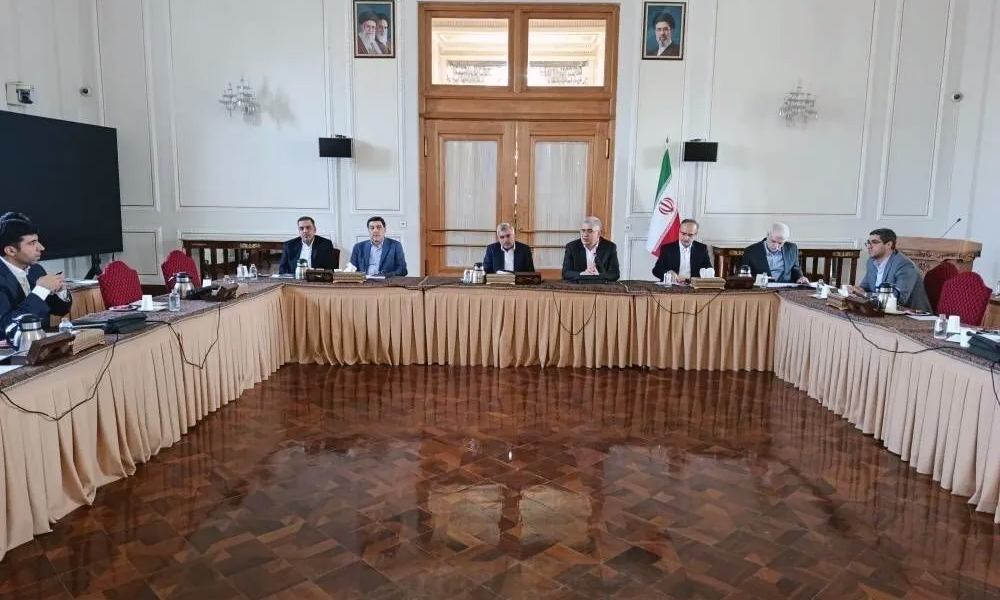
Iran moves to ease export barriers to Afghanistan, Pakistan and Iraq
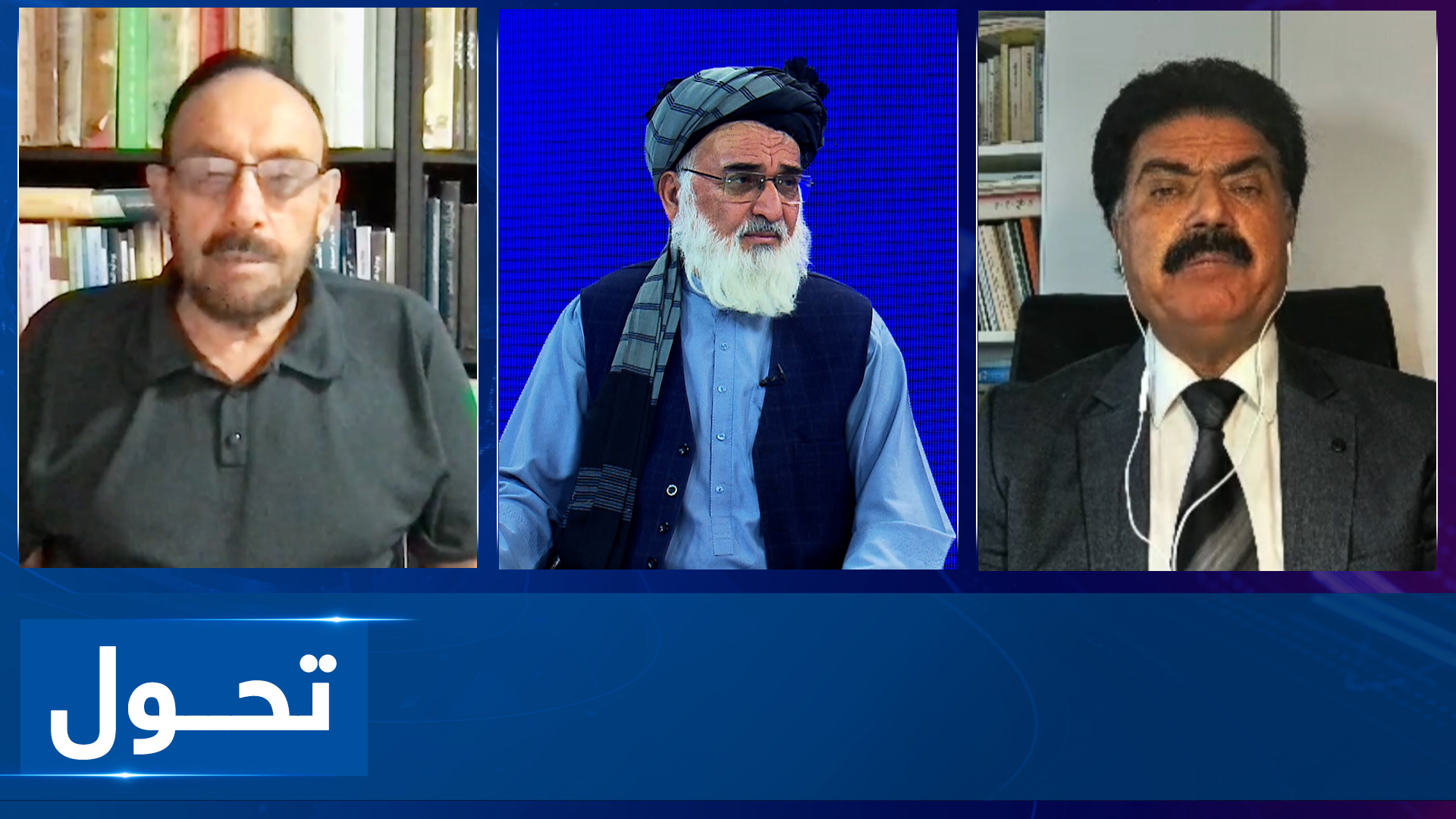
Tahawol: UN’s role in tackling global crises discsused

Cricket Bonanza: Afghanistan set for packed international schedule

Afghanistan says 28 killed, 32 captured in Nuristan operation

Afghanistan on climate front line as Kabul faces groundwater warning

ACB announces Afghanistan squads for Bangladesh, Zimbabwe series

Trump rejects Iranian proposal to open Hormuz and end fighting
Tahawol: UN’s role in tackling global crises discsused
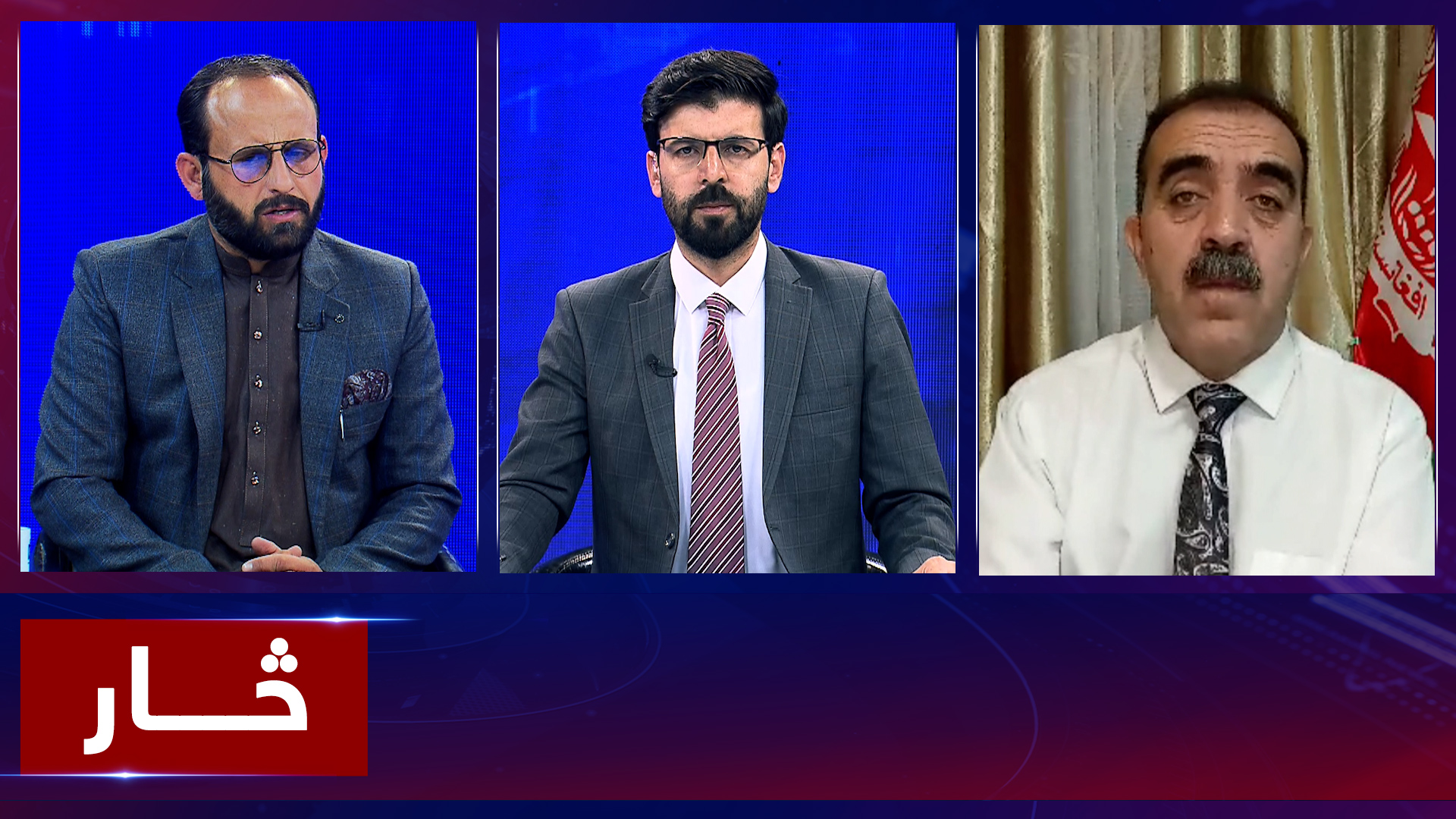
Saar: Pakistan’s blame on Kabul for its own failures discussed
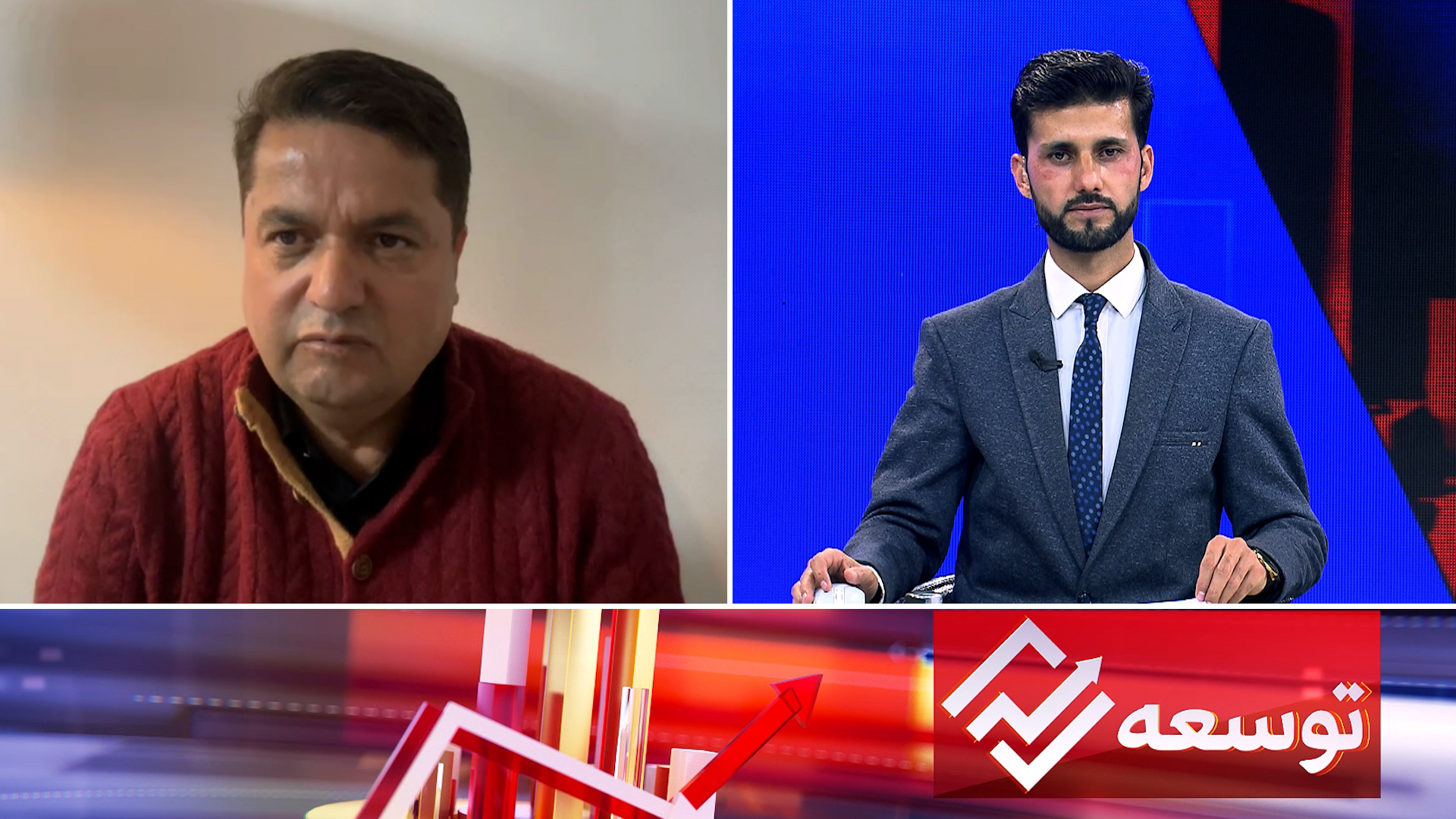
Tawsia: New opportunities in Afghanistan’s energy, trade and agriculture sectors discussed

Exclusive interview with Ali Bilal, runner-up in Mr. Olympia Men’s Physique category

Tahawol: Doha meeting and Afghanistan’s political and economic future discussed
-
 Latest News3 days ago
Afghanistan’s new Wakhan road to China faces major hurdles
-
 Latest News5 days ago
Russian troops arrive in Uzbekistan for joint military exercises
-
 Latest News4 days ago
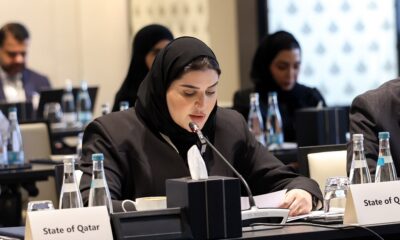
Qatar calls for shift from humanitarian aid to economic recovery in Afghanistan
-

 World4 days ago
Governments warn citizens over security risks in France after riots
-

 Science & Technology3 days ago
Governments take websites offline as critical cyber flaws trigger global alert
-

 Sport5 days ago
Arman FC begin second half of Afghanistan Champions League with 2-0 win
-
 Business4 days ago
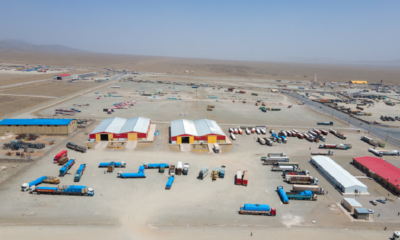
Transit of Afghan goods through Sheikh Abu Nasr Farahi border crossing doubles
-
 Latest News3 days ago
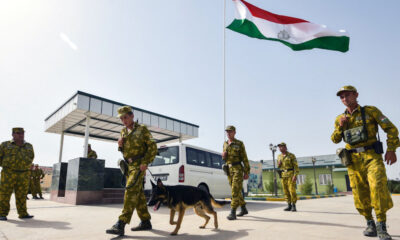
CSTO to supply Tajikistan with weapons to strengthen Afghan border