
Latest News
IEA marks World Television Day

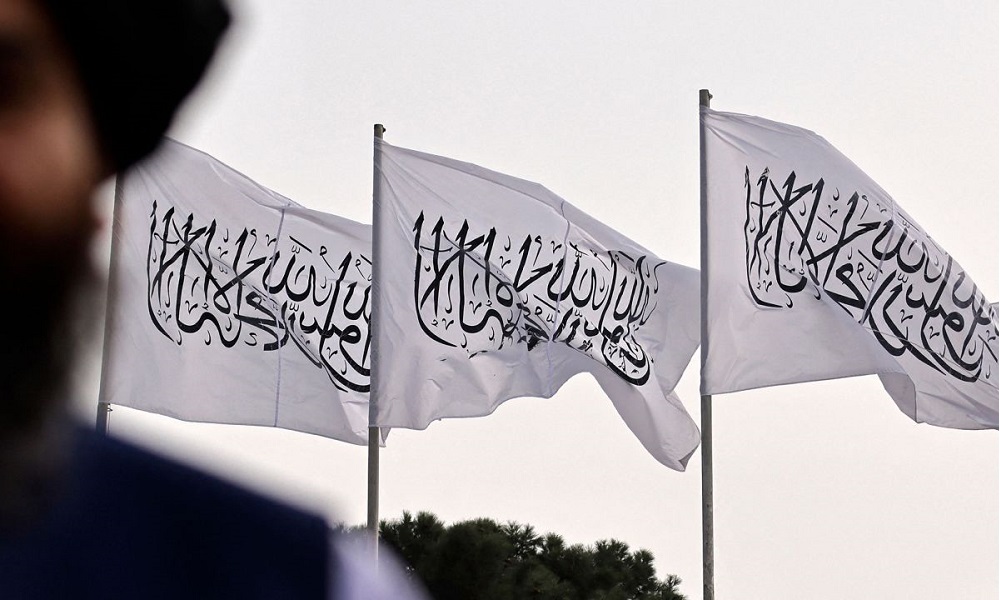
The Islamic Emirate of Afghanistan’s (IEA) Ministry of Information and Culture says the ministry is committed to freedom of expression and full support of public media and access to information in consideration of Islamic and national values.
On the occasion of World Television Day, MoIC said Monday that TV has played an important and fundamental role in reflecting facts and providing information, and this type of media is a bridge between the government and the nation and beyond.
“Television, as a useful tool, has played an essential role in [disseminating] information and is the new media system in the world, and it has been able to maintain and strengthen its position as one of the most popular types of media in the world,” the ministry said.
“At present, more than (317) domestic media and (14) foreign media are permanently engaged in operations, and now more than (700) foreign journalists from (200) different media outlets have entered Afghanistan to reflect the realities. The Islamic Emirate of Afghanistan has laid a better foundation for them and ensured their security.”
The ministry further added that, unfortunately, the only problem that has plagued all media and caused their downfall is the economic problem, and the ministry has fulfilled its mission in this matter and will again try to solve this challenge.
“We celebrate this day by keeping in mind the values for the revival of the nation in reflecting the facts and spreading awareness. We renew our commitment to the support and free activity of the public media, especially the television media, and it must be said that there is no doubt that domestic and foreign media are currently active in Afghanistan and the access to information is favorable for everyone,” the ministry added.




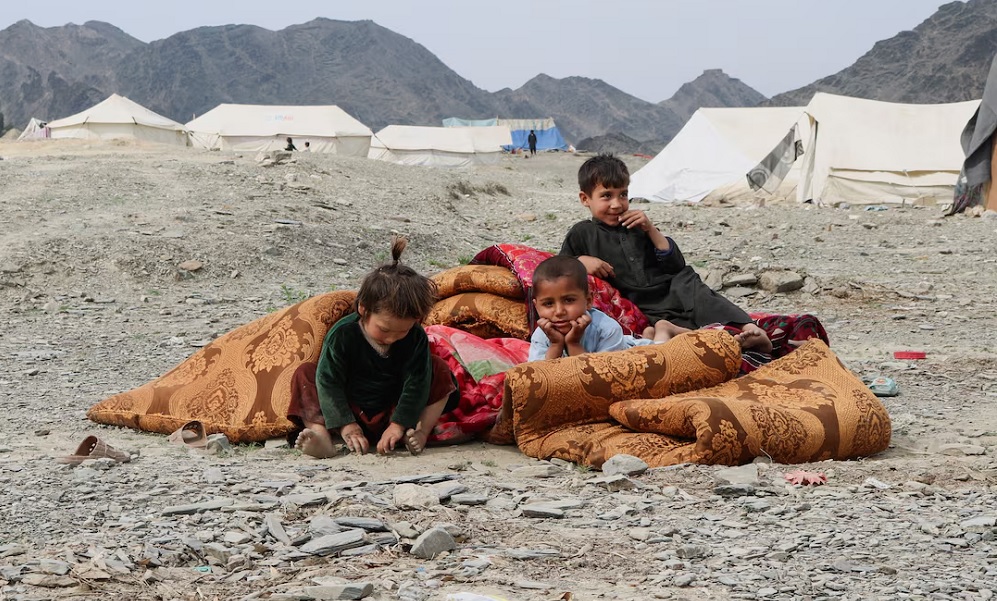
A group of religious scholars from Afghanistan and Pakistan have called on authorities in both countries to extend the pause in hostilities, initially announced for Eid ul-Fitr, until Eid ul-Adha.
The appeal comes after Attaullah Tarar, Pakistan’s Information Minister, announced a temporary ceasefire from March 18–19 midnight until March 23–24 midnight.
In a joint statement signed by 11 Pakistani clerics and as many Afghan clerics, the scholars emphasized that their initiative aims to promote a sustainable and dignified resolution to tensions between Islamabad and Kabul, Dawn newspaper reported.
The clerics urged both Pakistani authorities and the Afghan side to extend the ceasefire to allow pilgrims to perform Hajj in a peaceful environment. They added that this “peace movement” goes beyond the ceasefire appeal and includes broader diplomatic and social efforts to resolve longstanding issues between the two countries.
The scholars expressed hope that their efforts would lead to a mutually acceptable solution and help lay the foundation for lasting stability and regional harmony.
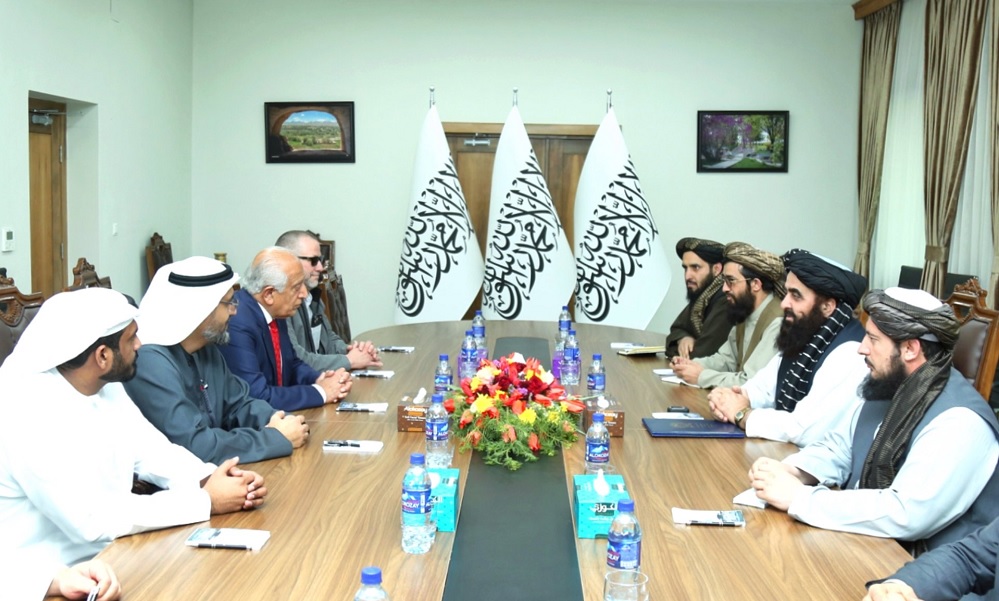
The Ministry of Foreign Affairs of the Islamic Emirate of Afghanistan announced on Tuesday the release of American citizen Dennis Coyle from prison.
According to the ministry, Coyle’s mother had written to the leader of the Islamic Emirate demanding amnesty and the release of her son on the occasion of Eid. The Supreme Court considered time served sufficient and decided to release him.
The Ministry of Foreign Affairs stated that this action was carried out on the basis of humanitarianism and good faith, and it believes that such measures can strengthen trust between countries. The ministry also expressed hope that both countries, in the future, can find solutions to remaining issues through mutual understanding and constructive dialogue.
The Islamic Emirate also expressed appreciation for the cooperation of the United Arab Emirates in this matter.
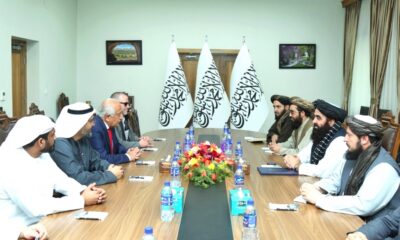
Separately, for Coyle’s release, an American delegation, including Zalmay Khalilzad, former U.S. Special Representative for Afghanistan, met on Tuesday with Amir Khan Muttaqi, the Foreign Minister of the Islamic Emirate.
The meeting was also attended by Saif Mohammed Al-Ketbi, Ambassador of the UAE in Kabul, and a member of the prisoner’s family.
According to the Ministry of Foreign Affairs, Muttaqi stated that the Islamic Emirate has not detained any citizen of any country to achieve political objectives; rather, detentions were the result of legal violations, and individuals were released after completing judicial procedures.
At the meeting, Khalilzad praised the action of the Islamic Emirate and emphasized the importance of continuing discussions on all issues between the two countries, expressing hope for further progress in the future.
Muttaqi also stressed that Kabul and the UAE should provide standard consular services to their citizens, and that the Afghan government is fully prepared in this regard.
He thanked Sheikh Mohamed bin Zayed Al Nahyan, President of the UAE, for their constructive role in facilitating the release of the prisoner and referred to the UAE as a close friend of Afghanistan.
Earlier, Muttaqi had also praised the role of the State of Qatar in facilitating information exchange between the Islamic Emirate and the prisoner’s family.
Additionally, the UAE ambassador expressed his country’s readiness to play a role in humanitarian institutions and called such developments beneficial for everyone.


‘Made in Afghanistan’ expo opens in Tashkent

Afghan, Pakistani clerics urge extension of ceasefire until Eid ul-Adha

Israel strikes Tehran as Trump says US negotiating to end war

Tahawol: Escalating threats between Iran-US discussed

Saar: Discussion on criticism of Pakistan’s policies

Pakistani military jet downed in Afghanistan’s Jalalabad, pilot captured alive

Afghan Air Force conducts airstrikes in Islamabad, other cities

Prominent Muslim scholar issues fatwa calling for Afghanistan-Pakistan ceasefire

Afghan air force strikes key Pakistani military installations in retaliatory operation

IEA: Special circle in Pakistan has launched mission to destabilize region
Tahawol: Escalating threats between Iran-US discussed

Tahawol: Possibility of US ground forces entering Iran war discussed

Saar: Using US prisoners as political pressure

Tahawol: Pakistan’s efforts to destabilise Afghanistan

Saar: Decline in international assistance to Afghanistan
-
 Sport5 days ago
Afghanistan national buzkashi falls short in Kokpar World Championship semifinals
-

 Latest News3 days ago
Deadly violence likely without dialogue between Afghanistan and Pakistan: ICG
-
 Sport4 days ago
Ireland to host Afghanistan for ODI series in August
-
 Latest News4 days ago
Mojtaba Khamenei calls for improved Afghanistan–Pakistan relations, offers help
-
 Latest News4 days ago
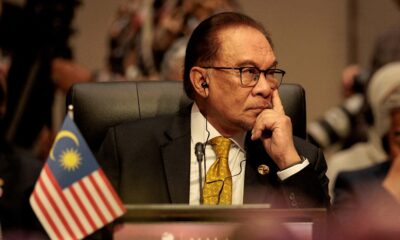
Malaysian PM welcomes temporary Afghanistan–Pakistan truce, urges lasting peace
-

 Latest News2 days ago
Pakistan seeks Russian mediation to resolve Afghanistan tensions
-
 International Sports3 days ago
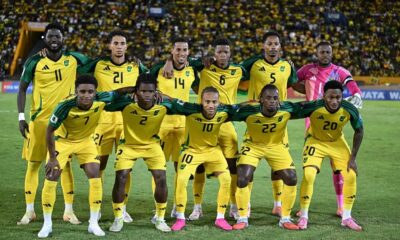
FIFA World Cup 2026: Play-Off Tournament takes centre stage
-
 Business3 days ago
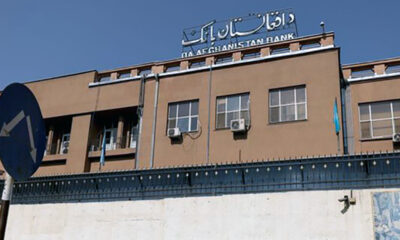
Afghani strengthens nearly 10% against US dollar amid banking sector reforms