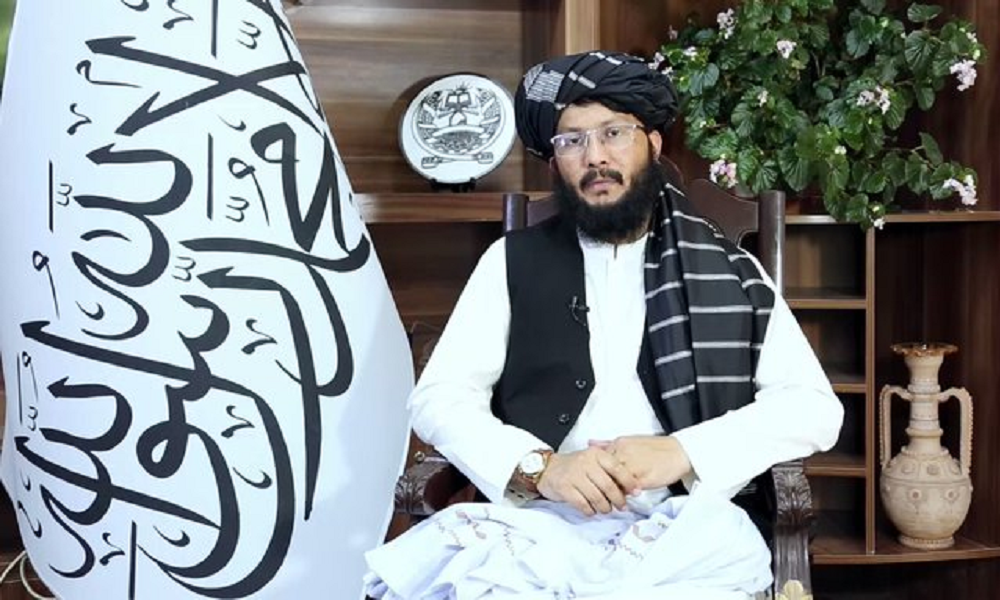
Chairman of U.S. House intelligence committee, Rick Crawford, has criticized the Biden administration’s handling of Afghan admissions to the United States following the 2021 withdrawal from Afghanistan.
In a statement, Crawford said that alongside large numbers of migrants entering through the U.S. southern border, approximately 190,000 Afghan nationals were granted entry under Operation Allies Welcome after the U.S. military withdrawal. He claimed that many of those admitted lacked proper documentation and, in some cases, were allowed into the country without comprehensive biometric data being collected.
Crawford said that the United States had a duty to protect Afghans who worked alongside U.S. forces and institutions during the two-decade conflict. However, he argued that the rapid and poorly coordinated nature of the withdrawal created conditions that overwhelmed existing screening and vetting systems.
“The rushed and poorly planned withdrawal created a perfect storm,” Crawford said, asserting that it compromised the government’s ability to fully assess who was being admitted into the country.
He said that there 18,000 known or suspected terrorists in the U.S.
“Today, I look forward to getting a better understanding of the domestic counterterrorism picture, and hearing how the interagency is working to find, monitor, prosecute, and deport known or suspected terrorists that never should have entered our country to begin with,” he said.
The Biden administration has previously defended Operation Allies Welcome, stating that multiple layers of security screening were conducted in coordination with U.S. intelligence, defense, and homeland security agencies. Nonetheless, the evacuation and resettlement of Afghan nationals remains a contentious political issue, particularly amid broader debates over immigration and border security.
U.S. President Donald Trump’s administration recently ordered its diplomats worldwide to stop processing visas for Afghan nationals, effectively suspending the special immigration program for Afghans who helped the United States during its 20-year-long occupation of their home country.
The decision came after a former member of one of Afghanistan’s CIA-backed units was accused of shooting two U.S. National Guard soldiers in Washington, D.C.