
Latest News
Khalili assured Pakistan will continue to push for peace

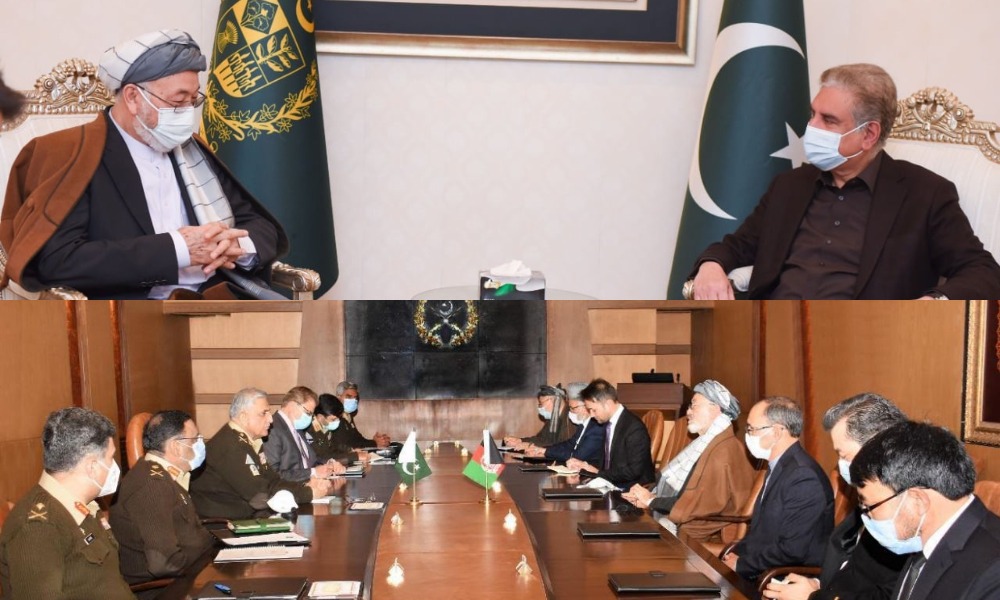
Hizb-e-Wahadat-e-Islami Chairman Muhammad Karim Khalili on Tuesday met with Pakistan Foreign Minister Shah Mahmood Qureshi and chief of army Qamar Javed Bajwa where they discussed issues of mutual interest, peace and stability in the region, and the Afghan peace process.
During the meeting Qureshi said that Pakistan would continue its reconciliatory efforts for peace in Afghanistan with a strong belief that there was ‘no military solution to the conflict’.
“A comprehensive political dialogue acceptable to the Afghan leadership is the only sustainable solution,” Qureshi said.
Khalili’s three-day visit is part of Pakistan’s ongoing policy to reach out to political leadership in Afghanistan to forge common understanding on the peace process.
Qureshi stressed that no other country desired peace in Afghanistan more than Pakistan.
He said the progress made so far in the intra-Afghan talks was ‘welcomed’ and also lauded the launch of the second round of talks in Doha.
Pakistan also said India was a spoiler in Afghanistan and that Pakistan had irrefutable evidence in this regard.
“We believe that peace and stability in the region is linked to lasting peace in Afghanistan,” Qureshi added.
Khalili in turn thanked Pakistan and welcomed Islamabad’s role in the Afghan peace process.
He also thanked Qureshi for the warm welcome he had received and expressed gratitude to the leadership and people of Pakistan for hosting Afghan refugees for so many years.
The Pakistan foreign office said that Pakistan remained steadfast in its support for an inclusive, broad-based and comprehensive political solution of the conflict in Afghanistan through an Afghan-led and Afghan-owned peace process.
During his visit to Pakistan Khalili will also hold meetings with Prime Minister Imran Khan.
Meanwhile, Khalili met with Pakistan chief of army Qamar Javed Bajwa earlier where they discussed issues of mutual interest, peace and stability in the region, and the Afghan peace process.
“Peace in Afghanistan means Peace in Pakistan”, a stable and prosperous Afghanistan at peace with itself and its neighbours is in Pakistan’s national interest.” Bajwa’s office said.
Khalili is the latest in a string of officials and politicians to visit Pakistan. Over the past few months numerous public figures have met with Pakistani officials including the Chairman for the High Council of National Reconciliation Abdullah Abdullah as well as Hizb-e-Islami leader Gulbuddin Hekmatyar.






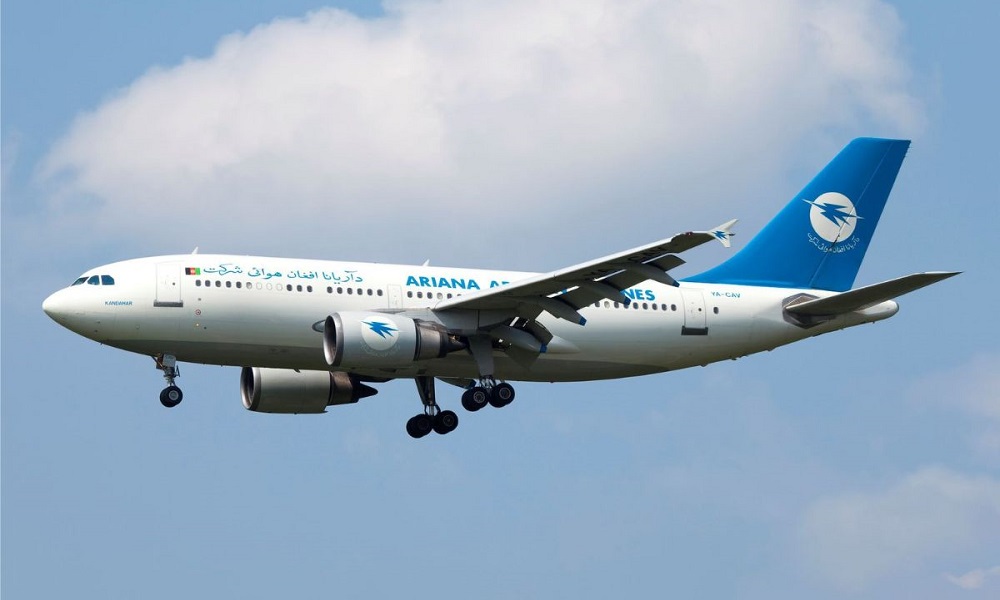
Ariana Afghan Airlines has ranked seventh among 45 airlines in Central Asia in Skytrax’s 2026 rankings.
Company officials say Ariana Afghan ranked eighth on the list in 2025, but moved up one place this year following improvements in service quality and the expansion of its operations.
According to the officials, in 2026 the airline met criteria including service quality, flight safety, professional cabin crew, and experience in the aviation sector, placing it among the top 10 airlines in Central Asia.
Skytrax is an international organization that evaluates and ranks the quality of services in the aviation industry and airlines, assessing and ranking carriers annually based on specific criteria.
Latest News
Silk Road highway in Wakhan corridor now reaches the China border
The road is expected to be officially opened for use in the near future, potentially improving connectivity through the remote Wakhan Corridor.
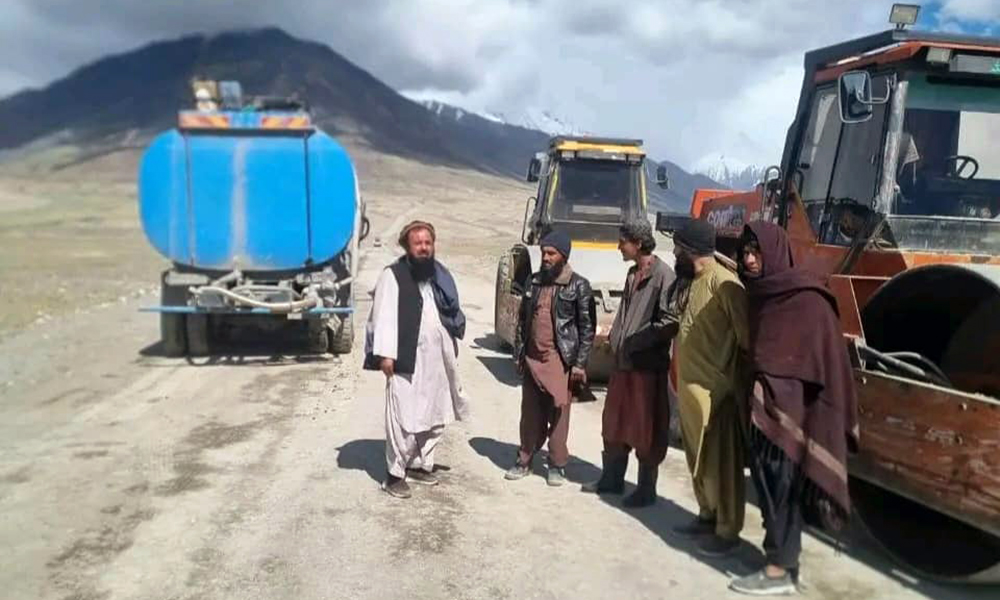
The construction of the Silk Road Highway in Afghanistan’s Wakhan Corridor has been fully completed after five years of work, officials in Badakhshan province said.
Amanullah Chehra, head of Rural Rehabilitation and Development in Badakhshan, said the 121.13-kilometre road begins in the Barghil area and stretches to Bzai Gonbad near the Chinese border.
According to officials, the road is between 7 and 10 metres wide and includes three major bridges, each measuring approximately 20 to 22 metres in length. Numerous smaller drainage structures have also been built along the route to facilitate the flow of water.
The road is expected to be officially opened for use in the near future, potentially improving connectivity through the remote Wakhan Corridor.
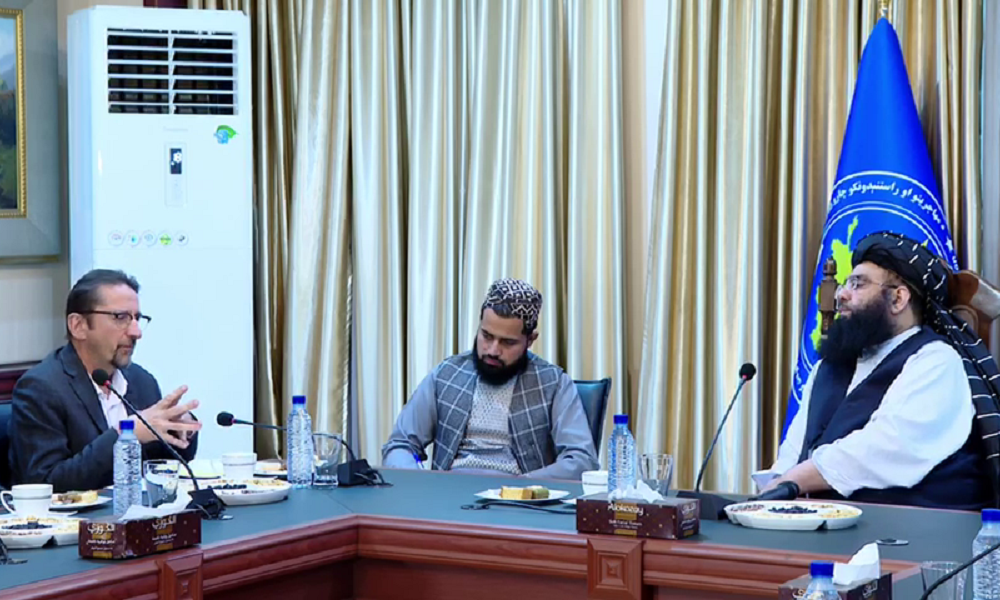
Afghanistan’s Minister of Refugees and Repatriation, Mawlawi Abdul Kabir, met on Wednesday with Bruno Lemarquis, UNAMA’s Deputy Head for Humanitarian Affairs, to discuss the situation of Afghan returnees and humanitarian assistance.
The Ministry of Refugees and Repatriation said Lemarquis briefed the minister on assessments conducted by UN agencies during visits to several provinces to identify the needs of returnee families.
Lemarquis said joint cooperation between UN agencies and the Islamic Emirate is needed to support and resettle returnees. He added that UN agencies are currently assisting thousands of families and called for the expansion of humanitarian assistance.
He also said the international community should pay greater attention to the needs of Afghans, adding that UNAMA is ready to cooperate in addressing challenges facing returnees.
Abdul Kabir welcomed UNAMA’s support and thanked the United Nations for its assistance to Afghans. He said various government institutions have been tasked with addressing returnees’ needs.
The minister also called on aid organizations to continue supporting returnee families, saying a program to resettle thousands of internally displaced families is also underway.
Kabir further said the necessary facilities have been provided for UN agencies to operate and that the Islamic Emirate welcomes UNAMA’s humanitarian cooperation.


Saar: OIC Assessment of Afghanistan’s humanitarian and development situation discussed

Ariana Afghan Airlines ranks seventh among 45 Central Asian airlines

Silk Road highway in Wakhan corridor now reaches the China border

Refugees minister, UNAMA deputy discuss challenges facing returnees

OIC Contact Group reaffirms support for Afghan people

Saudi energy group signs major Afghanistan deals covering gas exploration and pipeline plans

ATN secures exclusive rights to broadcast T20I series in India across Afghanistan

China evacuates thousands as Typhoon Narra brings torrential rain

Trump floats idea of renaming Atlantic or Pacific Ocean

US hits Egyptian bank branches with Iran sanctions as war marks six months
Saar: OIC Assessment of Afghanistan’s humanitarian and development situation discussed

Tahawol: Reactions to Pakistan’s attacks on Afghanistan discussed

Saar: Uncertain fate of Afghanistan’s seat at UN discussed

Tahawol: Uncertain future of Afghanistan’s permanent UN seat

Saar: Pakistan military strikes Afghan provinces discussed
-
 Sport2 days ago
Afghanistan to face Japan and Nepal in Asian Games cricket group stage
-

 World5 days ago
US and Denmark reach deal on Greenland, Trump says
-
 Latest News3 days ago
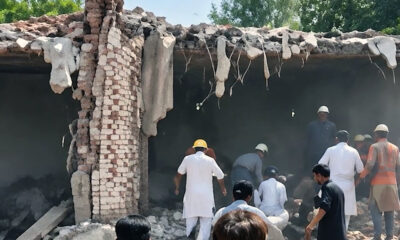
Pakistan says Kohat attackers had roots in Afghanistan
-
 Latest News4 days ago
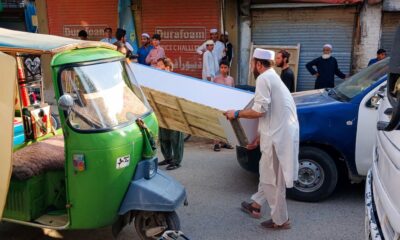
Afghanistan condemns mosque attack in Khyber Pakhtunkhwa
-
 Latest News4 days ago
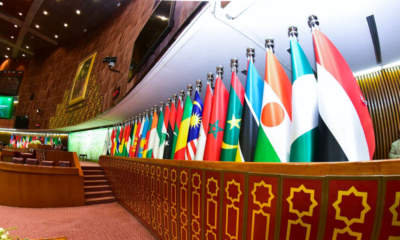
OIC to hold Afghanistan Contact Group meeting on sidelines of UN General Assembly
-
 Latest News4 days ago
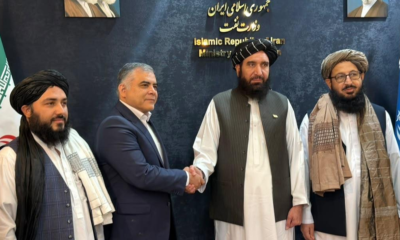
Afghan official meets Iranian oil minister to discuss energy cooperation
-
 Regional4 days ago
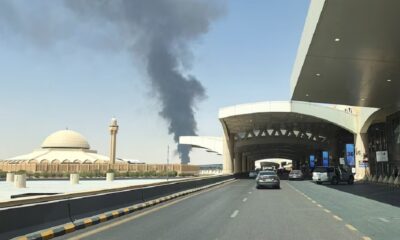
Flames, smoke seen near Riyadh airport; Houthis claim attacks on Saudi capital
-

 Sport5 days ago
ACL: Sarsabz Yashlar edge Istiqlal Kabul 2–1