
Latest News
Khalilzad: IEA’s move to ban Jihad outside Afghanistan a positive step
A few days ago, Saidullah Said, a professor at the Police Academy, stated during a police graduation ceremony in Kabul: “Traveling abroad with the intention of jihad is not permissible.

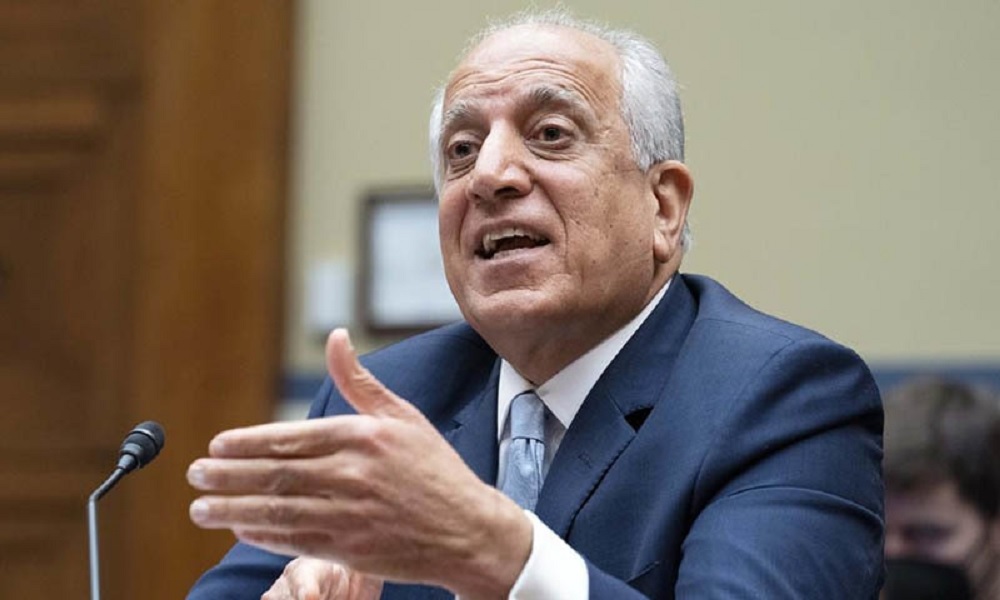
Zalmay Khalilzad, the former U.S. envoy for Afghanistan, has praised the Islamic Emirate’s decision to prevent its security forces from participating in jihad outside the country.
A few days ago, Saidullah Said, a professor at the Police Academy, stated during a police graduation ceremony in Kabul: “Traveling abroad with the intention of jihad is not permissible, and anyone who disobeys the orders of the Emir will be held accountable for the consequences.”
On Wednesday, Khalilzad wrote on his X (formerly Twitter) page: “The Taliban leader (IEA Supreme leader) has issued a clear instruction forbidding Taliban (IEA) members from participating in “jihad” by joining militant groups outside Afghanistan.”
Referring to these remarks, Khalilzad described the Islamic Emirate’s move as a positive step.
However, some analysts believe that certain groups are trying to exploit citizens of other countries to pursue their own objectives, and that the Afghan people — who have endured years of war and instability — now need peace.
Officials of the Islamic Emirate have repeatedly stated that, because the people of Afghanistan have experienced the bitter taste of war and instability, they do not wish to contribute to insecurity or unrest in other countries, especially Afghanistan’s neighbors.
They emphasize that any instability elsewhere could also negatively affect Afghanistan — as seen in Pakistan’s recent forced expulsion of millions of Afghan refugees under the pretext of security concerns.

Latest News
Olive farming offers new hope to Afghan farmers amid growing climate challenges
Afghanistan’s olive industry dates back to the 1960s, particularly in eastern Nangarhar. However, decades of conflict destroyed nearly half of the country’s olive-growing areas.
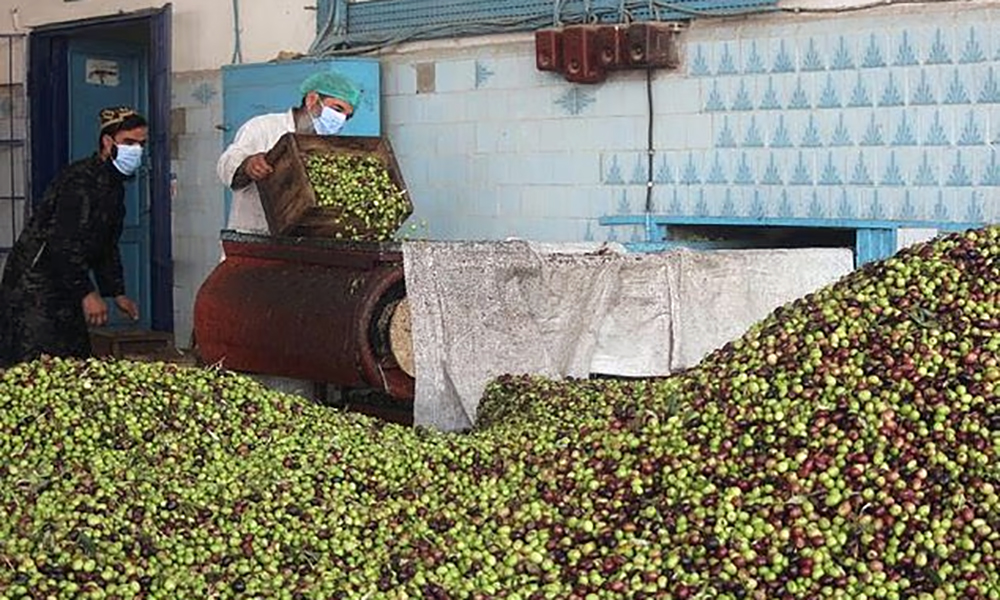
Olive cultivation is emerging as a promising alternative for farmers in eastern Afghanistan, offering a potential source of income while helping rural communities cope with drought and growing water shortages.
According to a report by Agence France-Presse (AFP), farmers in Nangarhar Province are increasingly turning to olive trees because of their ability to survive with relatively little water compared with traditional crops such as wheat, rice and onions.
One example is Abdullah Orzala, who established an olive orchard 15 years ago in Saidan Arabi village. His initiative has since expanded, with thousands of additional olive trees planted in other parts of Nangarhar.
Orzala says adapting agriculture to climate change and protecting limited water resources were among the main reasons behind his decision to invest in olive farming.
Agricultural specialists say olive trees can also improve soil quality and reduce erosion, making them suitable for areas facing environmental challenges.
The olive harvest has created new economic opportunities for local communities. Around 500 villagers in Saidan Arabi participate in harvesting olives, which are processed into oil using a cold-pressing method.
According to production supervisor Sadiqullah Afghan, freshly harvested olives are processed immediately to maintain the quality of the oil. The product is sold in organic shops in Kabul for up to $17 per kilogram.
Orzala’s agricultural activities have also created 16 permanent jobs across two villages in Nangarhar.
Afghanistan’s Olive industry expanding
Afghanistan’s olive industry dates back to the 1960s, particularly in eastern Nangarhar. However, decades of conflict destroyed nearly half of the country’s olive-growing areas.
The sector has gradually recovered in recent years. New equipment was provided to the state-owned olive processing mill in 2019, and production has increased.
According to Akhtar Muhammad Hashimi, director of the state-owned company, the facility produced approximately 135,000 litres of olive oil last year. Production is expected to reach between 143,000 and 165,000 litres this year.
The company currently sells its entire production within Afghanistan but hopes to enter international markets in the future.
Meanwhile, olive cultivation is expanding beyond Nangarhar. The Food and Agriculture Organization (FAO) has supported the planting of 381 hectares of olive trees, highlighting their potential to generate sustainable income for rural families.
Despite these developments, limited access to international banking and markets remains a major obstacle to expanding Afghanistan’s olive exports.
For many farmers in eastern Afghanistan, however, olive trees represent more than an agricultural investment. They offer a potential source of income, employment and resilience against worsening drought conditions.
Latest News
Afghanistan and Uzbekistan agree to expand cooperation in livestock and breeding sector
The two sides agreed to organize advanced training courses and practical workshops, allowing Afghan specialists to receive free training in cattle breeding and artificial insemination.
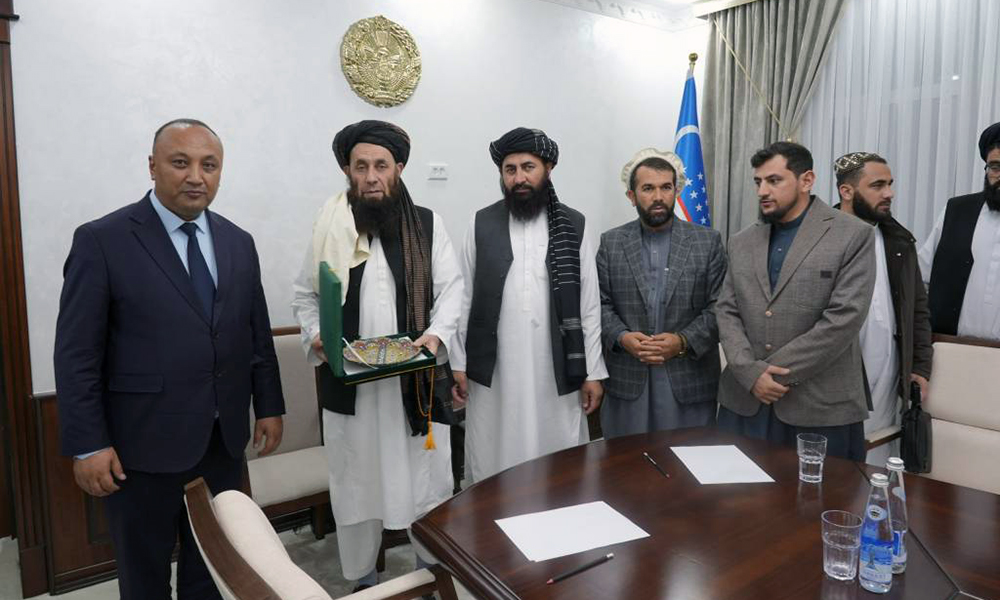
Afghanistan and Uzbekistan have discussed expanding bilateral cooperation in livestock farming, animal breeding and agricultural development, including plans to provide specialized training for Afghan experts.
According to Uzbekistan’s state news agency, UzA, an Afghan delegation led by Sadr Azam Usmani, Deputy Minister of Agriculture, Irrigation and Livestock, visited Uzbekistan’s Livestock and Pasture Development Agency to explore opportunities for strengthening cooperation in the sector.
During the meeting, officials from both sides discussed Uzbekistan’s experience in livestock farming, modern breeding technologies, cattle trade and professional training for agricultural specialists.
The Uzbek side also proposed issuing transit permits for breeding cattle imported from Iran through Afghanistan, creating a potential new opportunity for regional livestock trade.
The two sides agreed to organize advanced training courses and practical workshops, allowing Afghan specialists to receive free training in cattle breeding and artificial insemination.
Other issues discussed included supplying Afghanistan with improved breeding cattle and high-genetic-potential seeds, expanding livestock-related import and export activities, and exchanging technical expertise.
The discussions aim to strengthen agricultural cooperation between the two neighbouring countries and support the development of Afghanistan’s livestock sector through technology transfer, professional training and joint initiatives.
Latest News
Putin says CSTO closely monitoring Afghanistan’s security situation
Earlier, the CSTO Secretary-General identified efforts to counter cross-border threats and a programme to strengthen the Tajikistan-Afghanistan border as major priorities for regional security.
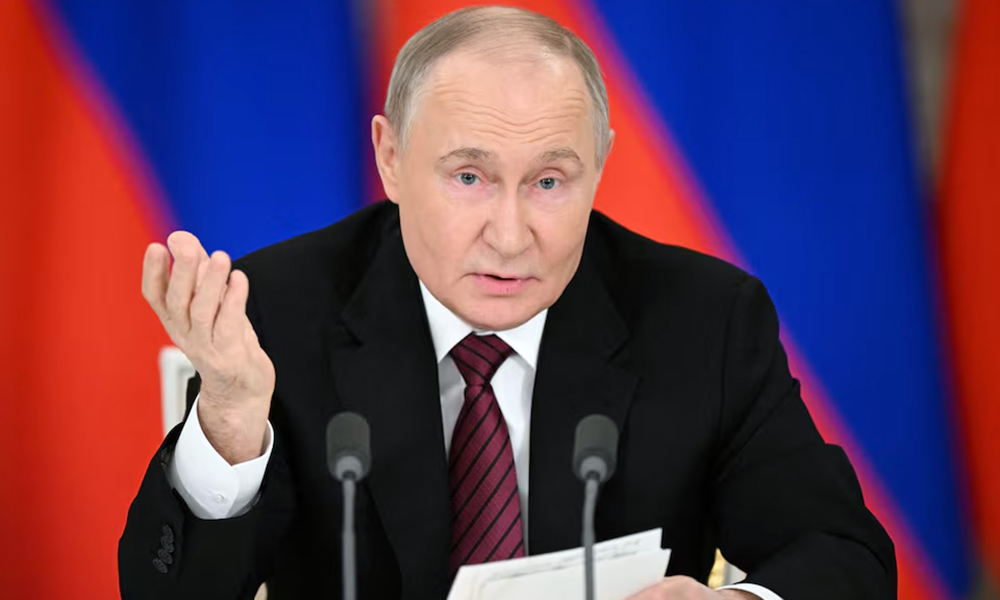
Russian President Vladimir Putin says member states of the Collective Security Treaty Organization (CSTO) are closely monitoring the security situation in Afghanistan amid broader efforts to strengthen security along the alliance’s external borders.
Putin made the remarks on Wednesday during a meeting of the CSTO Collective Security Council at the Kremlin, which he chaired. According to Russia’s state-run RIA Novosti news agency, he said developments in Afghanistan remain among the key issues receiving attention from member states.
Earlier, the CSTO Secretary-General identified efforts to counter cross-border threats and a programme to strengthen the Tajikistan-Afghanistan border as major priorities for regional security.
Meanwhile, Russian Deputy Prime Minister Alexey Overchuk is scheduled to arrive in Kabul on Thursday, November 12, leading a high-level economic delegation.
Hafiz Zia Ahmad Takal, head of the Information and Public Relations Department of Afghanistan’s Ministry of Foreign Affairs, said the visit aims to strengthen economic and trade relations between Afghanistan and Russia, explore investment opportunities and discuss potential joint economic projects.
The delegation is also expected to include Russian investors and business representatives.
The developments highlight the growing attention being given to both economic cooperation and regional security in Afghanistan’s relations with Russia and other neighbouring states.

Olive farming offers new hope to Afghan farmers amid growing climate challenges
Afghanistan and Uzbekistan agree to expand cooperation in livestock and breeding sector
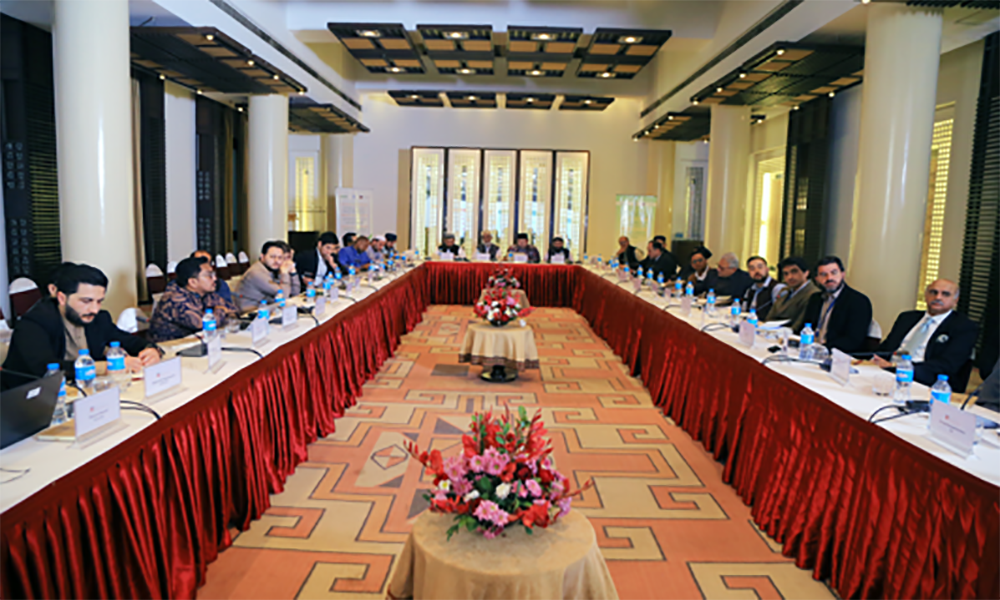
Afghanistan hosts dialogue on Islamic microfinance to expand access to Sharia-compliant financial services

Putin says CSTO closely monitoring Afghanistan’s security situation
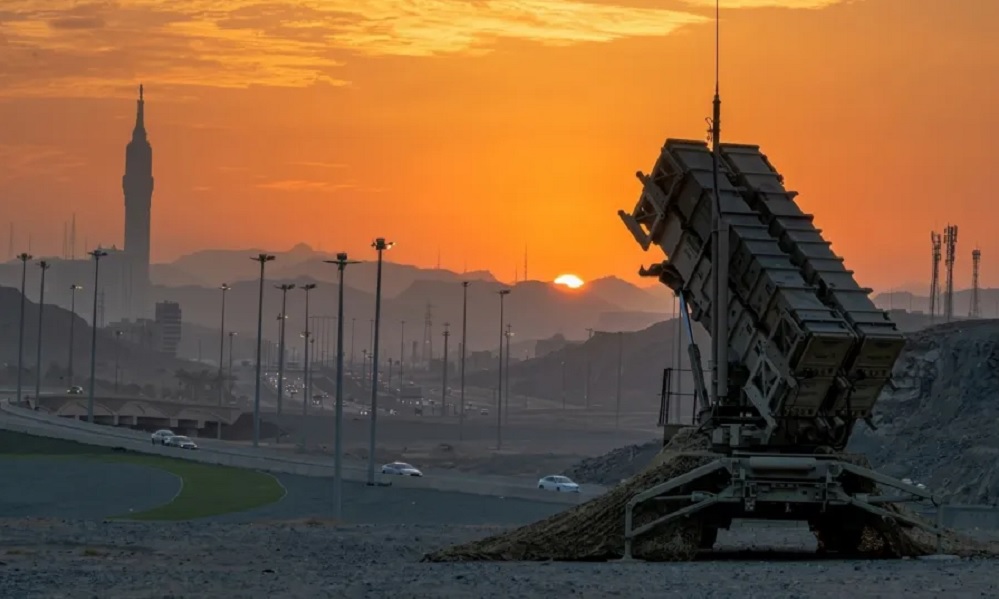
Saudi Arabia says debris from intercepted missiles falls in Mecca region

Afghanistan finish runners-up after 6-0 defeat to Brazil in futsal final

Trump says US may strike Iran’s ‘Pickaxe Mountain’ nuclear facility

Afghan futsal coach: Brazil tournament is first step towards new goals and World Cup

Rubio heads to Central Asia while other US officials hit foreign policy hot spots

Violent protests spread across Europe as Albanian PM blames ‘foreign hand’
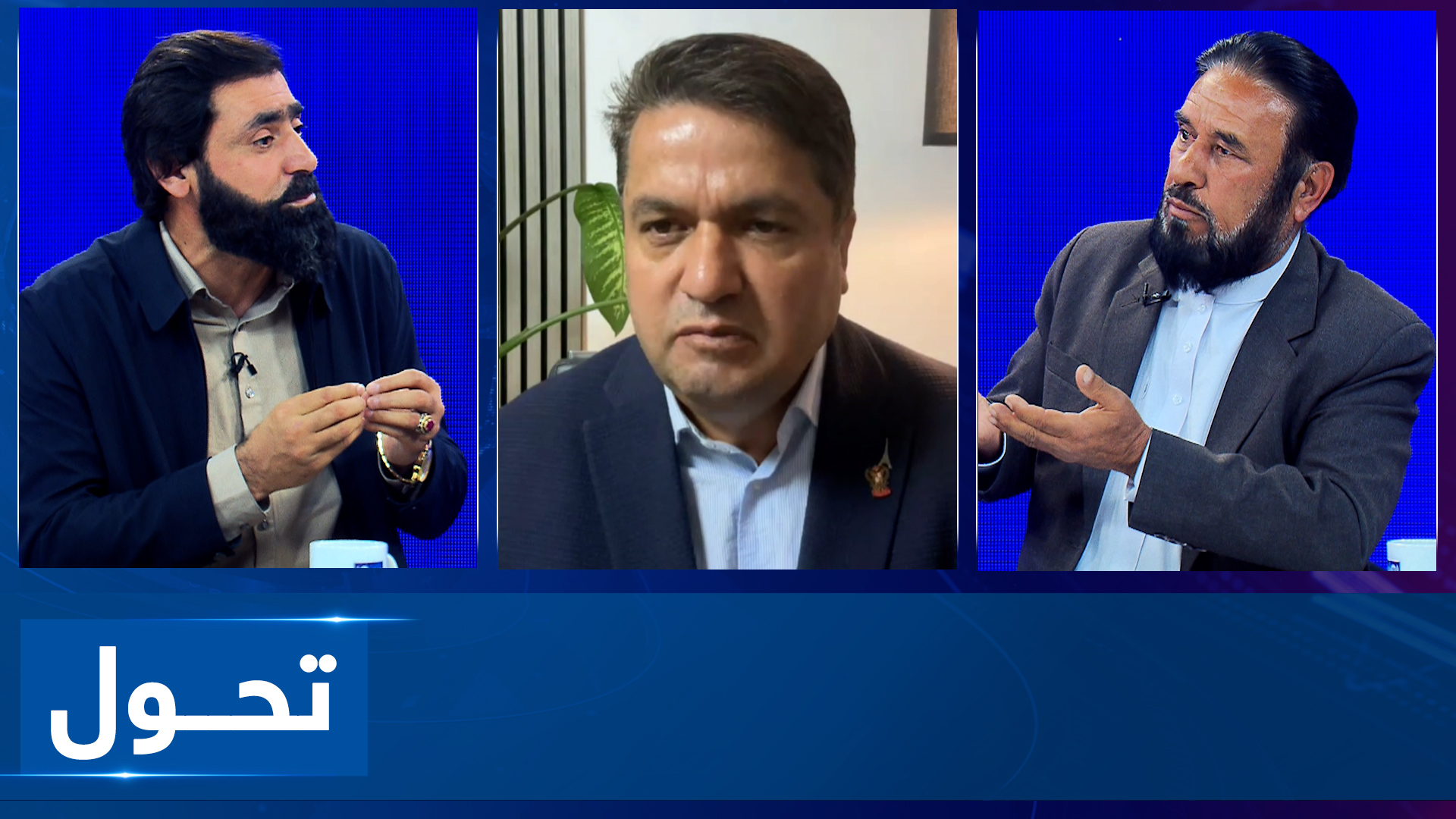
Tahawol: High-level Russian delegation’s visit to Kabul discussed
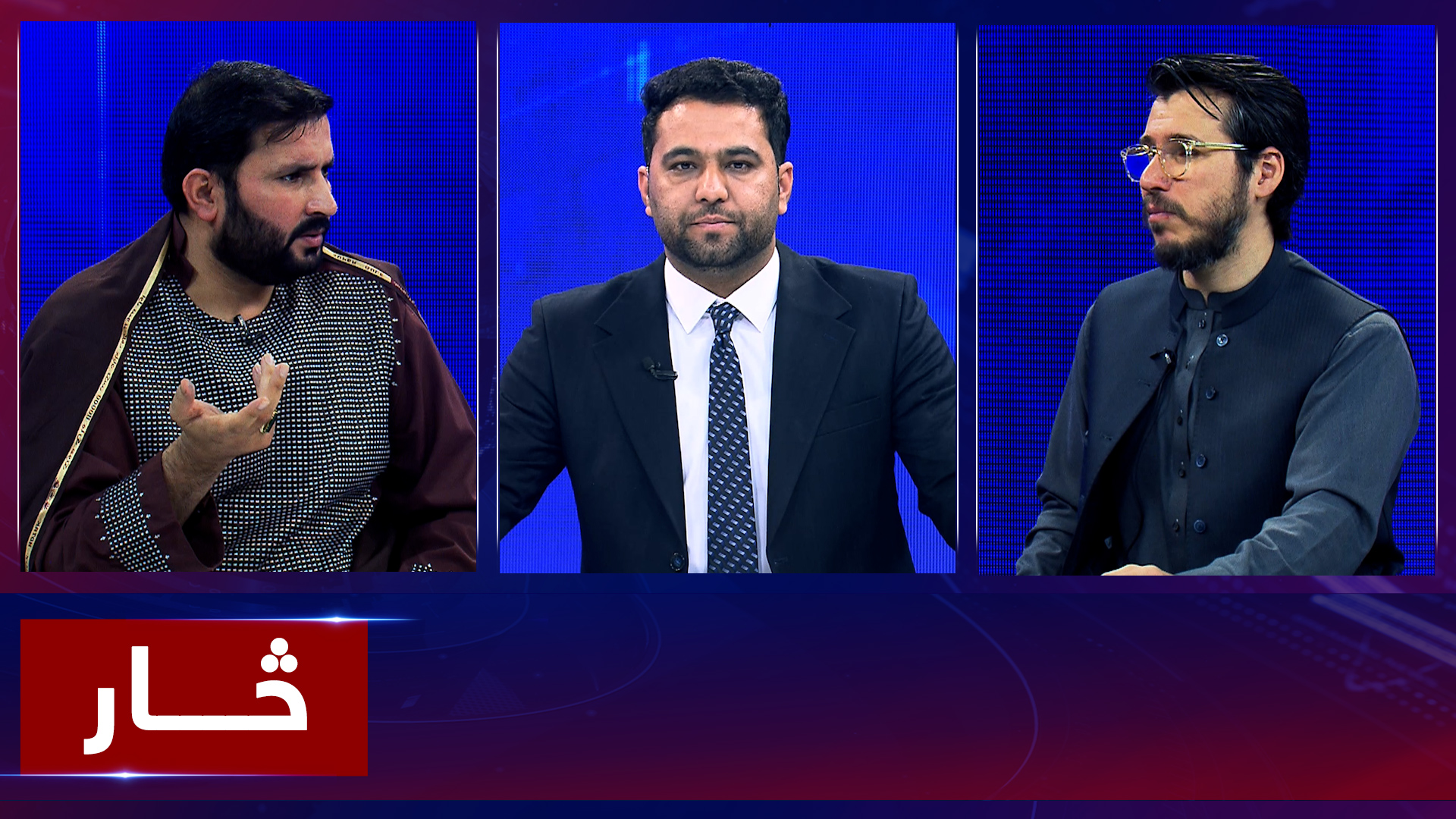
Saar: Afghanistan’s situation in focus at CSTO discussed

Tahawol: Efforts to halt deportation of Afghan refugees from US discussed
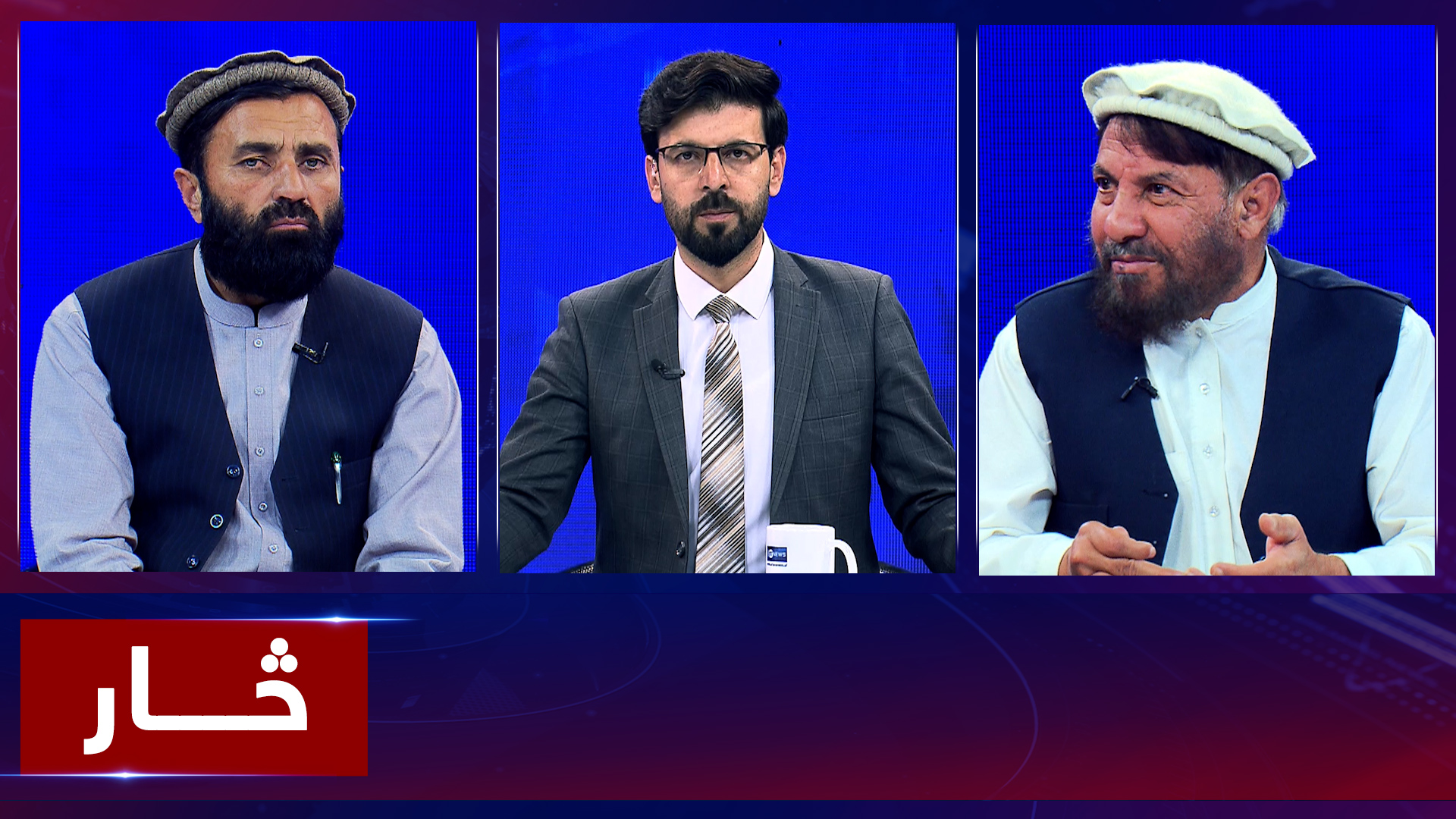
Saar: Russia’s stance on Afghanistan discussed

Trump says further US attacks on Iran ‘highly unlikely’ as peace talks gain momentum
-
 Sport4 days ago
Afghanistan’s record partnership highlights fourth day of Test against Zimbabwe
-
 World4 days ago
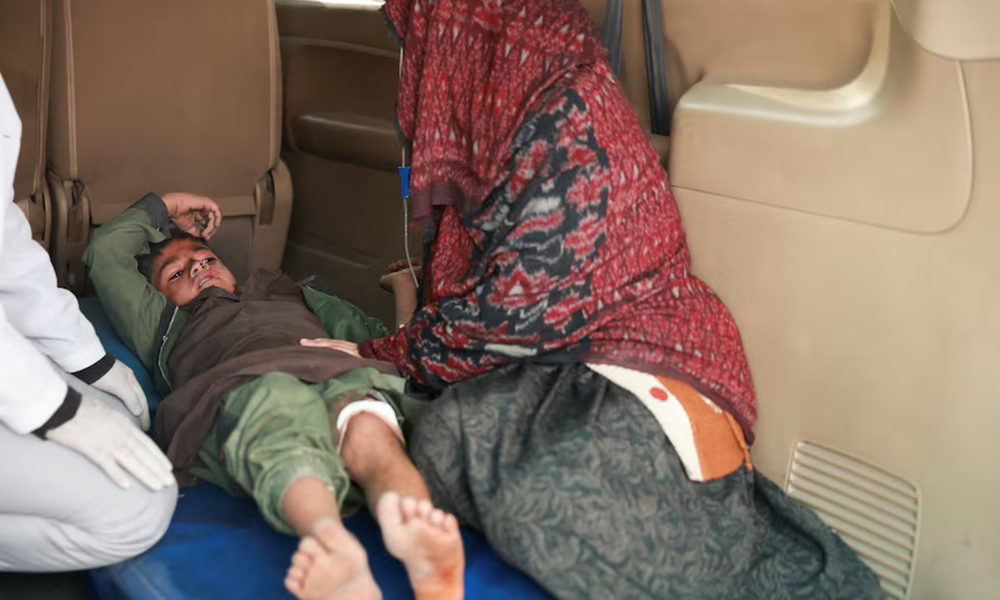
Houthi-run health ministry says airstrikes kill 33 near Yemen capital
-
 Sport3 days ago
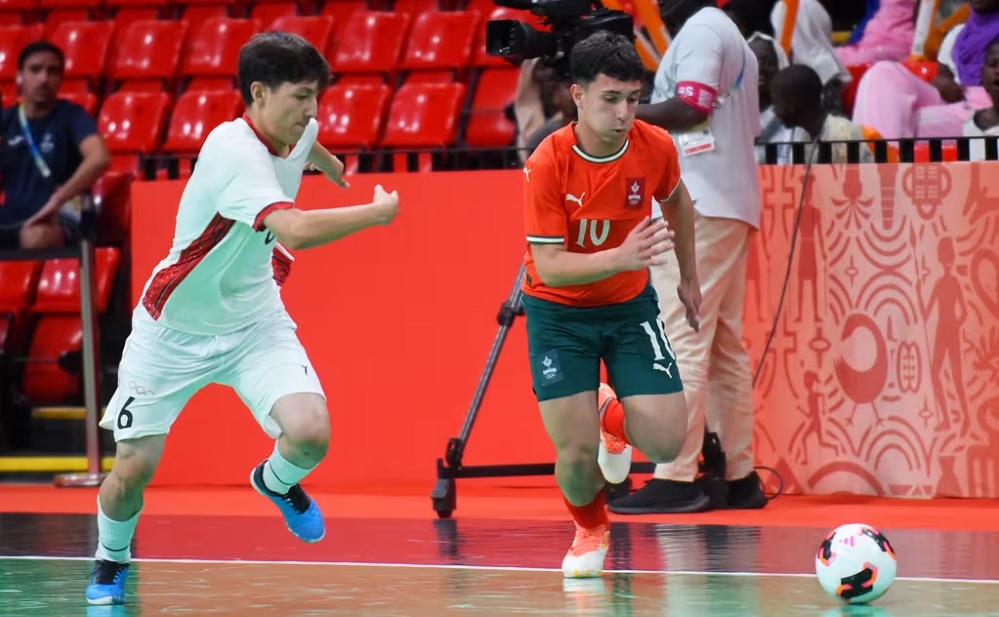
Portugal beat Afghanistan 2-0 in Dakar Youth Olympics futsal semi-finals
-
 Sport5 days ago
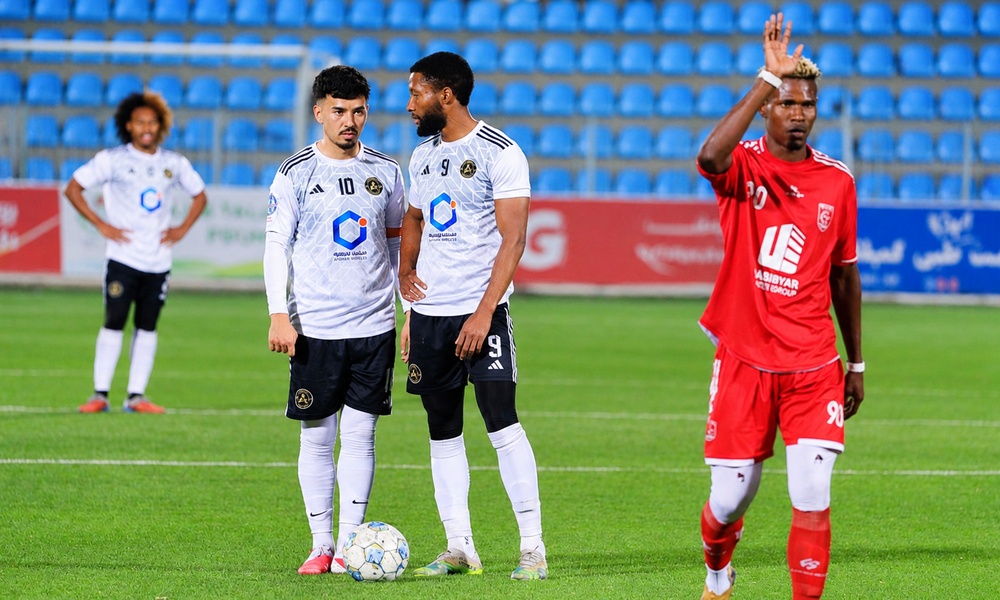
Toofan Herat defeat Arman FC 2–0 in Afghanistan Champions League
-
 Sport4 days ago
Afghanistan thrash Senegal 6-0 to reach Dakar Youth Olympics futsal semi-finals
-
 Regional4 days ago
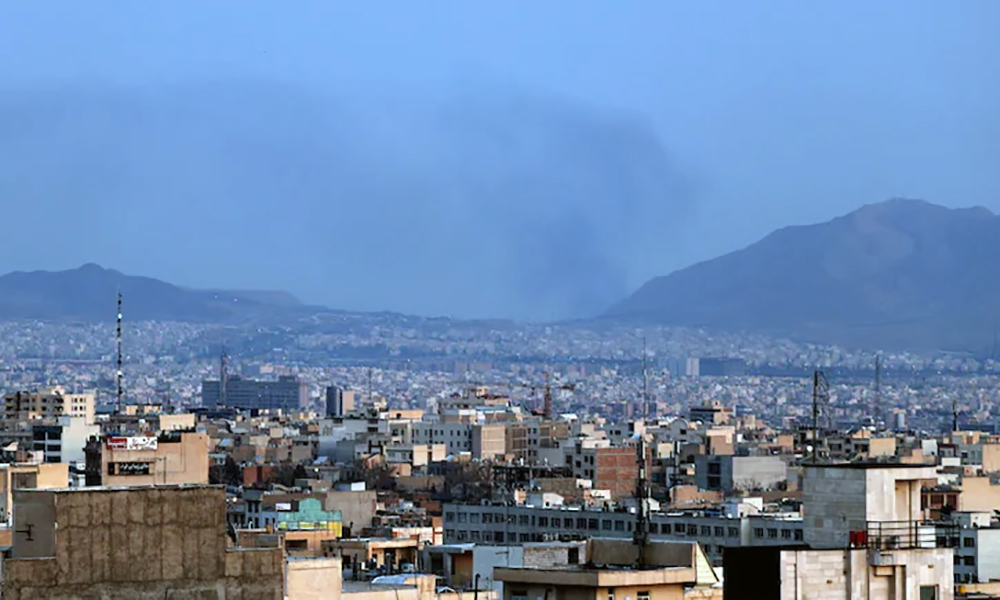
Explosions heard in areas in southern Iran, Iranian media report
-
 World3 days ago
First Muslim US senator-elect El-Sayed calls for review of aid to Pakistan
-
 Regional3 days ago
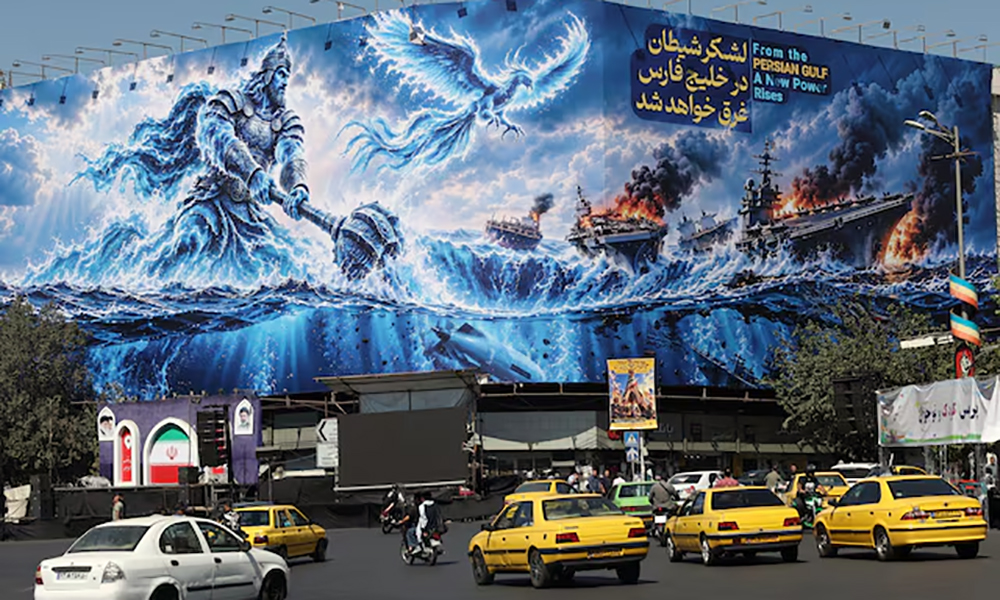
Iran defends two-day proposal for peace talks after US rejects conditions