
Latest News
Modern slavery: An in-depth look at how this ‘crime’ affects the people of Afghanistan
Five different types of slavery are especially prolific in the country. These are Forced Labor, Child Slavery, Forced and Early Marriage, Bonded Slavery and Human Trafficking

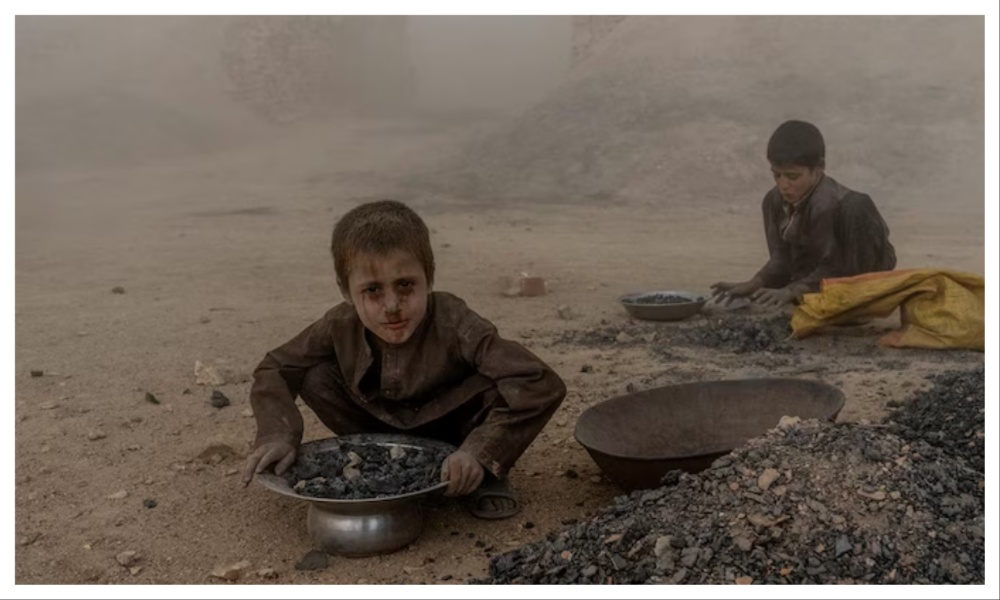
Modern slavery affects every country on earth, including Afghanistan and today millions of adults and children are trapped in slavery in the country.
This past month, Ariana Radio and Television Network (ATN), including Ariana News, Ariana Television and Ariana FM 93.5, in conjunction with Bayat Foundation have taken a stand against this problem by running an anti-slavery campaign.
But what is modern slavery in the Afghanistan context?
Five different types of slavery are especially prolific in the country. These are Forced Labor, Child Slavery, Forced and Early Marriage, Bonded Slavery and Human Trafficking.
Forced labor can be described as any work or services people are made to do against their will, usually under threat of punishment.
Often linked to forced labor, is bonded slavery, which is also known as debt bondage. This is widespread in Afghanistan, due to decades-long conflict, political instability, and the ongoing economic and humanitarian crises.
According to Walk Free, a non-partisan anti-slavery organization, entire families are held in bonded labor – especially in brick kilns in eastern Afghanistan.
Brick kiln owners are notorious for using forced, bonded and child labor and studies by various organizations over the years, including the International Labor Organization (ILO), have found that the arduous nature of brick making and low wages make it difficult for brick kilns to recruit and retain workers.
Both child and adult laborers work over 70 hours a week performing repetitive motions, often in a crouching position, and workers are constantly exposed to the elements such as sun, heat and dust.
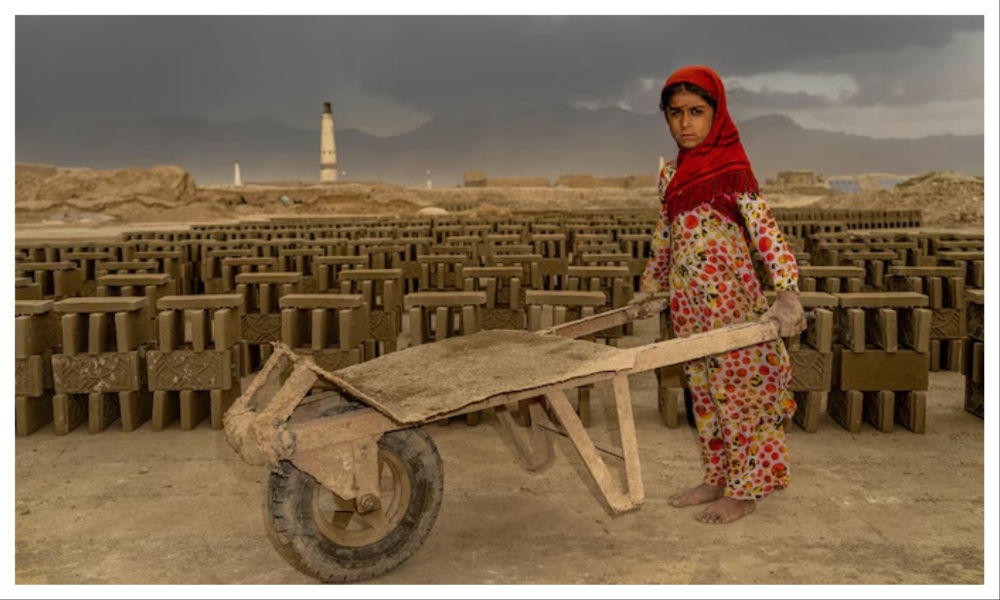
A 9-year-old Afghan girl works in a brick factory on the outskirts of Kabul, Afghanistan. Photo: AP
According to the ILO, by using a system of monetary advances to desperate families, kiln owners are able to ensure regular labor at a low cost.
The ILO also states that households take on debt from brick kilns to pay for basic survival needs such as food, and medical bills, as opposed to investments in shelter or entrepreneurial activities.
As a result, debt is not a one-time issue but rather a more structured, longer-term cycle that keeps households continuously indebted to their employers.
In addition to debt, opportunities for getting out of debt bondage are limited by the restrictions of their contracts. The employers strictly forbid any household member to seek employment – primary or secondary – outside of the kiln, and movement outside of the kiln site is limited to authorized times and locations.
Movement outside of the kiln usually consists of trips to the bazaar to pick up supplies or to doctors or clinics for medical needs.
Folad, an Afghan child working at a brick factory in Dehsabz district of Afghanistan’s capital Kabul recently appealed to the government to help families trapped in debt bondage.
He said: “I am interested in going to school, but I can’t. We (our family) are in debt, and I’m not able to continue my studies because of poverty. If the government supports my family, I can go to school and continue my lessons.”
International organizations have stated that over 33 percent of all Afghan children are forced to work.
The problem is reportedly being addressed by the Islamic Emirate.
“The Ministry of Labor and Social Affairs is trying to prevent child labor and support their families,” a ministry spokesman Samiullah Ibrahimi told the media recently.
“The ministry has activated training centers for orphaned children and has provided vocational training along with other assistance to the children,” he said.
But, 40 years of war and extreme poverty has forced millions of children to work or make a living on the streets as car washers to shoe shiners.
The Afghanistan Independent Human Rights Commission stated in a report last year that currently over one third of Afghan children are forced to work to support their families.
The organization stated that these children primarily work in sectors such as domestic work, carpet weaving, salt mining and brick making.
The ILO meanwhile says almost 1.1 million children are engaged in hard labor in Afghanistan.
At a gathering in Kabul on the occasion of World Day Against Child Labor in June, ILO officials said that most of these children are between the ages of 5 and 17.
“According to the latest survey, 1.06 million children between the ages of 5 and 17 have been working, which is 9 percent [of the population],” said Ramin Behzad, the Senior Coordinator for Afghanistan at the ILO.
Speaking to Ariana News, Bashir, a 12-year-old car washer said he works on the streets of Kabul from 6.30am every day. At 11:30am he goes to school.
He earns between 150 and 200 afghanis in this time and hands the money over to his mother which she uses to buy food for the family.
Another child working on the streets is Shoaib. “We are (a family of) five. Seven including my parents. I make 50 afghanis a day for my family”.
Often, these children are the sole breadwinners in their families and have no alternative but to work to survive.
Early and Forced Marriage
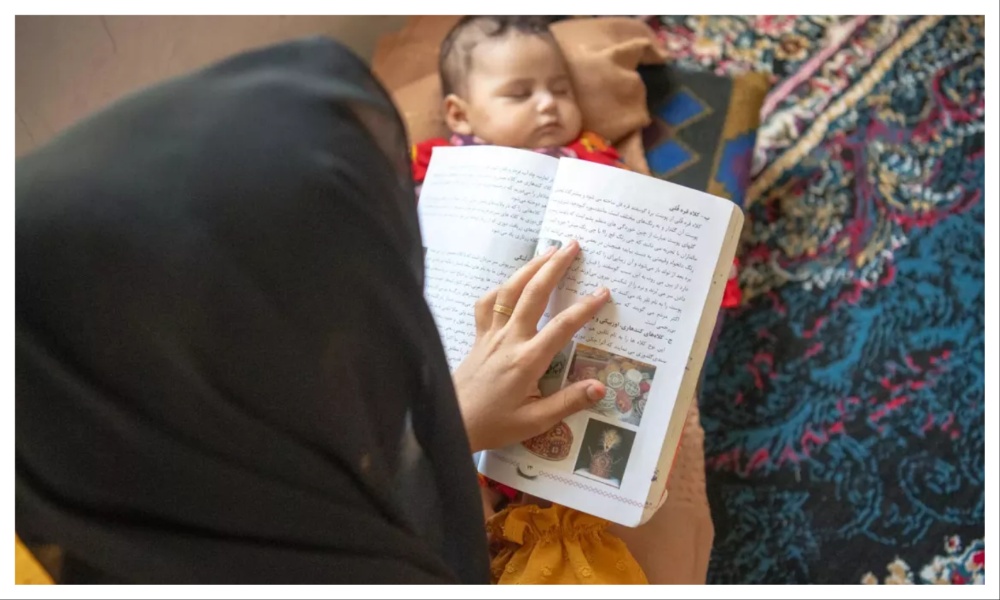
17-year-old Gulalay sits with her 4-month-old daughter. When she was 14, the ban on secondary education for girls was enforced in Afghanistan. With schools closed, she was told she must get married, as there was nothing else for her to do. Photo: UNICEF
The early and forced marriage element of modern slavery is another growing problem in Afghanistan with United Nations Women stating in a recent report that due to the ban on education of girls above the 6th grade, future projections estimate that the rate of child marriage among Afghan girls will increase by 25 percent.
UNOCHA reported earlier this year that one in ten women-headed households in Afghanistan reported marriage of daughters earlier than intended.
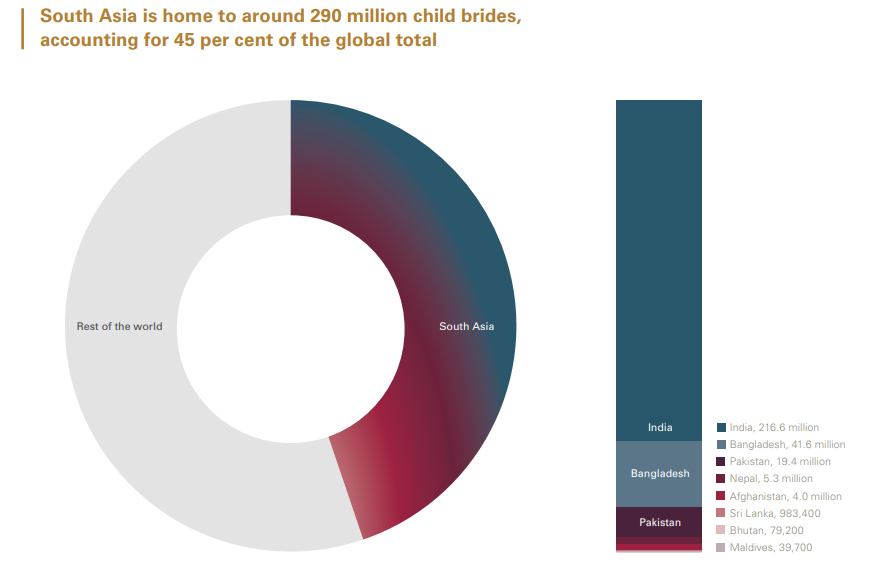
The number of girls and women who were first married or in a union before age 18. Graphic: UNICEF
The Organization for Policy Research and Development Studies’ (DROPS) BISHNAW-WAWRA project meanwhile carried out a survey late last year and found that while impossible to cite exact figures, 70 percent of the more than 3,000 young women interviewed from around the country know girls who have been forced to marry before the age of 18.
“The Taliban (Islamic Emirate) prohibit young women from working in most sectors, studying, and moving around the city alone, and many families are once again feeling the burden and urgency to marry off their daughters as soon as possible,” said Mariam Safi, director of DROPS.
She went on to state that this is “why we are seeing girls getting married younger and younger, at 11 and 12 years of age.”

In Afghanistan, 28% of women aged 20 to 24 years were married when between the ages of 15 and 18. Graphic: UNICEF
BISHNAW-WAWRA attributed the bans in place on women’s education, employment, freedom of movement and others as a key reason for the increase in forced and early marriage.
“It is clear to all participants that these opportunities (studying and working) were critical in persuading families to delay marriage for their daughters while they completed these milestones. With these opportunities now out of reach, families are much quicker to resort to marrying off their daughters for financial and security related reasons,” the report stated.
Human Trafficking
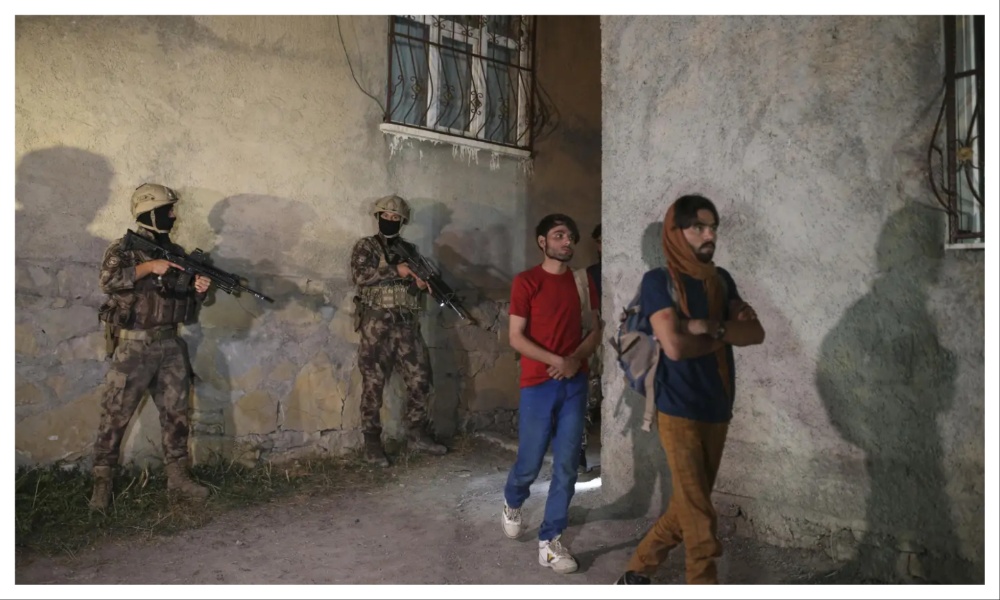
Turkish security forces apprehend a group of migrants from Afghanistan at the border province of Van during an anti-human trafficking operation. Photo: AP
Human trafficking is and has been a serious problem in Afghanistan for many years.
This problem, does not only refer to the smuggling of people from one country to another for asylum purposes but also takes into account that which involves the use of force, violence, threats or coercion to transport, recruit or harbor people in order to exploit them for purposes such as forced prostitution, labor, criminality, marriage or organ removal.
Human trafficking and migrant smuggling are global and widespread crimes that use men, women and children for profit. The organized networks or individuals behind these lucrative crimes take advantage of people who are vulnerable, desperate or simply seeking a better life – UNODC
In a report published earlier this year by the US State Department on trafficking in persons, researchers found that through 2023, “there was a pattern of sexual slavery” in the country in relation to bacha bazi – a practice in which men exploit boys for social and sexual entertainment.
While bacha bazi has been officially banned by the Islamic Emirate, the practice has continued in the country.
The report also noted that human traffickers exploit domestic and foreign victims in Afghanistan, and traffickers exploit victims from Afghanistan abroad.
Most Afghan trafficking victims are children forced to work in various sectors in the country or forced to find work outside the country.
International organization experts have indicated that child labor has been on the rise in the past few years. This has been largely due to the high levels of unemployment and poverty.
Organizations have stated that over 33 percent of children are involved in child labor and that boys are more vulnerable than girls to be victims of trafficking.
Children, predominantly boys between the ages of 13 and 18 and often unaccompanied, are forced by their families to migrate for work to other parts of Afghanistan or abroad to Türkiye, Iran, and Pakistan to support their families.
The State Department reported that traffickers exploit children as young as nine years old in bacha bazi and that in northern provinces, many bacha bazi traffickers were community elders or private citizens.
“In southern provinces, bacha bazi perpetrators were more commonly officials from the pre-August 15, 2021, government,” the report read.
Transnational trafficking of people has meanwhile been in the spotlight in Afghanistan over the past decade. Afghan men, women, and children pay traffickers to assist them in relocating and/or finding employment abroad, primarily in Iran, Pakistan, and Europe.
Some traffickers and employers force Afghans into labor or sex trafficking and confiscate their passports and other documents so as to stop them from escaping.
The State Department warned that the substantial increase in the number of individuals seeking to leave Afghanistan, combined with the closure of diplomatic missions in Afghanistan, has exacerbated the problem of Afghans falling victim to these traffickers.
The dire economic situation has also had a negative impact on the number of girls and women sold into marriage while Afghan boys and men are subjected to forced labor and debt bondage in agriculture and construction, primarily in Iran, Pakistan, Greece, Türkiye, and the Gulf states.
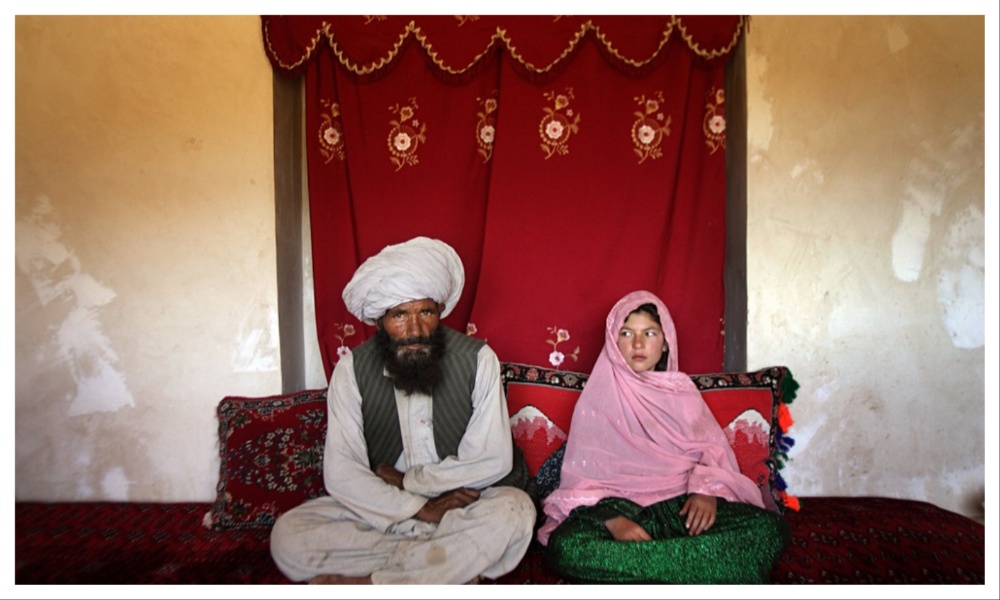
He’s 40. She’s 11. “We needed the money,” Ghulam’s parents said at the time of their daughter’s marriage to Mohammad. Photo: UNICEF
Since August 15, 2021, many Afghan refugees fear being deported back to Afghanistan, which makes them less likely to report exploitation to foreign authorities – particularly in Iran, Pakistan, Türkiye, Europe, and Central Asia.
Traffickers are known to exploit Afghans, especially Afghan teenagers and children in numerous countries – including those in Europe.
In Iran, traffickers and criminal gangs exploit Afghan children in forced labor as beggars and street vendors and in forced criminality, including drug trafficking and the smuggling of goods.
Victims of these traffickers are often caught by police who are accused of torturing them.
Just this week, a video that went viral on social media shows Iranian police using force to pin a teenage Afghan boy on the ground. The boy reportedly sustained a serious neck injury during the incident.
Turkish authorities have also been accused of mistreating Afghan asylum-seekers who are smuggled across the border with Iran. The Turkish police push the migrants back into Iran, where the Iranian government and the Islamic Revolutionary Guards Corps continue to compel Afghan migrants, including children as young as 12 years old, to fight in Iranian-led and funded Shia militias deployed to Syria.
Smuggling networks that transport Afghan nationals to Europe have also been accused of subjecting their victims to sex trafficking and forced labor – to work in restaurants to pay off debts incurred by smuggling fees.
The US report stated that some Afghan traffickers have subjected Afghan boys to bacha bazi in Germany, Hungary, North Macedonia, and Serbia.
World Day Against Trafficking in Persons
Last Tuesday, July 30, was World Day Against Trafficking in Persons and this year’s theme was “Leave no child behind in the fight against human trafficking”.
Marking the day, UN Secretary General Antonio Guterres said: “Human trafficking is a horrific crime that targets the most vulnerable in our societies.
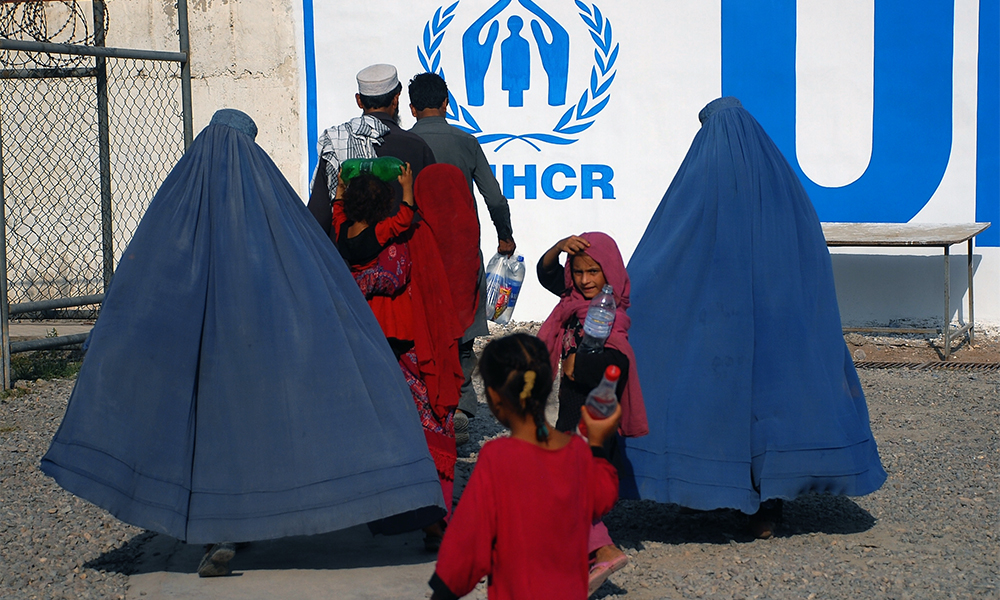
Afghan refugee families living in Pakistan arrive at the UNHCR’s Repatriation Center before returning to Afghanistan. Photo: AP
“On this World Day Against Trafficking in Persons, we focus on the most vulnerable among us – children.”
Guterres pointed out that children account for one-third of trafficking victims, “suffering unspeakable abuse – whether they are forced into labor, sold off as brides, recruited as soldiers, or coerced into criminal activities.”
He said rising inequalities and globalization have fuelled complex trafficking networks that challenge traditional legal frameworks, creating new forms of slavery, adding that the world must strengthen protection responses – including child-sensitive justice mechanisms, raise awareness, support unaccompanied children on the move, provide care for survivors, and tackle the root causes of exploitation by helping vulnerable families.
“I call upon governments, civil society, and the private sector, including tech companies, to intensify their efforts and collaboration so that no child is victimized and no trafficker goes unpunished.”
RELATED STORIES:
Iranian official warns illegal immigrants to leave in next seven months
Over one million Afghan children engaged in hard labor: ILO


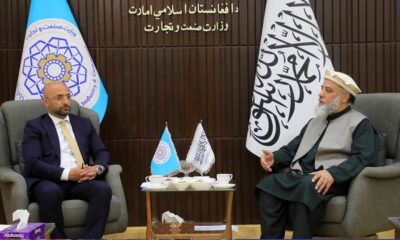



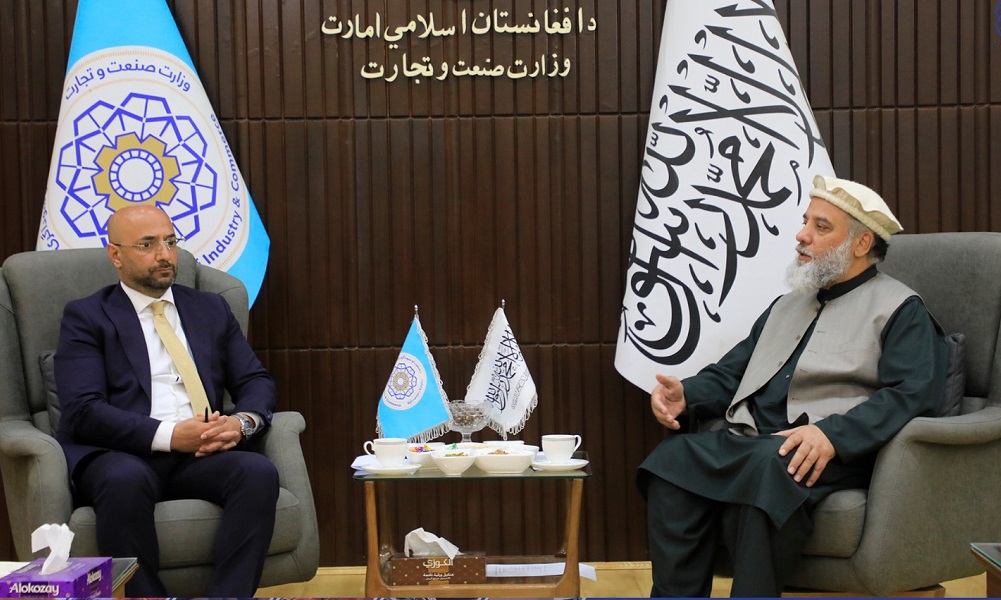
Nooruddin Azizi, Minister of Industry and Commerce of the Islamic Emirate of Afghanistan, met on Thursday with Sadin Ayyıldız, Chargé d’Affaires of the Turkish Embassy in Kabul. During the meeting, Ayyıldız invited the Minister of Industry and Commerce to participate in Turkey’s Antalya Diplomacy Forum.
According to a statement from the Ministry of Industry, the meeting also emphasized the economic, trade, and historical relations between Kabul and Ankara, as well as the export of Afghan goods to Turkey.
The two sides discussed increasing trade volume between the two countries, strengthening economic relations, facilitating and enhancing commercial activities, cooperation in road transport along various routes, activating the Lapis Lazuli Corridor, and regional cooperation.
Azizi, while thanking Turkey for inviting the Islamic Emirate to the Antalya Diplomacy Forum, introduced the Ministry’s technical team to ensure better coordination and planning.
The Antalya Diplomacy Forum is an international conference held annually in Turkey, aimed at examining global challenges and finding joint solutions through dialogue and diplomacy. It hosts representatives from more than 100 countries, including presidents, leaders, high-ranking officials, international organizations, analysts, and media from various countries.
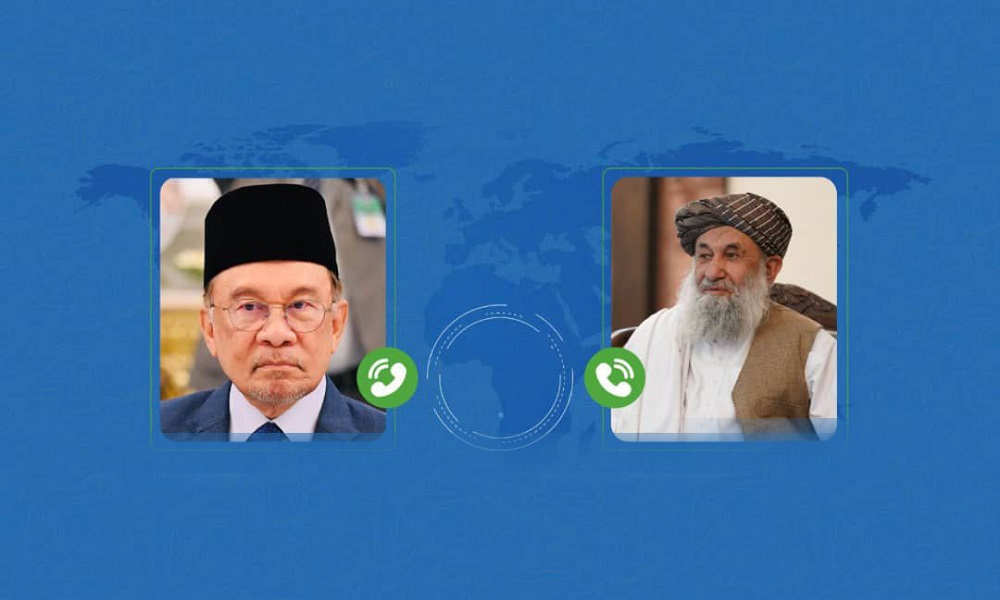
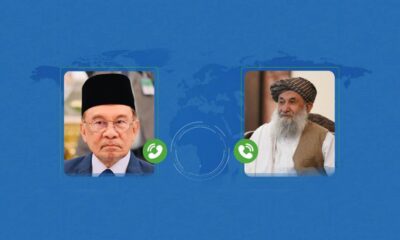
Mullah Mohammad Hassan Akhund, Prime Minister of the Islamic Emirate, in a telephone conversation initiated by Mohammad Anwar Ibrahim, Prime Minister of Malaysia, discussed regional developments, particularly the recent situation between Pakistan and Afghanistan.
Zabihullah Mujahid, spokesperson for the Islamic Emirate, said in a statement that Hassan Akhund stated during the call that the Islamic Emirate of Afghanistan’s principled position is clear and that it believes in resolving issues through mutual understanding and cooperation.
Hassan Akhund added that during Eid al-Fitr, at the request of Saudi Arabia, Turkey, and Qatar, the Islamic Emirate demonstrated its goodwill by respecting a pause in defensive operations.
He stated that violence benefits no party and that actions that increase tensions should be avoided, emphasizing that wisdom and rationality must guide efforts to resolve problems.
He also expressed concern over rising regional tensions following the US and Israeli attacks on Iran.
The Malaysian Prime Minister also expressed concern about the regional situation and hoped that the temporary halt in hostilities between Afghanistan and Pakistan would continue, and that existing problems could be resolved through sincere negotiations and understanding.
He added that Malaysia aims to play a positive role in facilitating understanding between both parties.
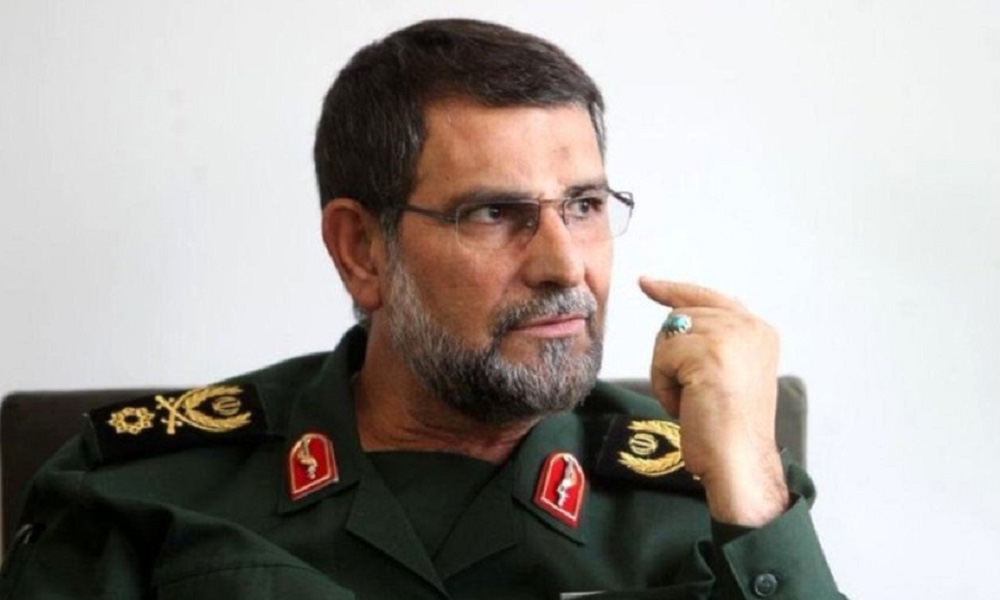
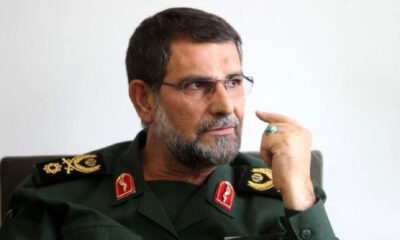
Israel’s defence minister says that an Israeli air strike has killed Alireza Tangsiri, commander of the Iranian Revolutionary Guards’ navy.
The killing was carried out “last night, in a precise and lethal operation” and targeted other “senior officers of the naval command”, said Israel Katz, in a video statement.
“The man who was directly responsible for the terrorist operation of mining and blocking the Strait of Hormuz to shipping was blown up and eliminated,” he claimed.
Since the start of the joint US-Israeli war on Iran on February 28, Israel has announced the assassination of several top Iranian officials, including Supreme Leader Ali Khamenei and the Islamic Republic ‘s powerful security chief, Ali Larijani.
Al Jazeera’s Tohid Asadi, reporting from Tehran, said there was no official Iranian confirmation yet of Tangsiri’s killing.
“But if it’s true it’s going to be another major blow for a country that has already experienced a lot of military commanders being killed” since the war began, he said.
The head of the Basij paramilitary forces, Brigadier General Gholamreza Soleimani, and Intelligence Minister Esmail Khatib were also assassinated in Israeli attacks.
Moreover, in recent days, Israeli forces have carried out several strikes targeting the naval assets of Iran.
Last week, Israeli airstrikes hit several Iranian naval ships in the Caspian Sea, including ones equipped with missile systems, support vessels, and patrol craft.


Trump signature to appear on US currency, ending 165-year tradition

Tahawol: Discussion on day 27 of Iran–US war

Turkey invites IEA’s commerce minister to Antalya Diplomacy Forum

Saar: Islamic Emirate confident of Durand Line control

Afghan, Malaysian PMs discuss situation between Kabul and Islamabad

Pakistani military jet downed in Afghanistan’s Jalalabad, pilot captured alive

Afghan Air Force conducts airstrikes in Islamabad, other cities

Prominent Muslim scholar issues fatwa calling for Afghanistan-Pakistan ceasefire

Afghan air force strikes key Pakistani military installations in retaliatory operation

IEA: Special circle in Pakistan has launched mission to destabilize region
Tahawol: Discussion on day 27 of Iran–US war
Saar: Islamic Emirate confident of Durand Line control

Tahawol: Efforts to release Mohammad Rahim from Guantanamo Bay Detention Camp

Saar: End of ceasefire between Afghanistan-Pakistan reviewed

Tahawol: Escalating threats between Iran-US discussed
-
 Latest News5 days ago
Deadly violence likely without dialogue between Afghanistan and Pakistan: ICG
-

 Latest News4 days ago
Pakistan seeks Russian mediation to resolve Afghanistan tensions
-
 Sport5 days ago
Afghanistan secures third place at 2026 World Kokpar Championship
-

 International Sports5 days ago
FIFA World Cup 2026: Play-Off Tournament takes centre stage
-
 Business5 days ago
Afghani strengthens nearly 10% against US dollar amid banking sector reforms
-
 Latest News4 days ago
World must re-engage to prevent all-out Afghanistan-Pakistan war: Financial Times
-
 Latest News3 days ago
Around 2.3 million tourists visited Afghanistan’s recreational areas during Eid: Ghufran
-

 Sport3 days ago
Afghanistan squad hit by withdrawals ahead of AFC Asian Cup Qualifiers