
Latest News
More than 24% of children in Afghanistan experience anxiety: UNICEF
Nearly 15 percent experience depression, UNICEF said.

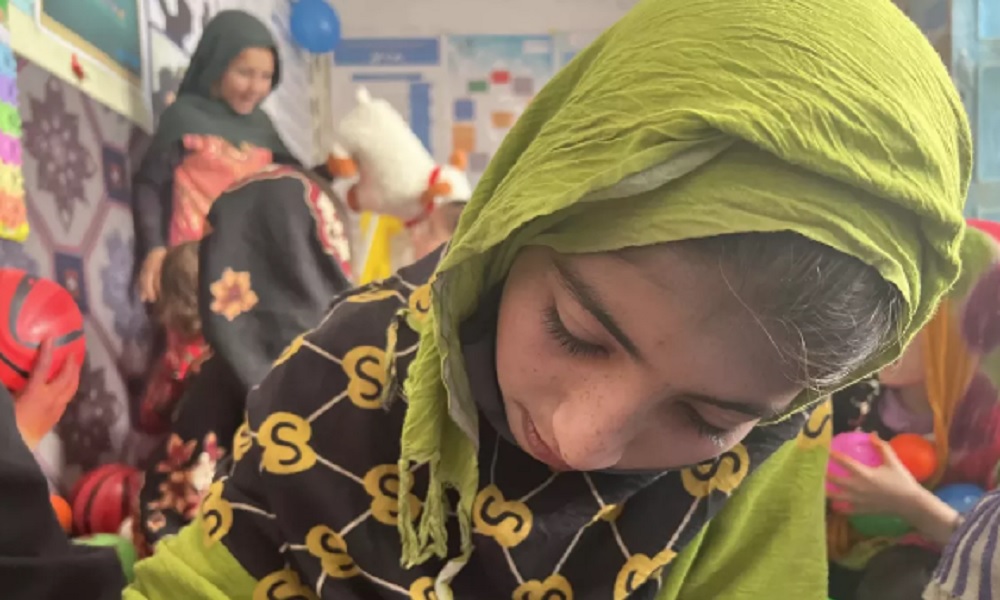
More than 24 percent of children between ages of 5 and 17 experience anxiety, a rate 10 times higher than the global average, UNICEF reported on Monday.
Nearly 15 percent experience depression, UNICEF said.
“The legacy of conflict, family migration and displacement, recurrent natural disasters, high levels of poverty, and risks of harm from explosive ordnances all exacerbate these mental health challenges,” UNICEF said. “In times of crisis, children face heightened levels of stress, trauma and disruption to their routines.”
The agency highlighted that compounding these challenges is the persistently restrictive measures on girls’ education, limiting their hope for employment and a better future, as well as their access to basic services like healthcare and mental health support.
UNICEF said that last year it provided mental health and psychosocial support to nearly 4 million children and caregivers across all 34 provinces of Afghanistan, largely through child friendly spaces.
UNICEF aims to reach 3.6 million more children and caregivers with mental health and psychosocial support in 2024.
In 2023, UNICEF trained nearly 3,000 social workers in Afghanistan, nearly half of whom were women.
Related stories:
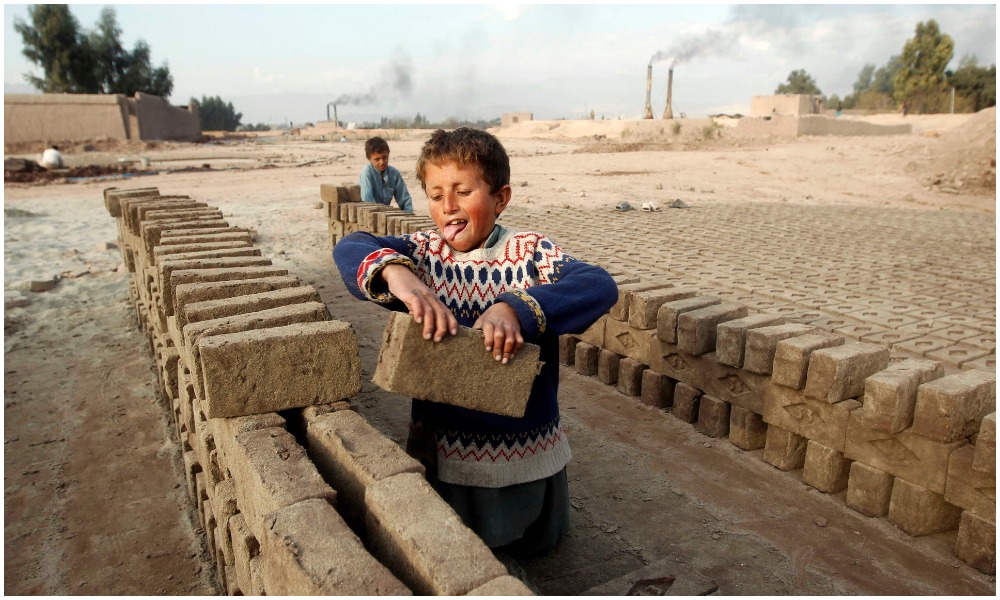
Over one million Afghan children engaged in hard labor: ILO
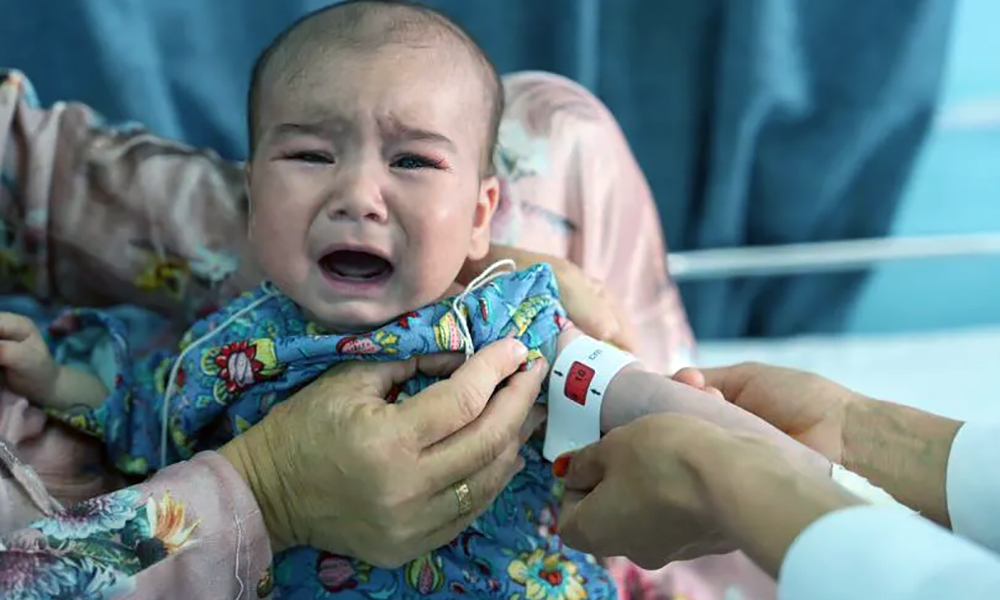
About 6.5 million children in Afghanistan will ‘face crisis levels of hunger’ this year





Latest News
Human Rights Watch calls Pakistani airstrike on Kabul rehab center ‘unlawful’
Patricia Gossman, senior associate Asia director at Human Rights Watch, said available evidence suggests the strike hit a well-known civilian medical facility.
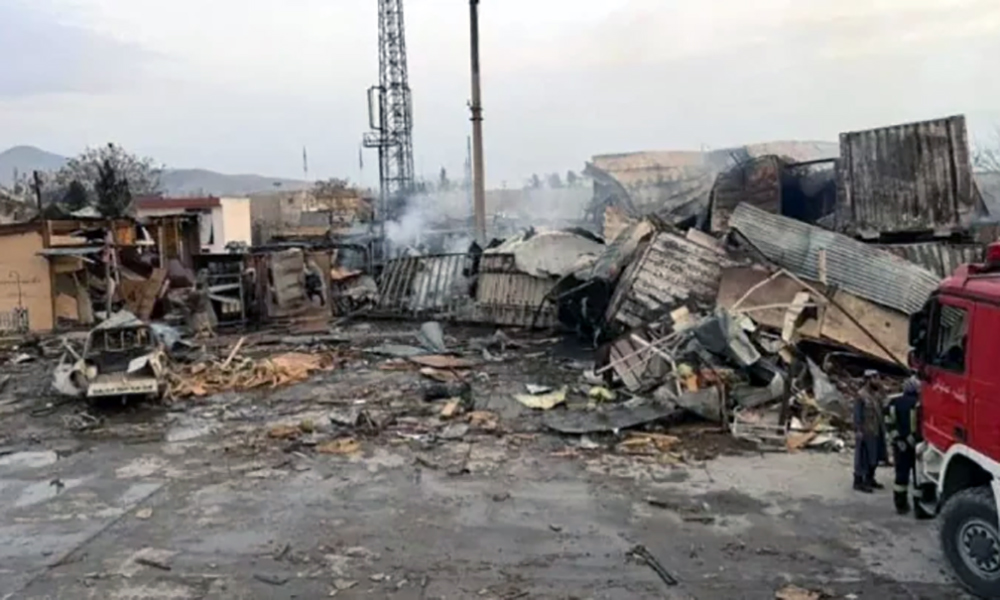
Human Rights Watch has condemned a recent Pakistani airstrike on a rehabilitation facility in Kabul, calling it “unlawful” and warning it could amount to a war crime.
The strike, which reportedly took place on March 16, targeted the Omid Drug Rehabilitation Center, located within the former Camp Phoenix complex in eastern Kabul. According to international agencies, at least 143 people were killed and more than 250 others injured, most of them patients undergoing treatment.
Patricia Gossman, senior associate Asia director at Human Rights Watch, said available evidence suggests the strike hit a well-known civilian medical facility.
“The available evidence indicates that the Pakistani airstrike against a well-known Kabul medical facility killing dozens of patients was unlawful,” she said, adding that authorities must determine why the site was targeted and who should be held accountable.
An employee of the center told the organization that three buildings were struck, including a dining hall, a residential building housing hundreds of patients, and a guard post. At the time of the attack, more than 1,000 patients were reportedly at the facility, many gathered to break their fast during Ramadan.
Human Rights Watch said satellite imagery and visual evidence show extensive destruction across the compound, with multiple structures either destroyed or severely damaged. The organization added that it found no indication the facility was being used for military purposes.
Under international humanitarian law, medical facilities are afforded special protection. The group stressed that attacks failing to distinguish between civilian and military targets, or those causing disproportionate civilian harm, may constitute serious violations of the laws of war.
Human Rights Watch has called on Pakistan to carry out a prompt, impartial investigation and ensure accountability if violations are confirmed.
Latest News
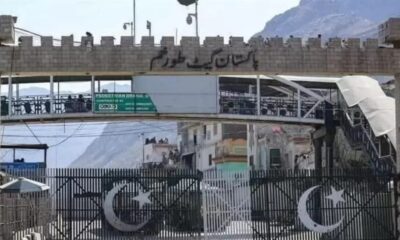
Torkham crossing closes again hours after brief reopening
Officials say the reason for the sudden closure has not been clearly communicated by authorities in Pakistan.
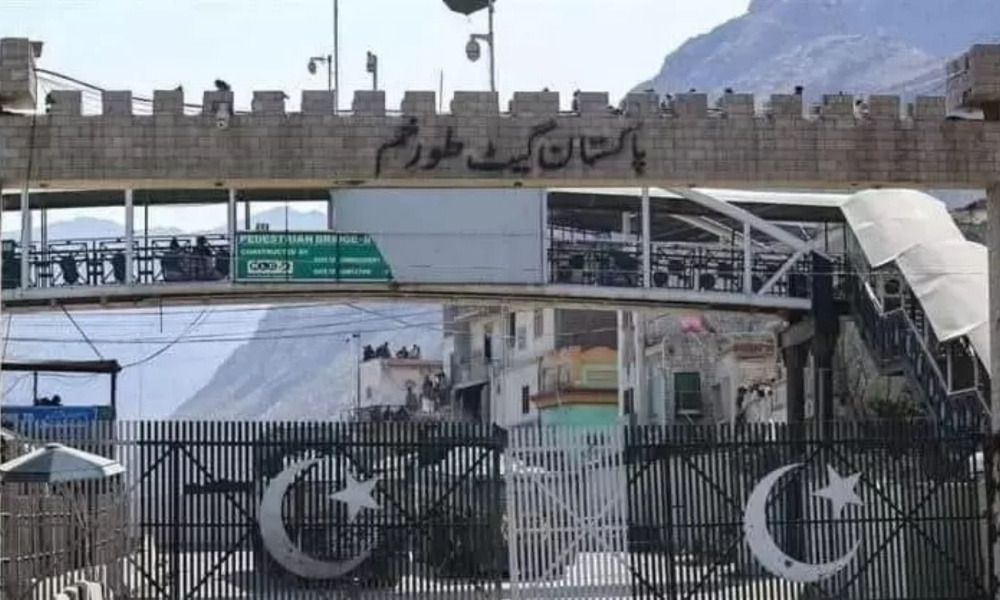
The key border crossing at Torkham crossing has once again been shut down, just hours after it was temporarily reopened, according to local officials in Nangarhar province.
Sediqullah Quraishi, head of information at the provincial Department of Information and Culture, said that on Thursday the Pakistani side allowed the crossing to open briefly to Afghan migrants. However, the crossing was closed again shortly afterward, leaving many travelers stranded.
Officials say the reason for the sudden closure has not been clearly communicated by authorities in Pakistan.
The Torkham crossing serves as one of the most important transit points between Afghanistan and Pakistan. Its repeated closures have caused significant disruption, particularly for migrants, traders, and families who rely on cross-border movement.
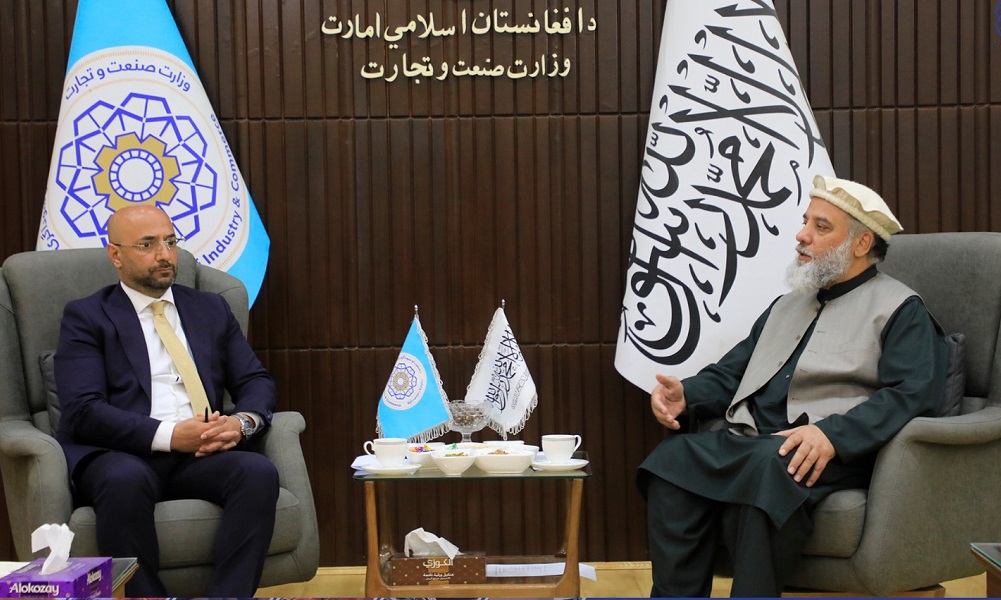
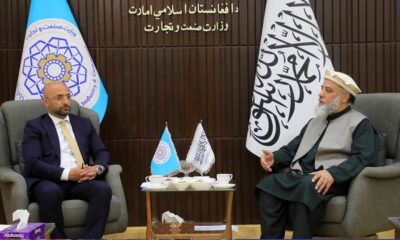
Nooruddin Azizi, Minister of Industry and Commerce of the Islamic Emirate of Afghanistan, met on Thursday with Sadin Ayyıldız, Chargé d’Affaires of the Turkish Embassy in Kabul. During the meeting, Ayyıldız invited the Minister of Industry and Commerce to participate in Turkey’s Antalya Diplomacy Forum.
According to a statement from the Ministry of Industry, the meeting also emphasized the economic, trade, and historical relations between Kabul and Ankara, as well as the export of Afghan goods to Turkey.
The two sides discussed increasing trade volume between the two countries, strengthening economic relations, facilitating and enhancing commercial activities, cooperation in road transport along various routes, activating the Lapis Lazuli Corridor, and regional cooperation.
Azizi, while thanking Turkey for inviting the Islamic Emirate to the Antalya Diplomacy Forum, introduced the Ministry’s technical team to ensure better coordination and planning.
The Antalya Diplomacy Forum is an international conference held annually in Turkey, aimed at examining global challenges and finding joint solutions through dialogue and diplomacy. It hosts representatives from more than 100 countries, including presidents, leaders, high-ranking officials, international organizations, analysts, and media from various countries.


Human Rights Watch calls Pakistani airstrike on Kabul rehab center ‘unlawful’

Torkham crossing closes again hours after brief reopening

Trump signature to appear on US currency, ending 165-year tradition

Tahawol: Discussion on day 27 of Iran–US war

Turkey invites IEA’s commerce minister to Antalya Diplomacy Forum

Pakistani military jet downed in Afghanistan’s Jalalabad, pilot captured alive

Afghan Air Force conducts airstrikes in Islamabad, other cities

Prominent Muslim scholar issues fatwa calling for Afghanistan-Pakistan ceasefire

Afghan air force strikes key Pakistani military installations in retaliatory operation

IEA: Special circle in Pakistan has launched mission to destabilize region
Tahawol: Discussion on day 27 of Iran–US war

Saar: Islamic Emirate confident of Durand Line control

Tahawol: Efforts to release Mohammad Rahim from Guantanamo Bay Detention Camp

Saar: End of ceasefire between Afghanistan-Pakistan reviewed

Tahawol: Escalating threats between Iran-US discussed
-
 Latest News5 days ago
Deadly violence likely without dialogue between Afghanistan and Pakistan: ICG
-
 Latest News4 days ago
Pakistan seeks Russian mediation to resolve Afghanistan tensions
-
 Business5 days ago
Afghani strengthens nearly 10% against US dollar amid banking sector reforms
-
 Latest News4 days ago
World must re-engage to prevent all-out Afghanistan-Pakistan war: Financial Times
-

 Sport3 days ago
Afghanistan squad hit by withdrawals ahead of AFC Asian Cup Qualifiers
-
 Latest News3 days ago
Around 2.3 million tourists visited Afghanistan’s recreational areas during Eid: Ghufran
-
 Latest News3 days ago
Islamic Emirate releases American prisoner Dennis Coyle
-
 Latest News5 days ago
Pakistani military violates Afghanistan ceasefire again