
Business
MPs warn of serious development budget embezzlement

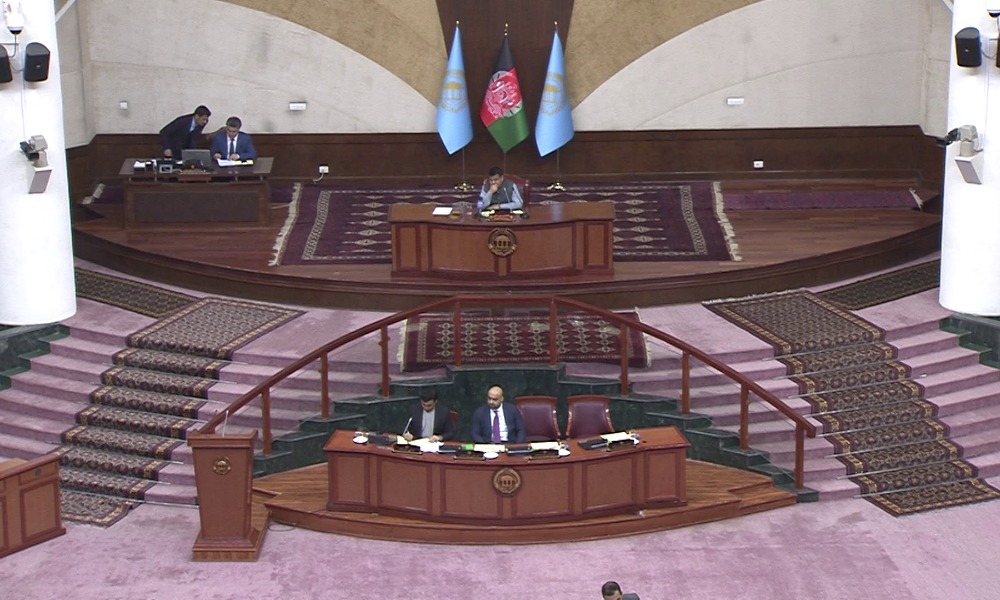
Members of the Wolesi Jirga (Lower House of Parliament) warned on Monday that millions of dollars earmarked for development projects in Afghanistan could be embezzled and sent out of the country by officials after the ministry of finance ordered that all development projects be put on hold.
The minister said however that it has called for projects to be prioritized as its dealing with a budget deficit.
“The Finance Ministry has told all other ministries that no projects can be implemented without the approval of the (finance) ministry,” said MP Makhdom Abdullah Mohammadi. He also said the signature of the Acting Finance Minister carries no weight.
Parliament approved the budget for the new fiscal year, 1400, in February following tension between government and the Wolesi Jirga over the document.
The estimated budget for the current year is over 473 billion AFN (nearly $6 billion), including 311 billion AFN ($4 billion) for the regular budget and 162 billion AFN ($2 billion) for the development budget.
Some MPs said money is already being embezzled.
“A clear looting [of government revenue] is underway; the budget is being looted before the eyes of millions of people,” MP Ghulam Husain Naseri said.
Another MP, Allah Gul Mujahed, meanwhile, stated: “We passed the year 1400 budget but projects for the year 1399 (2020) have been postponed to the year 1400 and the Acting Minister of Finance has told the Ministry of Public Works to stop working on development projects. They may want to transfer money [outside Afghanistan].”
The Ministry of Finance, however, stated that the organization has faced a budget deficit.
“We have faced a deficit in the budget; therefore, an official letter has been issued [to the ministries] to create a financial discipline and prioritize national projects and effectively use the national budget,” said Rafi Tabe head of Finance Ministry’s media office.


Business
Iraqi intelligence report alleges oil smuggling network supplying Afghanistan and Turkey through Iran
The report highlights broader challenges facing regional authorities in combating illicit oil trade and enforcing international sanctions.
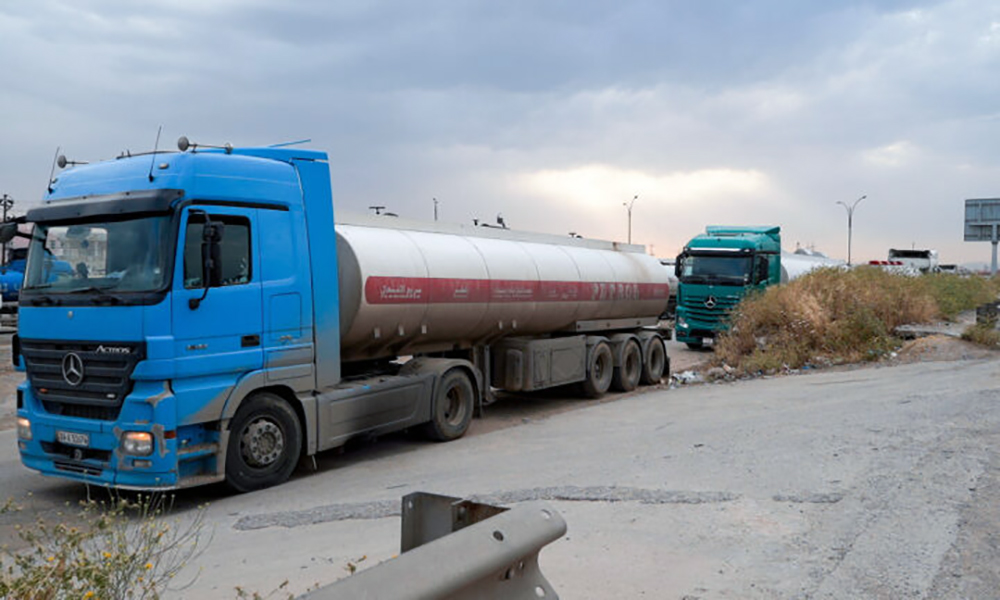
An Iraqi intelligence report obtained by Sky News Arabia has revealed alleged large-scale crude oil smuggling operations from northern Iraq into Iran, where the oil is reportedly refined and later sold in regional markets, including Afghanistan and Turkey.
According to the report, shipments of crude oil are transported through land routes and unofficial trade channels into Iranian territory, where they undergo refining and processing before being re-exported to foreign markets.
The intelligence findings suggest that the alleged network is designed to bypass international sanctions and facilitate the movement of petroleum products outside official trade and financial monitoring systems.
The report further indicates that smuggling networks rely on informal transportation routes and cross-border commercial channels to maintain the collection, processing and distribution of oil products while avoiding regulatory oversight.
The revelations have raised concerns over cross-border smuggling, the loss of national resources and the potential impact of illicit oil trade on regional economies.
Security and political observers say the reported activities could put additional pressure on Iraqi authorities to strengthen border controls, monitor oil transportation routes and improve coordination with regional and international partners.
However, the allegations outlined in the intelligence report have not been independently verified, and further details about the networks involved, the quantities of oil transported and the scale of supplies reaching Afghanistan and Turkey remain unclear.
The report highlights broader challenges facing regional authorities in combating illicit oil trade and enforcing international sanctions.
Business
$30 million pharmaceutical investment launched in Herat as new production line opens
Meanwhile, the newly inaugurated serum and injectable production line is capable of producing up to 100,000 packages of serum per day.
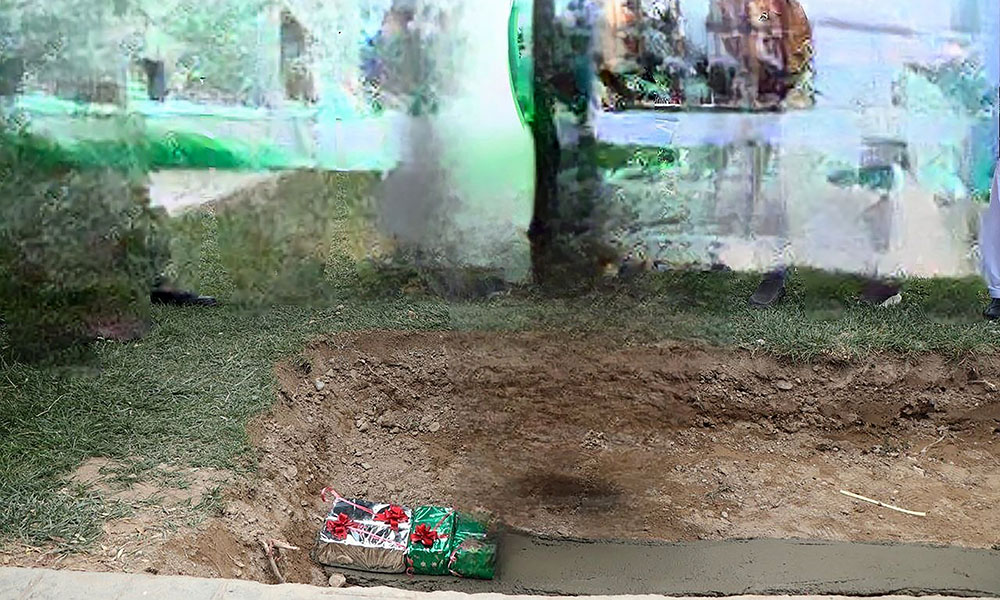
The foundation stone has been laid for three new pharmaceutical production blocks at Ovison Pharma in Herat, with an investment of $30 million, while the factory’s new serum and injectable production line has also been inaugurated.
The new production blocks will be constructed on a 3,000-square-metre site, with each facility planned to have five floors. Equipped with advanced machinery and designed to meet international standards, the expansion is expected to significantly increase the factory’s pharmaceutical production capacity.
Meanwhile, the newly inaugurated serum and injectable production line is capable of producing up to 100,000 packages of serum per day.
The expansion marks a significant step toward strengthening Afghanistan’s pharmaceutical industry, increasing domestic production and reducing the country’s reliance on imported medicines.
The investment is also expected to support the development of local manufacturing capacity and improve access to domestically produced pharmaceutical products.
Business
Afghanistan approves new foreign investment policy in bid to attract international investors
The decisions have been forwarded to the office of the Supreme Leader of the Islamic Emirate for final approval.
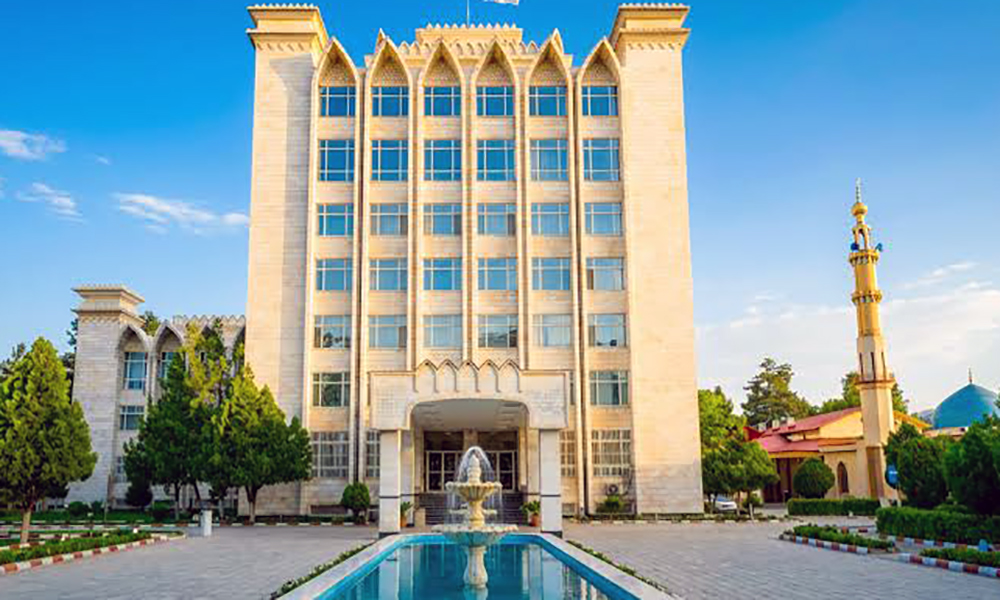
Afghanistan’s Economic Commission has approved a new foreign investment policy aimed at attracting international investors, improving investment opportunities and supporting the country’s economic growth.
The decision was made during the commission’s regular meeting, chaired by Mullah Abdul Ghani Baradar, Deputy Prime Minister for Economic Affairs, at the Marble Palace on Monday.
According to the Deputy Prime Minister’s Office for Economic Affairs, the proposed policy was presented by a committee established under the leadership of the economic deputy office. Following a comprehensive review and consideration of the commission’s recommendations, the policy was approved.
The policy aims to regulate foreign investment activities, facilitate investment procedures, create a favourable environment for investors, ensure investment security and promote Afghanistan’s economic growth and development.
During the meeting, the commission also approved a proposal concerning the payment of fixed taxes by commercial import companies at the country’s customs offices.
Officials said implementing the proposal would create additional facilities and simplify procedures for importing businesses.
The decisions have been forwarded to the office of the Supreme Leader of the Islamic Emirate for final approval.


Russian deputy prime minister to visit Kabul with high-level economic delegation
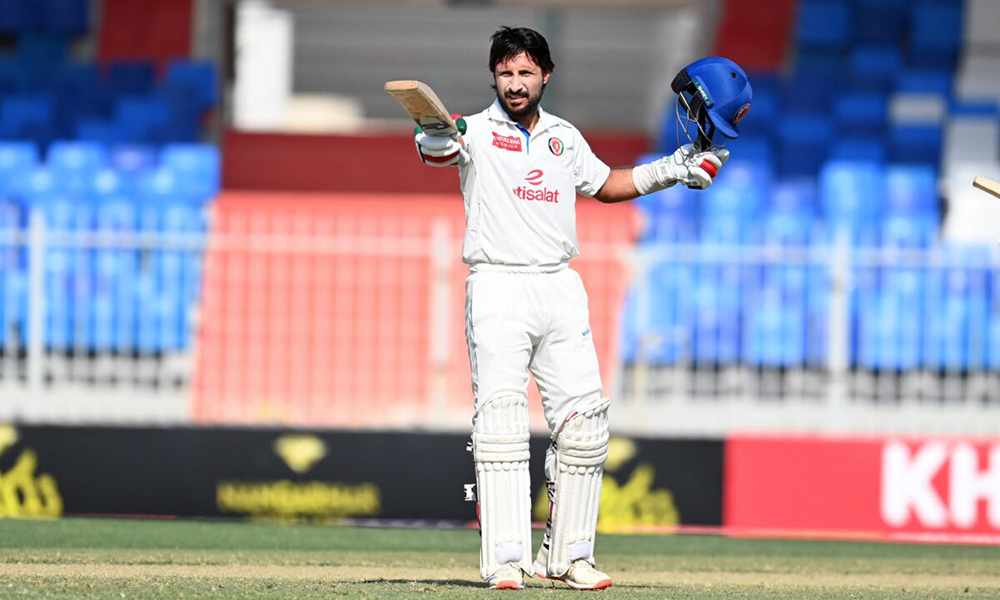
Historic first for Rahmat Shah after ICC rankings update
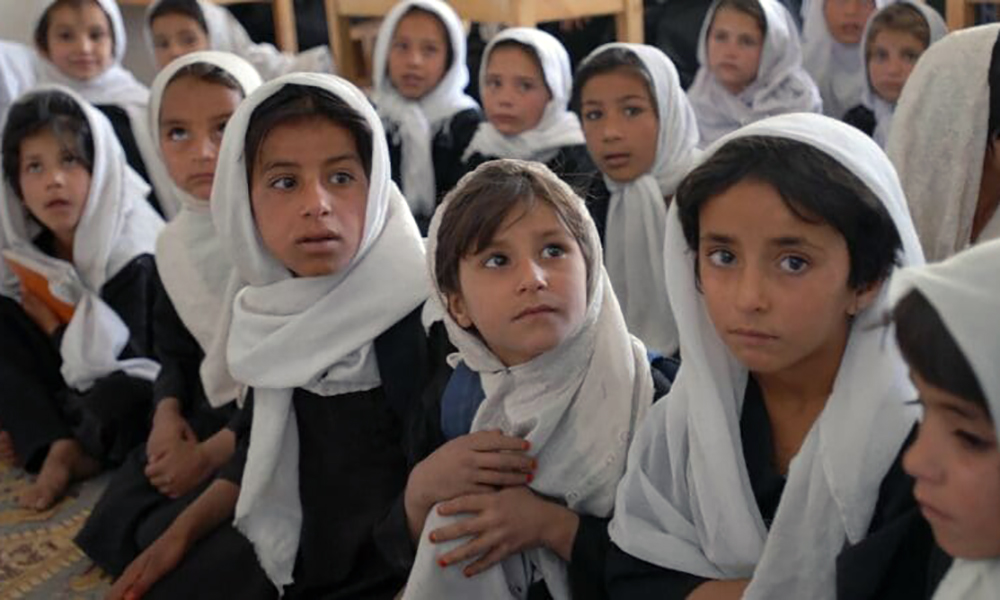
UNESCO warns Afghanistan risks losing an entire generation of professionals as girls’ education ban continues
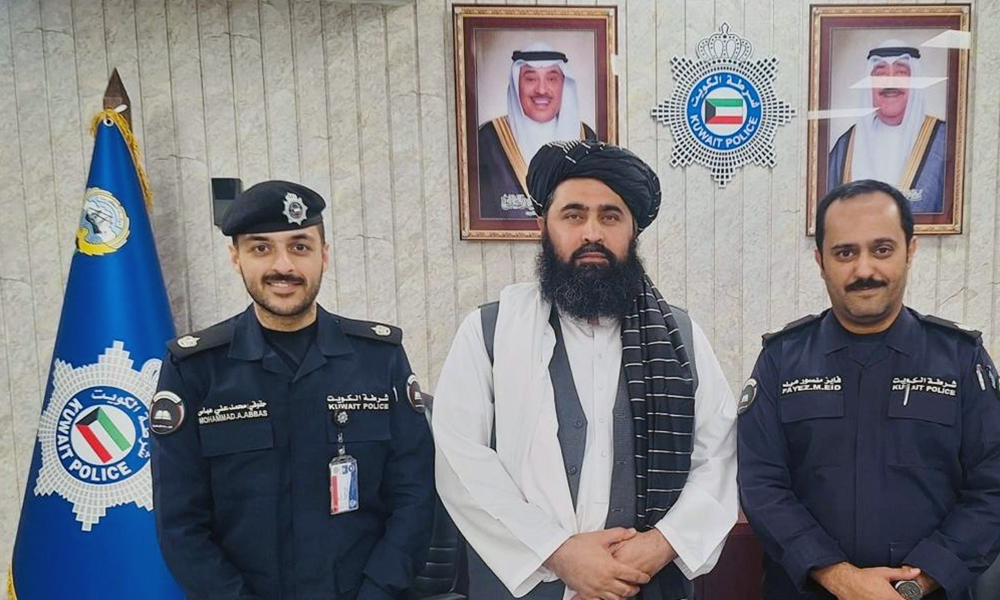
Afghan embassy in Kuwait discusses situation of Afghan prisoners with Kuwaiti officials
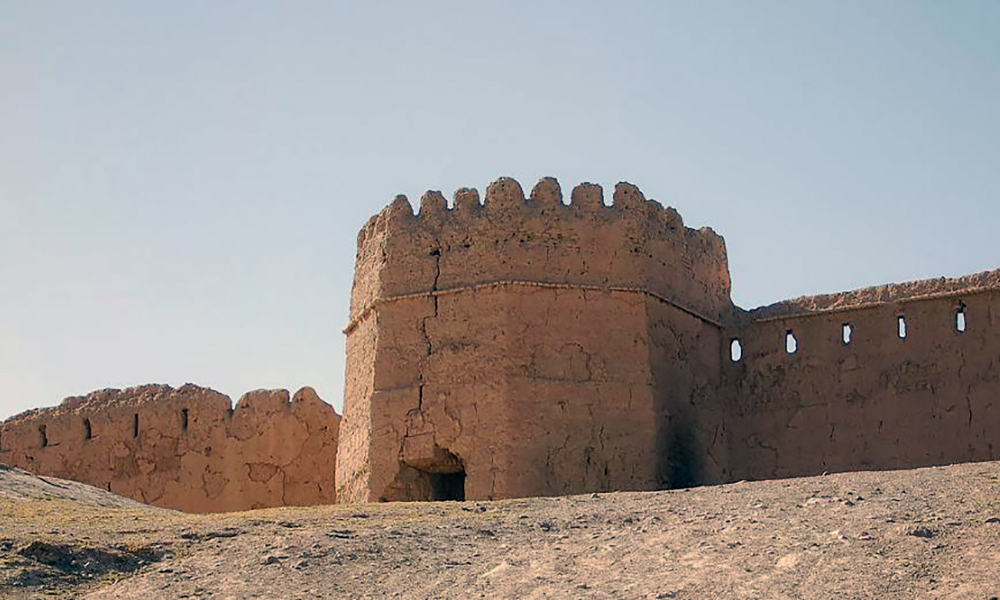
Ancient treasures unearthed at Kabul’s historic Bala Hissar

Afghanistan finish runners-up after 6-0 defeat to Brazil in futsal final

Trump says US may strike Iran’s ‘Pickaxe Mountain’ nuclear facility

Afghan futsal coach: Brazil tournament is first step towards new goals and World Cup

Violent protests spread across Europe as Albanian PM blames ‘foreign hand’

Rubio heads to Central Asia while other US officials hit foreign policy hot spots
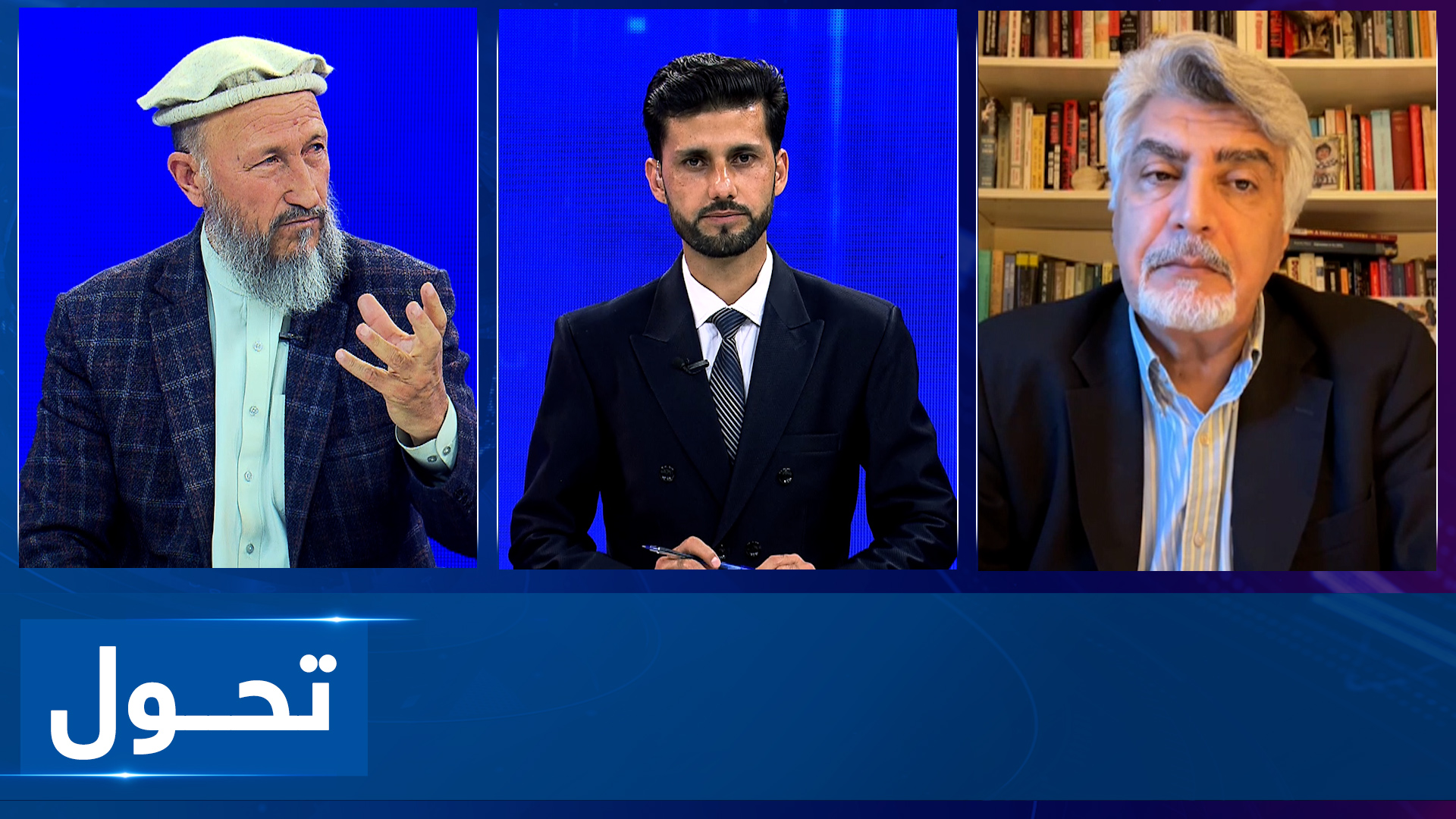
Tahawol: Efforts to halt deportation of Afghan refugees from US discussed
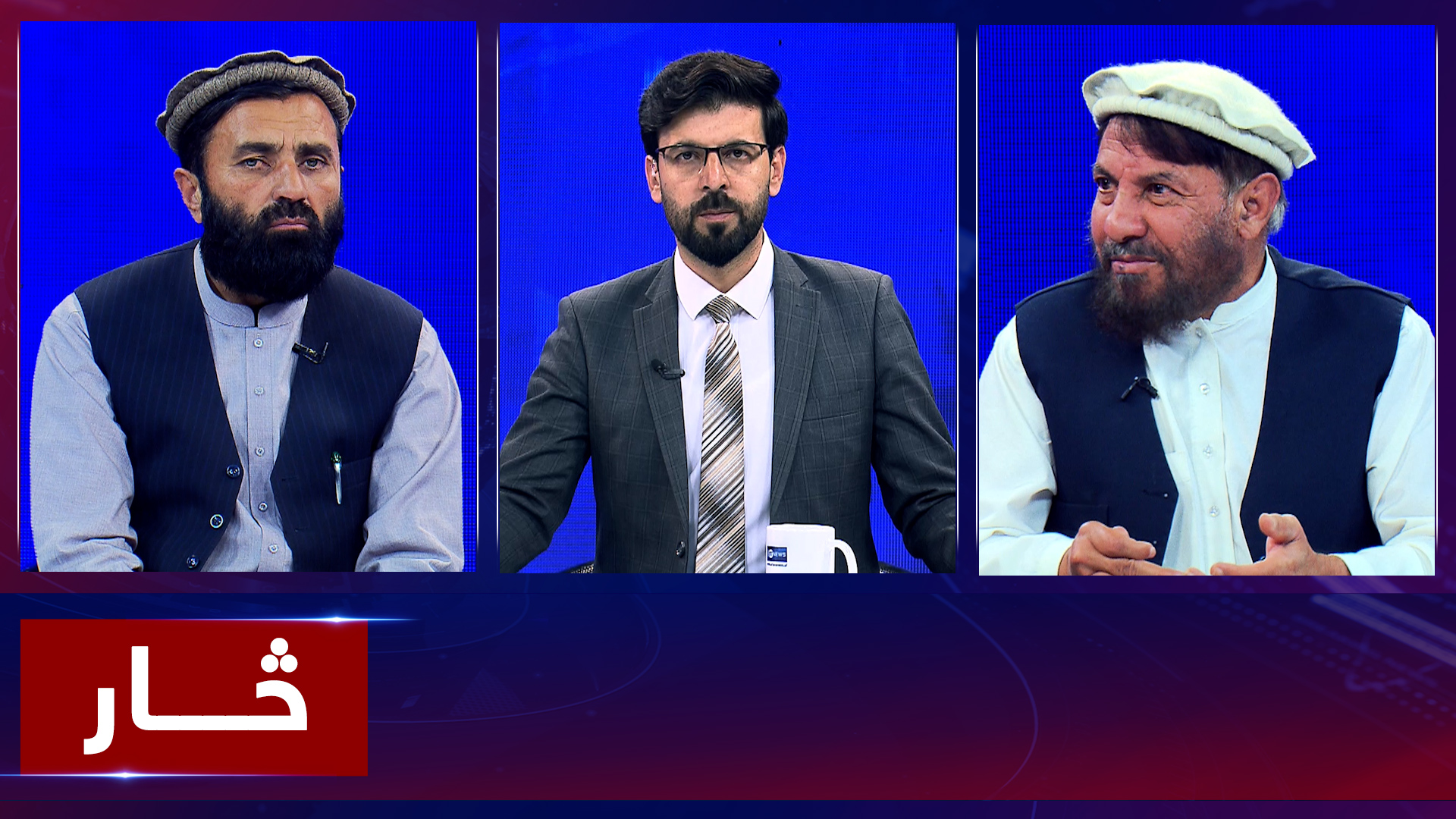
Saar: Russia’s stance on Afghanistan discussed

Trump says further US attacks on Iran ‘highly unlikely’ as peace talks gain momentum
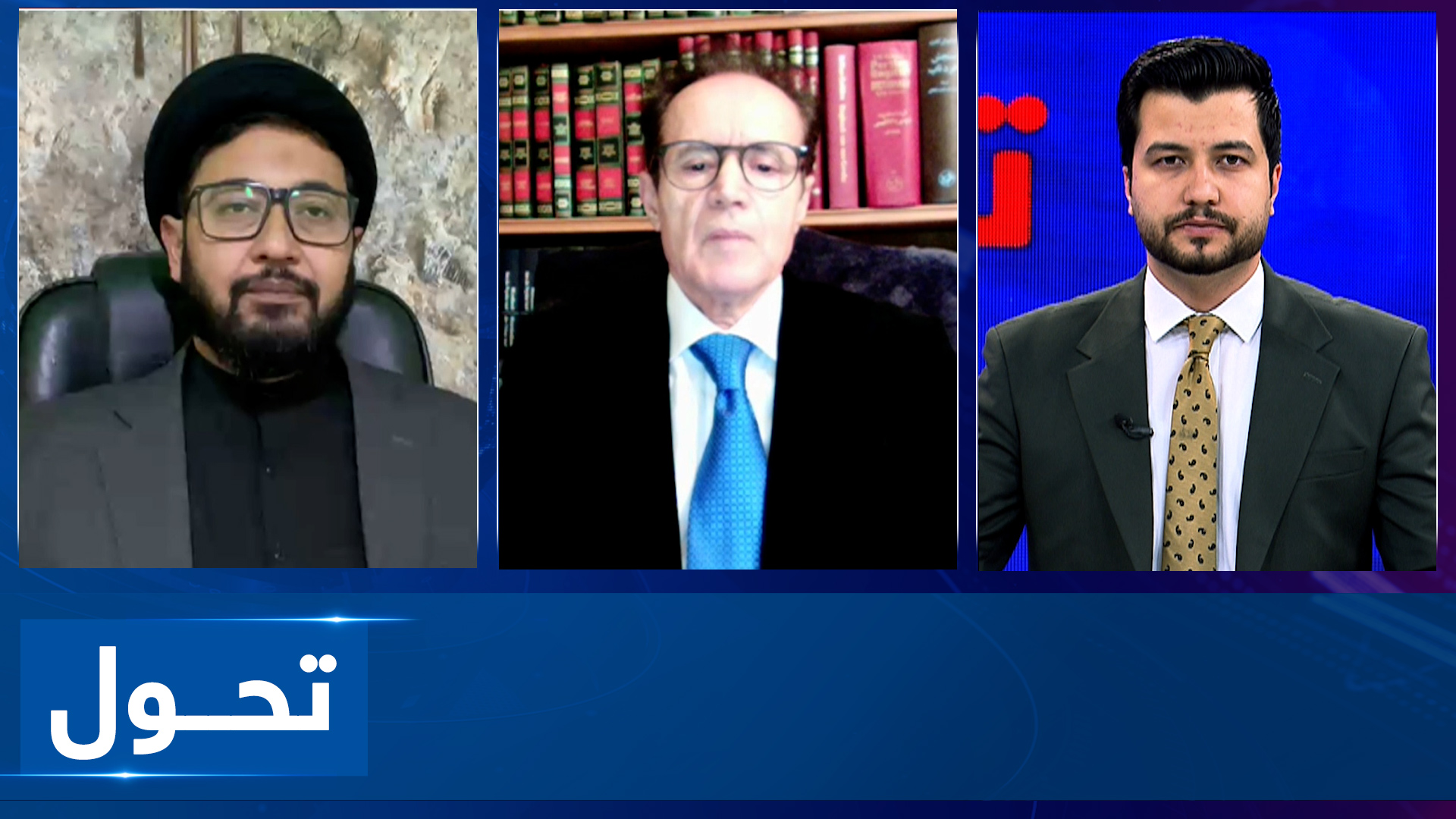
Tahawol: Geopolitical developments in the Middle East
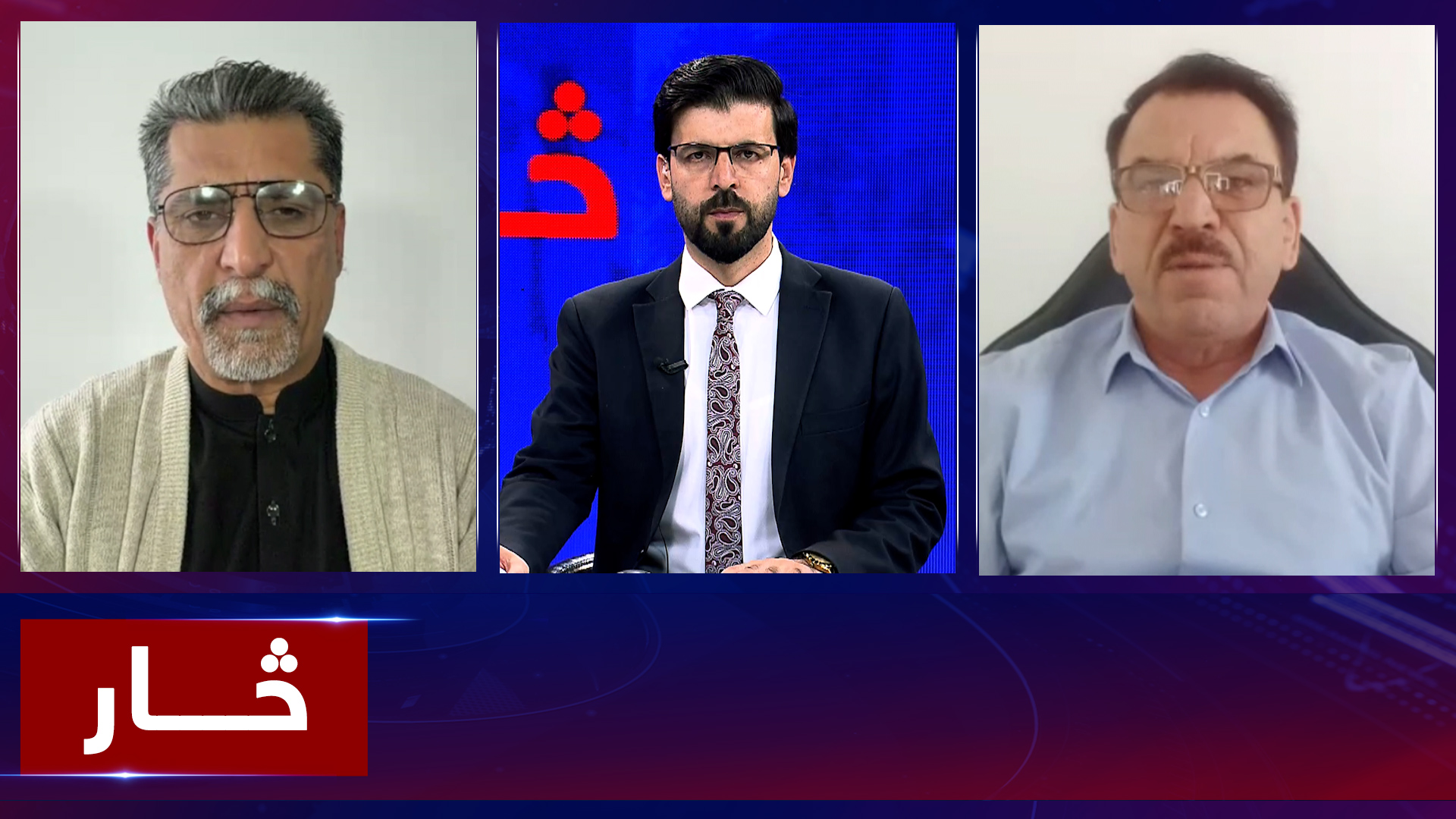
Saar: EU’s engagement with Afghanistan
-
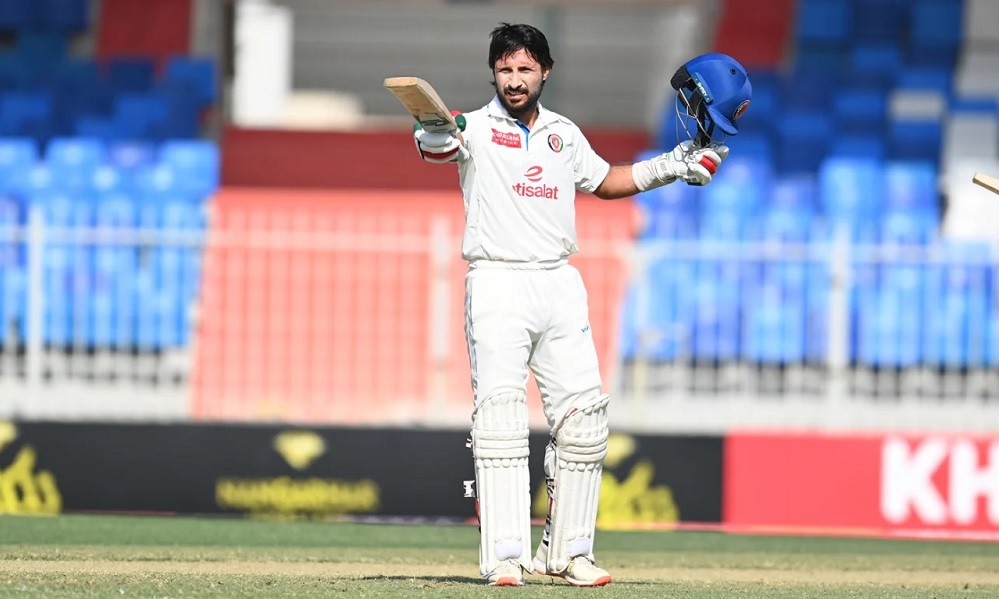 Sport3 days ago
Afghanistan’s record partnership highlights fourth day of Test against Zimbabwe
-
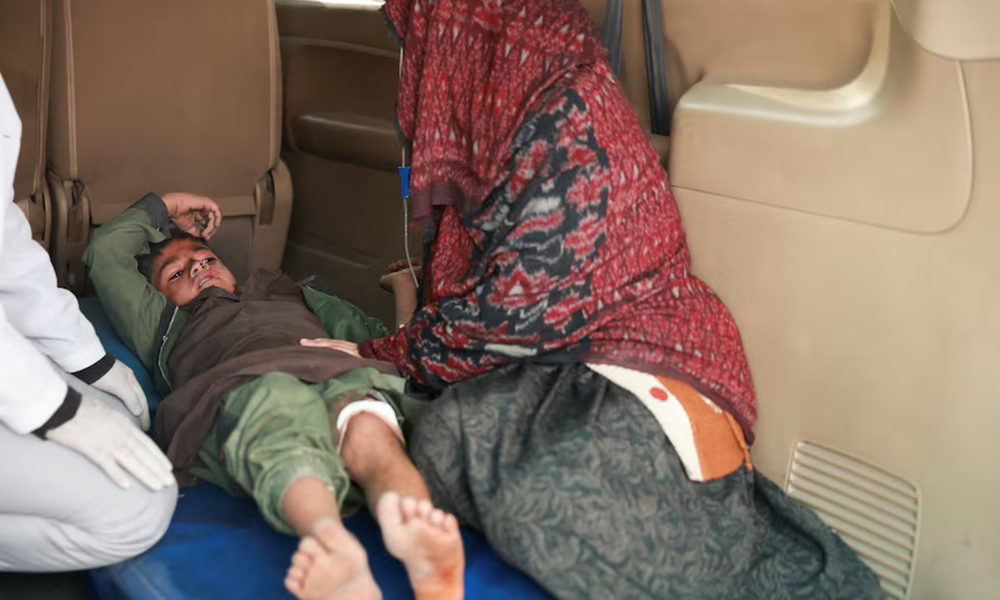 World3 days ago
Houthi-run health ministry says airstrikes kill 33 near Yemen capital
-
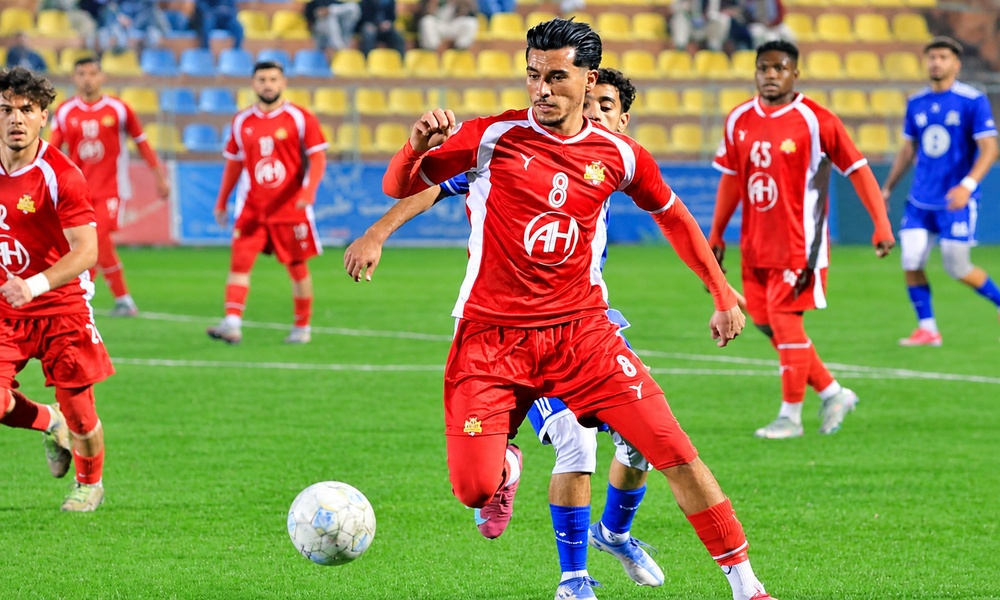 Sport5 days ago
Abu Muslim Farah claim convincing 3-0 win over Omar Zawak in ACL
-
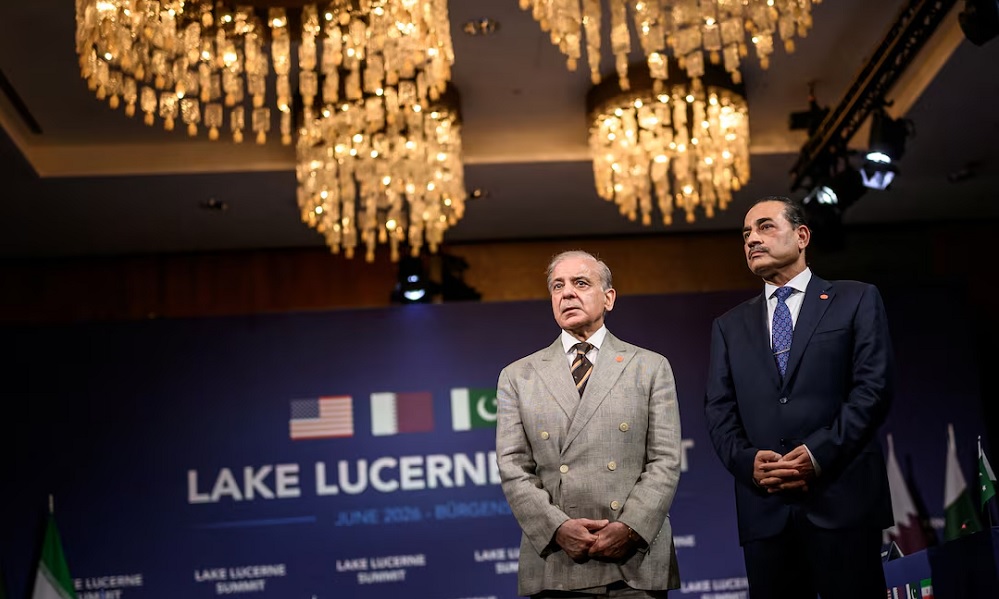 Regional4 days ago
Pakistan’s leaders dread US Democrats’ win but its households are praying for it
-
 Sport3 days ago
Afghanistan thrash Senegal 6-0 to reach Dakar Youth Olympics futsal semi-finals
-
 Sport4 days ago
Toofan Herat defeat Arman FC 2–0 in Afghanistan Champions League
-
 Sport2 days ago
Portugal beat Afghanistan 2-0 in Dakar Youth Olympics futsal semi-finals
-
 Business4 days ago
UK-Afghanistan trade falls 16.7% to £70 million over 12 months