
Latest News
Mujahid: Afghanistan will target perpetrators, not civilians
In an interview with Ariana News, Mujahid claimed that a specific military circle within Pakistan is behind the latest tensions.

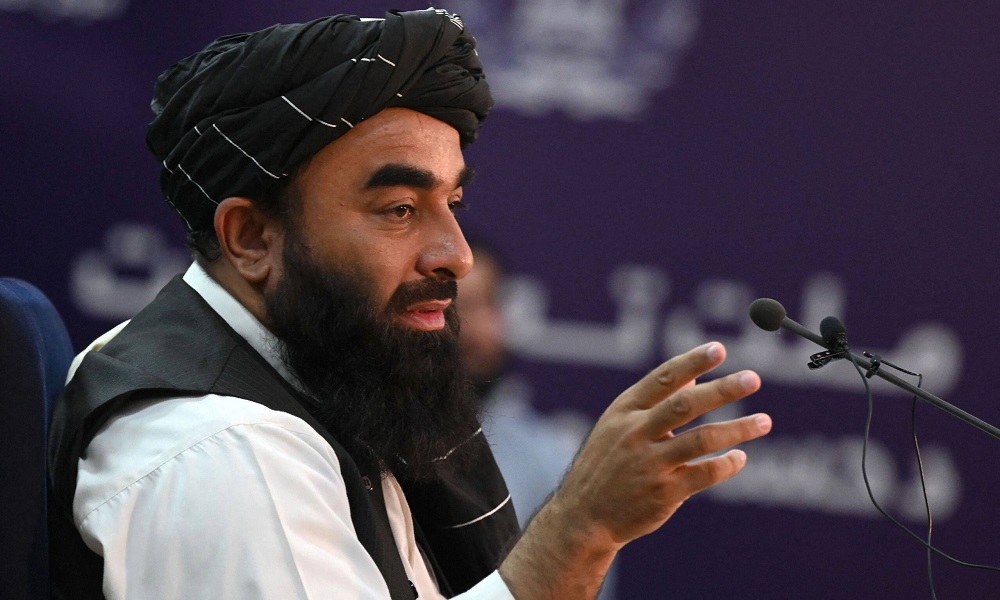
Zabihullah Mujahid, spokesman for the Islamic Emirate of Afghanistan, has warned that Pakistan’s recent actions will not go unanswered, stating that Afghan forces would target those directly responsible rather than civilians.
In an interview with Ariana News, Mujahid claimed that a specific military circle within Pakistan is behind the latest tensions.
He accused the group of acting on directives from external backers to carry out attacks and undermine relations between the two countries.
Mujahid emphasized that the Islamic Emirate distinguishes between civilians and those engaged in military operations, asserting that its response would be directed only at individuals responsible for what he described as crimes.
“We must make it clear that unlike Pakistan, we do not target civilians. Our target is the real criminals — Pakistani military personnel responsible for these acts,” he said.
This comes in the wake of airstrikes early Sunday morning on Nangarhar and Paktika provinces, which have sharply escalated tensions between Afghanistan and Pakistan.
Pakistani officials say the strikes targeted militant hideouts along the border, describing them as intelligence-based operations against armed groups accused of carrying out attacks inside Pakistan.
Islamabad has repeatedly blamed Tehrik-e-Taliban Pakistan (TTP) fighters for a surge in violence and has alleged that such groups operate from Afghan territory.
Afghan authorities, however, have condemned the strikes as a violation of the country’s sovereignty, reporting civilian casualties and damage to residential areas.
Officials in Kabul say the attacks have further strained already fragile relations between the two neighbors.
Cross-border tensions have flared repeatedly in recent years over security concerns, militant activity, and disputes along the disputed Durand Line. Diplomatic engagements and temporary de-escalation efforts have so far failed to produce a lasting solution, leaving the border region volatile and prone to renewed confrontation.

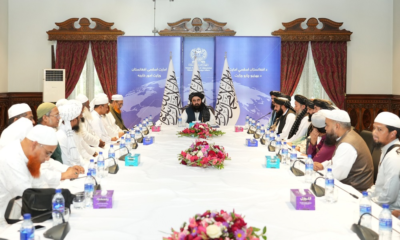


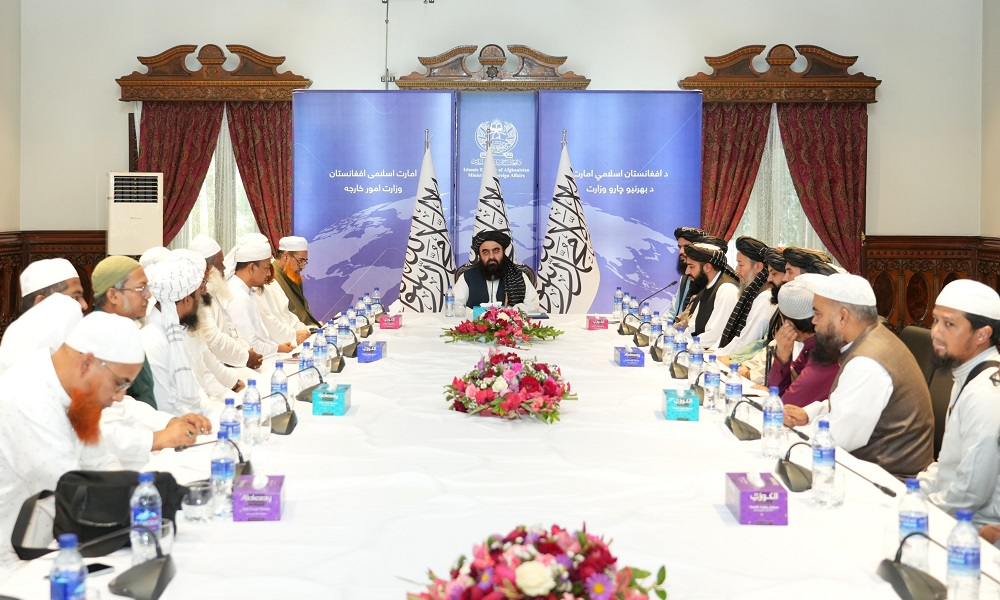
Amir Khan Muttaqi, Minister of Foreign Affairs of the Islamic Emirate, met on Wednesday with a delegation of Bangladeshi religious scholars, traders, and industrialists to discuss the expansion of relations and cooperation between the two countries.
The Ministry of Foreign Affairs said in a statement that during the meeting, Muttaqi emphasized the investment and trade opportunities available in Afghanistan and considered strengthening political, economic, and cultural engagement between the two countries essential in this regard.
According to the statement, the Bangladeshi delegation also expressed satisfaction with its visit to Afghanistan and the current situation in the country, and voiced optimism about the available investment and trade opportunities.
The members of the delegation said that relations between Afghanistan and Bangladesh could be further expanded through constructive engagement between the peoples and governments of the two countries.
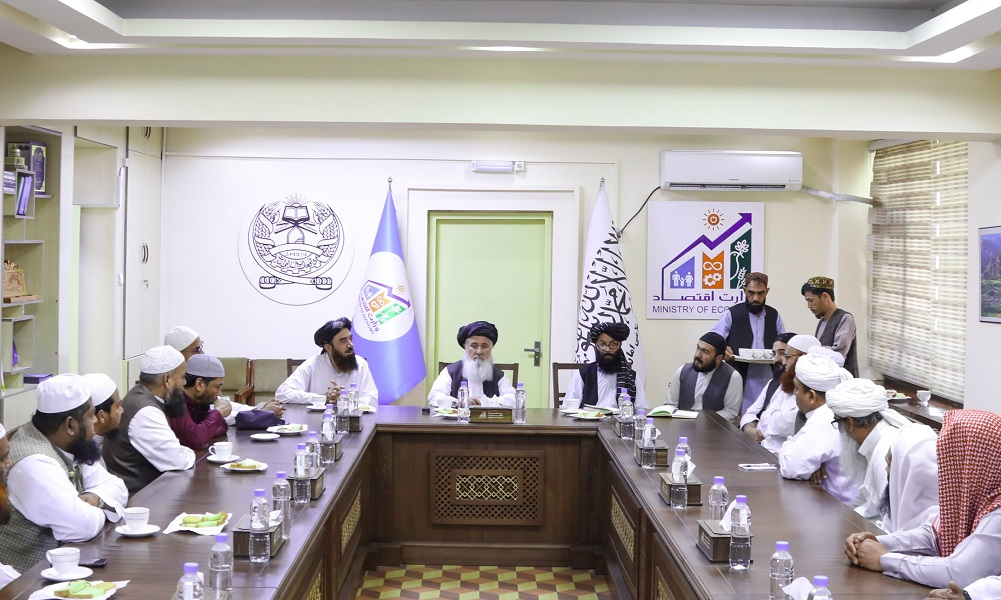
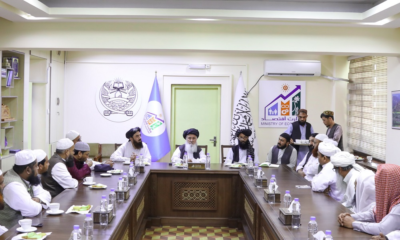
Afghanistan’s Economy Minister Din Mohammad Hanif on Wednesday met with a delegation of Bangladeshi scholars, traders, industrialists and investors to discuss expanding economic and trade relations between the two countries.
According to a statement from the Ministry of Economy, Hanif welcomed the Bangladeshi delegation during the meeting and highlighted investment opportunities in agriculture, mining, industry, energy, domestic production, transit and trade.
He said expanding economic ties with regional countries, increasing trade and attracting foreign investment are key priorities of Afghanistan’s economic policy.
Hanif added that stronger economic cooperation between Afghanistan and Bangladesh could help boost bilateral trade and investment, create jobs, increase domestic production and expand Afghanistan’s exports in the medium and long term.
Members of the Bangladeshi delegation expressed interest in expanding trade and investment with Afghanistan and shared proposals on potential areas of cooperation.
The two sides also called for stronger ties between the private sectors of both countries and greater direct engagement among traders, industrialists and investors to identify new areas of economic cooperation.


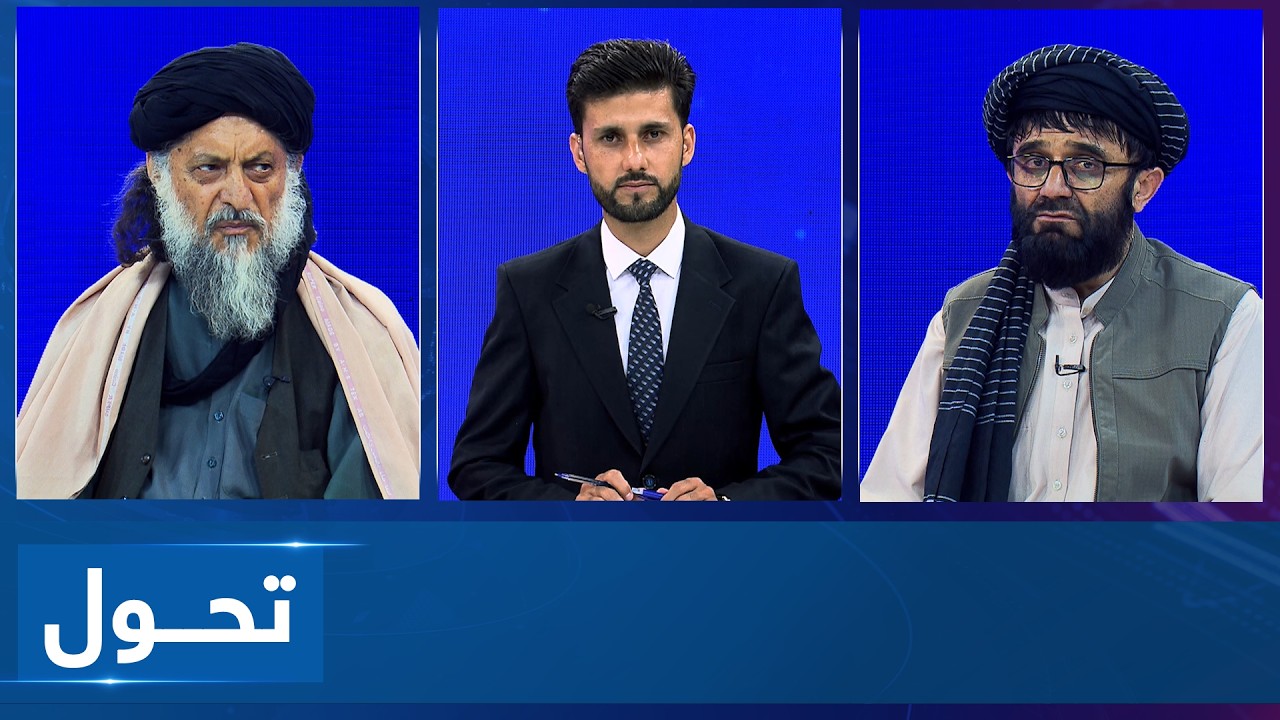
Tahawol: Importance of enjoining good and forbidding evil in society discussed

Saar: Pakistan’s decision to expel Afghan medical students discussed

Muttaqi and Bangladeshi delegation discuss expansion of bilateral ties

Afghanistan, Bangladesh discuss expanding economic ties

Russia says strengthening Tajik-Afghan border is security priority

Four mediators struggle to secure lasting Pakistan-Afghanistan ceasefire

HesabPay unveils new visa card and digital payment app in Kabul

AFC Champions League Elite draw nears as Al-Nassr seeded above Al-Hilal

Juma Khan Fateh surrenders to IEA forces in Badakhshan

Afghanistan’s trade diversification challenges Pakistan
Saar: Pakistan’s decision to expel Afghan medical students discussed

Tahawol: Victory of Germany’s far-right party in state election discussed

Saar: UN Human Rights Council meeting on Afghanistan reviewed

Tahawol: Possible future scenarios for Ukraine crisis

Saar: Afghanistan’s relations with international community
-
 Business3 days ago
Saudi energy group signs major Afghanistan deals covering gas exploration and pipeline plans
-
 Latest News3 days ago
Khalilzad: Afghanistan ready to attract major investment
-
 Latest News4 days ago
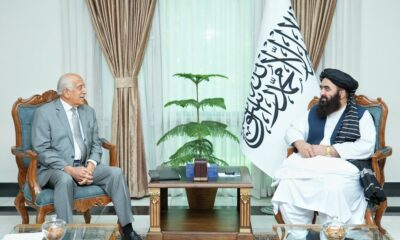
Muttaqi and Khalilzad discuss expanding Afghanistan-US relations
-
 Latest News5 days ago
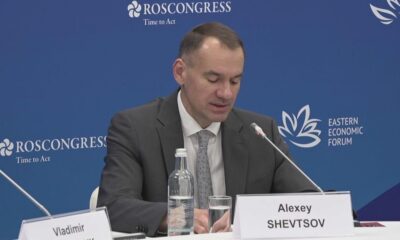
Russian official: West seeks military infrastructure in Central Asia, citing Afghanistan threat
-
 Latest News4 days ago
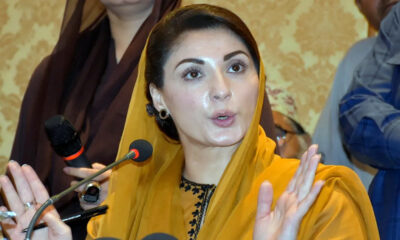
Maryam Nawaz says Punjab faces greater security threats from neighbouring provinces
-
 Regional4 days ago
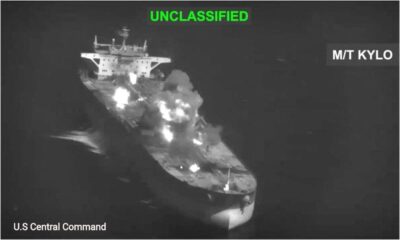
US and Iran exchange fire on vessels near Strait of Hormuz
-

 World5 days ago
World food prices at highest since 2022 as supply risks mount, FAO says
-
 Regional5 days ago
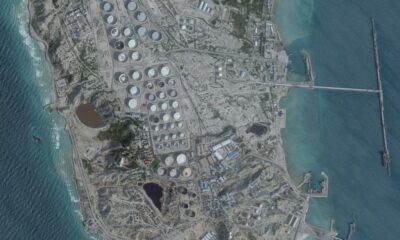
Iranian tanker hit by US attack near Iran’s Kharg Island, Tasnim says