
World
Myanmar quake death toll nears 700 as international aid starts to arrive

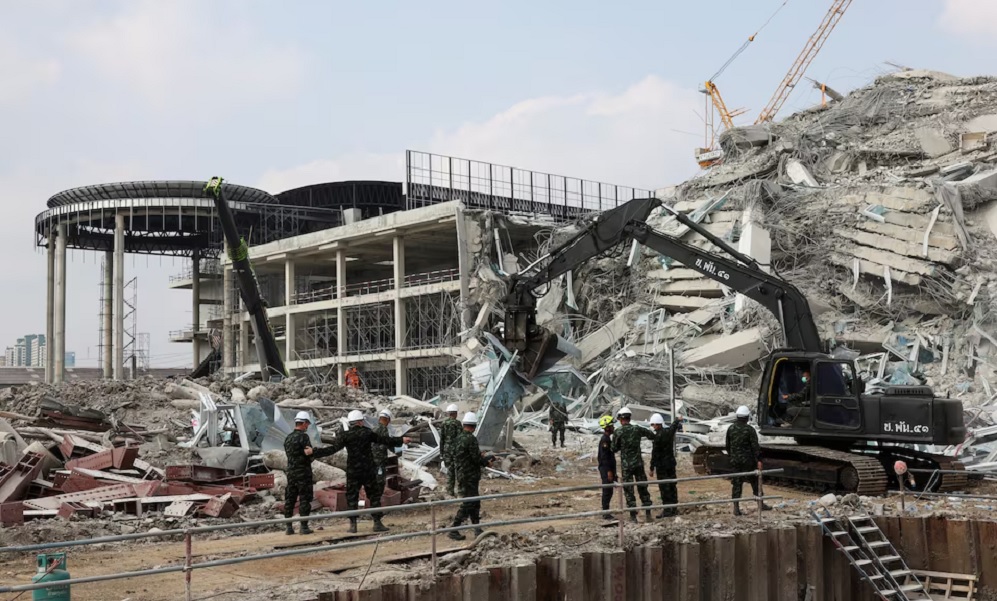
International aid began to arrive in Myanmar on Saturday as rescuers searched for survivors after a powerful earthquake devastated the Southeast Asian nation amid concerns the number killed would soar.
The death toll in Myanmar jumped to 694 with 1,670 injured, the military government said, up sharply from the 144 dead that state media reported on Friday, according to Reuters.
“Infrastructure such as roads, bridges, and buildings were affected, leading to casualties and injuries among civilians. Search and rescue operations are currently being carried out in the affected areas,” the junta said in a statement issued on state media.
The junta leader, General Min Aung Hlaing, had warned on Friday of more deaths and injuries as he invited “any country” to provide help and donations.
A Chinese rescue team arrived on Saturday while Russia and the U.S. offered aid in the disaster, which struck at lunchtime on Friday and damaged hundreds of buildings in neighbouring Thailand.
The United States Geological Service’s predictive modelling estimated the death toll could exceed 10,000 people in Myanmar, and that losses could be greater than the value of the country’s gross domestic product. Susan Hough, a scientist in the USGS’s Earthquake Hazards Program, told Reuters it was difficult to predict an earthquake’s death toll, for various reasons including timing. When an earthquake strikes during the daytime, as it did in Myanmar, “people are awake, they have their wits about them, they are better able to respond,” she said.
SEARCHING FOR WORKERS IN TOWER RUBBLE
Much of the devastation was in Myanmar’s second-largest city, Mandalay, close to the epicentre of the quake.
In the Thai capital Bangkok, 1,000 km (620 miles) from the epicentre a rescue mission was stepped up on Saturday to find construction workers trapped under the rubble of a collapsed 33-storey tower.
A 37-strong team from China landed in Yangon, Myanmar’s former capital, early on Saturday, carrying medicine and equipment to detect signs of life with them, the Chinese embassy said in a Facebook post.
Russia said it was sending 120 experienced rescuers as well as doctors and search dogs, state news agency TASS reported.
U.S. President Donald Trump said on Friday he had spoken with officials in Myanmar and that his administration would be providing some form of assistance.
Hough, who worked in Myanmar on the local seismology network, said the country’s mix of modern structures and traditional buildings would also play a role. Traditional buildings “are going to be less potentially deadly than concrete,” she said.
Thai authorities said nine people had died and 101 were missing in Bangkok, mostly labourers trapped in the rubble of the collapsed tower.
“We will do everything, we will not give up on saving lives, we will use all resources,” Bangkok Governor Chadchart Sittipunt said at the site on Saturday, as excavators moved debris and drones scoured the rubble searching for survivors.
The Thai capital ground to a halt on Friday and Chadchart said hundreds of people had spent the night in city parks, but he said the situation was improving.




World
Zelenskiy says letting Russia sell diesel to US is ‘investment in war’
“Gifts to Putin will not bring peace or any benefit to the civilised world,” Zelenskiy wrote on the X social media platform.
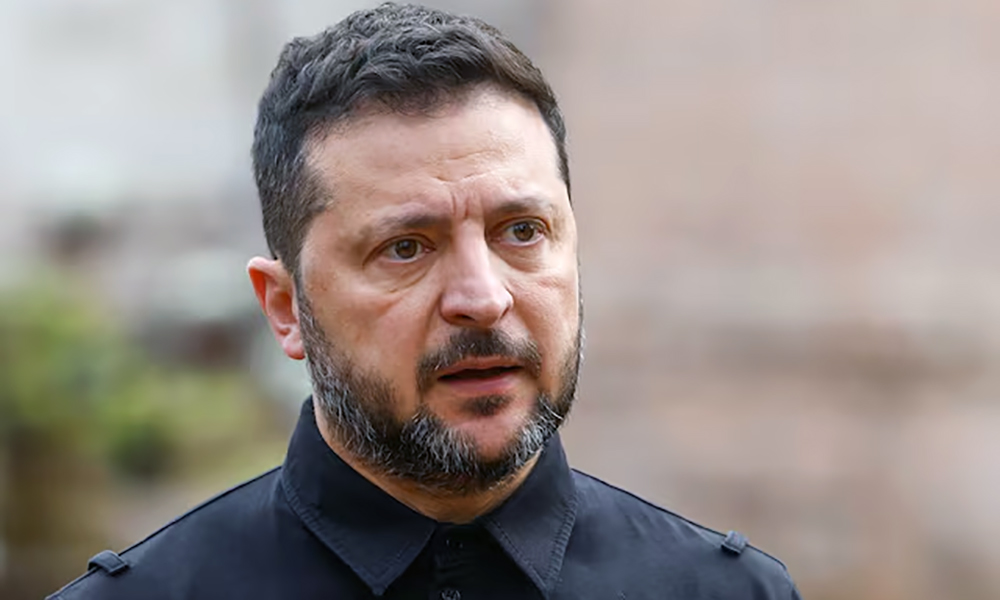
Ukrainian President Volodymyr Zelenskiy criticised an accord on Friday between the US and Russia allowing Moscow to provide the US with diesel, calling it “an investment in a war that must be ended.”
He dismissed the accord, which was announced while a Ukrainian delegation was in the US to discuss how to seek a resolution of the war with Russia, as “a weak decision on the part of strong partners”.
“Gifts to Putin will not bring peace or any benefit to the civilised world,” Zelenskiy wrote on the X social media platform.
“Russia will ‘repay’ the diesel with further terror and perfidy. Allowing Russia to sell petroleum products is an investment in a war that must be ended, not prolonged. What is needed is real de-escalation with Russia on a reciprocal basis,” Zelenskiy said.
Trump said in a post on social media that he had agreed in a call with Russian President Vladimir Putin that Russia would immediately supply diesel to the US and global marketplace. Trump said lower prices for Americans “is my Greatest Priority”.
Zelenskiy, speaking to reporters later on WhatsApp, said the accord would provide Moscow with additional funds to wage war and undermine any attempts to work towards a settlement.
“I believe our team is simply being used as a front. And that is certainly not fair, nor is it how partners should treat each other,” he said. “In my view, it is a weak decision on the part of strong partners.”
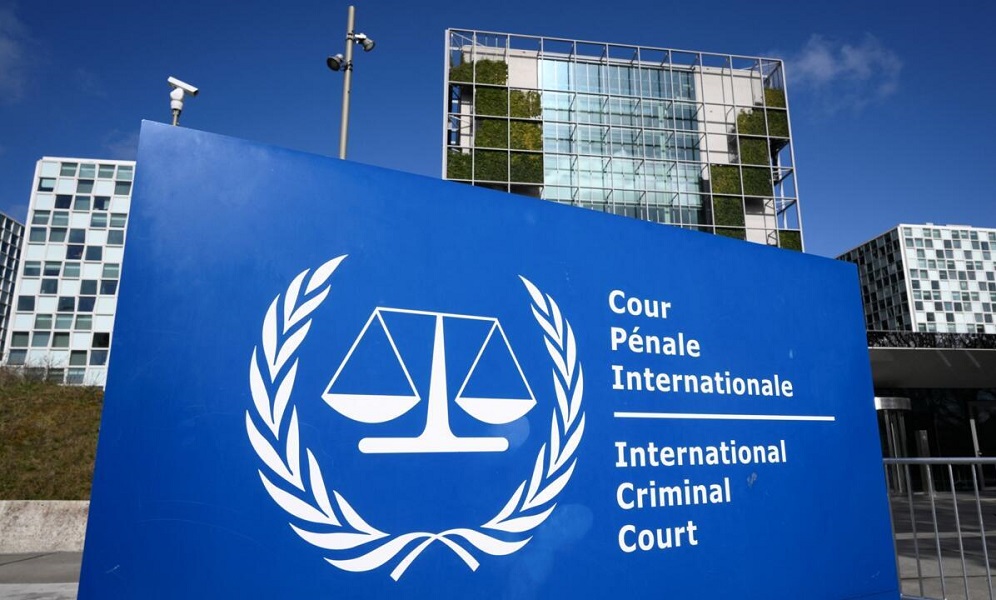
The administration of US President Donald Trump imposed sanctions on the International Criminal Court (ICC) on Friday, escalating tensions with the international judicial body and potentially straining relations with European allies.
US Secretary of State Marco Rubio said the measures aim to prevent the ICC from prosecuting American citizens and restrict the court’s resources and operations.
Washington has criticised the ICC over arrest warrants issued for Israeli Prime Minister Benjamin Netanyahu and other Israeli officials, as well as its past investigation into alleged crimes by US personnel in Afghanistan.
The ICC condemned the sanctions as an “assault on the rule of law” and vowed to continue its investigations and prosecutions. It also urged its 125 member states to defend the court’s independence.
The announcement came hours after former ICC judge Navi Pillay was awarded the Nobel Peace Prize, with the Nobel committee highlighting the importance of international justice amid political pressure on legal institutions.
The sanctions threaten to deepen the dispute between Washington and the ICC, raising concerns about international judicial cooperation and the court’s ability to carry out its work.
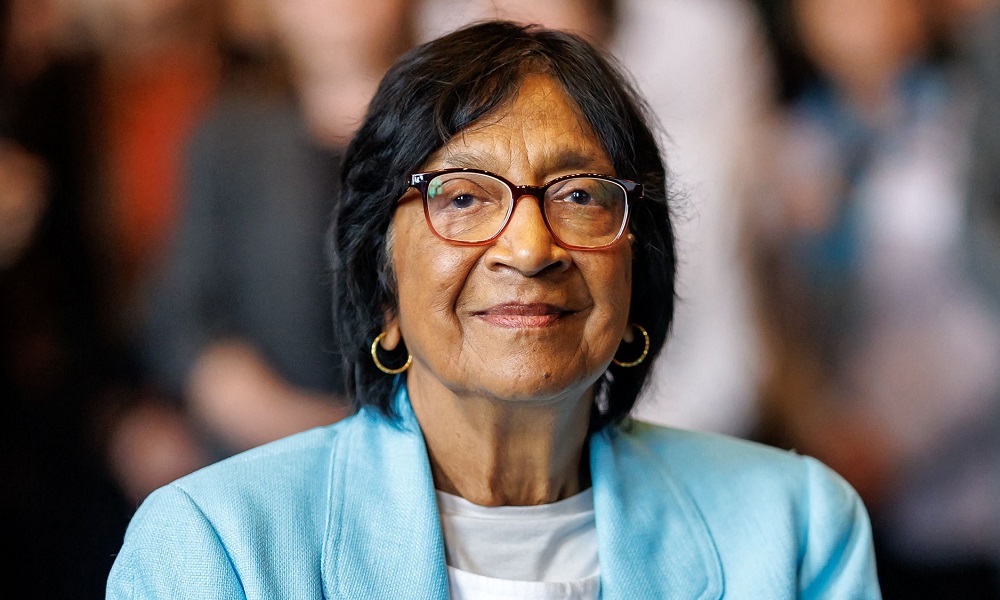
South African jurist Navi Pillay, a former judge at the International Criminal Court (ICC), won the 2026 Nobel Peace Prize on Friday for her efforts to promote peace and international law, as international justice institutions face growing political pressure.
The Nobel Committee announced the award hours before the United States imposed sanctions on the ICC, saying the recognition highlighted the importance of preserving an international order based on law and justice.
Pillay, 85, has served as a judge on several international courts, including the ICC and the International Criminal Tribunal for Rwanda. She also chaired a United Nations Commission of Inquiry on the Occupied Palestinian Territory, which concluded last year that Israel had committed genocide in Gaza. Israel rejected the report as “scandalous.”
The Nobel Committee warned that international law and its institutions were under significant pressure, cautioning that a shift towards power politics at the expense of legal frameworks threatened stability and peaceful coexistence.
The award comes amid escalating tensions between Washington and the ICC. US President Donald Trump has repeatedly criticised the court, particularly over its arrest warrants for Israeli Prime Minister Benjamin Netanyahu and his former defence minister.
Netanyahu’s office condemned the Nobel decision, accusing the committee of awarding its highest honour to someone it said had promoted allegations against Israel.
The award and the US sanctions have renewed international debate over the role of legal institutions in addressing alleged war crimes and protecting accountability under international law.


Energy and Water Minister heads to Saudi Arabia for World Energy Forum

Saar: Ongoing expulsion of Afghan refugees from Iran and Pakistan discussed

Afghanistan trail Bangladesh by 135 runs at stumps on Day Two

Afghanistan placed in Tier 3 in US human trafficking report

WHO calls for greater mental health support in Afghanistan

EU and FAO launch €5m programme to strengthen Afghanistan’s agrifood sector

Omar Zawak, Toofan Herat secure victories in Afghanistan Champions League

Houthi advance in Yemen puts U.S. in a new bind

Cricket Bonanza: Afghanistan set for packed international schedule

New warnings reignite debate over AI threat to humanity
Saar: Ongoing expulsion of Afghan refugees from Iran and Pakistan discussed

Tahawol: CSTO meeting on Afghanistan reviewed

Saar: Guterres’s talks with Pakistani officials on Afghanistan discussed

Tahawol: Consequences of US war in Afghanistan reviewed

Saar: Expulsion of Afghan refugees from Pakistan discussed
-

 Latest News5 days ago
Ariana Afghan Airlines ends 15-year control of ticketing and operational systems by Pakistani firm
-
 World5 days ago
▶️Saudi Arabia, Turkey, Pakistan activate Mecca defense pact
-
 Regional5 days ago
Yemeni government forces seize strategic strait from Houthis
-
 Latest News5 days ago
IEA rejects ICC arrest warrants, says Afghanistan does not recognize court
-
 Sport4 days ago
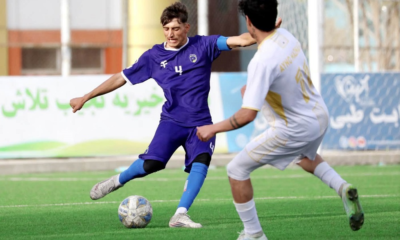
Aino Mina Kandahar defeat Istiqlal Kabul 3–2
-
 Health4 days ago
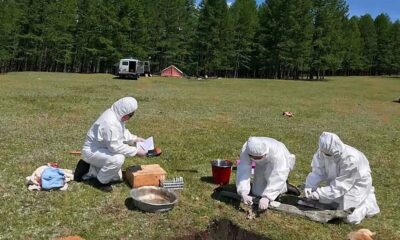
Russia investigates suspected pneumonic plague; Trump ready to ‘help’
-

 Latest News5 days ago
Thirty US states seek access to Afghan assets for 9/11 victims
-
 Latest News5 days ago
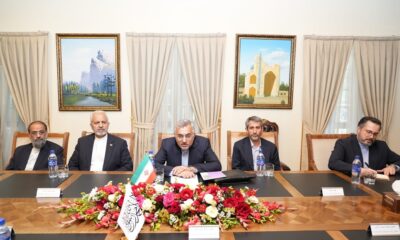
Iran offers cooperation on Herat-Mazar railway, mining and power generation