
Latest News
NATO chief says ‘no guarantee of success’ in Afghanistan peace process

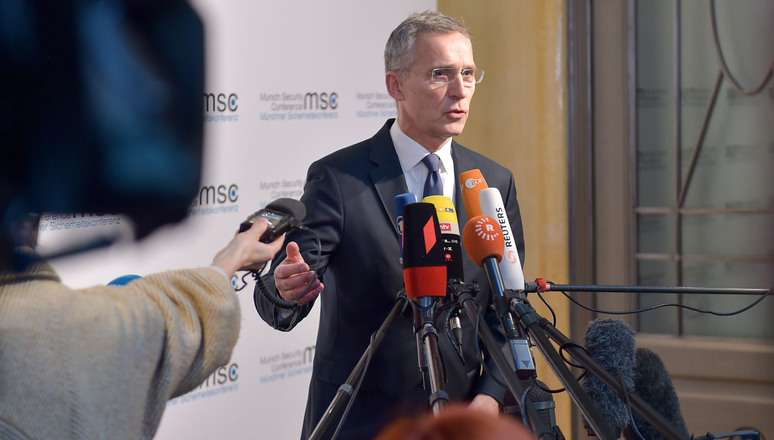
NATO Secretary General Jens Stoltenberg said this week there is no guarantee of success in Afghanistan but that the organization will meet with incoming US President Joe Biden’s team in February in order to make a decision on whether to stay in the country or withdraw all its troops.
In an interview with Germany’s dpa news agency, Stoltenberg said: “Whatever we decide, there is a risk. If we decide to leave, the risk is that we will lose the gains we have made in fighting international terrorism to prevent Afghanistan from becoming a safe haven.
“If we stay, of course there is the risk that we will see increased fighting, violence, and that we will remain engaged in a long-term military conflict in Afghanistan,” he said.
He stated that “it’s a fragile peace process” currently and that there is “no guarantee of success”.
“But the ongoing talks in Doha between the Afghan government and Taliban is the only path to peace, and NATO strongly supports those efforts.
“We will have another meeting in February with the new Biden administration and then make our decisions,” Stoltenberg said.
This comes amid what he described as a fragile peace process – intra-Afghan negotiations, which are set to resume in Doha, Qatar, on January 5.
However, in February the US signed an agreement with the Taliban agreeing to withdraw all its troops from Afghanistan by April next year.
Already the US is down to only about 4,000 troops, from 13,000 a year ago, and by mid-January only 2,500 will remain.
According to Military.com, NATO had about 11,000 troops in Afghanistan at the end of November – a figure that includes US troops.
The largest contingents from other nations include Germany, the United Kingdom and Italy. Each had roughly between 900 and 1,000 troops supporting the effort as of June.
Stoltenberg’s interview with dpa comes a month after he expressed concern about the US’s withdrawal plan, saying the Taliban had not kept its end of the deal and a hasty withdrawal of troops could make the country a haven for terror groups.
“As you know, the United States has announced that it will reduce its presence in Afghanistan. But the NATO mission will remain,” he said in November. “And we will continue to provide support to Afghan security forces,” he said at the time.




Latest News
Hanafi says war is not the solution, calls for regional cooperation and investment
Hanafi said the policy of the Islamic Emirate is based on peaceful coexistence with all countries, founded on mutual respect and non-interference in each other’s internal affairs.
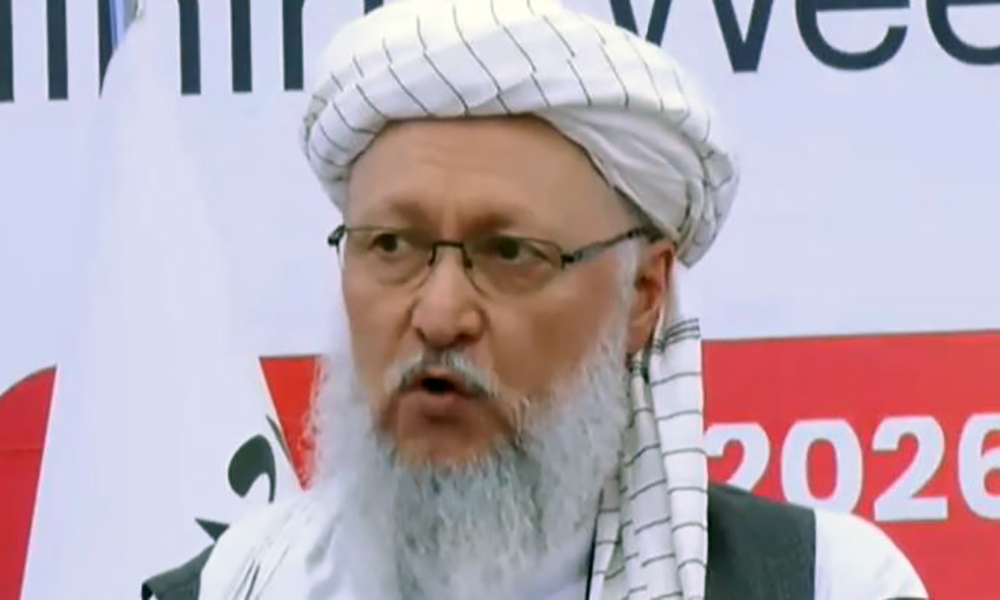
Abdul Salam Hanafi, Deputy Prime Minister for Administrative Affairs, said on Wednesday that no neighboring country can destroy another through conflict, stressing that war only brings losses for all sides and is not a solution to disputes in the 21st century.
Speaking at the opening ceremony of the fifth National and International Industry and Mines Week Exhibition in Kabul, Hanafi urged countries to channel their resources toward development and economic progress rather than conflict.
“If we fight each other, we will spend all our energy destroying one another. Why should we not use our energy in this century for the progress of our nations?” Hanafi said.
Referring to the lessons of the world wars, he said many countries that were once engaged in conflict have since concluded that war is ineffective and have instead embraced cooperation, reconstruction, and development.
Hanafi said the policy of the Islamic Emirate is based on peaceful coexistence with all countries, founded on mutual respect and non-interference in each other’s internal affairs.
He reiterated that, under the Islamic Emirate’s policy, no individual or group is permitted to use Afghan territory to threaten or launch attacks against other countries. Likewise, he said, no country has the right to interfere in Afghanistan’s domestic affairs.
Turning to the economy, Hanafi said the exhibition highlights the continued growth of Afghanistan’s industrial sector despite decades of conflict that have left the country economically vulnerable.
He said the Islamic Emirate is working to reduce the long-term effects of war by expanding trade and strengthening domestic production, with the goal of transforming Afghanistan from an import-dependent economy into an export-oriented one.
According to Hanafi, authorities have introduced around 25 incentives for industrialists across various sectors, including the allocation of industrial land, tax exemptions, and other measures aimed at encouraging investment and boosting production.
He also called on domestic and foreign investors to take advantage of investment opportunities in Afghanistan, particularly in the country’s mining sector and other key industries.
Latest News
Russia urges Pakistan and Afghanistan to resolve disputes through diplomacy
The United Nations reported on Monday that at least 28 people were killed in the incidents, although the Islamic Emirate of Afghanistan (IEA) has given higher casualty figures.
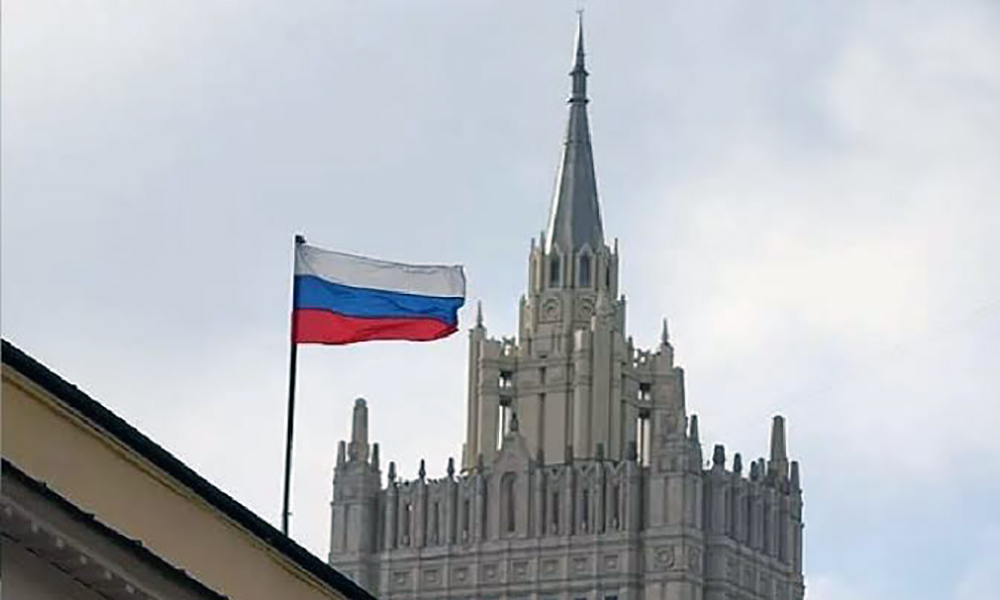
Russia has called on Pakistan and Afghanistan to settle their long-standing differences through dialogue and diplomatic engagement, following recent reports of cross-border violence.
In a statement issued on Tuesday, Russia’s Foreign Ministry referred to what it described as a “tragic episode” involving Pakistani airstrikes in border regions, which have further strained relations between the two neighbours.
The United Nations reported on Monday that at least 28 people were killed in the incidents, although the Islamic Emirate of Afghanistan (IEA) has given higher casualty figures.
“The Russian side urges Islamabad and Kabul to end the armed conflict and resolve disputed issues through political and diplomatic means,” Moscow said.
Tensions between the two countries have escalated amid mutual accusations. Pakistan alleges that Afghanistan is harbouring militants responsible for attacks inside its territory, while the IEA rejects the claim, arguing that militancy is an internal issue for Pakistan.
Moscow’s remarks add to growing international calls for restraint and renewed dialogue as violence along the border continues to raise regional concerns.
International Sports
Haaland fires Norway into World Cup Round of 16 with late winner
With Canada, Paraguay, Morocco, Brazil, Norway, France and Mexico already through, attention now turns to Wednesday’s Round of 32 fixtures.

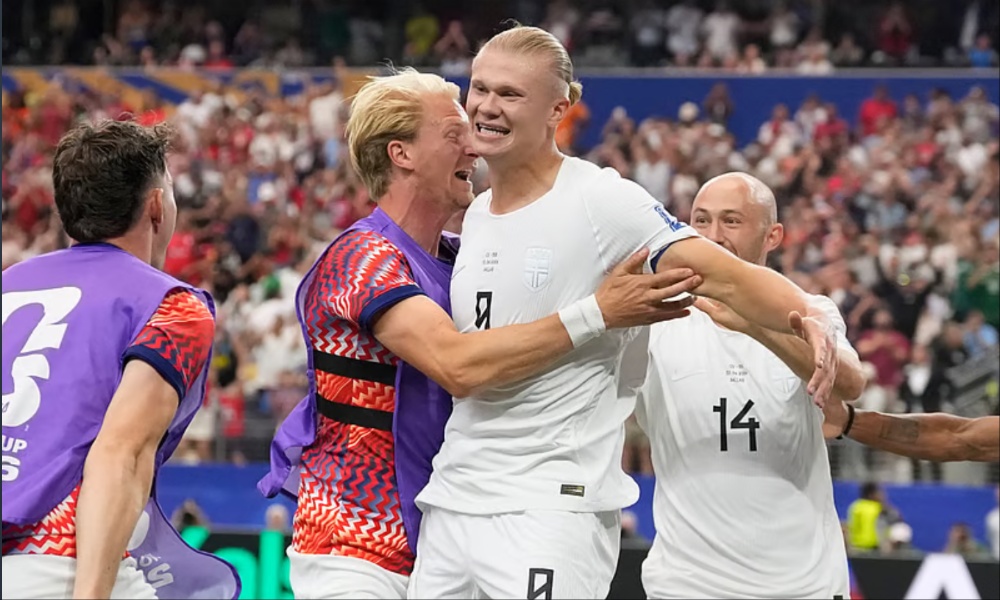
Erling Haaland scored a dramatic late winner as Norway defeated Ivory Coast 2-1 on Tuesday to book their place in the FIFA World Cup 2026 Round of 16, where they will face Brazil.
Haaland struck in the 86th minute to seal Norway’s victory at Dallas Stadium, taking his tally to five goals at the tournament after Antonio Nusa had given the Scandinavians the lead before Amad Diallo equalised for Ivory Coast.
 Ivory Coast made the brighter start, with Nicolas Pépé and Ghislain Konan both testing the Norwegian defence during an energetic opening spell. Yan Diomande also created an opportunity for Pépé, but the winger was unable to convert.
The victory sets up an intriguing Round of 16 clash with five-time world champions Brazil in New York on Sunday, while Ivory Coast exit the tournament after a spirited knockout performance.
France, and Mexico advance as World Cup Round of 16 takes shape
In two other Round of 32 matches, France and Mexico also secured places in the last 16 after impressive knockout victories.
France produced one of the standout performances of the tournament with a commanding 3-0 victory over Sweden at MetLife Stadium.
Kylian Mbappé starred with two goals, while Bradley Barcola also found the net as Les Bleus dominated from start to finish to book their place in the next round.
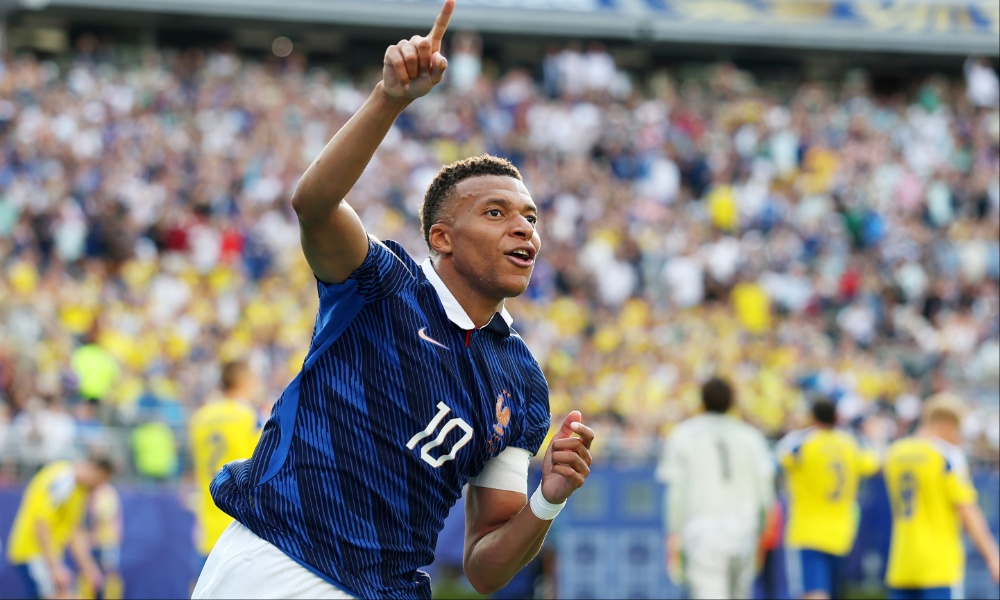
France will now face Paraguay, who stunned Germany on penalties a day earlier, in a highly anticipated Round of 16 clash.
Mexico also delighted home supporters with a 2-0 victory over Ecuador at Estadio Banorte in Mexico City to keep their World Cup dream alive.
The hosts controlled much of the contest and sealed their place in the Round of 16, where they will meet the winner of Wednesday’s clash between England and DR Congo.
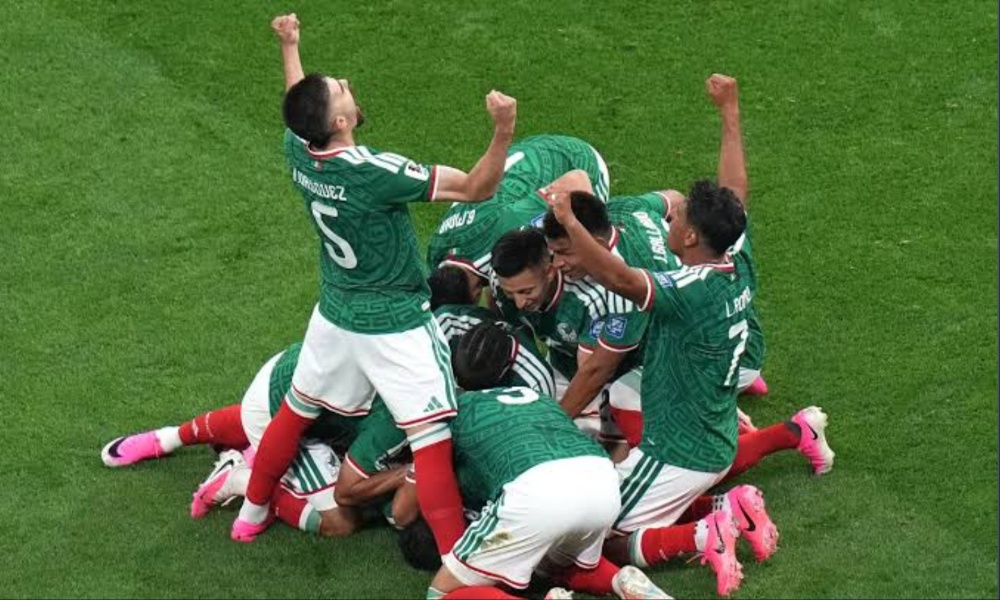
With Canada, Paraguay, Morocco, Brazil, Norway, France and Mexico already through, attention now turns to Wednesday’s Round of 32 fixtures. England face DR Congo, Belgium take on Senegal, and the United States meet Bosnia and Herzegovina as the race for the remaining places in the last 16 continues.
Fans across Afghanistan can tune in to Ariana Radio and Television Network (ATN) to watch the matches live and exclusively across the country. Viewers are also encouraged to follow Ariana Television and Ariana News’ social media pages for the latest schedules and updates.


Hanafi says war is not the solution, calls for regional cooperation and investment

Iran insists on keeping control over Hormuz, senior Iranian sources say

Russia urges Pakistan and Afghanistan to resolve disputes through diplomacy

Haaland fires Norway into World Cup Round of 16 with late winner

NRC warns of alarming global shortfall in humanitarian funding in 2026

Norway’s Viking-inspired World Cup team photo goes viral

TAPI project advances in Afghanistan as 84kms of pipeline laid

Afghanistan’s trade with Central Asia records sharp growth

Gaikwad set to replace injured Kohli for Afghanistan ODI Series

Iran banks hit by major cyber attack

Tahawol: Reactions to Pakistan’s attacks on Afghanistan discussed

Saar: Reaction to Pakistan’s airstrikes on Afghan soil discussed

Tahawol: Pakistan’s attacks on civilians in Afghanistan

Saar: Pakistani airstrikes on Afghanistan

Tahawol: Calls for diplomacy between Kabul, Islamabad
-
 Latest News5 days ago
TAPI project sees rapid progress in Afghanistan
-
 Business3 days ago
Afghanistan eyes direct Basmati rice imports from India amid tensions with Pakistan
-
 International Sports4 days ago
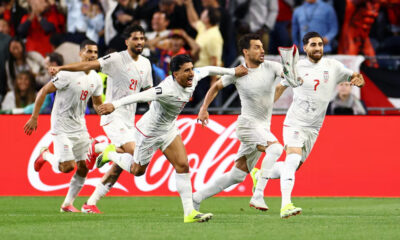
FIFA World Cup: Iran held by Egypt after controversial late goal Is disallowed
-
 Latest News4 days ago
Delawar says Afghanistan has achieved security and unity after 47 years
-
 Latest News4 days ago
EU announces major funding to support Afghan small businesses
-
 Latest News5 days ago
Ashura observed across Afghanistan with calls for unity and justice
-
 Latest News3 days ago
Afghan minister says ‘outsiders’ should not claim to support Afghanistan’s independence
-
 Sport3 days ago
Afghanistan, Uzbekistan set for friendly cricket clash in Khost