
Latest News
NDS chief tells senators Taliban behind 99 percent of attacks

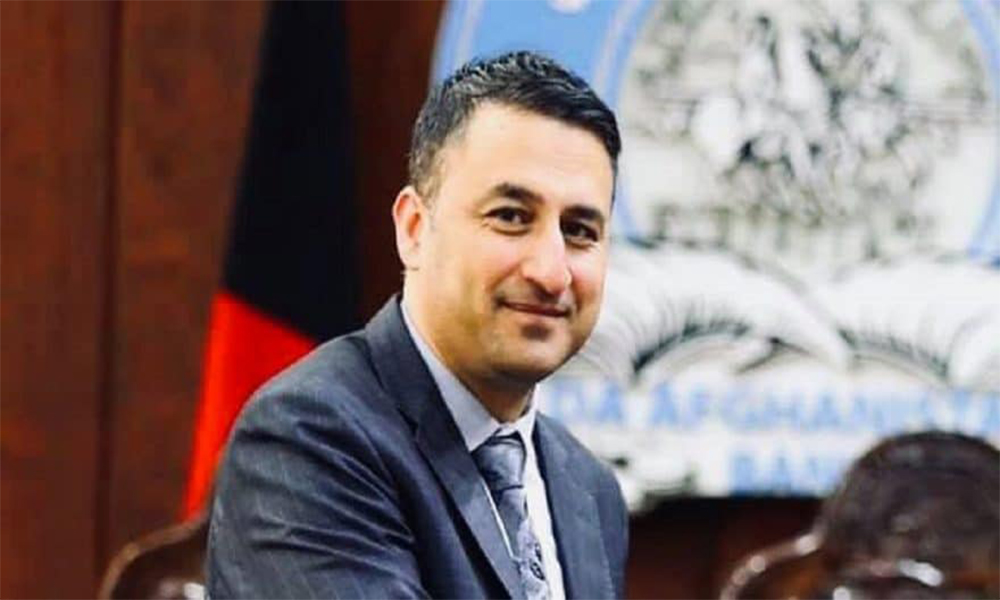
Ahmad Zia Siraj, head of the National Directorate of Security (NDS), told Afghanistan’s Meshrano Jirga (Upper House of Parliament) on Tuesday that Taliban are responsible for “99 percent of attacks in Afghanistan”.
This comes after senators summoned security officials to appear before them and answer questions on the security situation in the country.
According to Siraj, 18,200 attacks happened in Afghanistan in the past year. He said the Taliban were responsible for 99 percent of these attacks.
Siraj said the Taliban, especially its affiliated group Haqqani Network, are also behind the spate of targeted killings in the country.
On the issue of former slain journalist Yama Siawash, Siraj said that three suspects have been arrested in connection with the attack. He said however that investigations into the assassination are still ongoing.
Meanwhile, Massoud Andarabi, Interior Minister, said that the ministry will punish police personnel whose vehicles are targeted in magnetic IEDs.
He said the ministry will now shift the focus of the police services from “guarding doors to enforcing laws”.
Andarabi also said the Taliban had planned to overrun more areas in provinces but were prevented from doing so. As a result they turned their attention to targeted killings of individuals in Kabul.
Andarabi said the Taliban is also hoping to gain leverage with the peace process by putting pressure on government through tactics involving IED bombings and targeted killings in Kabul and other attack in provinces.
This comes amid a sharp increase in targeted attacks in the country, especially in Kabul, in recent weeks. Insurgents have singled out public figures including civil society activists, government figures and journalists in their assassination spree.
Despite numerous people having been killed in the past few months in targeted attacks, no group ever steps forward to claim responsibility for the attacks.



Latest News
UN agency warns funding crisis could leave 8.3 million people without aid
UNHCR expects the population under its mandate to reach 131.2 million by year end, up from 129.4 million at the end of last year.
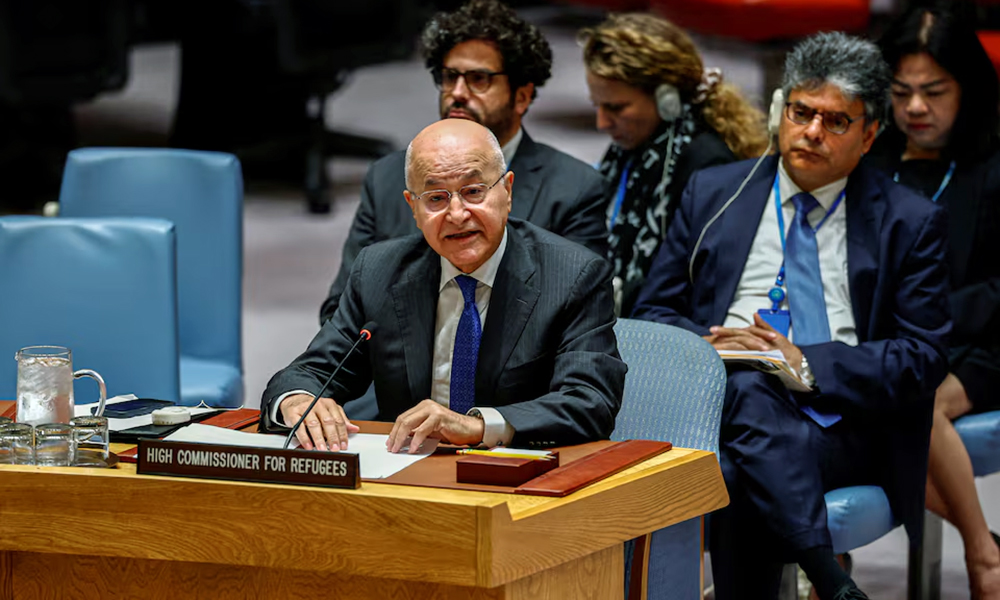
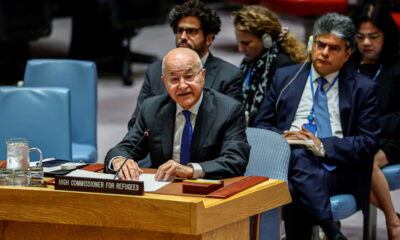
A deepening funding crisis could leave nearly 8.3 million refugees and forcibly displaced people without access to assistance this year, and push protection systems in some countries towards collapse, the United Nations refugee agency warned on Tuesday, Reuters reported.
UNHCR is facing one of its worst-ever funding crises following aid cuts by the United States and other countries. It faces a $5.789 billion funding gap, according to a new report by the agency, after money available to the agency fell 24% between 2024 and 2025.
As of July, UNHCR had received only 32% of the $8.505 billion it required in 2026, while the number of forcibly displaced and stateless people globally remains near record levels.
UNHCR expects the population under its mandate to reach 131.2 million by year end, up from 129.4 million at the end of last year.
“Below a certain threshold, the system doesn’t shrink, it fails,” the agency said in the 26-page report outlining the impact of budget cuts on refugee registration, child protection programmes and services for survivors of gender-based violence.
The report highlighted severe consequences in countries hosting large displaced populations. In Chad, where refugees have fled conflict in neighbouring Sudan, 319,000 people face registration delays while 200,000 women and girls could lose access to safe spaces and prevention programmes.
In Sudan — which the UN considers the world’s worst displacement crisis due to the civil war that entered its fourth year in April — about 140,000 refugees and asylum-seekers remained unregistered by mid-year after registration activities were suspended for the first five months of 2026.
In Afghanistan, UNHCR grants given to people returning to the country have been slashed from $375 to $170 per person, while the country has received over one million people this year alone, due to forced or voluntary returns from neighbouring countries including Iran and Pakistan, read the report.
UNHCR said that further cost-saving measures could not compensate for funding shortfalls, after having already cut its workforce by 33% in 2025, closed offices in 140 locations and discontinued operations in 15 countries compared with 2024.
The agency also said a growing share of donor funding is tightly earmarked, rising to 51% in 2026 from 19% five years earlier, limiting its ability to shift resources to the most urgent priorities.
UNHCR warned that reduced funding was gradually eroding the protection system, increasing the risk that refugees remain undocumented and that survivors of gender-based violence are left without the support they need.
Latest News
Khalilzad calls for end to Pakistan’s ‘double game’, urges new chapter with Afghanistan
“Playing this double game must stop,” Khalilzad wrote, adding that it was time for Afghanistan and Pakistan to “turn a new page.”
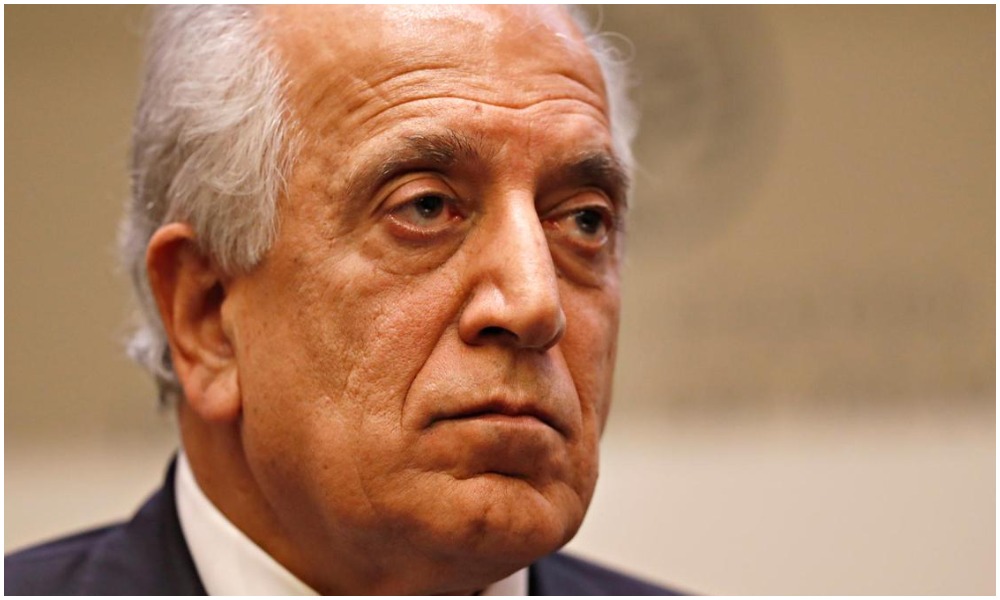
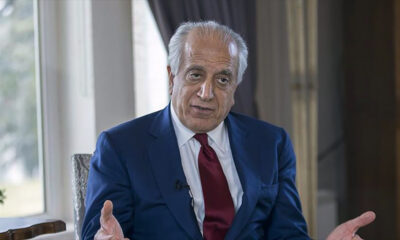
Former U.S. Special Representative for Afghanistan Reconciliation Zalmay Khalilzad has called for an end to what he described as Pakistan’s “double game” over its alleged support for militant groups operating in Afghanistan, urging the two neighbouring countries to open a new chapter in their relations.
In a post on X, Khalilzad said he believed the past 30 years had demonstrated a significant gap between Pakistan’s public statements and its actions regarding armed groups involved in fighting in Afghanistan.
Referring to the period of the U.S. military presence in Afghanistan, Khalilzad alleged that Pakistan provided sanctuary and support to militants fighting U.S. and Afghan forces while publicly denying doing so.
“Playing this double game must stop,” Khalilzad wrote, adding that it was time for Afghanistan and Pakistan to “turn a new page.”
He called for greater economic cooperation and development between the two countries and said they should agree not to allow their respective territories to be used to threaten each other’s security.
Khalilzad’s comments come amid renewed tensions between Kabul and Islamabad over cross-border militancy and security allegations.
Pakistan has repeatedly accused the Islamic Emirate of Afghanistan of allowing Tehreek-e-Taliban Pakistan (TTP) and other militant groups to operate from Afghan territory. Kabul has denied providing sanctuary to groups planning attacks against Pakistan.
The dispute has increasingly spilled into military confrontation. Pakistan carried out airstrikes in Afghanistan on September 21, saying it had targeted militant positions, while Afghan officials and the United Nations said three civilians, including a woman and a girl, were killed. Pakistan said the strikes killed 28 militants.
Islamabad has also continued to accuse Kabul of failing to prevent attacks originating from Afghan territory. Pakistani authorities have said their military actions are carried out in response to security threats and in self-defence.
Pakistan, meanwhile, has rejected recent Afghan allegations that its security forces or intelligence agencies were involved in violence in Afghanistan’s Nuristan province, calling the claims baseless.
Against this backdrop, Khalilzad said improved relations should focus on economic cooperation, development and mutual security guarantees, with neither country allowing its territory to be used against the other.
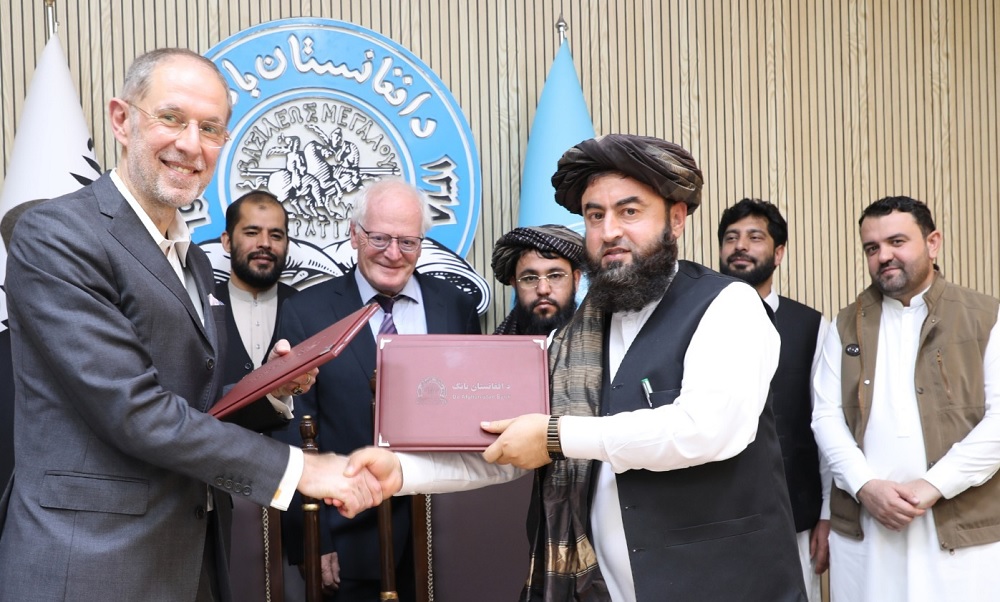
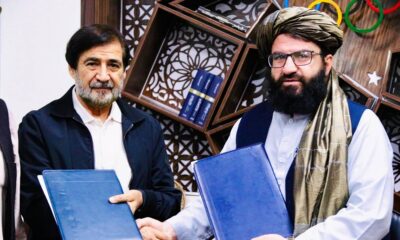
Da Afghanistan Bank (DAB) and the Afghan Credit Guarantee Foundation (ACGF) have signed a cooperationmemorandum of understanding (MoU) aimed at strengthening the financial sector and expanding access to financial resources for small, medium and large businesses.
The agreement was signed during a ceremony at the DAB Supreme Council Hall, where DAB First Deputy Governor Sediqullah Khalid said such agreements create opportunities to provide suitable and diverse Islamic financial services to citizens and expand access to financing for small and medium-sized enterprises.
Khalid said that under the agreement, banks and financial institutions will initially receive technical and professional support. He added that five banks and one microfinance institution will receive grants worth around $1 million in the first phase to support financing for small and medium-sized businesses.
He said other banks and financial institutions that meet the required criteria would benefit from the grants and related facilities in later phases.
Khalid also said that attention would be given to facilitating the creation and financing of small businesses for Afghans returning from other countries.
Under the agreement, the two sides will cooperate on strengthening the financial sector, expanding access to financial resources for businesses, promoting Islamic financial services and building the capacity of financial institutions.
Technical and professional assistance, training programs and capacity-building opportunities will also be provided to banking and non-banking financial institutions.
Roger Thomas Piltzer, chairman of the ACGF Board of Trustees, also welcomed the agreement and stressed the importance of continuing and expanding cooperation with Da Afghanistan Bank.
The agreement aims to establish a framework for cooperation between the two sides to strengthen Afghanistan’s financial sector, expand access to Islamic financial services and provide financial resources for small and medium-sized businesses.


UN agency warns funding crisis could leave 8.3 million people without aid

US, Iran separately talk with mediators in latest bid to end war

Sarsabz Yashlar edge Arman FC 1-0 in Afghanistan Champions League

Kunduz football ground to be built with FIFA funding

ACL: Sorkh Poshan Khafi maintain perfect record with 1-0 win over Ariana Khost

Saudi energy group signs major Afghanistan deals covering gas exploration and pipeline plans

Trump floats idea of renaming Atlantic or Pacific Ocean

Nepal flood rescue mission enters critical phase as thousands remain missing

Iranian clubs to face Gulf opponents at neutral venues in Asian Champions League Elite

Khalilzad: Afghanistan ready to attract major investment

Saar: Afghanistan’s image at UNGA

Saar: Concerns over Pakistan’s political crisis discussed

Exclusive interview with Abdul Latif Mansoor, Minister of MRRD

Tawsia: Overview of Afghanistan’s iron mines

Tahawol: Discussion on fresh Pakistani airstrikes on Afghanistan
-

 Sport5 days ago
Afghanistan open Asian Games cricket campaign with win over Japan
-
 World5 days ago
Trump welcomes Chinese President Xi as US-China summit gets underway
-

 Sport2 days ago
Afghan bodybuilder Ali Bilal finishes runner-up at Mr Olympia for third straight year
-

 Latest News2 days ago
Afghanistan says 28 killed, 32 captured in Nuristan operation
-
 World2 days ago
Trump rejects Iranian proposal to open Hormuz and end fighting
-
 Sport3 days ago
Afghanistan to face India in Asian Games cricket quarter-final
-
 Latest News5 days ago
Khalilzad warns Pakistan-Afghanistan tensions likely to worsen after fresh airstrikes
-

 Sport4 days ago
Afghanistan Champions League: Arman FC and Aino Mina play out goalless draw