
Latest News
Opium farming in Afghanistan shrank by a fifth in 2025, UN survey finds

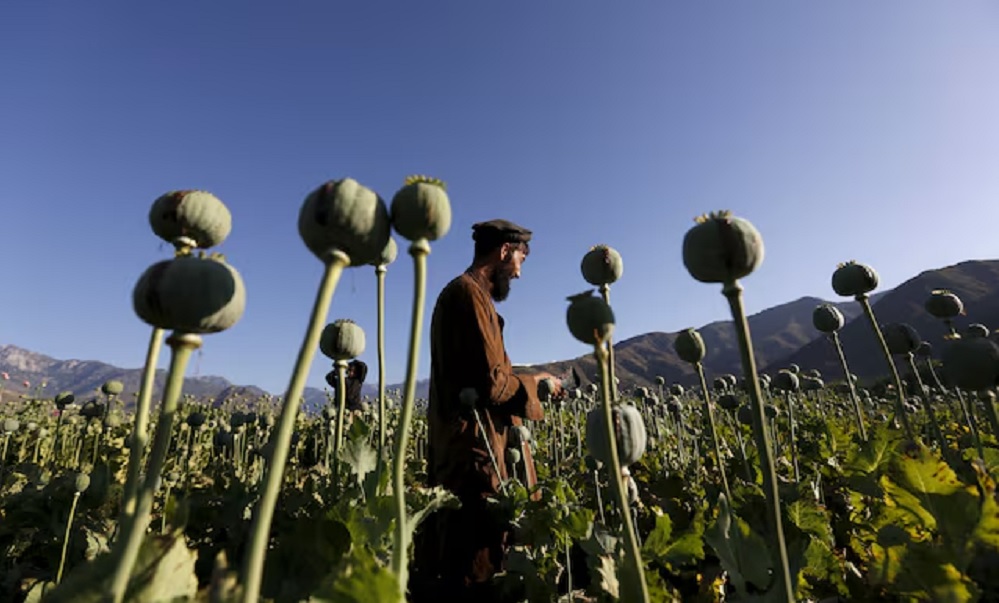
The total area of land in Afghanistan on which opium poppy is grown shrank 20% this year, according to a U.N. estimate issued on Thursday, a further drop since farming of the raw material for heroin collapsed in 2023 after the Islamic Emirate banned it.
The United Nations Office on Drugs and Crime (UNODC) said its annual survey of opium poppy cultivation in Afghanistan, long the world’s dominant producer, had found the harvest had shrunk even faster, falling an estimated 32% to 296 tons, Reuters reported.
The 20% reduction in the area under cultivation follows a 19% rebound in 2024. Those fluctuations are a mere fraction of the massive drop in 2023 that followed the Taliban’s announcement in 2022 that it was outlawing narcotics production.
“The total area under opium poppy cultivation in 2025 was estimated at 10,200 hectares, 20% lower than in 2024 (12,800 hectares) and a fraction of the pre-ban levels recorded in 2022, when an estimated 232,000 hectares were cultivated nationwide,” the UNODC said in a statement.
At the same time, despite the smaller harvest, the price for dry opium fell 27% to $570 per kilogram, it added.
That “suggests a shift in market dynamics and might trigger an increase in attempts to cultivate illicit opium in other countries,” it said, adding: “Cultivation data, together with prices and seizures, signal fundamental changes in drug markets and trafficking in and around Afghanistan.”
The production of synthetic drugs, particularly methamphetamine, has continued to increase since the ban, the UNODC said.
“As agricultural-based opiate production declines, synthetic drugs appear to have become the new business model for organized crime groups due to the relative ease of production, the greater difficulty in detection and relative resilience to climate changes,” it added.

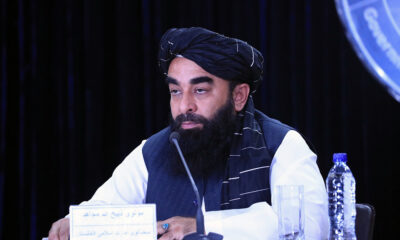


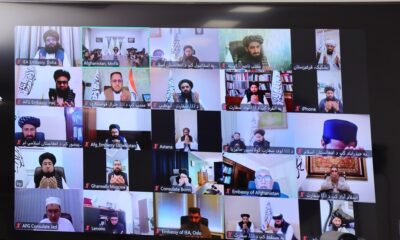

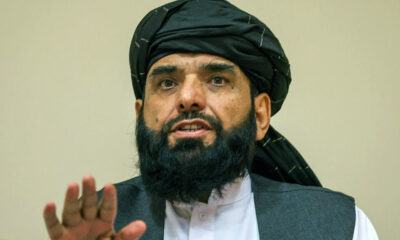


The spokesperson of the Islamic Emirate of Afghanistan Zabiullah Mujahid announced on Wednesday that the security and defense forces of the Islamic Emirate will temporarily halt the “Rad al-Zulm” defensive operation on the occasion of Eid al-Fitr and also at the request of Saudi Arabia, Turkey, and Qatar.
Zabiullah Mujahid said in a post on X: “The Islamic Emirate, while appreciating the goodwill of friendly and mediating countries, emphasizes that maintaining Afghanistan’s national security, territorial integrity, and the safety of Afghan lives is its national and religious duty, and it will bravely respond to any aggression in case of a threat.”
Meanwhile, Ataullah Tarar, Pakistan’s Minister of Information and Broadcasting, also announced that Pakistan has temporarily suspended its attacks on Afghanistan for Eid al-Fitr at the request of Saudi Arabia, Qatar, and Turkey.
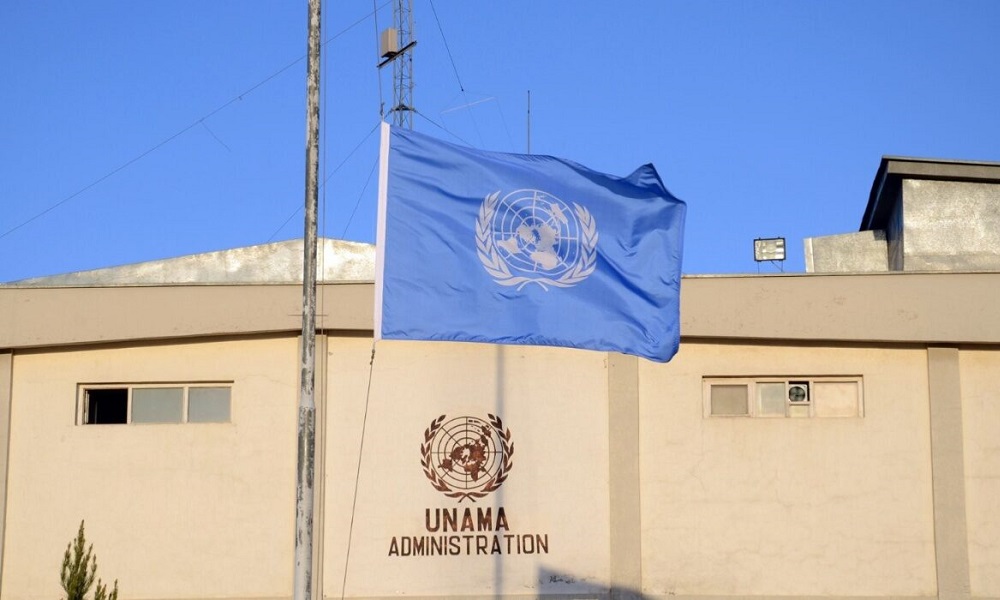
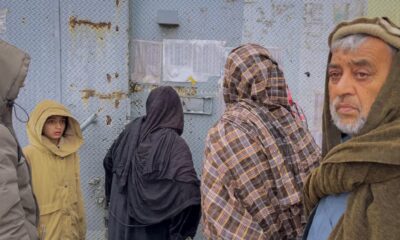
A UN official told Reuters on Wednesday that the United Nations Assistance Mission in Afghanistan (UNAMA) estimated the number of victims of the bombing of Kabul’s Omid hospital by Pakistan at 143 dead.
However, health officials in Afghanistan had earlier reported that the attack killed more than 400 people and injured 265.
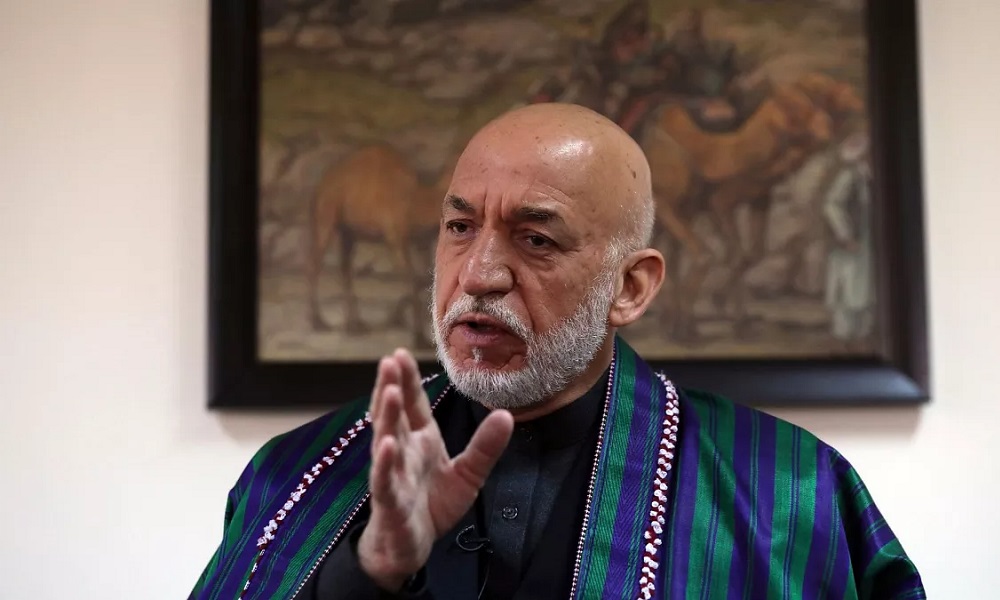
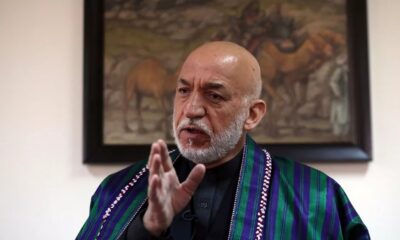
Former Afghan president Hamid Karzai has accused Pakistan of trying to create “anarchy and weakness” in Afghanistan, following a deadly airstrike on Kabul.
In an interview with UK’s Sky News, Karzai said Islamabad’s policies were aimed at keeping Afghanistan unstable and “downtrodden,” warning that such an approach would harm both countries.
He condemned the recent strike on a drug rehabilitation hospital in Kabul, which Afghan officials say killed around 400 people, describing it as an “extremely unfortunate event” in the history of relations between the two neighbours.
Karzai said he personally heard the explosion, describing a “horrific sound” that shook his home and filled the surrounding area with smoke and dust.
The former leader, who governed Afghanistan from 2002 to 2014, said tensions between the two countries are longstanding, claiming Pakistan has struggled to maintain stable relations with successive Afghan governments.
He urged Pakistani leaders to change course and pursue a more constructive relationship, saying past strategies of interference and destabilisation had failed and would not succeed in the future.
Fighting between the two countries has intensified since late February, when Pakistan launched airstrikes it says targeted militant infrastructure. The United Nations estimates the violence has displaced more than 100,000 people.
Pakistan has denied targeting civilians, insisting its operations were aimed at militant sites and accusing Kabul of spreading “misleading” claims to deflect from alleged cross-Durand Line threats.


Tahawol: Global reactions to Pakistan’s recent attacks discussed

IEA announces temporary pause in defensive operations against Pakistan for Eid

Saar: Consequences of Pakistani airstrikes on Afghans discussed

UNAMA puts death toll from Pakistan’s attack on Kabul’s Omid Hospital at 143

Karzai accuses Pakistan of seeking to destabilise Afghanistan after Kabul strike

Pakistani military jet downed in Afghanistan’s Jalalabad, pilot captured alive

Afghan Air Force conducts airstrikes in Islamabad, other cities

IEA releases three Pakistani soldiers to mark Ramadan

Afghanistan’s Chief of Armed Forces underscores readiness and equipment for national defense

Afghanistan welcomes investment and technology partnerships with India
Tahawol: Global reactions to Pakistan’s recent attacks discussed
Saar: Consequences of Pakistani airstrikes on Afghans discussed

Tahawol: Pakistan’s new attacks on Kabul hospital discussed

Saar: Pakistani military’s airstrike on Kabul hospital discussed

Tahawol: China’s efforts for Afghanistan-Pakistan talks
-
 Latest News2 days ago
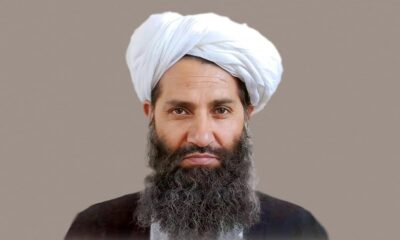
IEA Supreme Leader issues Eid-ul-Fitr message urging unity and support for Islamic system
-
 Latest News4 days ago
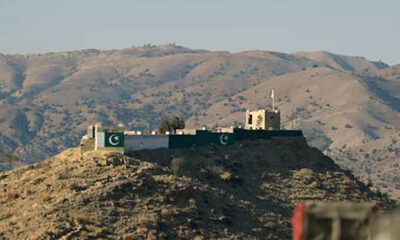
14 Pakistani soldiers killed after military post falls along Durand line: MoD
-
 Latest News3 days ago
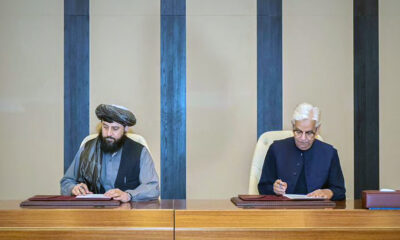
Regional criticism grows amid Pakistan strikes inside Afghanistan
-
 Latest News3 days ago
Afghan airstrike targets a military camp in South Waziristan
-

 Business2 days ago
Turkmenistan, Afghanistan discuss steps to speed up land acquisition for TAPI pipeline
-
 World5 days ago
White House AI czar says US should ‘declare victory and get out’ of Iran war
-

 Business3 days ago
Afghanistan expands exports through Lapis Lazuli Corridor
-

 Sport3 days ago
IPL 2026 kicks off in under two weeks; Afghan players set to shine