
Business
Pakistan delegation discusses solutions with Azizi to resolve trade issues

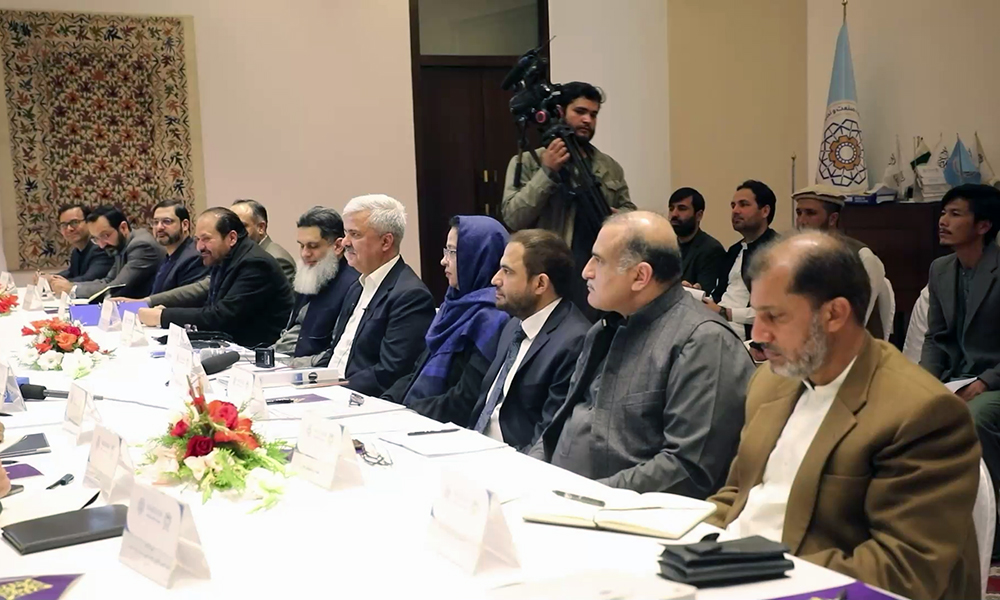
Officials of the Afghan Ministry of Commerce and Industry on Tuesday held a meeting with the visiting delegation of Pakistan’s Ministry of Commerce where they discussed challenges around trade relations between the two countries.
The Acting Minister of Commerce and Industry Nooruddin Azizi said due to recent political tensions, trade and transit relations between Afghanistan and Pakistan have faced problems. He said efforts are being made to find solutions to the existing problems and to distance political issues from trade issues.
The visiting delegation is in Kabul at the invitation of the ministry of commerce and industry.
Azizi said the Pakistani delegation said at the meeting that all commercial, transit and economic issues between the two countries will be discussed and efforts will be made to keep trade issues separate from political issues.
“We want to talk about issues that are especially in the field of trade and transit, and we want to prioritize all issues related to trade, we are trying to separate trade and transit from political issues,” said Azizi.
He also expressed hope that his meeting with the Pakistani delegation will help solve the existing challenges and improve and expand trade and transit relations between the two countries.
According to economic experts, since Afghanistan is a transit route between Central Asia and South Asia, the Islamic Emirate can use it to pressurize Pakistan so as not to create trade problems.
“Pressure should be put on Pakistan with the same means we have so that the agreement signed between us and Pakistan and they are forced to comply. We must use this agreement and use it correctly and we should be emotional and not say hostile words, but we want our right,” said Seyed Masoud, an economic expert.
Officials from the ministry also said that talks were held on other issues, including implementing the PTA preferential trade agreement or TAD, finalizing negotiations about APPTA, determining the date of air transit, 24-hour operations in the ports of Torkham, Chaman, and Spin Boldak.





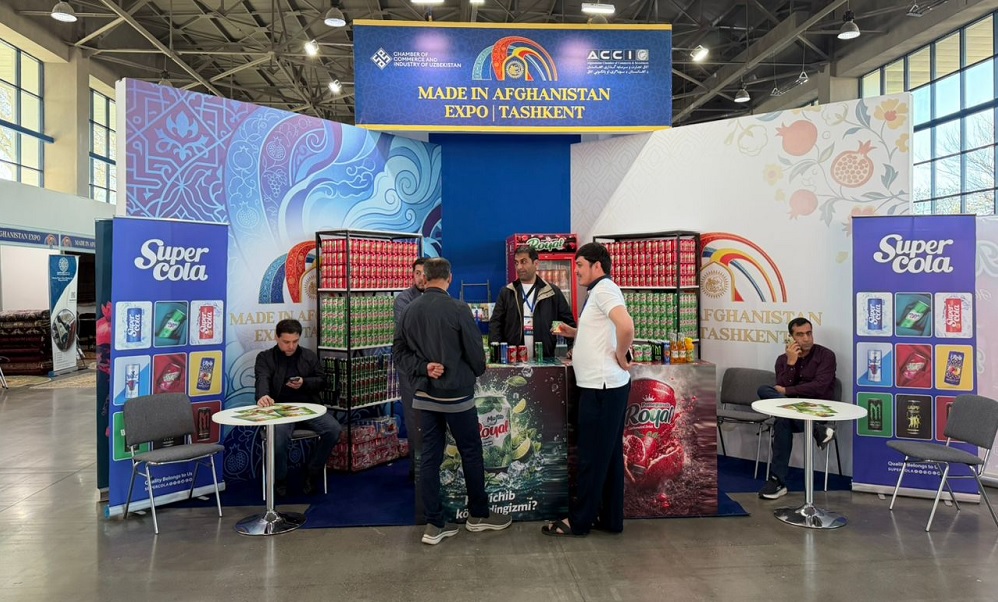
The Afghanistan Chamber of Commerce and Investment has announced that a major exhibition of Afghan products titled “Made in Afghanistan” is opening today (Wednesday) in Uzbekistan’s capital Tashkent.
According to the chamber, the expo—supported financially by the United Nations Development Programme—will run until Friday and aims to showcase Afghanistan’s production and export potential.
More than 60 booths have been set up by Afghan traders, featuring a wide range of products including carpets, dried and fresh fruits, saffron, pine nuts, cotton, precious and semi-precious stones, as well as beverages.
Officials from the chamber expressed hope that the expo will help expand trade relations between Afghanistan and countries in the region, particularly Uzbekistan.
Business
Afghani strengthens nearly 10% against US dollar amid banking sector reforms
The bank said it has expanded oversight of financial institutions and private lenders, improving transparency and promoting more consistent standards across the sector.
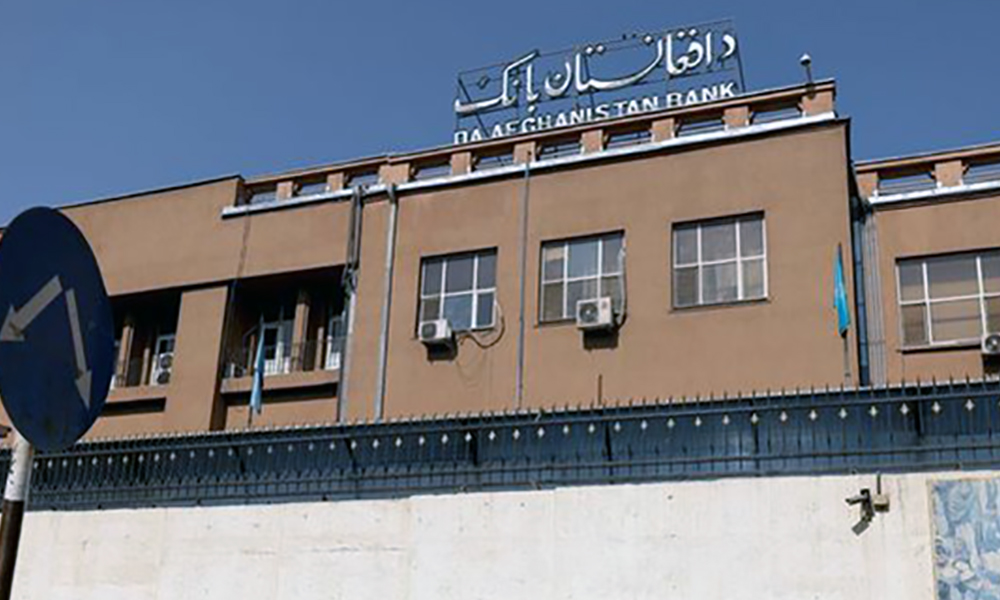
Afghanistan’s central bank, Da Afghanistan Bank, says the national currency has appreciated by 9.93% against the US dollar during the year 1404, citing steady progress in the country’s financial and banking systems.
Officials attributed the gains to cautious monetary policies that have helped stabilise the Afghani against major global currencies while also boosting its value against the dollar.
The bank said it has expanded oversight of financial institutions and private lenders, improving transparency and promoting more consistent standards across the sector.
As part of efforts to better manage liquidity, authorities also collected and destroyed worn-out banknotes in circulation. At the same time, officials reported growth in electronic banking, with digital payment usage rising in recent months.
Central bank spokesperson Haseebullah Noori said initiatives are underway to broaden access to banking services nationwide, including the wider rollout of Islamic banking options.
Analysts welcomed the stabilisation efforts but stressed the need to address ongoing challenges facing domestic banks, including the impact of international financial sanctions on Afghanistan.
They added that expanding Islamic banking could help draw more savings into the formal financial system, noting that a significant share of personal wealth remains outside banks. Bringing those funds into the sector, they said, could inject billions of Afghanis into the economy and further support financial stability.
Business
Uzbekistan delivers over 290 tons of aid to Afghanistan
The assistance, provided ahead of Eid al-Fitr, is intended to support vulnerable communities while reinforcing ties between the neighboring countries.
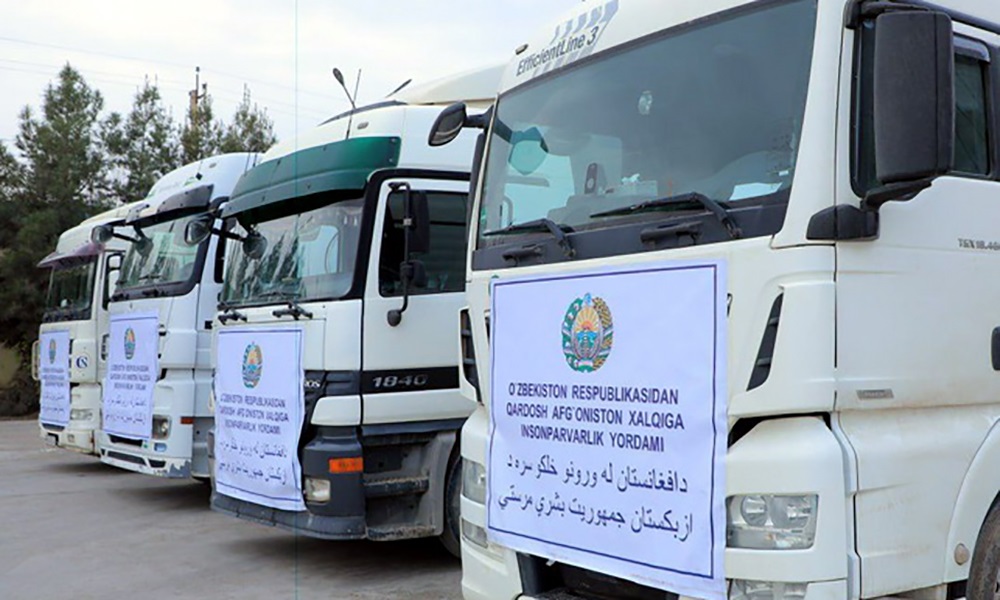
Uzbekistan has delivered more than 290 tons of humanitarian aid to Afghanistan, according to the country’s Ministry of Foreign Affairs.
The assistance, provided ahead of Eid al-Fitr, is intended to support vulnerable communities while reinforcing ties between the neighboring countries.
The shipment includes essential food supplies such as flour, rice, wheat, vegetable oil, instant meals, pasta, and confectionery. An official handover ceremony was held in the border town of Hairatan.
Local officials, including Balkh province representatives and authorities from Hairatan, expressed appreciation for the continued support, acknowledging Uzbekistan’s efforts to assist the Afghan people.
Among those present at the ceremony were Uzbekistan’s Ambassador to Afghanistan, Oybek Usmanov, and Surkhandarya regional governor Ulugbek Kosimov.
The aid delivery underscores Uzbekistan’s ongoing humanitarian engagement and its broader efforts to promote regional cooperation and stability.


Iranian naval commander Alireza Tangsiri killed in airstrike, says Israel

Tajikistan shifts stance on Afghanistan amid rising border tensions

Torkham crossing reopens for returning Afghan migrants

Afghanistan to face Myanmar in crucial AFC clash

Two killed, hundreds affected in severe floods in Kandahar

Pakistani military jet downed in Afghanistan’s Jalalabad, pilot captured alive

Afghan Air Force conducts airstrikes in Islamabad, other cities

Prominent Muslim scholar issues fatwa calling for Afghanistan-Pakistan ceasefire

Afghan air force strikes key Pakistani military installations in retaliatory operation

IEA: Special circle in Pakistan has launched mission to destabilize region

Tahawol: Efforts to release Mohammad Rahim from Guantanamo Bay Detention Camp

Saar: End of ceasefire between Afghanistan-Pakistan reviewed

Tahawol: Escalating threats between Iran-US discussed

Tahawol: Possibility of US ground forces entering Iran war discussed

Saar: Using US prisoners as political pressure
-

 Latest News4 days ago
Deadly violence likely without dialogue between Afghanistan and Pakistan: ICG
-

 Latest News3 days ago
Pakistan seeks Russian mediation to resolve Afghanistan tensions
-

 International Sports4 days ago
FIFA World Cup 2026: Play-Off Tournament takes centre stage
-
 Sport4 days ago
Afghanistan secures third place at 2026 World Kokpar Championship
-
 Business4 days ago
Afghani strengthens nearly 10% against US dollar amid banking sector reforms
-
 Latest News3 days ago
World must re-engage to prevent all-out Afghanistan-Pakistan war: Financial Times
-

 Sport2 days ago
Afghanistan squad hit by withdrawals ahead of AFC Asian Cup Qualifiers
-
 Latest News2 days ago
Around 2.3 million tourists visited Afghanistan’s recreational areas during Eid: Ghufran