
Latest News
Pakistan to issue smart cards to over 1.4 million Afghan refugees

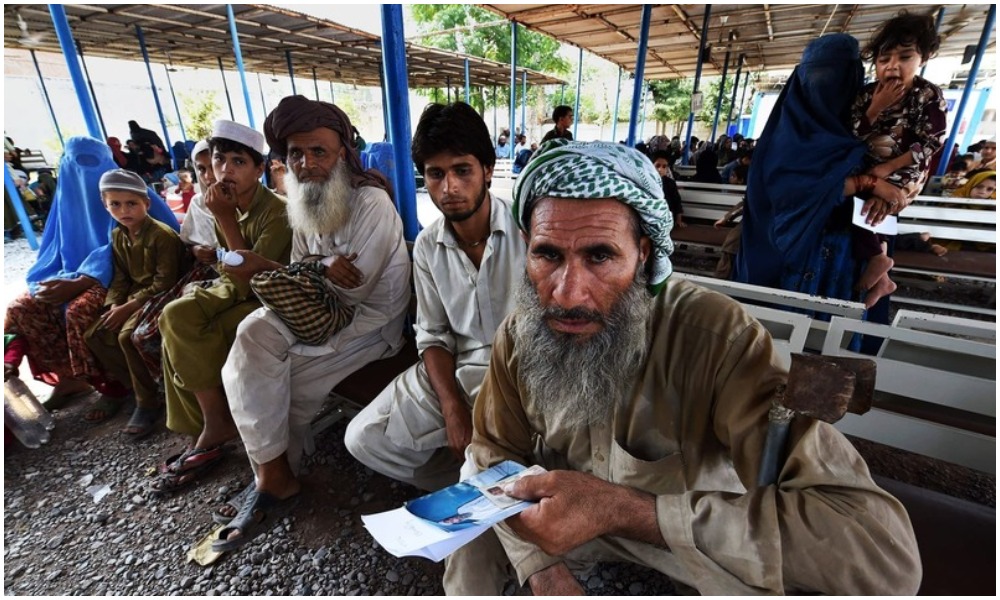
The Government of Pakistan, with the support of UNHCR, has launched a nationwide verification exercise for 1.4 million Afghan refugees during which new smartcards will be issued.
The Documentation Renewal and Information Verification Exercise, or DRIVE for short, was inaugurated at a ribbon-cutting ceremony in Islamabad by the Federal Minister for SAFRON, His Excellency Mehboob Sultan. The UNHCR Representative, Noriko Yoshida, and the Chief Commissioner for Afghan Refugees, Saleem Khan, were also present on the occasion.
During the six-month exercise, registered Afghan refugees who currently hold Proof of Registration (POR) cards will be provided with new smart cards.
“The DRIVE exercise is a leap forward for everyone,” Yoshida said, welcoming its launch. “This step will allow refugees to have better, faster, and safer access to services, including schools, hospitals, and banks.”
Yoshida added that in addition to verifying existing data, the exercise will record Afghan refugees’ skill sets, level of education, socio-economic circumstances, allowing better-targeted health, education, and livelihood support in Pakistan and Afghanistan.
“Pakistan has been hosting Afghan refugees for four decades, and a lot has changed since the last verification exercise 10 years ago. It’s crucial that we update the data of Afghan refugees to understand their situation better,” said the Federal Minister for SAFRON.
Sultan added, “As the country hosting one of the most protracted refugee situations in the world, Pakistan has strived to play its part in assisting and protecting refugees. It’s important the international community also continue to come forward, and share the responsibility and help find solutions.”
The Federal Minister for SAFRON urged POR cardholders to participate fully in this exercise. He also requested that they take all precautionary measures and observe COVID-19 protocols.
Six hundred male and female staff – a combination of government and UNHCR – will be working at some 35 DRIVE verification sites around the country, and using mobile registration vehicles, to support refugees throughout the exercise.
Measures are in place at all DRIVE sites to mitigate COVID-19 risks through enhanced hygiene, physical distancing, and the scheduling of set numbers of appointments each day.

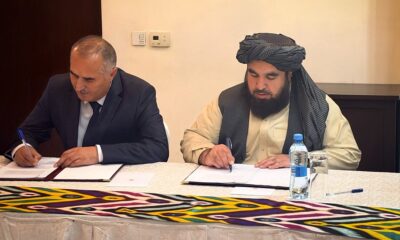



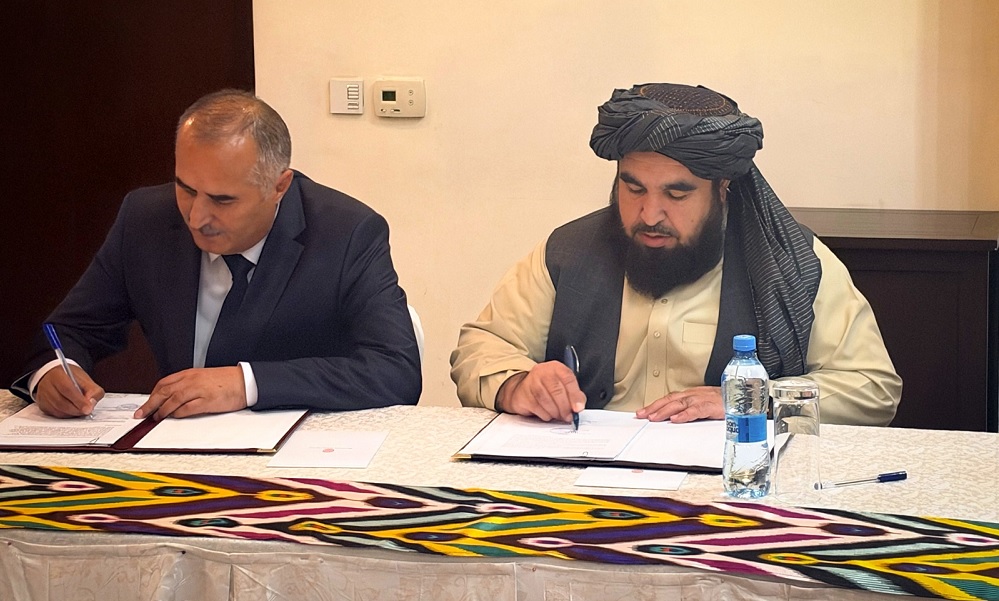
Da Afghanistan Breshna Sherkat (DABS) and Tajikistan-based Pamir Energy Company have signed a cooperation agreement to provide electricity to border districts of Badakhshan province.
The agreement was signed in Dushanbe, Tajikistan, by Abdul Haq Hamkar, Chief Executive Officer of DABS, and Amir Khan Rahim, President of Pamir Energy.
The agreement is aimed at expanding cooperation, improving electricity supply and creating the necessary conditions for providing power services to residents of Badakhshan’s border districts.
On the sidelines of the signing ceremony, the two sides also discussed extending a 110-kilovolt power transmission line to Faizabad, the provincial capital of Badakhshan.
Hamkar emphasized the importance of the project in strengthening the province’s electricity infrastructure.
Pamir Energy said it would share relevant proposals with DABS following technical assessments.
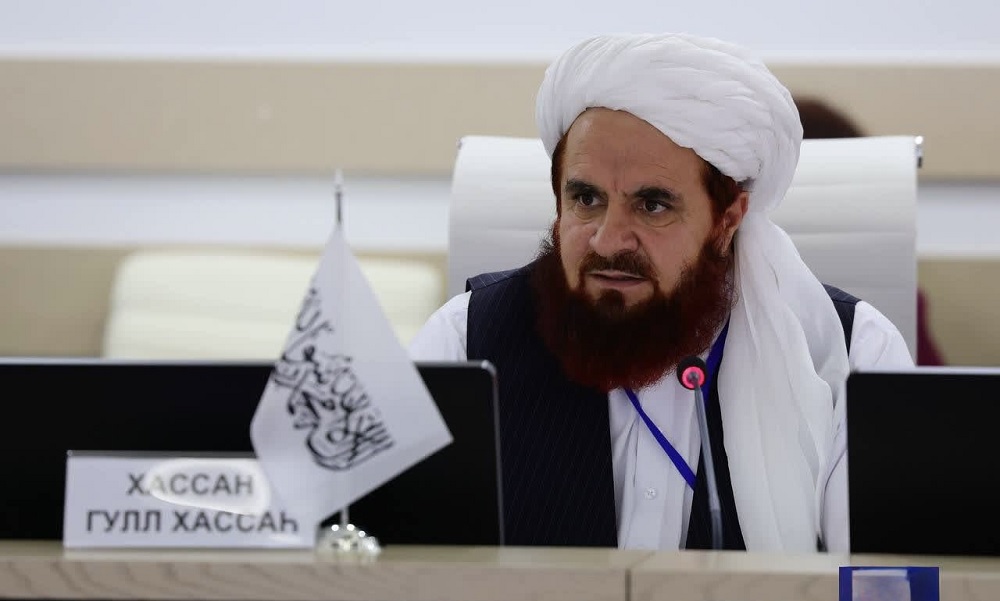
In his speech, Hassan emphasized the importance of mutual respect, dialogue, economic cooperation and joint development between Afghanistan and countries in the region.
On the sidelines of the forum, the Afghan ambassador met with Anton Borisovich Doronin, Minister of Economic Development of Russia’s Stavropol region. The two discussed ways to expand trade, investment and economic cooperation.
Hassan also met with a number of Afghan businessmen and representatives of the Afghan community in Russia, listening to their concerns and suggestions.
He assured them that the Afghan embassy would provide necessary support and cooperation in addressing their concerns.
Latest News
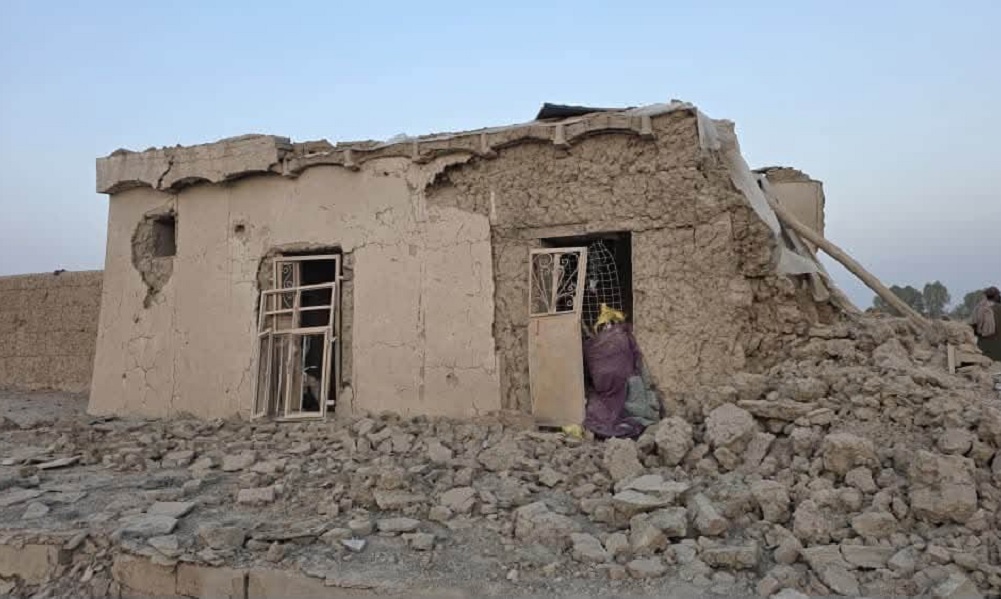
Russian embassy expresses concern over civilian casualties in Pakistani airstrikes on Afghanistan


DABS, Tajikistan’s Pamir Energy sign agreement on electricity supply to Badakhshan

Afghan envoy in Moscow stresses economic cooperation with region

Russian embassy expresses concern over civilian casualties in Pakistani airstrikes on Afghanistan

India, Pakistan summon top diplomats over border incident

Tahawol: Escalation of internal political crisis in Pakistan discussed

Saudi energy group signs major Afghanistan deals covering gas exploration and pipeline plans

Khalilzad: Afghanistan ready to attract major investment

Khyber Chamber demands reopening of Torkham crossing

Messi returns to Inter Miami after Argentina retirement

Imam Abu Hanifa exhibition to draw exhibitors from more than 20 countries
Tahawol: Escalation of internal political crisis in Pakistan discussed

Saar: Continuation of crisis in the Middle East discussed

Tawsia: Review of three key economic developments in Afghanistan

Tahawol: Pakistan’s airstrikes on civilians in Afghanistan discussed

Tahawol: Improvement in Afghanistan-China relations discussed
-
 Regional4 days ago
US imposes sanctions on 13 tied to Iran weapons procurement
-
 Latest News3 days ago
Four members of one family killed in Helmand in Pakistan airstrike
-

 Sport5 days ago
Istiqlal Kabul beat Khurasan Faryab 2-0 with late goals
-

 Climate Change5 days ago
Afghanistan on climate front line as Kabul faces groundwater warning
-

 Sport5 days ago
Afghanistan Champions League: Toofan Herat and Aino Mina Kandahar draw 1-1
-
 Latest News5 days ago
US Afghanistan War Commission meets Asim Munir over Pakistan’s role in conflict
-
 Business5 days ago
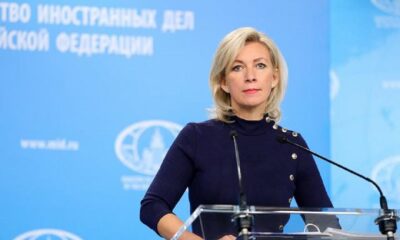
Russia accuses West of double standards over deportation of Afghans
-

 Business5 days ago
Kazakhstan grain shipments to Afghanistan rise over 4-fold