
Business
Pakistani cabinet approves tariff concessions in trade with Afghanistan


In a significant step aimed at enhancing Pak-Afghan trade relations, Pakistan’s cabinet on Thursday approved a series of tariff concessions on bilateral trade with Afghanistan, according to a report by 24NewsHD TV.
According to the report, the cabinet endorsed a summary presented by the Ministry of Commerce under the framework of the Early Harvest Programme. The agreement on this initiative was reportedly finalized between the two countries just last week.
The new arrangement is expected to boost trade volumes between Pakistan and Afghanistan by offering reduced tariffs on select agricultural products.
Pakistan will offer concessions ranging from 5% to 26% on four key Afghan exports. For instance:
-
The existing 5% duty on Afghan tomatoes will be removed, lowering the overall tax from 27% to 22%.
-
Similarly, a 26% duty on grapes, pomegranates, and apples imported from Afghanistan will be scrapped, bringing their total tax down from 53% to 27%.
In return, Afghanistan will extend reciprocal tariff reductions on four Pakistani products, offering concessions between 20% and 35%:
-
Customs duties on Pakistani potatoes and bananas will be cut by 35% and 30%, respectively. This will reduce the tax on potatoes exported to Afghanistan from 57% to 22%.
-
Additionally, Afghanistan will eliminate the 20% duty on Pakistani kinnow (mandarins) and mangoes, reducing their tax rate from 47% to 27%.





Business
Afghanistan, US business leaders discuss trade and investment opportunities
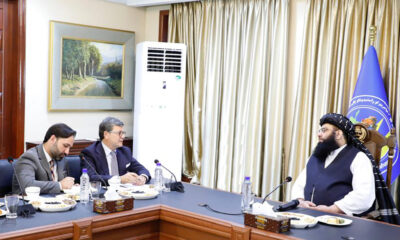
Hashemi welcomed the delegation and underscored the importance of strengthening cooperation between the Afghan and US private sectors.
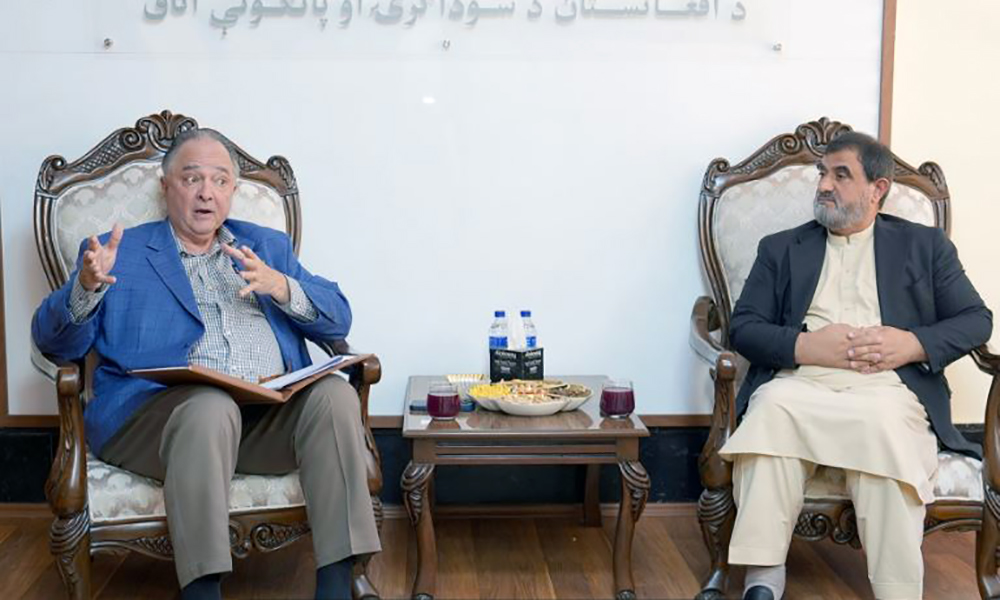
Afghanistan’s Chamber of Commerce and Investment (ACCI) has met with the Afghanistan–America Joint Chamber of Commerce to discuss expanding economic cooperation, strengthening trade ties and identifying potential investment opportunities.
According to the ACCI, the meeting was held on Sunday, October 11, at its headquarters in Kabul. Participants included ACCI Director General Sayed Karim Hashemi, Afghanistan–America Joint Chamber of Commerce President Jeffrey Greico and several members of the joint chamber.
Hashemi welcomed the delegation and underscored the importance of strengthening cooperation between the Afghan and US private sectors. He said establishing large joint-stock companies involving domestic and foreign investors could provide an effective financing mechanism for major economic projects.
Highlighting Afghanistan’s economic potential, Hashemi encouraged American businesses and investors to explore opportunities in infrastructure and industry, particularly oil refining, mineral extraction and processing, and large-scale manufacturing.
Greico praised the ACCI’s efforts to promote Afghanistan’s business environment, describing the fifth Imam Abu Hanifa National and International Exhibition as an important platform for showcasing the country’s economic potential and expanding commercial ties. The exhibition brought together traders, industrialists and representatives from neighbouring and regional countries.
He also proposed holding specialized economic discussions and panel sessions, encouraging Afghan businesses to participate in regional and international conferences, and strengthening engagement with international economic institutions.
Members of the Afghanistan–America Joint Chamber of Commerce also presented their views and proposals on expanding bilateral trade and identifying opportunities for joint investment.
Business
Afghanistan signs nearly $400 million in regional trade and investment deals
The event also featured business-to-business meetings, providing Afghan and foreign companies with opportunities to discuss potential joint investments and commercial partnerships.
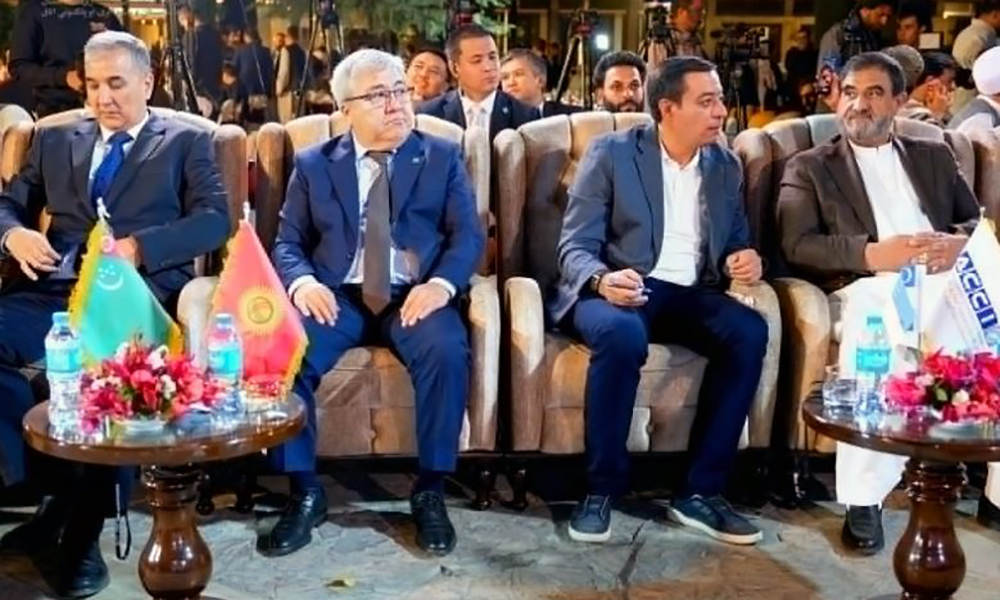
Afghanistan has signed trade and investment memorandums of understanding worth nearly $400 million with regional and international companies, according to the Afghanistan Chamber of Commerce and Investment (ACCI).
The agreements were signed on Friday evening during a business matchmaking event held on the sidelines of the fifth Imam Abu Hanifa National and International Exhibition in Kabul.
The event brought together Afghan business representatives, foreign investors and diplomatic officials, with participants from Uzbekistan, India, Kazakhstan, Turkmenistan and Kyrgyzstan attending discussions aimed at expanding economic cooperation and strengthening commercial ties with regional markets.
The ACCI said the meetings highlighted Afghanistan’s strategic geographic location, natural resources, agricultural potential, industrial capacity and domestic products as areas offering opportunities for foreign investment.
Zulgi Arin Azimi, the chamber’s deputy head for investment affairs, described the exhibition and business meetings as important platforms for building trust, strengthening economic partnerships and encouraging international investors to explore opportunities in Afghanistan.
Sherzad Ibrahimov, deputy chairman of the Uzbekistan Chamber of Commerce and Industry, stressed the importance of implementing previously signed agreements and removing technical and administrative barriers to trade.
The event also featured business-to-business meetings, providing Afghan and foreign companies with opportunities to discuss potential joint investments and commercial partnerships.
The ACCI said the newly signed agreements could help boost trade, attract foreign investment and create opportunities for businesses in Afghanistan and partner countries. However, it did not disclose the sectors covered by the agreements or provide details on their implementation timelines.
The agreements come as Afghanistan seeks to expand regional economic cooperation and attract foreign investment through international trade exhibitions and direct engagement between businesses.
Business
Afghan-Austrian partnership aims to boost carpet exports to European markets
Under the MoU, the Austrian company will cooperate in carpet design, marketing and efforts to expand access to international markets, particularly in Europe.
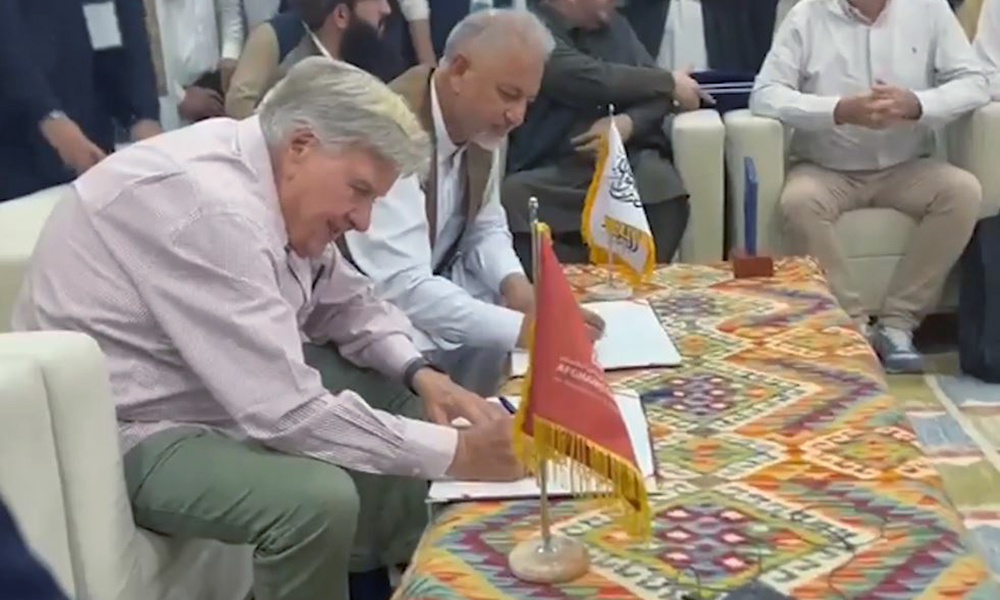
An Afghan company and an Austrian firm have signed a memorandum of understanding (MoU) aimed at facilitating the export of Afghan carpets to European markets, opening new opportunities for the country’s traditional carpet industry.
The agreement was signed on the sidelines of the 5th Imam Abu Hanifa National and International Exhibition in Kabul.
Under the MoU, the Austrian company will cooperate in carpet design, marketing and efforts to expand access to international markets, particularly in Europe.
Austrian businessman Fritz Langauer said Afghan carpets meet the requirements of European markets in terms of colours, raw materials, designs and quality.
The partnership is expected to help Afghan carpet producers reach a wider customer base, strengthen export opportunities and promote one of Afghanistan’s long-established traditional industries.
Afghan carpets are known for their distinctive designs and craftsmanship, and improved access to international markets could create new opportunities for local producers, traders and artisans.
The agreement marks a step towards strengthening commercial ties between Afghan and Austrian businesses and expanding the international presence of Afghan-made products.


Tahawol: Kabul’s criticism of Islamabad’s policy toward Afghanistan

Saar: Pakistan deploying army in KP

Afghanistan face daunting 479-run chase against Bangladesh in Abu Dhabi Test

Afghanistan reports efforts to prevent child marriage as UNICEF urges action

Afghanistan U19 begin Asia Cup Preparations with Oman tour

EU and FAO launch €5m programme to strengthen Afghanistan’s agrifood sector

Cricket Bonanza: Afghanistan set for packed international schedule

Houthi advance in Yemen puts U.S. in a new bind

New warnings reignite debate over AI threat to humanity

UN warns of mounting humanitarian and human rights pressures in Afghanistan
Tahawol: Kabul’s criticism of Islamabad’s policy toward Afghanistan
Saar: Pakistan deploying army in KP

Tahawol: EU appointing new envoy for Afghanistan

Saar: Pakistan’s political, security and economic crises

Saar: Ongoing expulsion of Afghan refugees from Iran and Pakistan discussed
-

 Regional4 days ago
Trump says US will not attack Iran before midterm elections in November
-
 Business5 days ago
Russia-Afghanistan trade surges 150% in first seven months of 2026
-
 Latest News3 days ago
Pakistan issues new directives for Afghan medical students and doctors
-

 World5 days ago
Denmark says Russia has conducted sabotage attacks against its defense firms
-
 World4 days ago
Witkoff, Kushner to meet Ukrainians for talks on the war, says US source
-

 Sport5 days ago
Arman FC defeat Istiqlal Kabul 3-2 in thrilling comeback
-
 Latest News3 days ago
Iranian lawmaker praises Afghanistan’s support, accuses Pakistan of ‘hypocrisy’
-
 Regional5 days ago
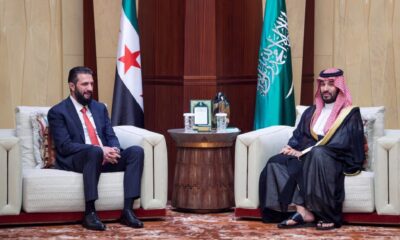
Syria weighs military aid for Saudi Arabia amid Yemen war: Reuters