
Latest News
Return of Afghans from Pakistan could worsen already dire humanitarian situation: IFRC

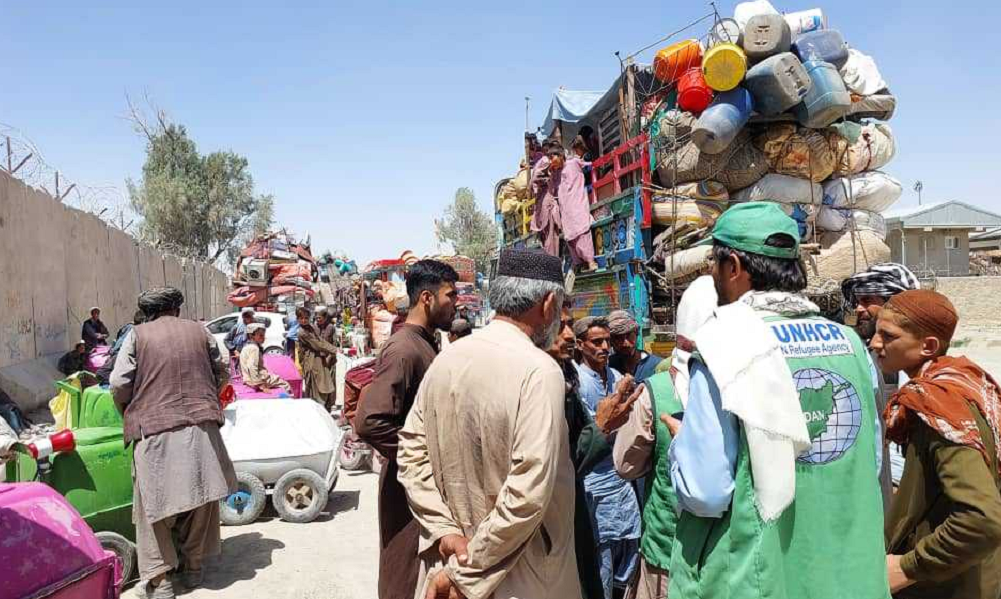
Return of Afghans from Pakistan could worsen already dire humanitarian situation in Afghanistan, the International Federation of Red Cross and Red Crescent Societies (IFRC) warned on Monday.
After decades of seeking refuge in Pakistan, up to a million Afghans could return to Afghanistan following a directive by the government of Pakistan which would require all Afghans without valid visas to leave the country by 31 March 2025.
IFRC said in a statement that the humanitarian needs of people returning to Afghanistan are high. Many have abandoned their livelihoods and personal belongings in Pakistan. Children, many of whom are already malnourished, need specialized care. Many families have been separated during the journey and need support to restore family links. Longer term support will also be needed to help people to re-establish their lives in Afghanistan.
Shahabuddin Delawar, the Acting President of the Afghan Red Crescent Society (ARCS), emphasized the urgent need for action.
“People returning are facing numerous challenges that they cannot navigate alone. Women and children represent a significant portion of those returning, and ensuring their safety and well-being must be our top priority. As a local organisation with a presence across the country, our aim is to provide immediate relief and long-term support to help people rebuild their lives safely and with dignity.”
Ahmed Suliman, the interim Head of Delegation for the International Federation of Red Cross and Red Crescent Societies (IFRC) in Afghanistan, expressed concern about the potential scale of the crisis.
“This dynamic situation will impact millions of people. Addressing immediate needs – such as food, healthcare, and shelter – is our top priority, while also planning to support people in the longer-term. The IFRC and National Societies are working alongside ARCS to tackle these challenges and provide tailored support people most in need,” he said.
IFRC said that currently, conditions in Afghanistan are not conducive for sustainable return and reintegration of large numbers of people, amid high levels of malnutrition and a struggling economy. There are also millions of internally displaced people in the country. Existing humanitarian support is insufficient to meet current needs and will only come under more pressure as higher numbers of people return.
It emphasized that all returns must be voluntary, safe and dignified. IFRC also called on the international community to provide adequate support to meet the growing humanitarian needs of people returning to Afghanistan.








Latest News
Pakistan to repatriate nearly 20,000 Afghans awaiting US resettlement
Authorities will also share verified data of the affected individuals with relevant departments to support implementation.
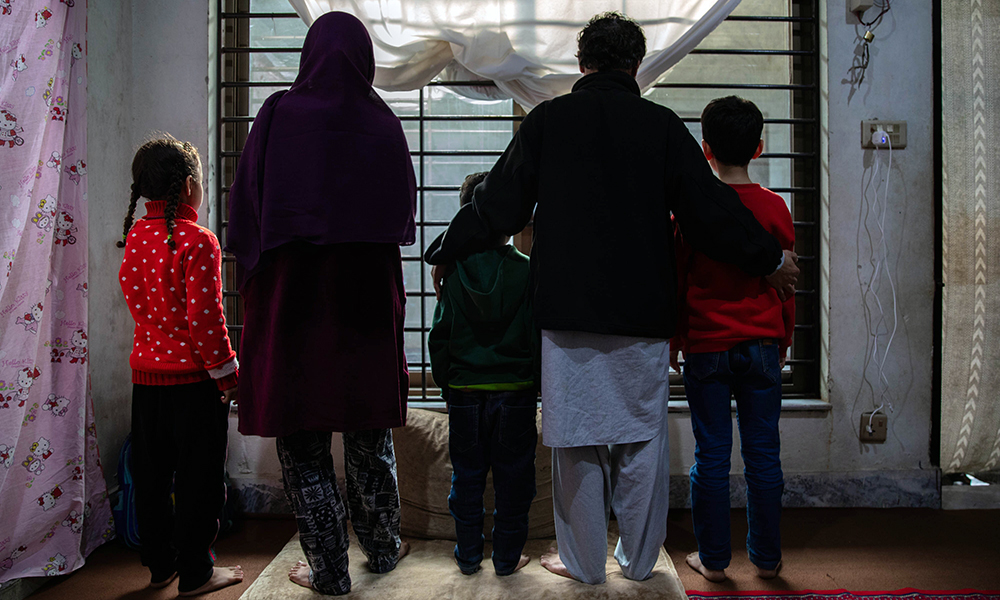
Pakistan will repatriate nearly 20,000 Afghan nationals currently awaiting resettlement in the United States, The Nation reported, citing official sources.
The move affects 19,973 Afghans living across Pakistan.
A federal directive will instruct provincial chief secretaries and police chiefs in Punjab, Sindh, Khyber Pakhtunkhwa, Balochistan, Azad Kashmir, Gilgit-Baltistan, and the Islamabad Capital Territory to begin the repatriation process immediately.
Authorities will also share verified data of the affected individuals with relevant departments to support implementation.
Following the Islamic Emirate’s return to power in 2021, more than 100,000 Afghans fled to Pakistan, many of whom had worked with the US and UK governments, international organizations, or aid agencies.
Thousands have remained stranded in Pakistan for over four years while awaiting US resettlement clearance.
Prospects for relocation have dimmed amid a suspension of case processing by the US administration, according to The Nation.
Under Pakistan’s Illegal Foreigners Repatriation Plan (IFRP), all Afghan nationals still awaiting US relocation will now be returned to Afghanistan.
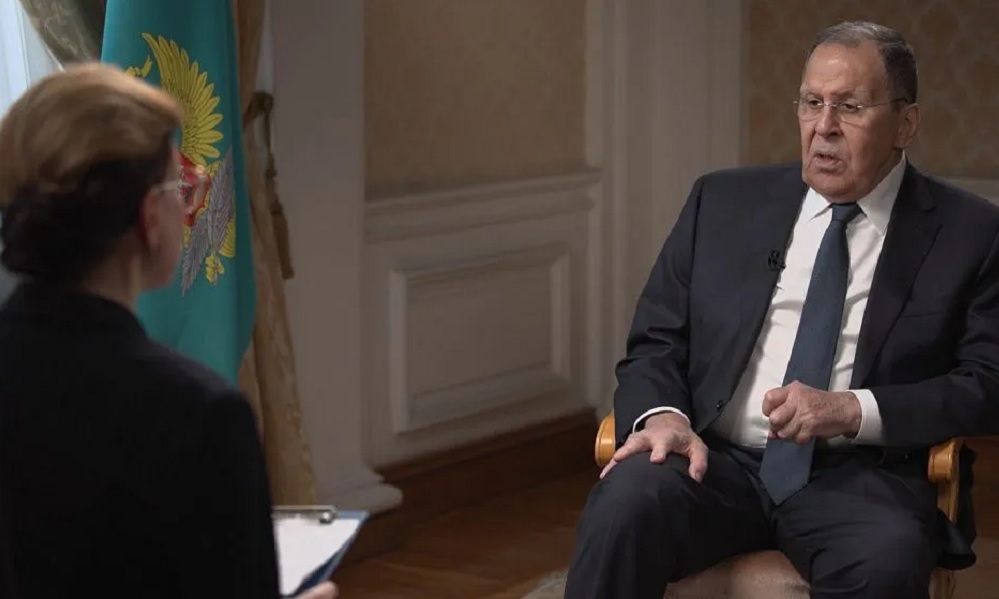
Terrorist activities continue to be observed along Afghanistan borders and along the India–Pakistan–Afghanistan corridor, Russian Foreign Minister Sergei Lavrov said in an interview published on Monday.
Speaking to Russia-based media outlet TV BRICS, Lavrov pointed to ongoing concerns in the Middle East, including its Asian regions.
He highlighted the importance of collaboration with India at the United Nations to advance a global counter-terrorism convention.
Lavrov stated that while the draft convention has already been prepared, consensus on its adoption has not yet been reached.
Russia has repeatedly expressed concern about militant threats from Afghanistan. The Islamic Emirate, however, has dismissed the concerns saying that it will not allow Afghanistan’s soil to be used against any country.
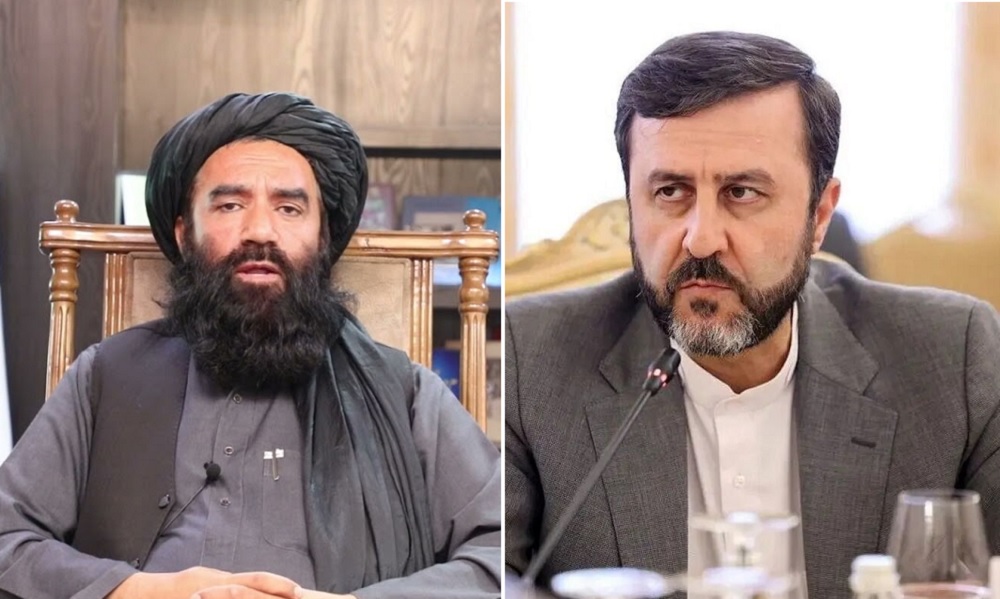
Noorullah Noori, Afghanistan’s Minister of Borders and Tribal Affairs, held a phone conversation with Kazem Gharibabadi, Iran’s Deputy Foreign Minister for Legal and International Affairs, to discuss bilateral border cooperation.
According to the Iranian news agency IRNA, both sides reaffirmed their commitment to strengthening border collaboration, with a particular focus on the ongoing renovation and updating of border markers. They also agreed to accelerate joint technical and legal meetings to enhance coordination.
As part of the agreement, the next meeting of senior border officials from Afghanistan and Iran is scheduled to take place in Iran in 1405 (2026–2027).


Tahawol: Pakistan’s Foreign Policy Failure of Towards Afghanistan discussed

Saar: Regional Problems, Opportunities, and Challenges discussed

Pakistan to repatriate nearly 20,000 Afghans awaiting US resettlement

Terrorist activities observed along Afghanistan borders, says Lavrov

Afghan border minister holds phone talks with Iran’s deputy foreign minister

Afghanistan–China joint market opens in Kabul

Pakistan approves re-export of stranded Afghan transit trade cargo

ATN secures broadcast rights to Carabao Cup semis across Afghanistan

Pakistan army orders evacuation of Tirah Valley, fears of mass displacement grow

Afghan traders sign deal to import pharmaceuticals from Bangladesh
Tahawol: Pakistan’s Foreign Policy Failure of Towards Afghanistan discussed
Saar: Regional Problems, Opportunities, and Challenges discussed

Saar: Afghanistan’s relations and opportunities with regional countries

Tahawol: Kabul’s response to Pakistan’s new accusation discussed

Saar: Discussion on Iran-US talks in Oman
-
 Latest News2 days ago
Afghanistan to grant one- to ten-year residency to foreign investors
-
 Latest News4 days ago
Terrorist threat in Afghanistan must be taken seriously, China tells UNSC
-

 Sport3 days ago
Indonesia shock Japan to reach historic AFC Futsal Asian Cup final
-

 Sport4 days ago
Milano Cortina 2026 Winter Olympics: What You Need to Know
-

 Sport2 days ago
Iran clinch AFC Futsal Asian Cup 2026 in penalty shootout thriller
-

 Latest News4 days ago
US Justice Department to seek death penalty for Afghan suspect in National Guard shooting
-
 Latest News4 days ago
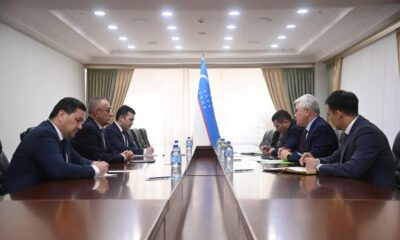
Uzbekistan, Kazakhstan discuss cooperation on Afghanistan
-
 Latest News3 days ago
Afghanistan says Pakistan is shifting blame for its own security failures