
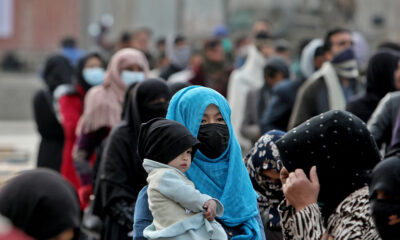

As a result, more than 420 health facilities have closed or suspended operations since early 2025, leaving around three million people without access to basic healthcare.
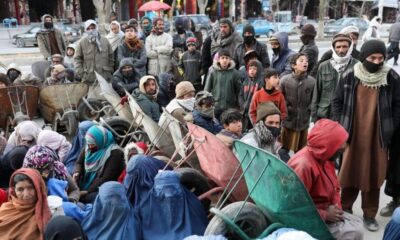

In 2025, more than 2.61 million Afghans returned from Iran and Pakistan, stretching limited services, livelihoods, and housing.

At the same time, the United Nations Development Programme (UNDP) announced the launch of a Joint Sustainable Solutions Project in eastern Afghanistan.
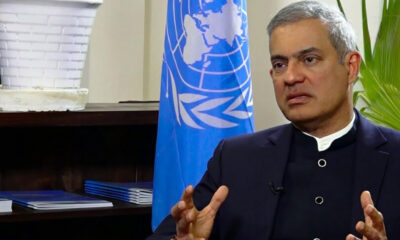

Ratwatte emphasized the critical need for continued support for essential programs in health, education, and social protection, calling these initiatives "life-saving" for the Afghan population.
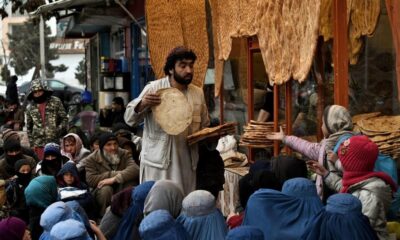

The agency called on the international community to sustain and strengthen humanitarian support to prevent further deterioration and protect vulnerable communities across the country.


Amnesty International this week urged countries to halt forced returns to Afghanistan, citing a “real risk of serious harm” to those sent back.
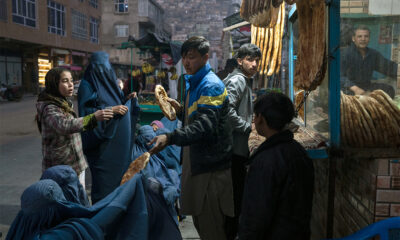

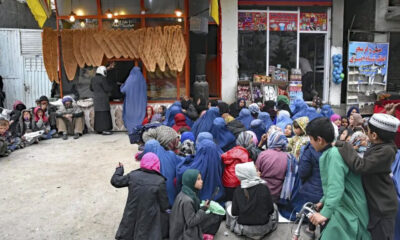
WFP officials in Kabul said the agency is being forced to make “impossible choices,” prioritizing the most vulnerable groups — women-headed households, children, and the elderly...
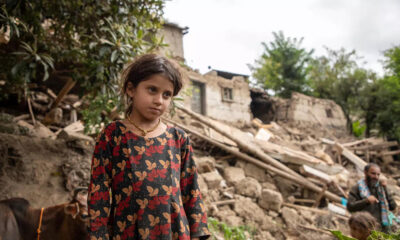

According to the report, around 37,000 children under the age of five and nearly 10,000 pregnant and breastfeeding mothers in the earthquake-affected areas are facing severe...
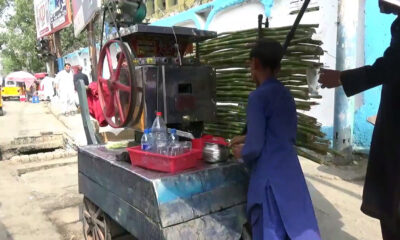

Officials at Nangarhar’s Department of Labor and Social Affairs insist they are making progress, noting that recent initiatives have begun to reduce the number of working...
| Country | Selling in AFS | |
|---|---|---|
| 1 USD |  | 63.90 |
| 1 EUR |  | 71.60 |
| 1 PND |  | 84.60 |
| 1 AED |  | 16.93 |
| 1 TRY |  | 1.45 |
| 1000 INR |  | 756 |
| 1000 IRR |  | 0.43 |
| 1000 PKR |  | 213 |


