
Latest News
Taliban advances in Afghanistan, U.S. and Britain to evacuate embassies


The Taliban claimed control over two of Afghanistan’s biggest cities on Thursday, according to media reports, as the United States and Britain said they would send thousands of troops to help evacuate their embassy staff, Reuters reported.
According to Reuters the capture of Kandahar and Herat – the country’s second and third largest cities – would represent the Taliban’s two biggest military victories since they began a broad offensive in May.
The fall of major cities was a sign that Afghans welcome the Taliban, a spokesperson for the group said, according to Al Jazeera TV.
The U.S. State Department said Secretary of State Antony Blinken and Defense Secretary Lloyd Austin spoke to Afghan President Ashraf Ghani on Thursday and told him the United States “remains invested in the security and stability of Afghanistan”. They also said the United States was committed to supporting a political solution to the conflict.
In response to the Taliban’s swift and violent advances, the Pentagon said it would send about 3,000 extra troops within 48 hours to help evacuate embassy staff, Reuters reported.
“We expect to draw down to a core diplomatic presence in Afghanistan in the coming weeks,” said State Department spokesperson Ned Price, adding the embassy was not closed. A person familiar with the matter said there were no guarantees the embassy would remain open.
The State Department said it would also increase the tempo of Special Immigration Visa flights for Afghans who helped the U.S. effort in the country.
Britain said it would deploy around 600 troops to help its nationals and local translators get out.
According to Reuters as the United Nations warned that a Taliban offensive reaching the capital would have a “catastrophic impact on civilians,” the United States and Germany urged all their citizens to leave Afghanistan immediately.
In Qatar, international envoys to Afghan negotiations called for an accelerated peace process as a “matter of great urgency,” and for an immediate halt to attacks on cities.
The fall of both Kandahar and Herat was reported by media including the Associated Press. Combined, the cities represent the two biggest prizes yet for the Taliban in their offensive over the past week.
“As you can see, we are inside the Herat police headquarters right now,” a Taliban fighter said in a video shared by a group spokesperson, Qari Yousuf Ahmadi.
Earlier on Thursday, the Taliban captured Ghazni, situated on the Kandahar-to-Kabul road some 150 km (90 miles) southwest of the capital, Reuters reported.
On the border, Afghans stranded in Pakistan after the Taliban closed a commercially vital crossing point clashed with Pakistani forces. The death of an Afghan traveller of a heart attack as he waited in the dusty heat near the Chaman-Spin Boldak crossing sparked an attack by others on Pakistani security forces, who responded by firing tear gas and charging with batons.
On Wednesday, a U.S. defense official cited U.S. intelligence as saying the Taliban could isolate Kabul in 30 days and possibly take it over within 90.
With phone lines down across much of the country, Reuters was unable to immediately contact government officials to confirm which of the cities under attack remained in government hands, Reuters reported.




Latest News
Tajikistan shifts stance on Afghanistan amid rising border tensions
Earlier this month, Tajik lawmakers approved a $57 million deal for China to finance and build nine new border posts, underscoring Beijing’s expanding role in regional security.
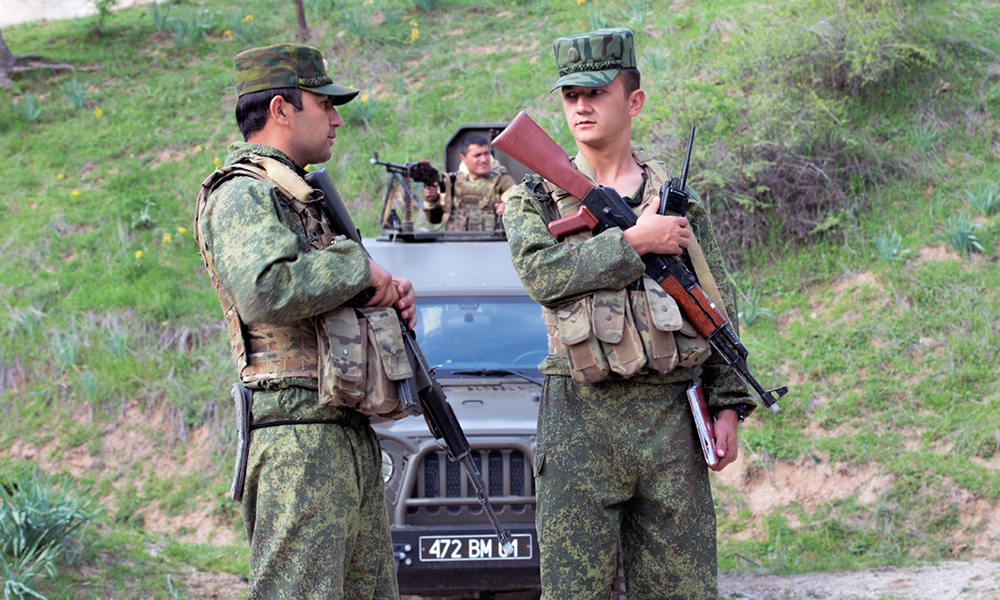
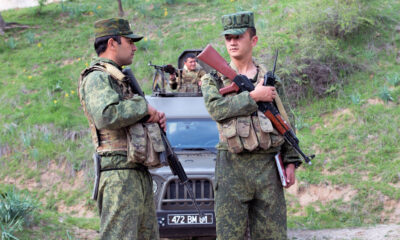
A surge in violence along the Tajikistan–Afghanistan border is prompting Tajikistan to recalibrate its policy toward Afghanistan, combining tighter security measures with cautious diplomatic engagement.
Earlier this month, Tajik lawmakers approved a $57 million deal for China to finance and build nine new border posts, underscoring Beijing’s expanding role in regional security.
The move follows a series of deadly incidents, including attacks that killed five Chinese nationals and clashes with smugglers that left several Afghan civilians and Tajik guards dead.
The violence reflects growing instability along the rugged frontier, much of it tracing the Panj River, with armed incidents rising sharply and drug seizures increasing significantly, according to Tajik authorities.
Alongside bolstering border infrastructure, Dushanbe is stepping up engagement with the Islamic Emirate. Recent months have seen unprecedented high-level contacts, including calls and meetings between Amir Khan Muttaqi and Sirojiddin Muhriddin, as well as talks with Tajik envoy Sadi Sharifi.
Once a staunch critic of the Islamic Emirate, Tajikistan’s President Emomali Rahmon’s government is gradually adopting a more pragmatic approach. Since the reopening of border markets in 2023, trade and security contacts have quietly expanded, with officials now openly acknowledging cooperation on energy and border security.
Analysts say the shift reflects a mix of rising security threats, regional pressure from partners like China and Russia, and the reality that the Islamic Emirate remain firmly in control in Kabul. While China funds infrastructure and Russia continues to support military training, experts describe the arrangement as a “division of labor” rather than a shift in regional influence.
Despite lingering concerns, observers note a clear warming in ties between Dushanbe and Kabul, driven as much by necessity as by strategy.
Latest News
Torkham crossing reopens for returning Afghan migrants
According to reports, the reopening has allowed the flow of Afghan returnees from Pakistan to resume, with many families entering Afghanistan through the crossing.
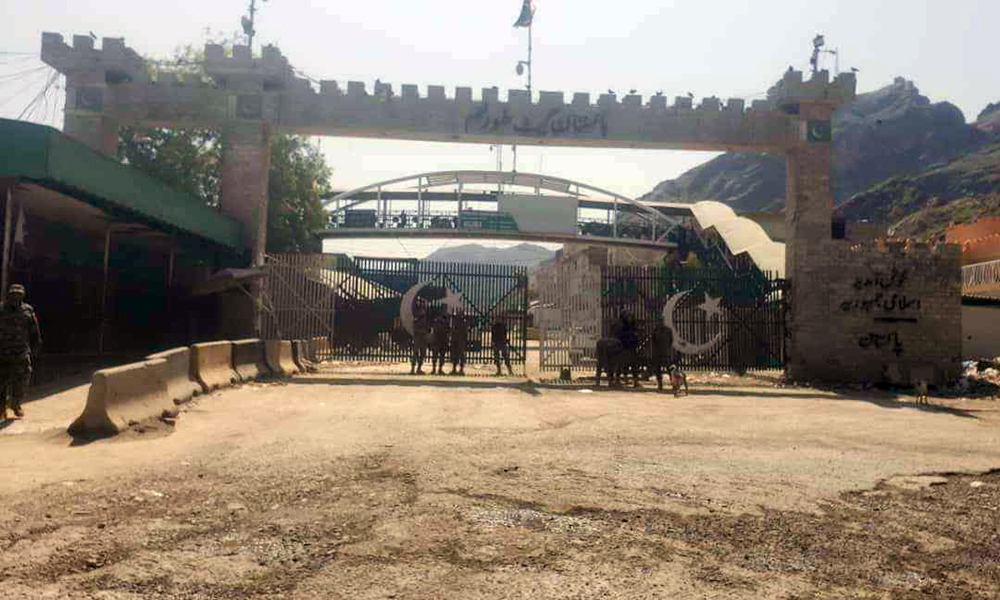
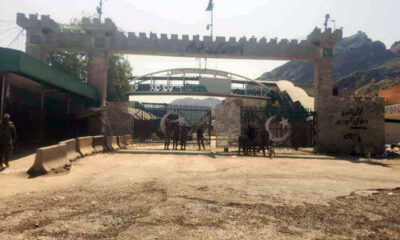
The Torkham border crossing was reopened on Thursday at 2 p.m. for Afghan migrants returning to the country after nearly a month of closure.
According to reports, the reopening has allowed the flow of Afghan returnees from Pakistan to resume, with many families entering Afghanistan through the crossing.
Torkham is considered one of the most important crossing gateways between Afghanistan and Pakistan.
Its closure had created significant challenges for migrants and disrupted crossing movement.
Latest News
Two killed, hundreds affected in severe floods in Kandahar
Tragically, two people, including a five-year-old child, lost their lives in Daman district as a result of the floodwaters.
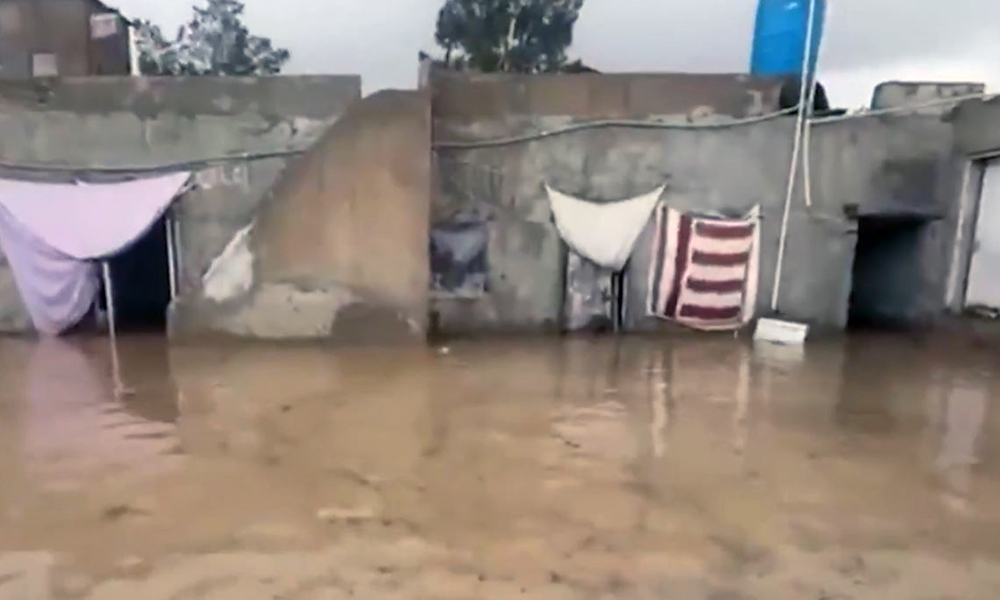
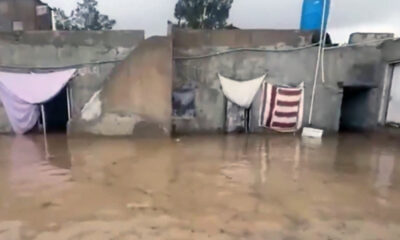
Heavy rainfall and subsequent flooding in Kandahar have caused significant destruction, leaving dozens of families affected, according to the province’s Department for Disaster Response and Preparedness.
Officials reported that approximately 85 homes in Kandahar city were either completely or partially destroyed due to the severe weather. Additionally, around 90 families living in temporary shelters were also impacted by the floods.
Tragically, two people, including a five-year-old child, lost their lives in Daman district as a result of the floodwaters.
Authorities confirmed that joint response teams have been dispatched to the affected areas to assess the damage and provide urgent humanitarian assistance to the displaced and affected families.
The local administration emphasized the need for coordinated relief efforts to help the flood-affected population recover from the disaster.


Tajikistan shifts stance on Afghanistan amid rising border tensions

Torkham crossing reopens for returning Afghan migrants

Afghanistan to face Myanmar in crucial AFC clash

Two killed, hundreds affected in severe floods in Kandahar

Afghanistan highlights water diplomacy at Tashkent ministerial forum

Pakistani military jet downed in Afghanistan’s Jalalabad, pilot captured alive

Afghan Air Force conducts airstrikes in Islamabad, other cities

Prominent Muslim scholar issues fatwa calling for Afghanistan-Pakistan ceasefire

Afghan air force strikes key Pakistani military installations in retaliatory operation

IEA: Special circle in Pakistan has launched mission to destabilize region

Tahawol: Efforts to release Mohammad Rahim from Guantanamo Bay Detention Camp

Saar: End of ceasefire between Afghanistan-Pakistan reviewed

Tahawol: Escalating threats between Iran-US discussed

Tahawol: Possibility of US ground forces entering Iran war discussed

Saar: Using US prisoners as political pressure
-
 Latest News4 days ago
Deadly violence likely without dialogue between Afghanistan and Pakistan: ICG
-

 Latest News3 days ago
Pakistan seeks Russian mediation to resolve Afghanistan tensions
-

 International Sports4 days ago
FIFA World Cup 2026: Play-Off Tournament takes centre stage
-
 Sport4 days ago
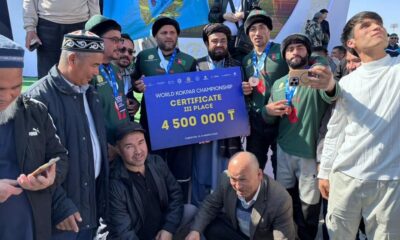
Afghanistan secures third place at 2026 World Kokpar Championship
-
 Business4 days ago
Afghani strengthens nearly 10% against US dollar amid banking sector reforms
-
 Latest News3 days ago
World must re-engage to prevent all-out Afghanistan-Pakistan war: Financial Times
-
 Regional5 days ago
Trump says US considering ‘winding down’ Iran war
-

 Sport2 days ago
Afghanistan squad hit by withdrawals ahead of AFC Asian Cup Qualifiers