
Latest News
U.S. Troops’ Reduction Won’t Affect Afghanistan’s Security: ARG

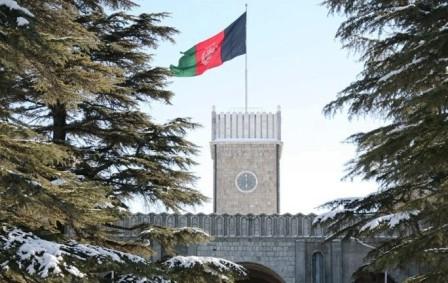
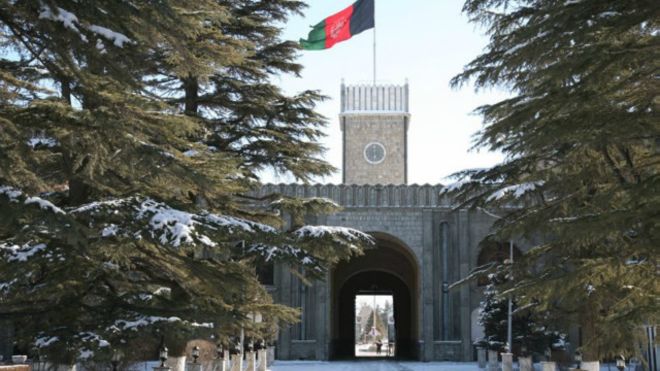
Following the reports of U.S. forces’ reduction from Afghanistan, the Presidential Palace on Friday said that the move would not affect the security in the war-weary country.
Fazl Fazly, a senior advisor to President Ashraf Ghani said that the Afghan government assumed full security responsibility at the end of 2014 after the departure of more than 100,000 U.S. troops from the country.
“Alarms raised about Afghanistan’s future in media were more rampant in Dec 2014. Most analysts believed that Afghanistan would collapse with the departure of more than 100,000 troops. But our brave defense & security forces proved these analysts wrong & defended the nation with great valor,” Fazly said in series of tweets.
He stressed that since the formation of the National Unity Government, the Afghan security forces have carried out the fight on the frontline and security of the entire country. “Despite the overwhelming war, our national armed and air forces have strengthened day by day and they will grow in strength even more,” Fazly said.
The official noted that the reduction of the few thousand foreign forces-that are engaged to advise , train and assist the Afghan military forces – will not affect the security in Afghanistan.
“If the few thousand foreign troops that advise, train & assist, leave it will not affect our security, in the past four & half years our security is completely in the hands of Afghans and the final goal is that ANDSF will stand on their feet to protect & defend soil on their own,” Fazly tweeted.
It comes after The New York Times reported that the Trump administration has ordered the military to start withdrawing roughly 7,000 troops from Afghanistan in the coming months, a move that stunned many Afghan officials.
The announcement came hours after Jim Mattis, the U.S. secretary of defense, said that he would resign from his position at the end of February after disagreeing with the president over his approach to policy in the Middle East including surprise decision to pull U.S. troops out of Syria.
The move to reduce U.S. military presence in Afghanistan from 14,000 to 7,000 troops comes Washington has recently stepped up diplomatic efforts to end the 17 years of war in Afghanistan. U.S. envoy for Afghanistan reconciliation Zalmay Khalilzad has met the Taliban representatives at least three times after taking over the charge in September.






Latest News
Defense minister: Russia military-technical cooperation deal aims to strengthen Afghanistan’s defense capabilities
“The practical work on this agreement will begin in the coming days, and discussions will focus on how to implement it effectively,” he said.
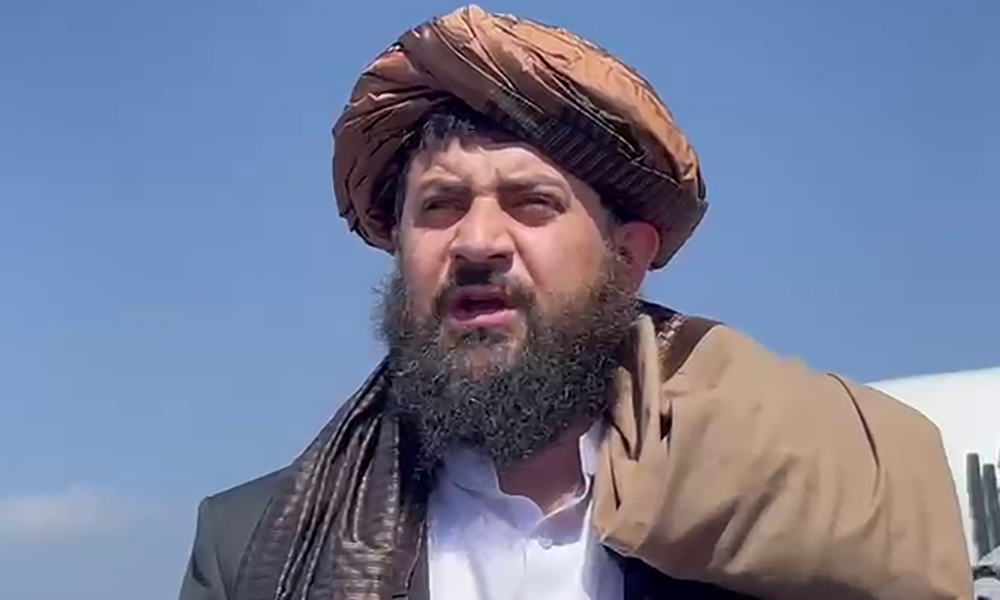
Mohammad Yaqoob Mujahid, Afghanistan’s Defense Minister, returned to Kabul on Saturday after attending an international security conference hosted by Russia, announcing that practical steps to implement a newly signed military-technical cooperation agreement between Kabul and Moscow will begin in the coming days.
Speaking upon his arrival at Kabul International Airport, Mujahid said the Afghan delegation participated in the Moscow conference at Russia’s official invitation. He noted that only a limited number of countries were given the opportunity to address the gathering, with Afghanistan among those represented.
Commenting on the agreement signed with Russia, Mujahid stressed that the document is a military-technical cooperation agreement rather than a defense or security pact.
“The practical work on this agreement will begin in the coming days, and discussions will focus on how to implement it effectively,” he said.
According to the defense minister, the agreement is intended to enhance Afghanistan’s ability to maintain, repair and improve military equipment, much of which was originally manufactured in Russia. He noted that Russian-made aircraft, helicopters and other military assets remain in service and require continued technical support.
Mujahid emphasized that Afghanistan’s policy is based on neutrality and non-aggression, adding that any progress in the military sector is aimed at strengthening national defense and contributing to regional stability.
He also noted that Afghanistan possesses military equipment from other countries, including the United States and Brazil, and said Kabul could consider similar technical cooperation agreements with those countries if mutual interest exists.
The defense minister reiterated that Afghanistan’s national interests remain the primary consideration in all international agreements and that no deal would be concluded at the expense of the country’s sovereignty or interests.
Addressing concerns raised by some countries regarding the agreement with Moscow, Mujahid said Afghanistan poses no threat to any nation and that military development should not be viewed as a source of concern.
Referring to Pakistan, he said Islamabad may have reservations about the agreement, adding that Afghanistan is working to strengthen its defensive capabilities.
“Several months ago, Pakistan could carry out airstrikes in parts of Afghanistan with considerable confidence. We are working to ensure that no one will have such confidence in the future,” Mujahid stated.
He concluded by saying that Afghanistan requires stronger defense capabilities and that discussions on future defense systems, security cooperation, and military development will continue as the country seeks to enhance its ability to protect its territory and sovereignty.
Latest News
Afghanistan war crimes claims review dismissed, UK inquiry hears
Britain’s Ministry of Defence has denied wrongdoing by the military as an institution but has faced criticism over attempts to limit the release of evidence presented to the inquiry.
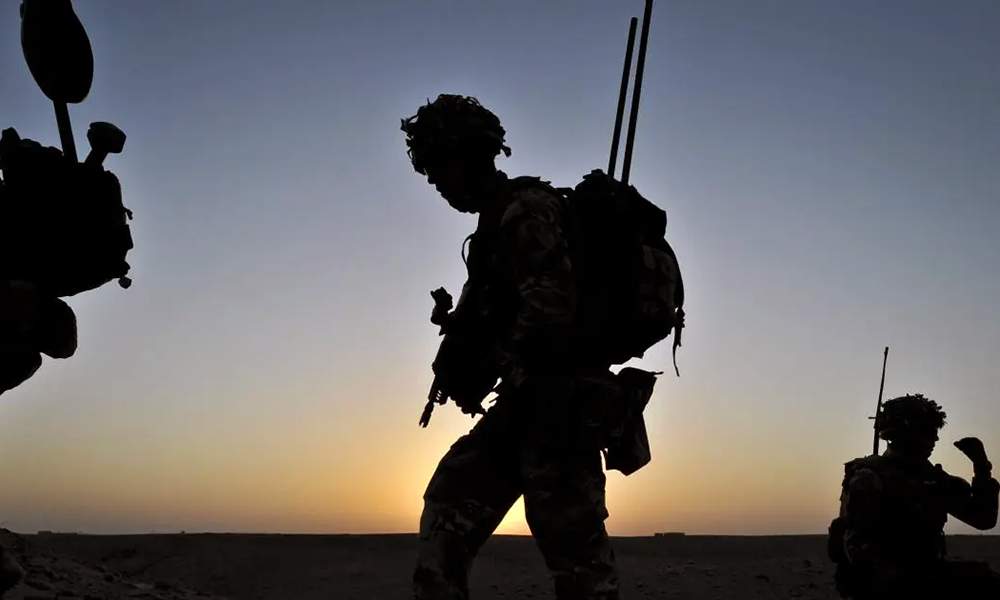
A judge-led inquiry into alleged war crimes committed by British special forces in Afghanistan has heard that an initial internal review of the allegations was dismissed within a single day, according to newly declassified documents.
The documents, released on Friday as part of the ongoing public inquiry, suggest senior British special forces officers failed to properly investigate repeated reports that members of the Special Air Service (SAS) had unlawfully killed unarmed Afghans during operations in the country.
The inquiry is examining allegations surrounding the deaths of 80 people during SAS counter-terrorism raids in Afghanistan between 2010 and 2013. It was established in 2023 following years of legal challenges and media investigations that uncovered claims of unlawful killings, the planting of weapons on civilians and the destruction of potentially incriminating evidence.
Among the latest evidence is testimony from a former senior officer, identified only by the cipher N2252, who served as chief of staff to the director of British special forces in 2010 and 2011.
According to the released documents, N2252 raised concerns after receiving reports that the number of people killed during some SAS operations exceeded the number of weapons recovered at the scenes.
The inquiry has previously heard that following a February 2011 raid in Afghanistan in which eight people, including a 15-year-old boy named Mohammad Taher, were killed, the officer alerted a senior military legal adviser to what he described as yet another case of “more bodies than weapons.”
In another operation, known as Objective Tyburn, internal correspondence reportedly noted that four individuals had been classified as enemy fighters killed in action while only two weapons were recovered.
The newly released material also suggests that senior special forces officers were reluctant to refer the growing allegations to military police investigators, with concerns repeatedly dismissed as unverified rumours despite mounting reports from within the military.
The inquiry was launched after a senior British special forces officer came forward with allegations that members of an SAS unit had committed war crimes in Afghanistan. The whistleblower reportedly told investigators that a “cancer had infected” part of the regiment and alleged that prisoners had been unlawfully killed during operations.
The inquiry, led by Lord Justice Charles Haddon-Cave, continues to examine evidence in both public and closed sessions. While many documents have been released, large portions remain redacted due to national security concerns and the protection of the identities of special forces personnel and witnesses.
Britain’s Ministry of Defence has denied wrongdoing by the military as an institution but has faced criticism over attempts to limit the release of evidence presented to the inquiry.
The investigation remains ongoing, with further hearings expected in the coming months.
Latest News
Deadly highway crash in Laghman kills 18, injures 29
Officials said the victims included 10 children, five women and three men, who had been returning to Afghanistan from Pakistan where they had lived as refugees.
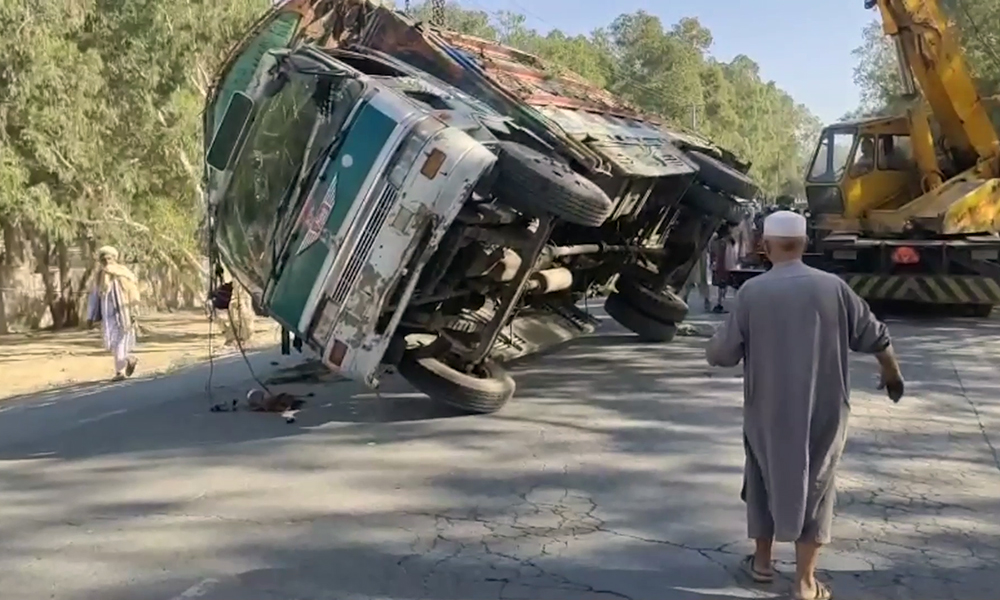
At least 18 people were killed and 29 others injured after a truck carrying returning refugee families overturned on the Kabul–Jalalabad highway in eastern Afghanistan early Saturday, local authorities said.
According to the Laghman Provincial Media and Public Relations Office, the accident occurred at approximately 5:30 a.m. near the Surkhakan intersection in Laghman province.
Officials said the victims included 10 children, five women and three men, who had been returning to Afghanistan from Pakistan where they had lived as refugees.
Emergency responders, including traffic police and members of the provincial migrant affairs committee, arrived at the scene shortly after the incident and launched rescue operations. The injured were subsequently transferred to medical facilities in neighboring Nangarhar province for treatment.
Authorities have not yet disclosed the cause of the accident, and an investigation is expected to determine the circumstances that led to the vehicle overturning.
Road accidents remain a persistent challenge in Afghanistan, where poor road conditions, overcrowded vehicles, speeding, and limited traffic enforcement frequently contribute to deadly crashes.


Defense minister: Russia military-technical cooperation deal aims to strengthen Afghanistan’s defense capabilities

Afghanistan war crimes claims review dismissed, UK inquiry hears

Deadly highway crash in Laghman kills 18, injures 29

Hajj minister attends closing ceremony of hajj season in Mecca

Pentagon chief sounds ‘alarm’ over China’s buildup, urges allies to boost defence spend

New Afghanistan-China transport corridor launched via Turkmenistan

Afghanistan signs $46 million deal to develop standard laboratory complexes

Germany to launch online visa system for Afghan study and work applicants in Pakistan

Large blast near Beit Shemesh part of pre-planned test: Israeli defense firm

Trump returns from China with stability but little progress

Tawsia: Afghanistan’s weekly economic roundup reviewed

Tahawol: Kabul Pursuing Constructive Regional Diplomacy

Saar: Afghanistan, Russia sign military cooperation agreement

Saar: IEA seeking Sharia-based global engagement

Tahawol: Islamic Emirate defense minister’s visit to Russia
-
 Sport3 days ago
Afghanistan announce squad for India series
-
 Latest News2 days ago
Afghanistan, Russia sign military cooperation agreement
-
 Latest News3 days ago
‘We will never bow our heads before infidels,’ says IEA Supreme Leader
-
 Latest News2 days ago
Mujahid calls for stronger Afghanistan-Russia relations during Moscow meeting
-
 Business2 days ago
Afghanistan expands oil production as investment in Amu Darya fields grows
-
 Latest News4 days ago
China and Pakistan deepen Afghanistan cooperation after Beijing talks
-
 Latest News1 day ago
Work on TAPI project in Afghanistan ongoing and accelerating: Mujahid
-
 Latest News2 days ago
Afghanistan calls for global cooperation on climate change as country faces rising environmental risks