
Latest News
UN report states justice system is failing Afghan women and girls

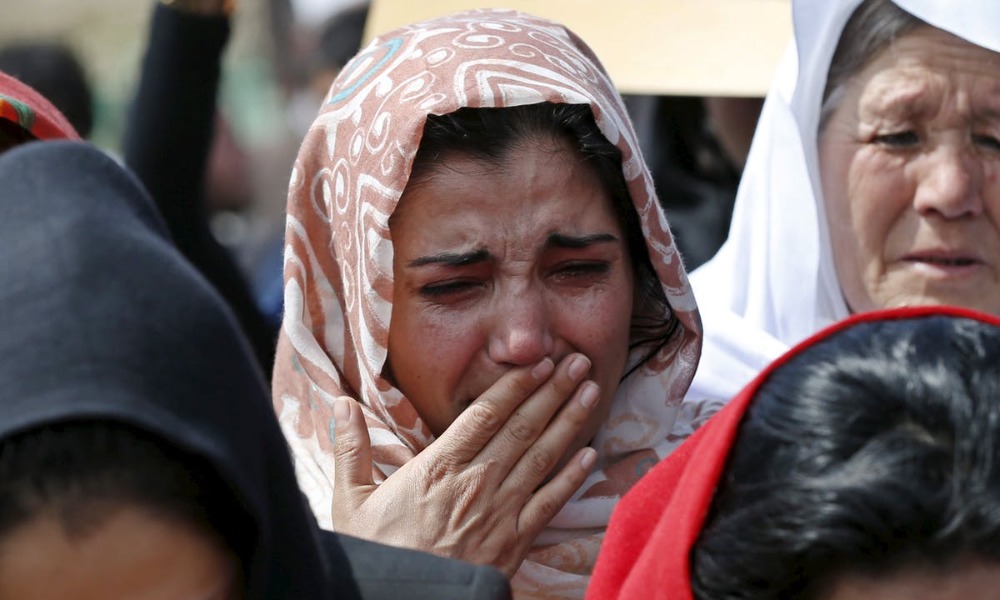
Afghan women and girls are being failed by the country’s justice system as their access to justice for crimes of violence is shaky, a new report released Monday by the UN Assistance Mission in Afghanistan (UNAMA) and the UN Human Rights Office stated.
The report, titled, “In Search of Justice for Crimes of Violence Against Women and Girls,” examines the response of the justice system and assistance provided to survivors in reported cases of violence against women and girls in the period between September 2018 and February 2020.
The report acknowled the response by the justice system to violence against women and girls continues to improve, but stated that progress has been limited.
“UNAMA found that only half of reported crimes reached a primary court, with perpetrators convicted in around 40 percent of all documented cases, a statement issued by the UN read.
“The stark reality is that too many women and girls still fail to see justice for the violence they experience, and impunity remains far too common,” said Deborah Lyons, the Secretary-General’s Special Representative for Afghanistan.
According to the report, one in every five women in cases documented by UNAMA decided not to pursue their case through justice channels by either not filing a complaint or later withdrawing it.
“The failure by State authorities to pursue crimes in such cases is particularly disturbing in cases of child marriage, as victims are unlikely to be able to independently seek recourse from the system,” UNAMA stated.
The mission stated that “UNAMA monitoring underscores how many women resort to self-immolation or suicide due to violence, suggesting they feel that the justice system does not offer a realistic path to escape.”
According to the report, the findings have raised multiple concerns about the justice system’s treatment of women and girls, such as low rates of conviction for so-called “honour killings” – just 23 percent as compared to a conviction rate of 51 percent for murders unrelated to “honour”.
Other issues raised in the report include the problematic handling of rape cases and the ongoing detention of women for “running away”.
“Far too many times, the justice system re-victimizes survivors instead of working on their behalf. This trend must stop. Serious efforts must continue to enable women and girls to access justice and to ensure that they are treated with dignity by the justice system,” said Fiona Frazer, UNAMA’s Human Rights Chief and Representative of the UN High Commissioner for Human Rights in Afghanistan.
UNAMA has meanwhile called for the Elimination of Violence Against Women Law (EVAW Law) to be amended to expand the powers of the authorities to investigate and prosecute all crimes in the Law and to strengthen institutional responses to crimes of violence against women and girls.
In addition, the UN in Afghanistan has called on all Afghans, including national, provincial and local authorities, community and religious leaders, and individual Afghans, to increase efforts to prevent and reform violence against women and girls.
“This is particularly important in the context of the outbreak of COVID-19, where ongoing monitoring by UNAMA suggests that violence against women and girls has increased, as have difficulties for victims to report crimes and access safety and justice,” the statement read.
UNAMA Human Rights has been documenting incidents of violence against women and girls since 2010 and monitoring government efforts to address such incidents, particularly through the implementation of the EVAW Law, 2009.

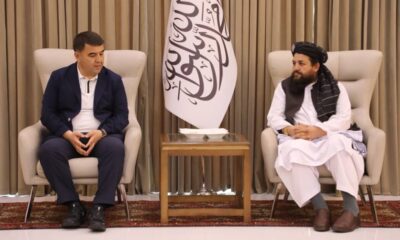




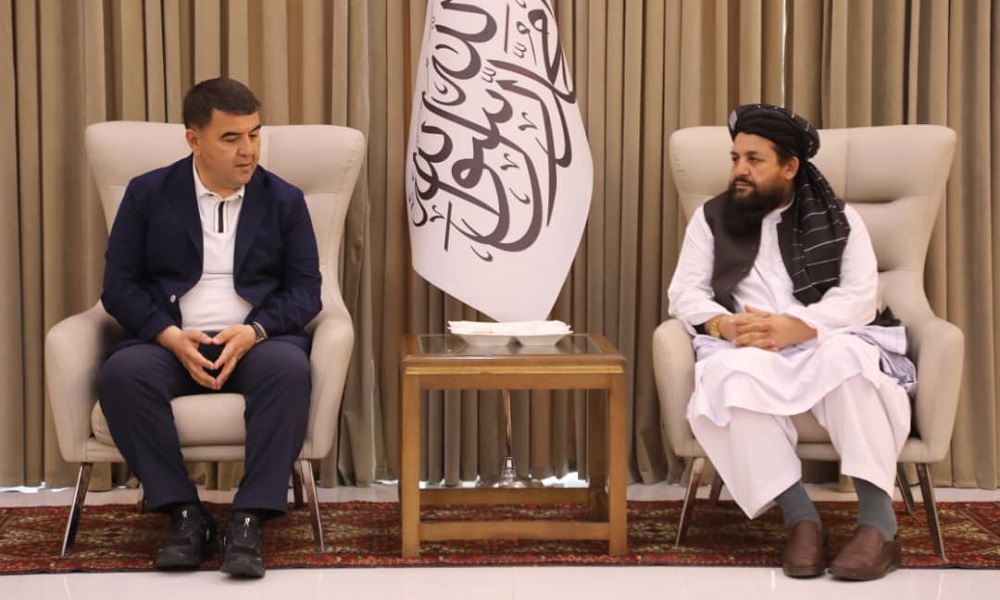
A high-level government–private sector delegation from Uzbekistan, led by Shukhrat Abdullazakov, Governor of Namangan province, arrived in Kabul to enhance trade between the two countries and promote investment in Afghanistan.
According to a press release from the Ministry of Industry, the delegation, which includes deputy governors and more than 30 of Uzbekistan’s top businesspeople and investors, will meet with officials of the Islamic Emirate of Afghanistan and participate in conferences and trade meetings.
The delegation will also travel to Balkh, meet with local officials, and hold business meetings with members of the private sector.
Additionally, the delegation will inaugurate an exhibition of Uzbek products and goods in Mazar-i-Sharif.
This visit follows the trip of Erkinjon Turdimov, Governor of Uzbekistan’s Syrdarya Province, and his accompanying delegation, and is based on meetings between Nuruddin Azizi, Minister of Industry and Trade of the Islamic Emirate, and senior Uzbek officials.
Other governors from Uzbekistan are also expected to visit Afghanistan to further expand bilateral trade and economic relations.
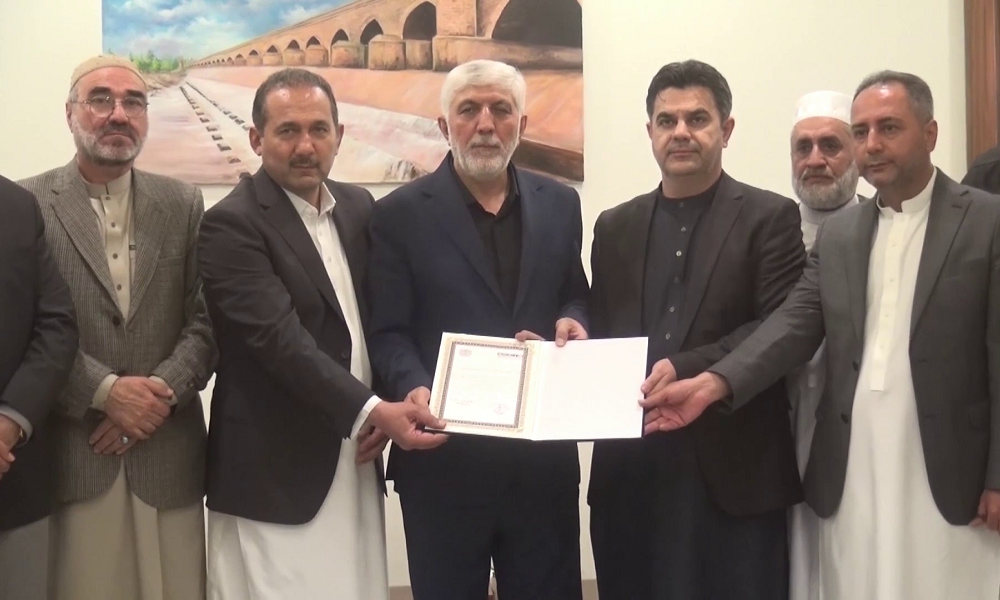
The Herat Chamber of Commerce and Investment announced on Saturday that national traders, jointly through the chamber, have provided approximately 15 million AFN in aid to the people of Iran.
The chamber stated that this aid package was delivered to the Iranian Consulate in Herat. It added that the assistance was intended to express solidarity with families affected by the war.
Mohammad Younes Qazizadeh, head of the Herat Chamber of Commerce and Investment, said: “Today we have presented 15 million AFN to the dear people of Iran through the Herat provincial authorities and the Iranian Consulate, and this aid will continue.”
Meanwhile, officials at the Iranian Consulate in Herat emphasized that Afghanistan and Iran always stand together and fully understand each other’s difficulties.
The Herat Chamber of Commerce and Investment also highlighted that the people of Iran have consistently supported the people of Afghanistan during various crises, and their cooperation in different sectors has reached families affected in the country.
Officials of the Herat Chamber of Commerce and Investment stressed that the process of private-sector humanitarian aid to the affected people of Iran will continue.
Following attacks by the United States and Israel on Iran, many people in the country have been affected and harmed.
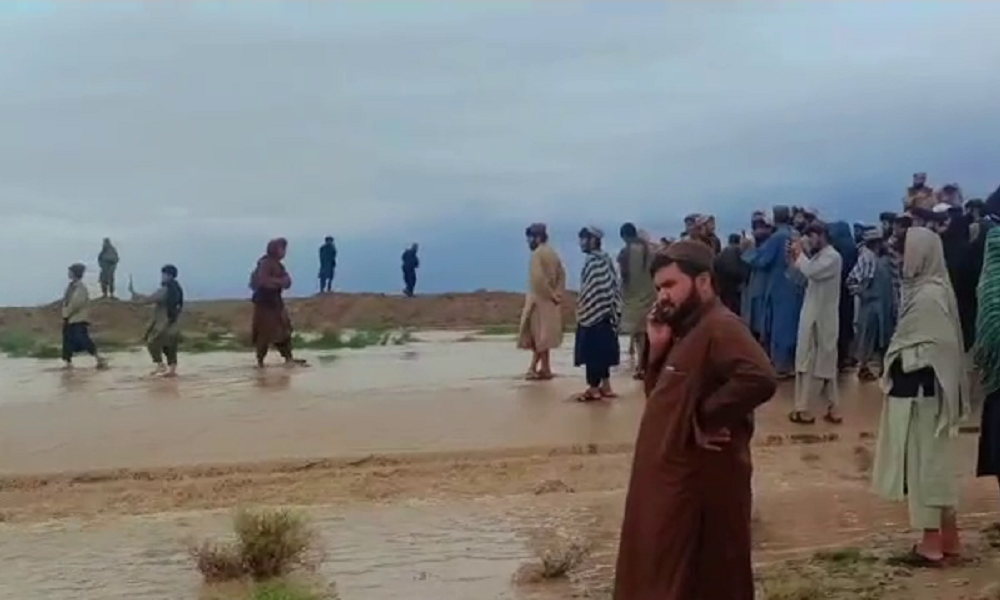
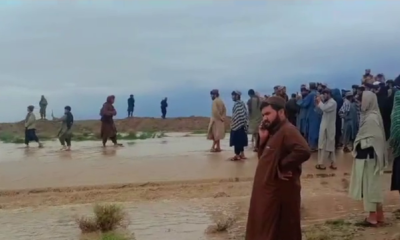
Local officials in Badghis have reported that heavy rainfall from midnight until Saturday morning claimed the lives of five people in the province.
According to officials, three people died in Qadis district, while two others, including a three-year-old child, lost their lives in Dara-e-Bum district.
The Badghis Department for Disaster Management stated that the floods not only caused fatalities but also inflicted significant financial losses on local residents and destroyed agricultural land.
However, complete information on the extent of damage and casualties is not yet available. Staff from various government departments have been dispatched to affected areas to conduct preliminary surveys.
Meanwhile, heavy rains and floods in western Afghanistan temporarily blocked the Herat–Kandahar Highway.
According to Mohammad Israil Sayar, head of the Disaster Management Department in Farah province, recent rainfall has caused the Farah River to swell significantly. He added that the situation has now returned to normal, and traffic along the highway has resumed.


Tahawol: Concerns over spread of Middle East crisis discussed

Saar: Weakening relations between Kabul and Washington discussed

High-level Uzbek delegation arrives in Kabul to boost bilateral trade

Herat Chamber of Commerce donates 15 million AFN to the people of Iran

Severe floods in Badghis leave five dead

Pakistani military jet downed in Afghanistan’s Jalalabad, pilot captured alive

Afghan Air Force conducts airstrikes in Islamabad, other cities

Prominent Muslim scholar issues fatwa calling for Afghanistan-Pakistan ceasefire

Afghan air force strikes key Pakistani military installations in retaliatory operation

IEA: Special circle in Pakistan has launched mission to destabilize region
Tahawol: Concerns over spread of Middle East crisis discussed
Saar: Weakening relations between Kabul and Washington discussed

Exclusive interview with Indrika Ratwatte, Deputy UN Special Representative for Afghanistan

Tawsia: Efforts to boost Afghanistan’s domestic production and economic diplomacy

Tahawol: Discussion on day 27 of Iran–US war
-
 Latest News3 days ago
Tajikistan shifts stance on Afghanistan amid rising border tensions
-
 Latest News5 days ago
Around 2.3 million tourists visited Afghanistan’s recreational areas during Eid: Ghufran
-

 Sport5 days ago
Afghanistan squad hit by withdrawals ahead of AFC Asian Cup Qualifiers
-
 Latest News5 days ago
Islamic Emirate releases American prisoner Dennis Coyle
-
 Latest News4 days ago
Two civilians killed, eight injured in fresh shelling by Pakistan in Kunar
-
 Latest News2 days ago
Russia deems US military presence in Afghanistan unacceptable
-
 Regional5 days ago
US allies in Middle East ‘edging closer’ to joining conflict
-
 Latest News2 days ago
IEA says Iranian drivers no longer need visas to enter Afghanistan