
Latest News
UNAMA: All Afghan parties should work together to resolve their differences peacefully

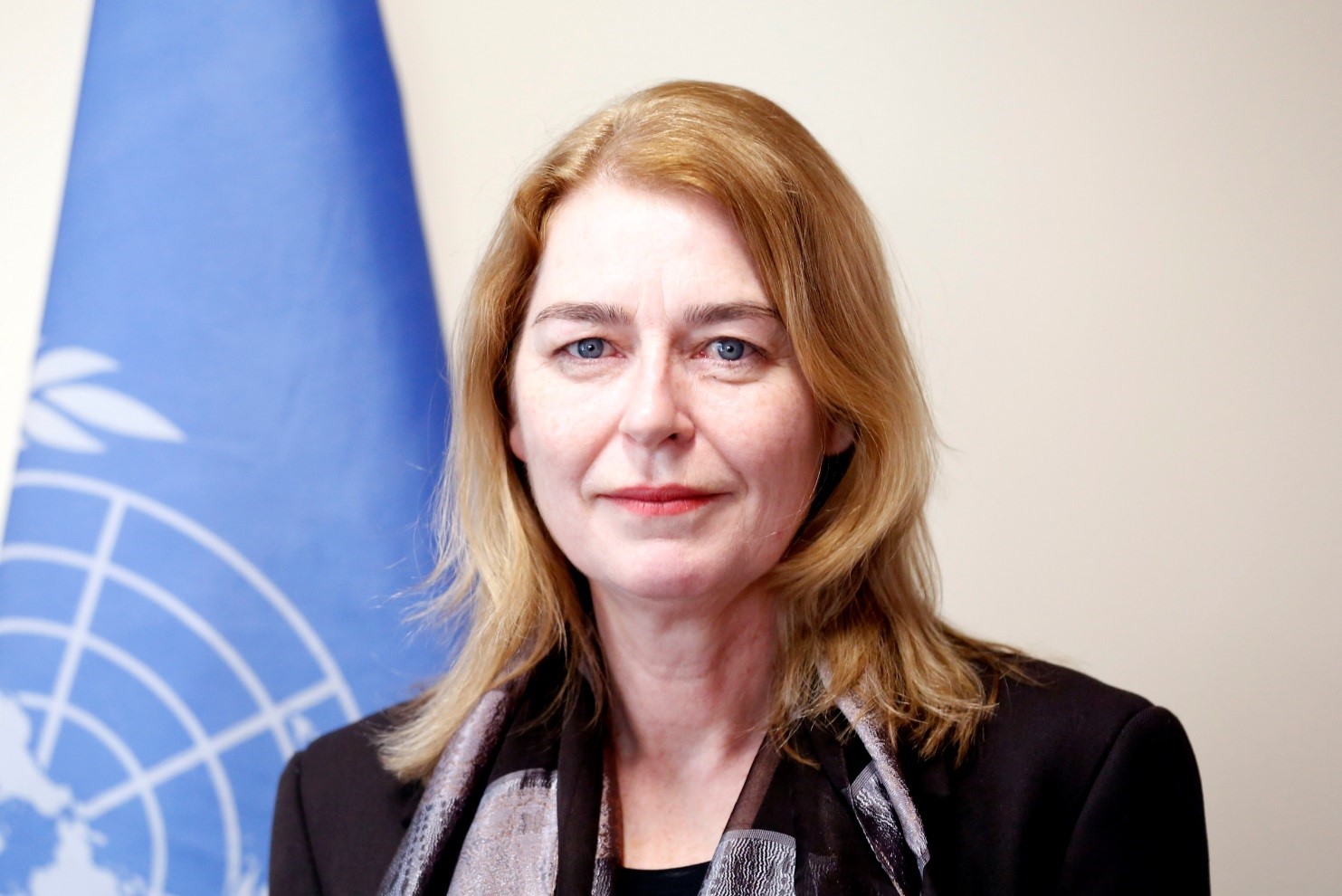
 The United Nations Assistance Mission in Afghanistan is urging all Afghan parties to work together to resolve their differences peacefully for the good of the people of Afghanistan, said Ms. Ingrid Hayden the Secretary-General’s Deputy Special Representative for Afghanistan and OIC UNAMA.
Ms. Hayden started her speech for the members of Security Council on March 31 with talking about the crucial moment in the history of Afghanistan saying that “Afghanistan appears to be reaching a defining moment. Almost two decades after the start of the coalition intervention, the question for the Islamic Republic now is: can its leaders rally together to engage in meaningful talks with the Taliban to achieve a sustainable peace?”
She then talked about the Afghan presidential election, saying, “Afghanistan’s presidential election, which took place on 28 September of last year, was a protracted process. The reasons why are well-documented, but now is not the time for acrimony. The issue at hand is preserving the Islamic Republic and advancing the values its Constitution enshrines.”
About the parallel inauguration ceremonies held by Ashraf Ghani and Abdullah Abdullah Ms. Hayden said, “This prompted serious concerns in many quarters, Afghans and internationals alike, of the potential for a dangerous miscalculation which could have long-lasting implications for the future of the Republic.”
Ms. Hayden added, “As I speak, this impasse continues, despite intensive engagement by key stakeholders, particularly the United States, regional actors and Afghan political leaders, aimed at ending the brinkmanship.”
Following the political turmoil, the US decided to reduce its assistance by 1 bn USD for 2020 and their preparedness to the same the year after if the political conflict continues in Afghanistan.
Ms. Hayden underlined that Afghanistan is heavily relying on donor funding, and the US fund cut could have severe consequences for “Afghanistan’s fiscal viability” and “socio-economic outcomes in the country.”
Speaking about the continued investment and international funding in the crucial situation of COVID-19, Ms. Hayden stated that Afghanistan should demonstrate a “compelling case
Now, with the onslaught of COVID-19, many donors are likely to turn inwards to meet the needs of their own population. Afghanistan needs to demonstrate a “compelling case for the continued investment of international resources.”
She also said, “UNAMA is urging all Afghan parties to work together to resolve their differences peacefully for the good of the people of Afghanistan. Now is not the time for divisions. Now is the time for statesmanship, accommodation and inclusivity. The interests of Afghans must come first – including the rights of all women, minorities and youth.”
To resolve the conflict, according to Ms. Hayden is a profound responsibility for all the Afghan leaders.
Ms. Hayden called the agreement between the Afghan laterals on a diverse negotiation team “heartening” amid the political impasse.
She then talked about the importance of women taking part in the Intra-Afghan Talks saying that “It is an important recognition that women can and must be involved in reaching any sustainable and lasting peace in Afghanistan.”
UNAMA has encouraged the Taliban to reciprocate by including women in their delegation who have an empowered decisive voice at the table. Doing so would send a tangible signal that the movement has fundamentally reformed, Ms. Hayden underlined.
She also stated that all sides were urged to take concrete steps to make the prospect of Intra-Afghan negotiations a reality.
Having announced its negotiating team, the Islamic Republic has the weighty task of equipping its negotiators with the necessary skills to help frame its agenda, and the necessary principles to secure and advance the rights of its citizens, said Ms. Hayden.
Hayden also talked about the recent developments on the prisoner release saying, “If carefully managed, could form an important confidence-building measure to start the peace process.”
UNAMA also welcomed the three teleconferences between the Taliban and the Afghan government and urged the parties to resolve the prisoner release issue swiftly in accordance with international law.











Kazakhstan’s Foreign Minister Mukhtar Tileuberdi has called for pragmatic and coordinated international engagement with Afghanistan, saying the country’s long-term stability is closely linked to the security and sustainable development of Central Asia.
Speaking during the general debate of the 81st session of the United Nations General Assembly in New York on Friday, Tileuberdi said humanitarian assistance to Afghanistan remains essential but alone cannot break the cycle of poverty, displacement and dependency.
He said Kazakhstan supports a “pragmatic, coordinated and step-by-step” approach to international engagement with Afghanistan, with the United Nations playing a central role.
Tileuberdi also said Kazakhstan is working with the UN to operationalize the United Nations Regional Centre for the Sustainable Development Goals for Central Asia and Afghanistan in Almaty.
He said the success of the centre should be measured by the results and assistance it delivers to the region.


Abu Muslim Farah defeat Khurasan Faryab 2-0 in ACL season six

Saar: Concerns over Pakistan’s political crisis discussed

Afghanistan Champions League: Omar Zawak Herat beat Toofan Herat 1-0

Blast in Pakistan’s Dera Ismail Khan kills 11, injures 30

Ariana Afghan Airlines increases Kabul-Delhi cargo flights

Saudi energy group signs major Afghanistan deals covering gas exploration and pipeline plans

Trump floats idea of renaming Atlantic or Pacific Ocean

US hits Egyptian bank branches with Iran sanctions as war marks six months

Nepal flood rescue mission enters critical phase as thousands remain missing

Iranian clubs to face Gulf opponents at neutral venues in Asian Champions League Elite
Saar: Concerns over Pakistan’s political crisis discussed

Exclusive interview with Abdul Latif Mansoor, Minister of MRRD

Tawsia: Overview of Afghanistan’s iron mines

Tahawol: Discussion on fresh Pakistani airstrikes on Afghanistan

Saar: Calls for international support for Afghanistan discussed
-

 World5 days ago
CNN, MS NOW and Politico sue Trump, challenging White House ban
-

 Latest News4 days ago
Ariana Afghan Airlines ranks seventh among 45 Central Asian airlines
-

 Latest News5 days ago
UN reiterates call for respect for international law after Kunar airstrikes
-

 Regional4 days ago
US and Iran hold first talks since June after Trump’s ‘annihilation’ threat
-

 Latest News4 days ago
Silk Road highway in Wakhan corridor now reaches the China border
-

 Regional3 days ago
Iran airlines cancel flights as US sanctions hit
-

 Latest News5 days ago
Afghan Official: Pakistan’s airstrikes will not go unanswered
-
 Regional5 days ago
G7 foreign ministers call on Iran to stop arming Houthis