
Health
UNICEF issues emergency tender to secure mpox vaccines
Depending on the production capacity of manufacturers, agreements for up to 12 million doses through 2025 can be made, according to the statement.


The United Nations Children’s Fund (UNICEF) has issued an emergency tender to secure mpox vaccines for crisis-hit countries in collaboration with the Gavi vaccine alliance, Africa CDC and the World Health Organization, the organizations said in a joint statement on Saturday.
Depending on the production capacity of manufacturers, agreements for up to 12 million doses through 2025 can be made, according to the statement.
Under the tender, UNICEF will set up conditional supply agreements with vaccine manufacturers, the statement said.
This will enable UNICEF to purchase and ship vaccines without delay, once financing, demand, readiness and regulatory requirements are confirmed, Reuters reported.
The collaboration – which would also include working with the Vaccine Alliance and the Pan American Health Organization as well as with Gavi, the Africa Centers for Disease Control and Prevention and WHO – would facilitate donations of vaccines from existing stockpiles in high-income countries.
The statement added that WHO is reviewing information submitted by manufacturers on Aug. 23, and expects to complete a review for an emergency use listing by mid-September.
The agency is reviewing applications for emergency licences for two vaccines made by Bavarian Nordic (BAVA.CO), opens new tab and Japan’s KM Biologics, read the report.
Earlier in August, the WHO declared mpox a global public health emergency following an outbreak of the viral infection in the Democratic Republic of Congo that spread to neighbouring countries.
More than 18,000 suspected cases of mpox have been reported in Congo so far this year with 629 deaths, while over 150 cases have been confirmed in Burundi, WHO Director-General Tedros Adhanom Ghebreyesus said.
Sweden and Thailand have confirmed cases of the clade Ib type of the virus, outside of the Democratic Republic of Congo and neighboring countries.




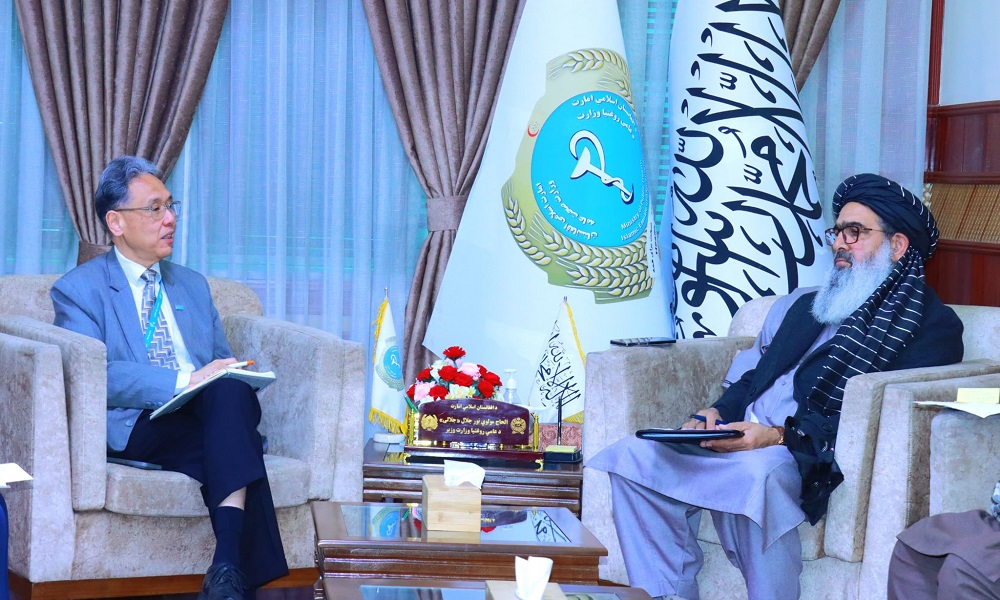
Afghanistan’s Minister of Public Health, Noor Jalal Jalali, met with the head of the World Health Organization in Afghanistan, Edwin Ceniza Salvador, to discuss expanding healthcare services and strengthening coordination in the country.
According to a statement issued Tuesday by the Ministry of Public Health, the meeting was attended by officials from the WHO and other representatives and focused on key health sector priorities and areas of mutual cooperation.
Participants discussed the expansion of health services across Afghanistan, capacity-building initiatives for healthcare workers, and the development of cancer-related services. They also reviewed operational coordination, transparency in the delivery of health services, and preparations for upcoming health-related meetings.
During the meeting, Jalali emphasized the importance of aligning health projects and services with the ministry’s national policies and strategic documents.
He stressed that all health initiatives should be implemented based on the priorities and needs identified by the Ministry of Public Health.
The minister also urged WHO officials to enhance transparency and strengthen coordination with the ministry while taking practical steps to improve the quality of health services and ensure broader public access to healthcare across the country.
For his part, Salvador reaffirmed the WHO’s commitment to maintaining close cooperation with the Afghan health ministry and to delivering essential health services in accordance with the ministry’s policies and priorities.
Health
Afghanistan faces acute shortage of specialist doctors, officials urge ethics and expansion of health services
Noor Jalal Jalali, the Minister of Public Health, said the ministry is making sustained and intensive efforts to address the gap and expand access to healthcare services in remote and underserved areas of the country.
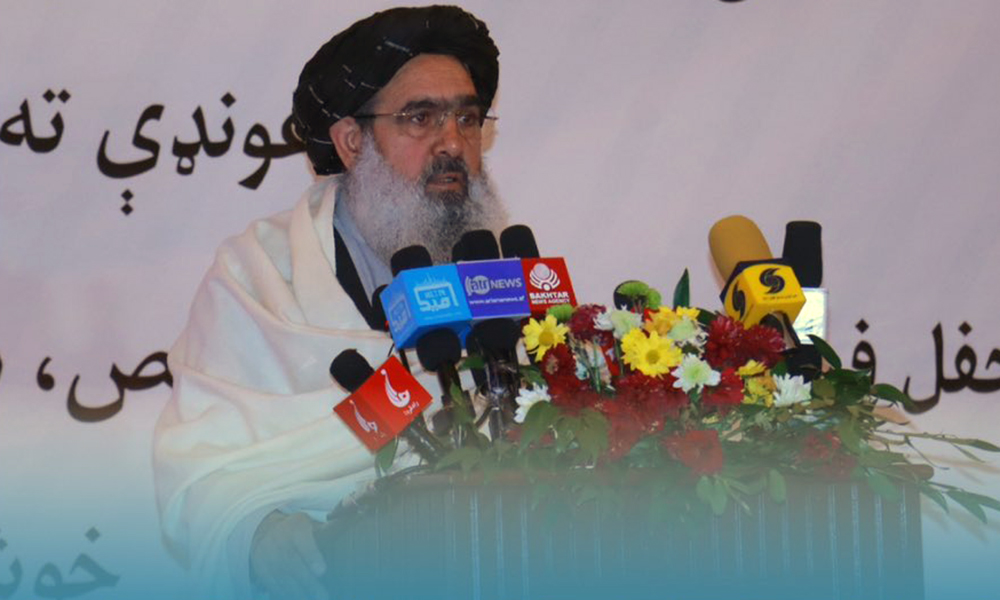
Afghanistan is continuing to face a serious shortage of specialist doctors, health officials said during the graduation ceremony of specialist physicians from the General Directorate of Medical Specialization for the year 1404.
Noor Jalal Jalali, the Minister of Public Health, said the ministry is making sustained and intensive efforts to address the gap and expand access to healthcare services in remote and underserved areas of the country.
According to Jalali, hospitals are still absent across 318 districts nationwide. He added that initial construction work for hospitals has been completed in 100 of these areas, stressing that strengthening health infrastructure and training qualified specialists remain top priorities for the ministry.
Jalali also called on doctors and health officials to uphold their professional and religious responsibilities by treating patients with compassion, dignity, and good conduct. He emphasized that medical practice should not be driven by material gain, but by the pursuit of public service and the well-being of the people.
Speaking at the same ceremony, Hamdullah Nomani, Minister of Communications and Information Technology noted a decline in public trust toward some medical professionals, saying that despite the presence of many committed and ethical doctors, the behavior of a few motivated solely by financial gain has undermined patient confidence. He urged newly graduated specialists to serve with sincerity and restore public trust in Afghanistan’s healthcare system.
Meanwhile, Abdul Wali Sadiqi, the financial and administrative deputy minister of public health, advised graduates to remain committed to their profession, fulfill their responsibilities honestly, and serve the public with dedication. He stressed that efforts in national service should match those made in personal affairs.
In addition, Abdul Baqi Haqqani, head of the National Examinations Authority, highlighted that humans carry two fundamental responsibilities: worship of Allah and preservation of health, underscoring the vital role doctors play in safeguarding public health.
Health sector experts say Afghanistan now needs skilled and professional medical personnel more than ever, calling for increased investment in specialist training and healthcare infrastructure to meet the country’s growing needs.
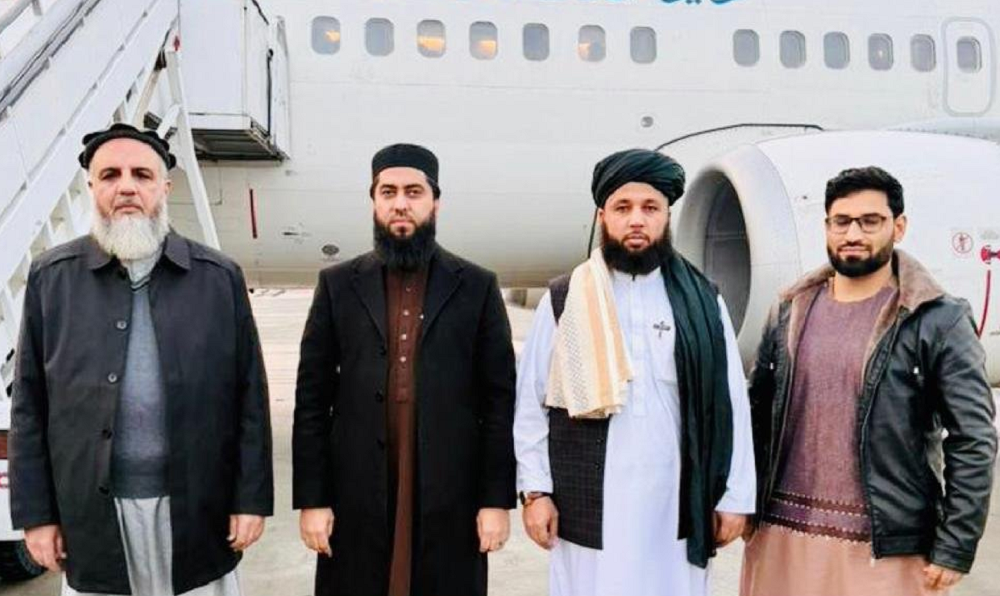
Naemullah Ayoubi, Director General of Drug and Health Products Regulation at Afghanistan’s Ministry of Public Health, has departed for Turkey on an official visit accompanied by a technical delegation.
The Ministry of Public Health said the delegation will hold meetings with officials from Turkey’s pharmaceutical regulatory authority and discuss a number of key issues related to the regulation of medicines and health products.
The delegation is also scheduled to visit several pharmaceutical manufacturing factories in Turkey.
According to the ministry, the visit aims to strengthen coordination between the two countries in the production and import of medicines, in order to ensure the availability of high-quality and affordable pharmaceuticals for people in Afghanistan in both the short and long term.


World must re-engage to prevent all-out Afghanistan-Pakistan war: Financial Times

UN chief urges investment in water systems to advance gender equality

North Korea’s Kim Jong Un reappointed as president of state affairs, KCNA says

Tahawol: Possibility of US ground forces entering Iran war discussed

Water crisis deepens in Afghanistan as families struggle for access

Pakistani military jet downed in Afghanistan’s Jalalabad, pilot captured alive

Afghan Air Force conducts airstrikes in Islamabad, other cities

Prominent Muslim scholar issues fatwa calling for Afghanistan-Pakistan ceasefire

Afghan air force strikes key Pakistani military installations in retaliatory operation

IEA: Special circle in Pakistan has launched mission to destabilize region
Tahawol: Possibility of US ground forces entering Iran war discussed

Saar: Using US prisoners as political pressure

Tahawol: Pakistan’s efforts to destabilise Afghanistan

Saar: Decline in international assistance to Afghanistan

Tawsia: Assessment of Afghanistan’s economic activities in 1404
-
 Latest News5 days ago
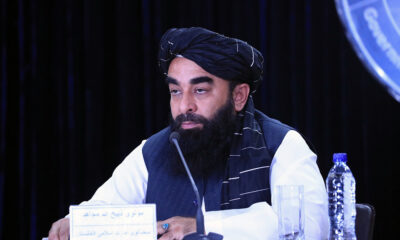
IEA announces temporary pause in defensive operations against Pakistan for Eid
-

 Latest News4 days ago
Pakistani shelling hits Kunar districts despite ‘pause in hostility’ over Eid
-
 Latest News5 days ago
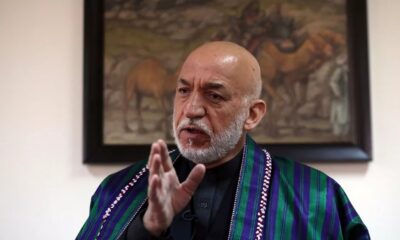
Karzai accuses Pakistan of seeking to destabilise Afghanistan after Kabul strike
-

 Sport3 days ago
Afghanistan national buzkashi falls short in Kokpar World Championship semifinals
-
 Regional4 days ago
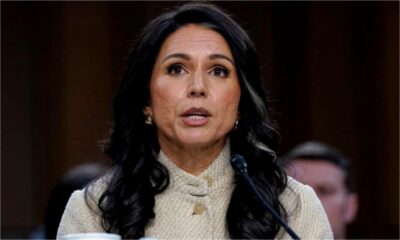
Pakistan among top nuclear threats to America, US intelligence chief tells senate
-
 Latest News5 days ago
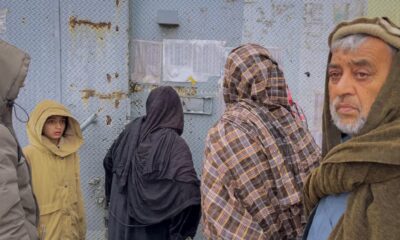
Muslim scholars condemn Kabul hospital attack, urge ceasefire
-
 Latest News4 days ago
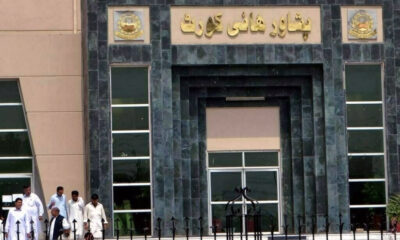
Peshawar High Court grants bail to 68 detained Afghan nationals, including minors
-

 Latest News5 days ago
UNAMA puts death toll from Pakistan’s attack on Kabul’s Omid Hospital at 143